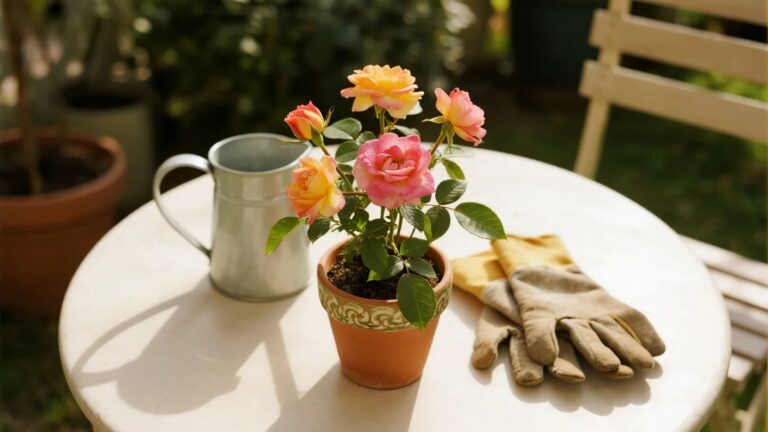
Miniature roses bring the classic beauty and charm of their larger counterparts to small spaces like patios, balconies, and sunny windowsills. While they have a reputation for being fussy, they’re actually quite easy to grow if you provide them with a few key things. This guide will walk you through all the essentials for keeping your mini rose healthy and blooming profusely.
1. Light: They Live for the Sun
Miniature roses are sun-loving plants that need abundant light to thrive.
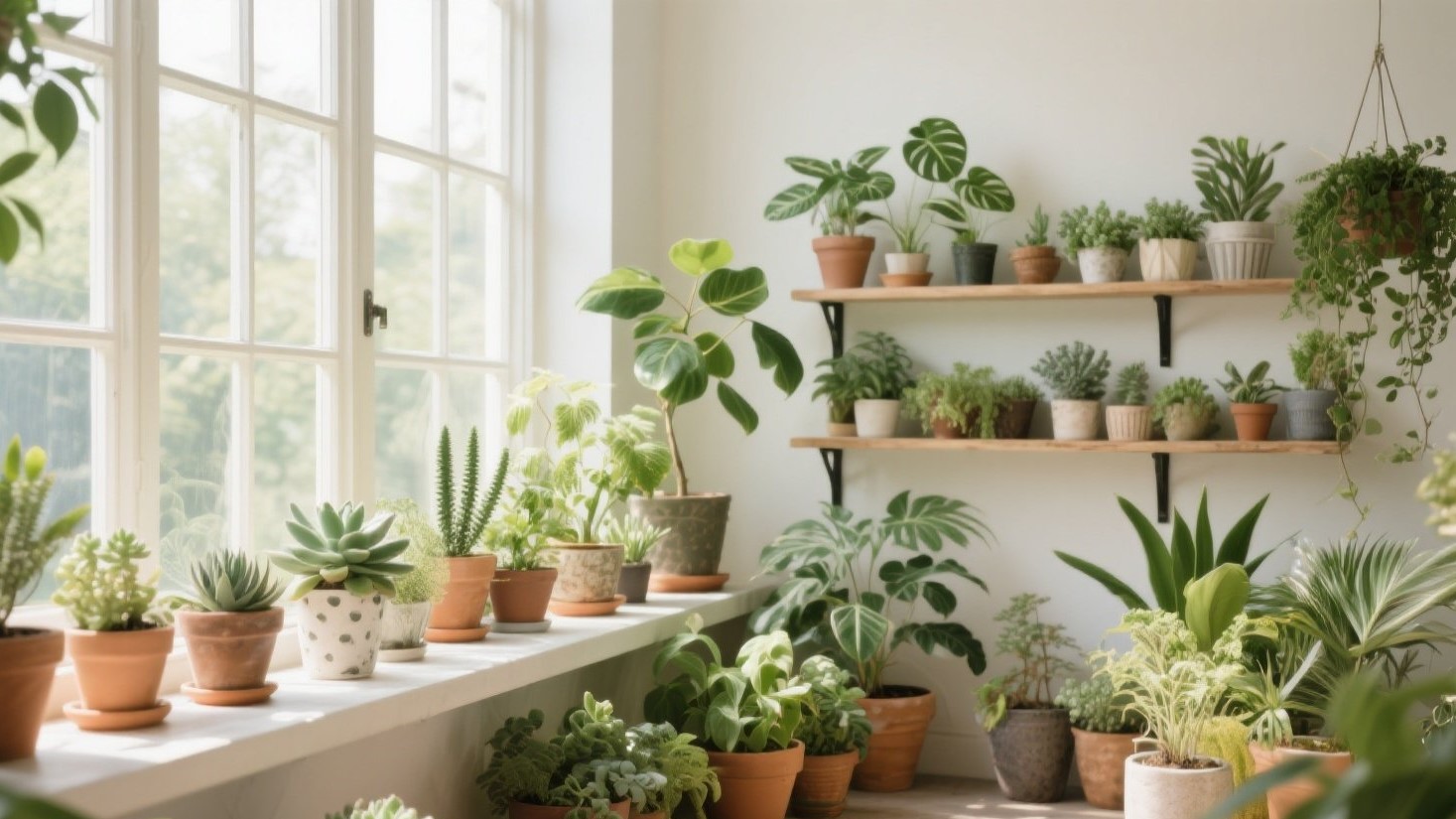
- Ideal Spot: Place them where they will receive at least 6-8 hours of direct sunlight daily. A south-facing patio, deck, or windowsill is perfect.
- The Key to Blooms: Ample sunlight is the single most important factor for flower production and preventing disease. Without it, plants become weak, drop leaves, and fail to bloom.
- Simple Rule: If you don’t have a bright, sunny spot, miniature roses are not the best plant choice.
2. Watering: Consistent Moisture is Crucial
- Growing Season (Spring-Fall): Water when the top inch of soil feels dry. Water thoroughly until it runs out of the drainage holes. Avoid letting the plant wilt.
- Dormant Season (Winter): Water much less frequently. Allow the soil to dry out completely between waterings. You can check by feeling the soil or lifting the pot – if it feels light, it’s time to water.
3. Soil and Potting: The Right Foundation
- Soil Type: Use a high-quality potting mix labeled for roses or for containers. These mixes provide the perfect balance of moisture retention and drainage.
- Soil pH: Roses prefer slightly acidic soil. If your tap water is alkaline (common in many areas), yellowing leaves may indicate a pH problem. Use a fertilizer for acid-loving plants or a soil acidifier a few times a year to correct this.
- Repotting: Repot every 1-2 years in early spring, or when roots circle the inside of the pot. Choose a new container that is only 1-2 inches wider in diameter to prevent waterlogged soil.
4. Air Circulation: Your Best Defense Against Disease
Good airflow is critical for preventing common rose problems like powdery mildew and black spot.
- Avoid crowding plants together.
- If grown indoors, place it near an open window or use a small fan to keep air moving.
- Prune out any dead or dense growth from the center of the plant to improve air circulation.
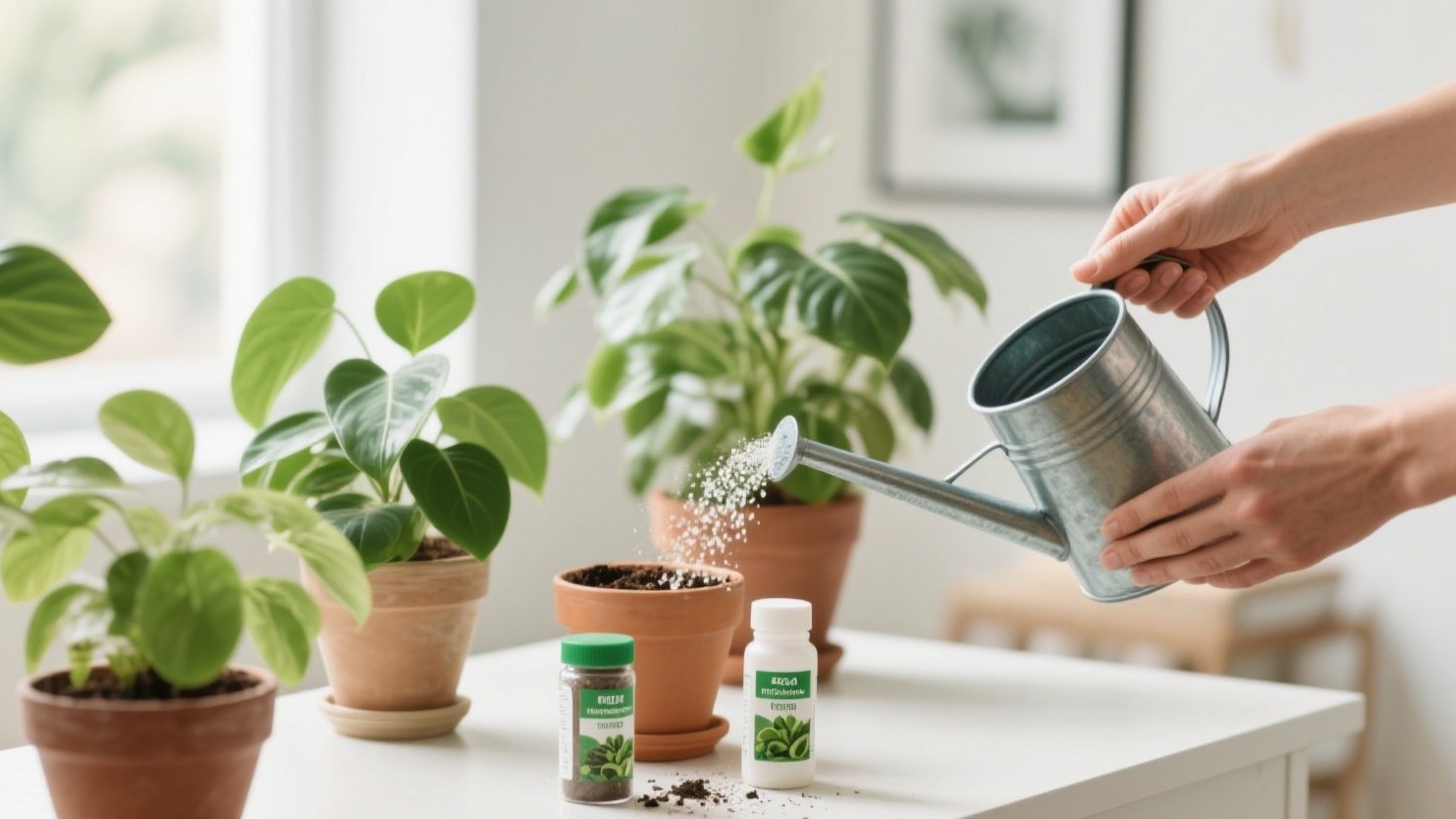
5. Feeding for Fantastic Flowers
- Growing Season: Feed every 1-2 weeks with a balanced, water-soluble fertilizer or a product formulated for roses. For more blooms, you can switch to a ”bloom booster” fertilizer higher in phosphorus (the middle number on the package) once buds appear.
- End of Season: In late fall, mix a handful of compost or well-rotted manure into the top of the soil to enrich it for the next year. Avoid high-nitrogen fertilizers late in the season.
6. Overwintering: Protecting Your Plant
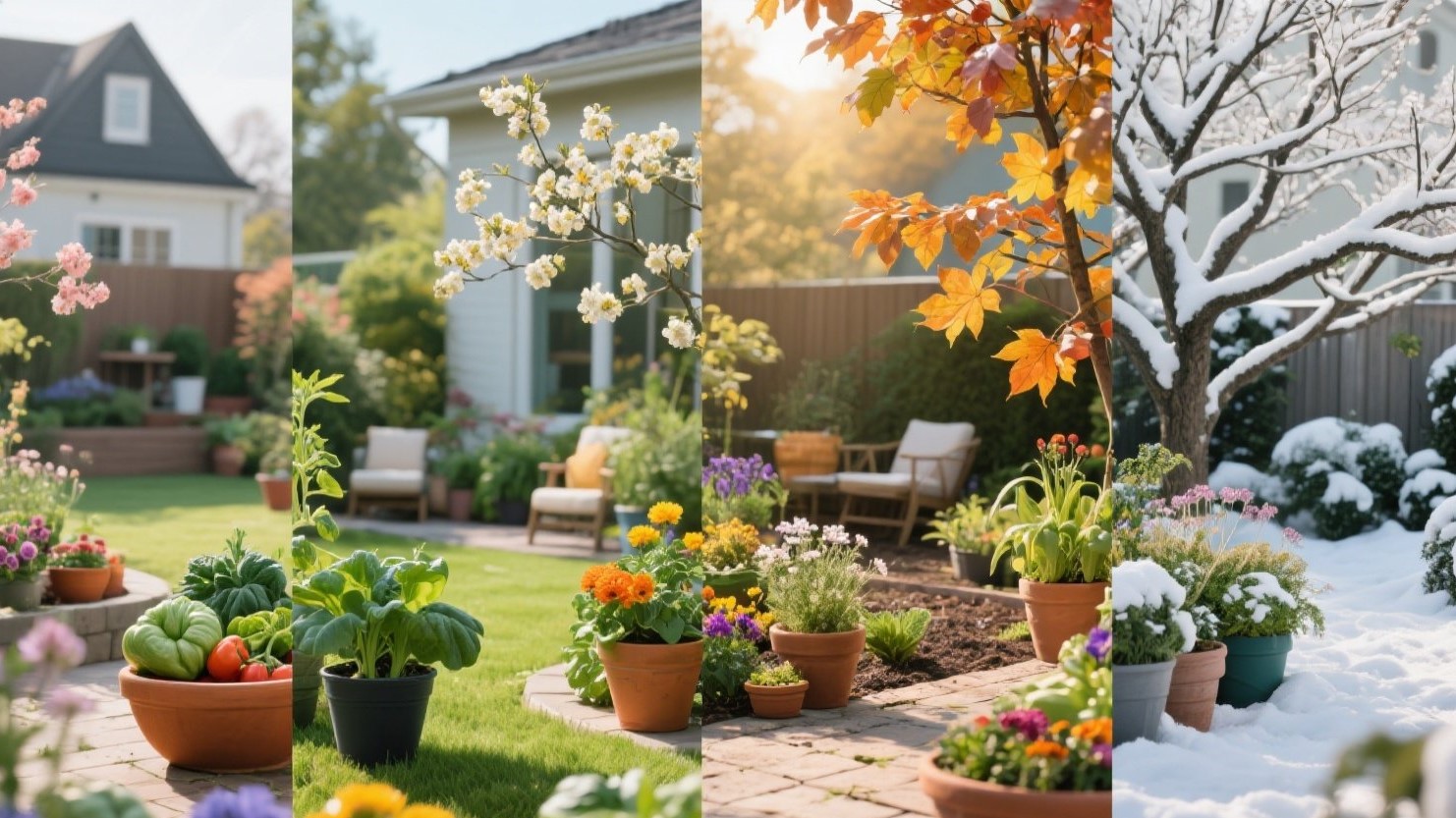
- Mild Climates (USDA Zones 7+): Mini roses can typically stay outdoors with some mulch for root protection.
- Colder Climates: In pots, they are vulnerable to freezing. Move the plant to an unheated garage, shed, or cool basement where temperatures stay above freezing. Water lightly occasionally to prevent the roots from drying out completely.
7. Pruning: Encourage More Blooms
- Deadheading: The most important task! As flowers fade, snip them off just above a set of five leaflets. This tells the plant to produce more flowers instead of spending energy on making seeds.
- Spring Pruning: In early spring, prune out any dead or thin, weak growth. Cut stems back by about one-third to encourage a bushy shape.
8. Pest and Disease Management
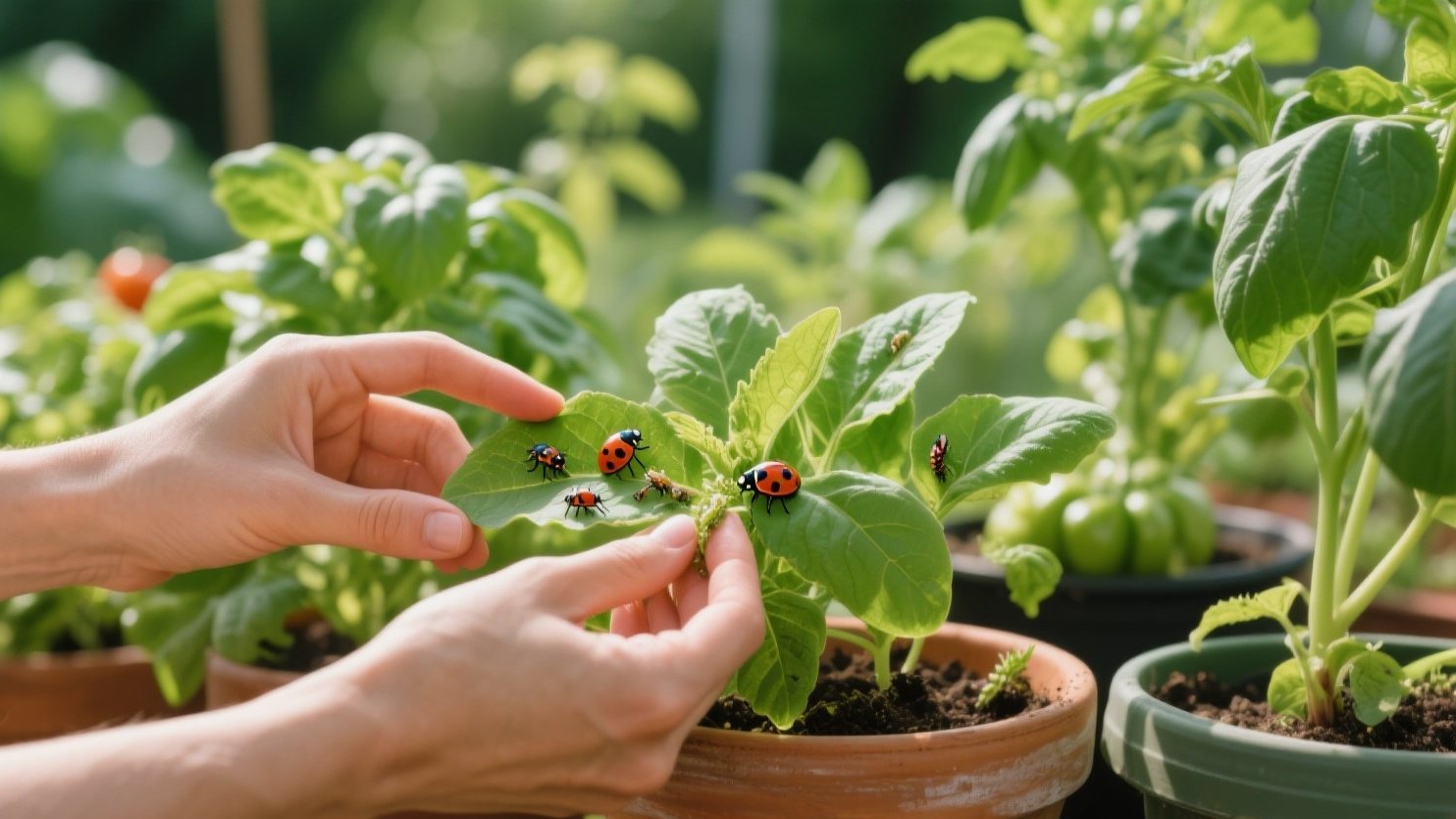
Keep an eye out for common pests like aphids and spider mites. A strong spray of water from a hose or the use of insecticidal soap is often all that’s needed for control. Good air circulation is the best prevention for fungal diseases.
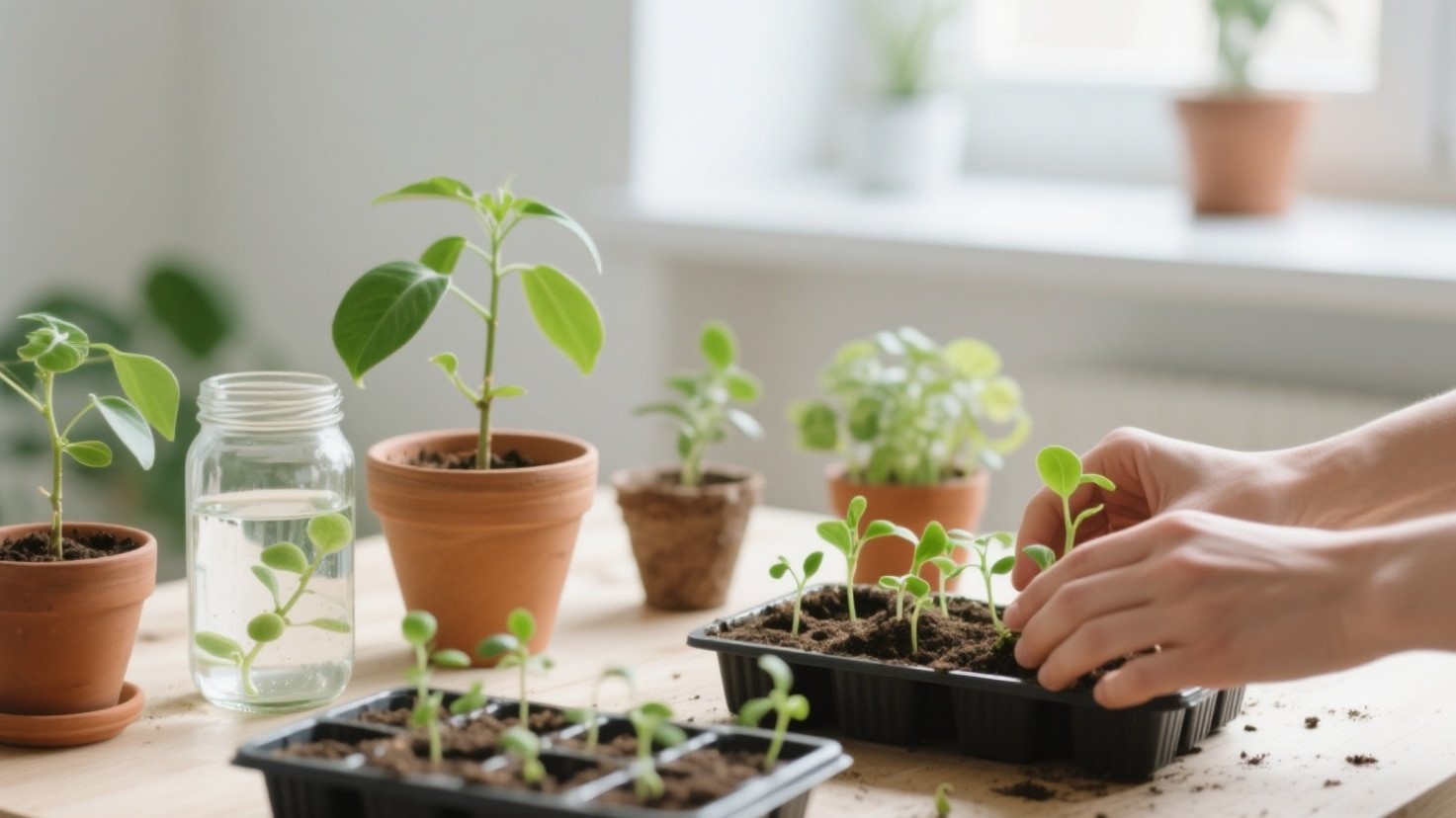
9. Easy Propagation: Make New Plants
You can easily create new plants from cuttings (called “propagating”).
- In spring or early summer, cut a 4-6 inch piece of a healthy, flowerless stem.
- Dip the cut end in rooting hormone (available at any garden center).
- Plant it in a small pot filled with fresh, moist potting mix.
- Cover the pot with a plastic bag to create a humid environment until new growth appears.
By following these straightforward steps, you’ll be rewarded with a healthy miniature rose that provides a stunning display of color and fragrance all season long.