Harvesting is the most rewarding part of gardening — but it’s also one of the trickiest to get right. Many beginners make the same mistake: picking their crops too early (when flavors haven’t fully developed) or too late (when textures turn woody or seeds harden).
Knowing when to harvest isn’t just about the calendar. It’s about learning to read your plants — their colors, textures, smells, and even sounds can tell you when they’re at their flavorful best.
In this guide, we’ll break down easy visual and tactile cues for the most common garden crops so you can harvest confidently — no guesswork, no wasted effort, and no disappointing bites. 🌿
🌞 Why Timing Matters More Than You Think
Every fruit and vegetable passes through three key stages: growth, maturity, and ripeness.
- Growth: The plant forms edible parts but hasn’t developed flavor yet.
- Maturity: The size looks right, but sugars and aromas are still developing.
- Ripeness: Nutrients peak, flavors balance, and textures turn tender.
Harvesting too early means you’ll miss out on sweetness, color, and nutrition. Harvesting too late can cause bitterness, seed hardening, or even spoilage.
By watching and touching your crops, you can pinpoint the perfect harvest window — when flavor, nutrition, and freshness are all at their best.
🍅 Vegetables: Signs of Perfect Ripeness
1. Tomatoes
- Color: Rich, even tone across the surface (red, orange, or yellow depending on variety).
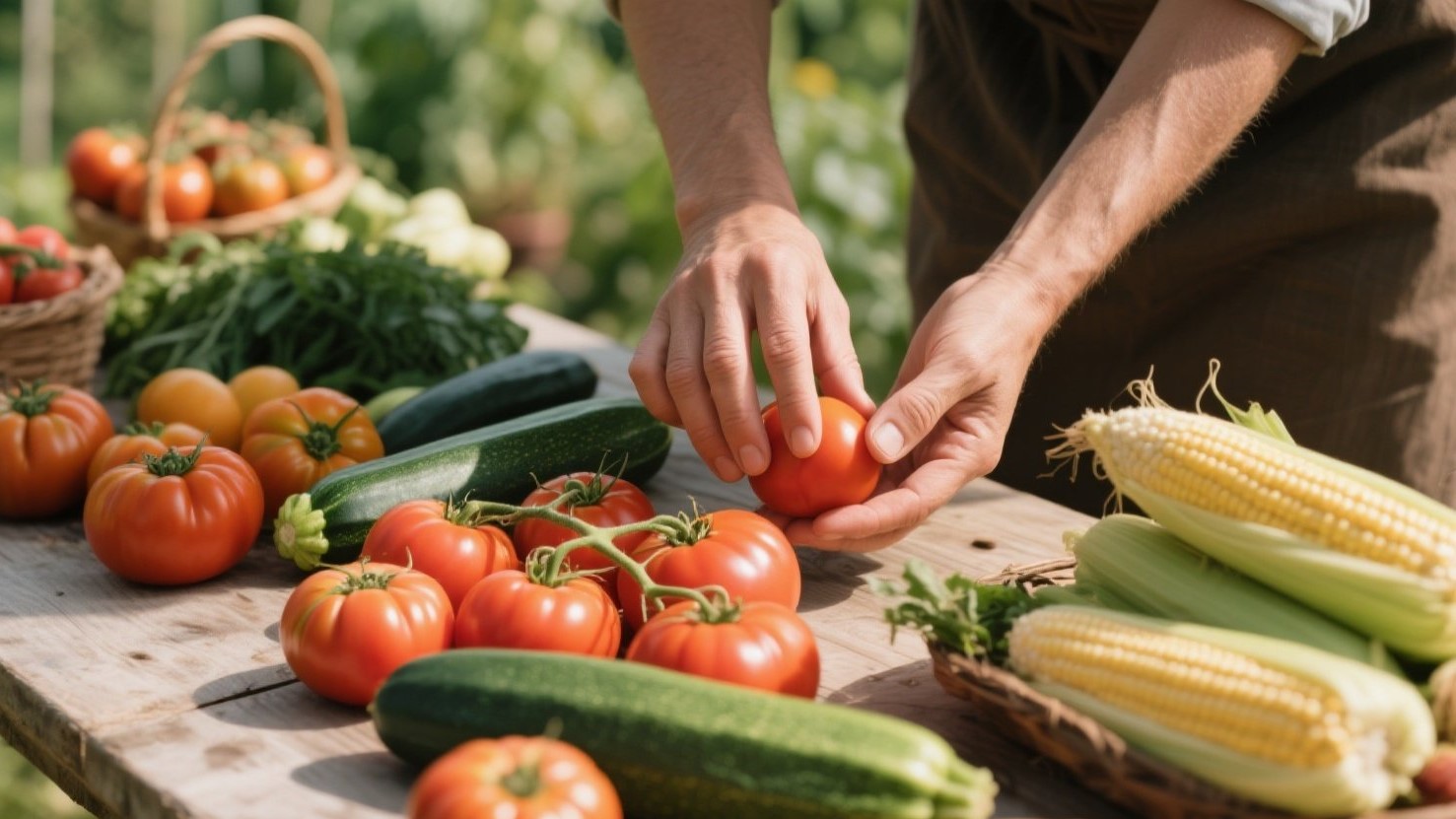
- Touch: Slightly soft with a gentle give — not firm like an apple, not mushy.
- Smell: Sweet, earthy aroma near the stem.
Tip: Harvest in the morning when temperatures are cooler; it helps preserve firmness and flavor.
2. Zucchini (and Summer Squash)
- Size: 6–8 inches long is ideal — smaller ones are tender and full of flavor.
- Skin: Glossy, firm, and easy to pierce with your fingernail.
- Mistake to Avoid: Oversized zucchinis get seedy and lose sweetness.
Pro Tip: Harvest every few days during peak season to encourage continuous production.
3. Bell Peppers
- Color: Green when young, then turn red, orange, or yellow when fully ripe.
- Touch: Firm walls with a crisp, thick texture.
- Taste: Green peppers are sharper and less sweet; color change signals higher sugar content.
Bonus: Leaving them on the plant longer deepens both color and sweetness.
4. Carrots
- Top Clues: The shoulders (tops of the root) should peek slightly above the soil line.
- Touch: Firm, not floppy.
- Color: Deep orange hue — pale carrots indicate immaturity.
Tip: Loosen the soil gently before pulling to avoid breakage.
5. Corn
- Silk: Turns from golden to dark brown and feels dry.
- Ear Feel: Full and firm when you squeeze it.
- Kernel Test: Peel back a bit of husk and press a kernel — if milky juice comes out, it’s ready.
Avoid: Watery juice = underripe; thick paste = overripe.
6. Leafy Greens (Lettuce, Spinach, Kale)
- Color: Bright, uniform green.
- Texture: Crisp and tender — once leaves feel leathery, they’re past prime.
- Harvest Timing: Early morning harvests yield the sweetest flavor before heat causes bitterness.
Tip: Cut outer leaves first so the plant keeps producing.
🍓 Fruits: Nature’s Subtle Harvest Cues
1. Strawberries
- Color: Deep red all over (no white tips).
- Aroma: Strong, sweet fragrance — nature’s ripeness alarm.
- Stem: Should detach easily with a gentle tug.
Tip: Pick every 2–3 days; ripe strawberries don’t continue to sweeten after harvest.
2. Blueberries
- Color: Entirely blue with a dull, powdery bloom (a sign of freshness).
- Touch: Soft but not squishy.
- Shake Test: Ripe berries fall off the bush easily with a light shake.
3. Melons (Cantaloupe, Watermelon)
- Cantaloupe: Netting pattern becomes rough and the stem slips off easily.
- Watermelon: Dull sound when tapped and the underside turns creamy yellow.
- Smell: Sweet, melon aroma at the blossom end.
4. Apples
- Color: Rich and true to variety; green tones fade.
- Twist Test: A ripe apple releases easily from the branch when twisted gently.
- Taste: Juicy and crisp — mealy texture means it’s overripe.
🪴 General Harvest Guidelines for Beginners
- Use clean, sharp tools. Dirty blades spread disease; dull ones crush stems.
- Harvest in the cool of the day. Morning harvests preserve texture and reduce wilting.
- Handle gently. Many crops bruise easily, shortening shelf life.
- Harvest regularly. Picking encourages continued production in crops like beans, peas, and cucumbers.
- Store promptly. Some crops (like tomatoes and basil) prefer room temperature; others (like greens and carrots) need refrigeration.
🌾 Pro Gardener’s Insight: Your garden will “teach” you timing after one full season. Take notes on appearance, taste, and timing — nature rarely repeats the same schedule exactly.
🌻 Harvest Timing Isn’t Guesswork — It’s Observation
Gardening rewards those who pay attention. Each plant tells a story through color shifts, firmness, scent, and even the sound of a snap.
Once you learn these natural cues, harvesting becomes instinctive. You’ll pick fruits and vegetables not just when they look good, but when they taste their best — bursting with sweetness, crunch, and vitality.
Remember: the secret isn’t in the clock or the seed packet — it’s in the conversation you have with your plants. 🌱