Aloe vera is one of the most popular and useful houseplants, known for its soothing gel and easy-care nature. While it’s often considered a beginner plant, understanding a few key tips will help your aloe not just survive, but thrive. Here’s your complete guide to aloe care.
Important Safety Note First:
Not all aloe plants are edible or safe for skin use. The most common medicinal varieties are Aloe Barbadensis Miller (true Aloe Vera) and Aloe Arborescens. Many ornamental varieties like Aloe nobilis(Golden Toothed Aloe) are for decorative purposes only. When in doubt, purchase from a reputable nursery that specifies the variety.
1. Light: Bright and Sunny is Best
Contrary to popular belief, aloe vera is a sun-loving succulent.
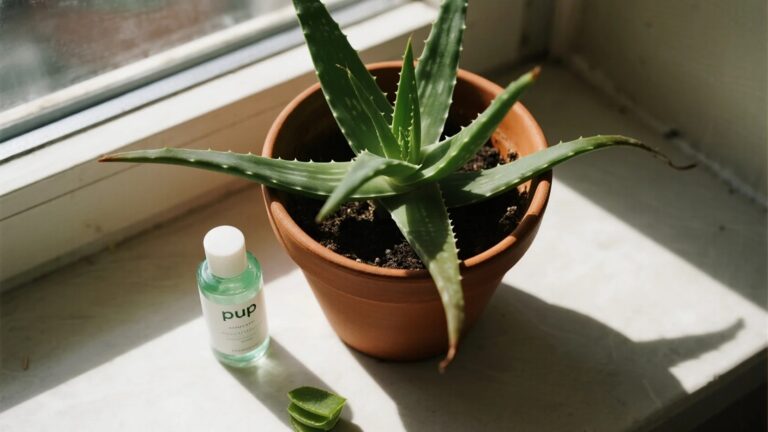
- Ideal Location: A south or west-facing window that receives 4-6 hours of direct sun daily.
- Signs of Insufficient Light: If your aloe becomes “leggy” (stretched out with wide spaces between leaves), pale, or grows flat instead of upright, it needs more light.
- Outdoor Growing: In summer, it loves a sunny patio but acclimate it gradually to prevent sunburn.
2. Watering: The “Soak and Dry” Method
This is the most critical part of aloe care. Think “desert plant.”
- How to Water: Water thoroughly until it drains from the bottom, then wait until the soil is completely dry before watering again.
- How to Check: Stick your finger 2-3 inches into the soil. If it’s dry, water. If it’s moist, wait. In winter, this might mean watering only once a month.
- Golden Rule: When in doubt, don’t water. Overwatering is the fastest way to kill an aloe plant.
3. Soil and Repotting: Excellent Drainage is Key
- Soil Mix: Use a commercial cactus/succulent potting mix. These blends contain extra sand, perlite, or pumice for fast drainage.
- Repotting: Repot every 2-3 years in spring. Choose a new pot that is only 1-2 inches wider than the root ball. Terra cotta pots are ideal because they allow the soil to dry out faster.
4. Feeding: Less is More
Aloe vera is not a heavy feeder.
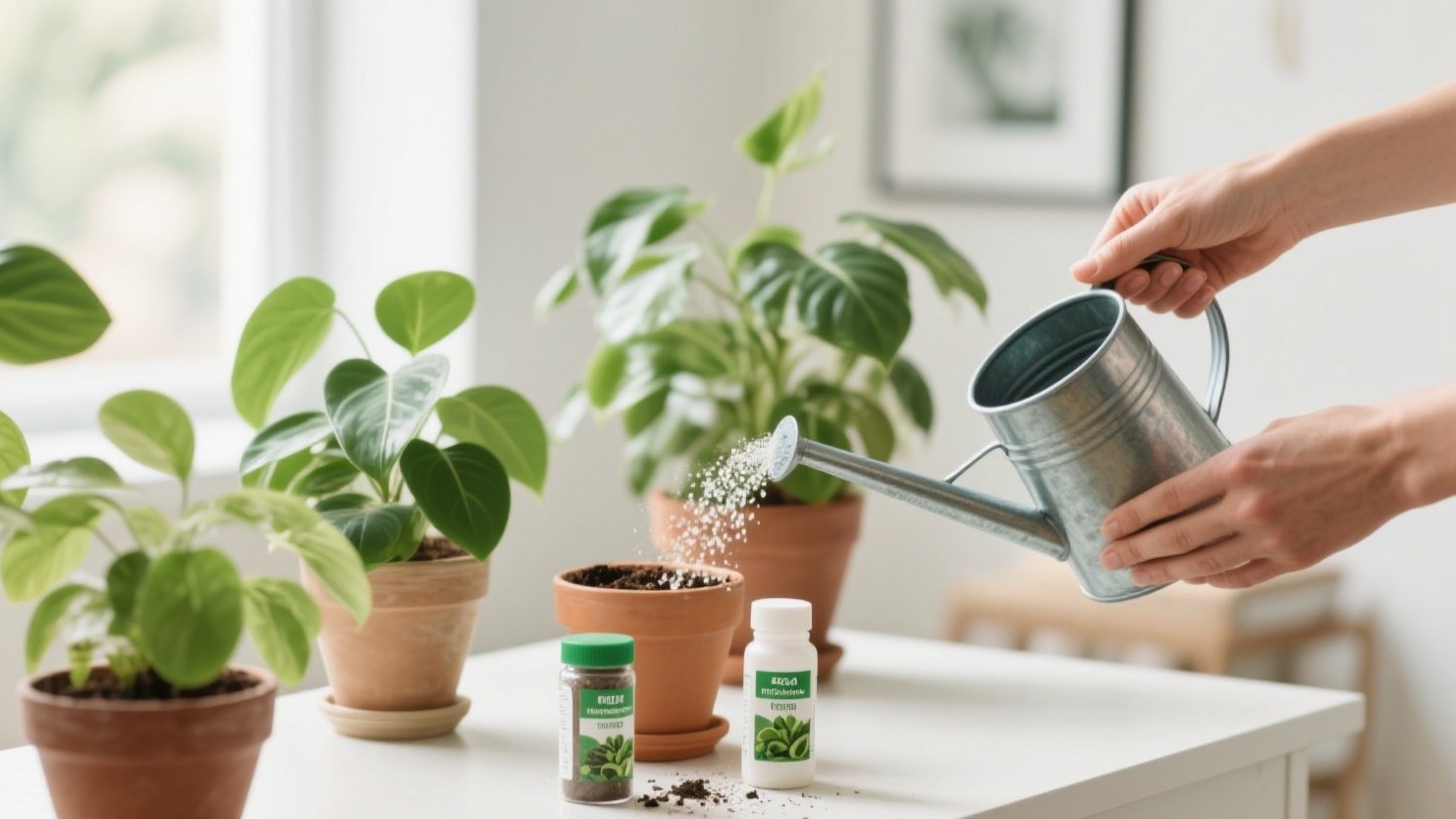
- Growing Season (Spring-Summer): Feed once a month with a balanced, water-soluble fertilizer diluted to half strength.
- Dormant Season (Fall-Winter): Do not fertilize.
5. Temperature: Keep It Warm
As a desert native, aloe hates the cold.
- Ideal Temperature: 55°F to 80°F.
- Winter Care: Bring indoors well before temperatures drop below 50°F. A sunny windowsill is perfect.
6. Pruning and Propagation
- Pruning: Simply snap off any brown, damaged, or old leaves at the base to keep the plant healthy and tidy.
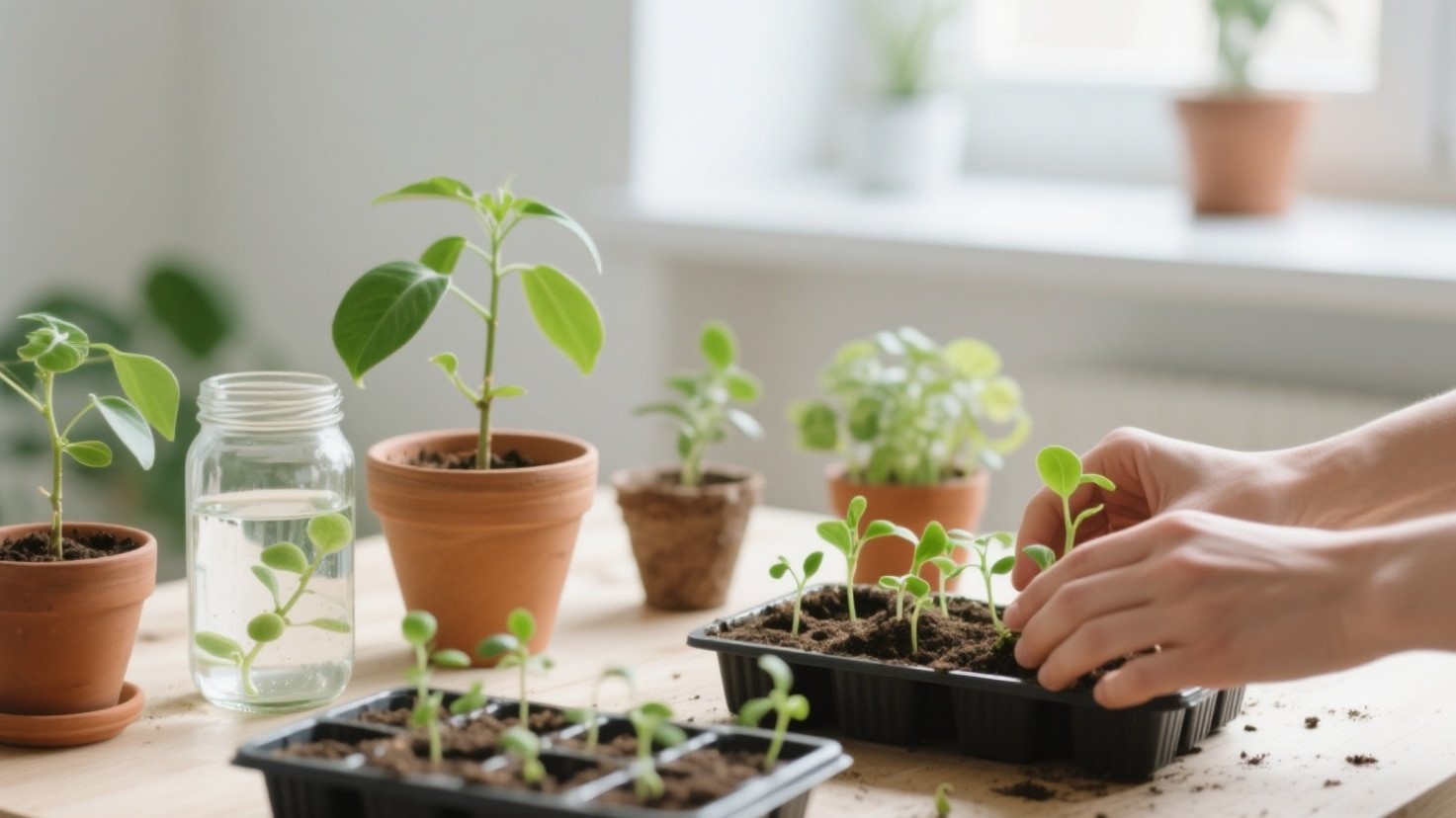
- Propagation: The easiest method is by removing “pups” (baby plants). Wait until pups are a few inches tall, then gently separate them from the mother plant and pot them in their own container.
Troubleshooting Common Problems:
- Brown, Soft Leaves: Classic sign of overwatering.
- Thin, Curling Leaves: The plant is thirsty.
- Brown Leaf Tips: Can be due to chemical buildup from tap water. Use filtered or distilled water if this persists.
Aloe vera is a wonderfully resilient plant that rewards minimal care with maximum beauty and utility. Just provide plenty of sun, go easy on the water, and enjoy this fantastic succulent for years to come.