The Kimberly Queen Fern (often called Kim fern) is becoming a favorite among houseplant enthusiasts for its elegant, upright growth and surprising toughness. Unlike many ferns that can be fussy, this one is remarkably easy to care for, making it an excellent choice for both beginners and experienced plant owners. Here’s your simple guide to keeping it thriving.
Plant Overview: Why You’ll Love It
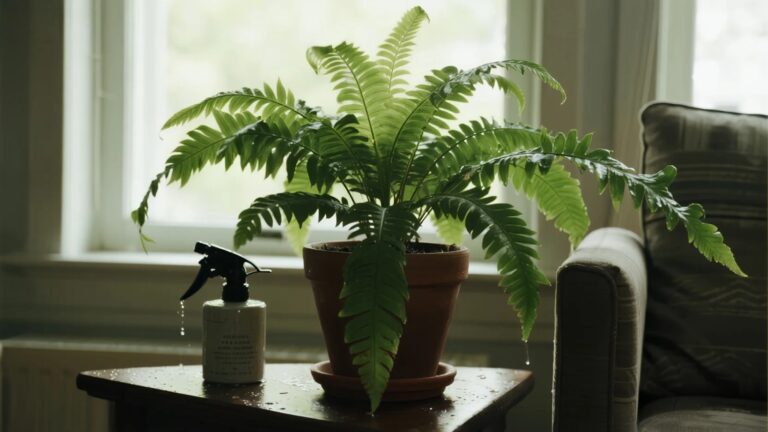
Imagine a plant with graceful, arching fronds that resemble a lush green fountain. The Kimberly Queen Fern has a structured, yet soft appearance, with individual leaflets (called pinnae) varying slightly in shape and size along the stem, creating a beautiful, textured look. It’s a sophisticated plant that adds a touch of serene, forest-like elegance to any room. Best of all, it’s known for being more adaptable and forgiving than many other fern varieties—some say it’s even easier to care for than a classic Pothos!
Care Guide: Simple Steps for Success
1. Light: No Direct Sun Needed
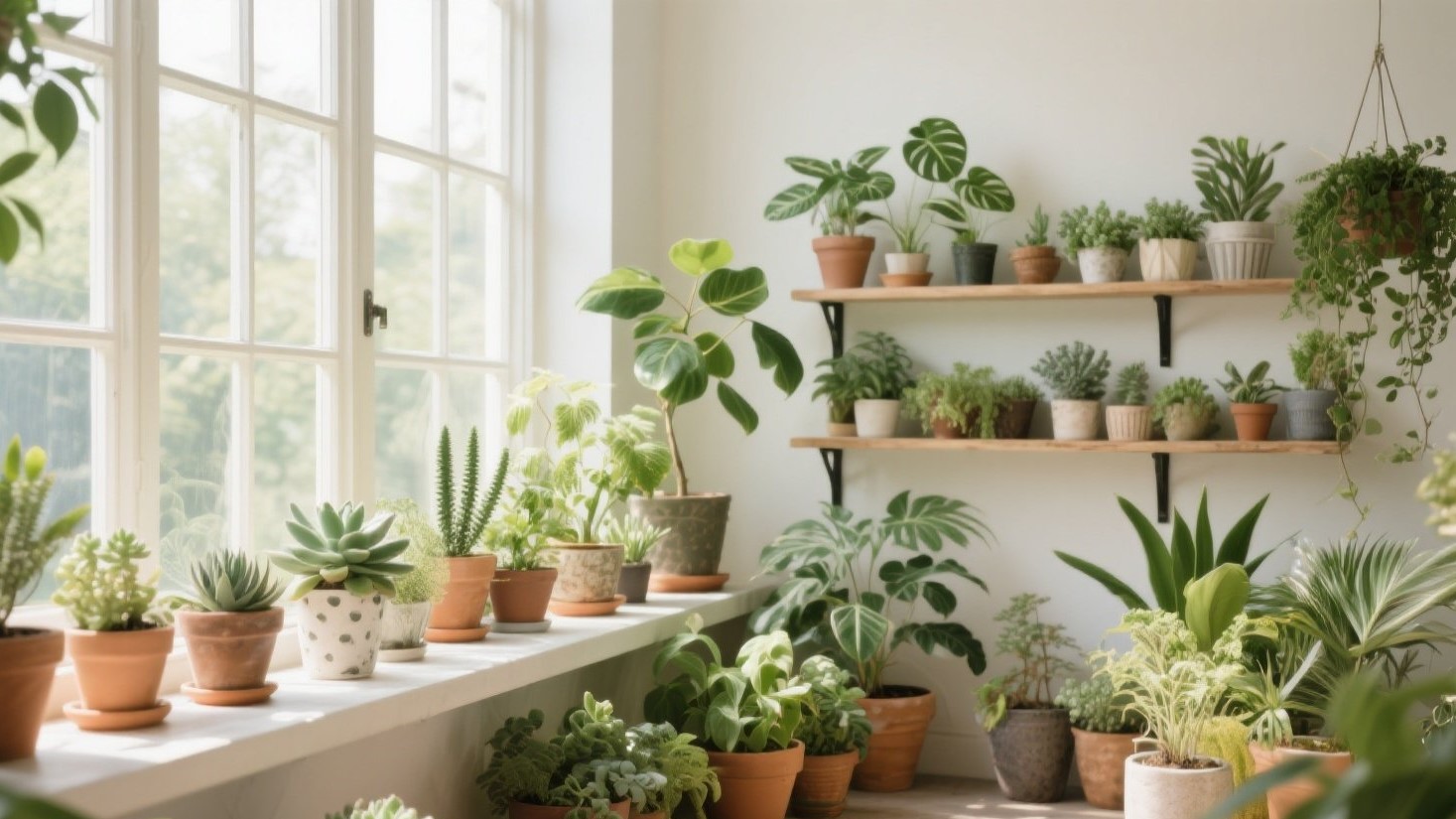
This fern is a lover of indirect light. Think of the kind of soft, filtered light that comes through a window with a sheer curtain.
- Ideal Spot: A north or east-facing window is perfect. It can also thrive several feet back from a south or west-facing window, safely away from the sun’s direct rays.
- What to Avoid: Harsh, direct sunlight will quickly scorch its delicate leaves, turning them brown and crispy. If the only spot you have gets strong sun, use a curtain to diffuse the light.
2. Watering: Keep It Consistently Moist
The goal is to keep the soil evenly damp like a well-wrung-out sponge, but never soggy.
- How to Check: Stick your finger about an inch into the soil. If it feels dry, it’s time to water.
- How to Water: Water thoroughly until it runs out of the drainage hole, and always empty the saucer underneath afterward. Avoid letting the plant sit in water, as this can lead to root rot.
3. Humidity: The Secret to Lush Green Leaves
As a native to humid environments, this fern appreciates extra moisture in the air. Low humidity is the most common cause of brown leaf tips.
- Easy Solutions:
- Misting: Lightly mist the fronds with water every day or two.
- Pebble Tray: Place the pot on a tray filled with pebbles and a little water (make sure the pot is sitting on the pebbles, not in the water).
- Group Plants: Cluster your plants together to create a mini-humid microclimate.
- Humidifier: This is the most effective method, especially during dry winter months.
4. Soil and Fertilizing
- Soil: Use a high-quality, well-draining potting mix. A mix containing peat moss or coconut coir is ideal for retaining the right amount of moisture.
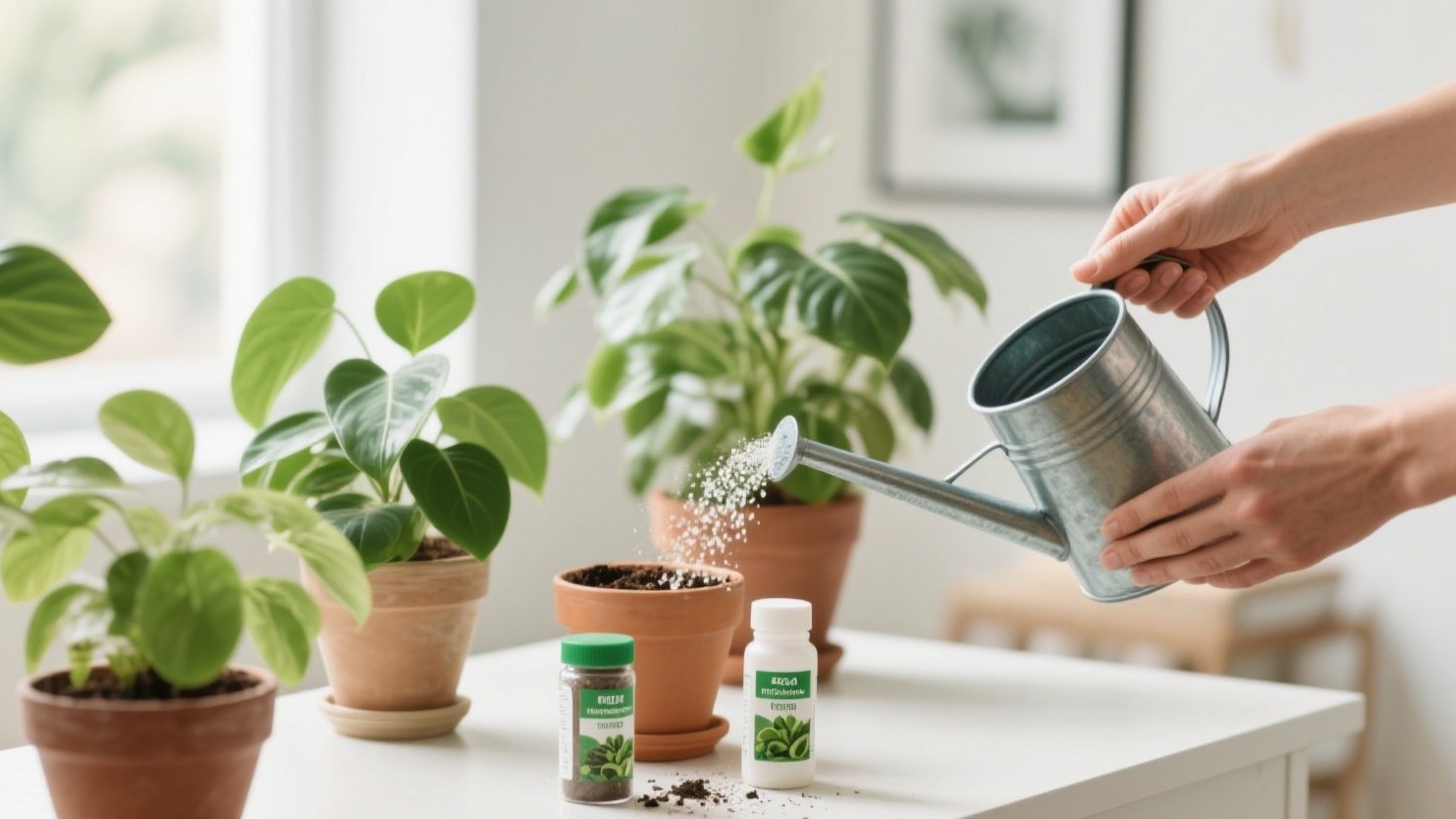
- Fertilizing: Feed monthly during the spring and summer with a balanced, water-soluble houseplant fertilizer, diluted to half the recommended strength. There is no need to fertilize in the fall and winter when growth naturally slows.
Troubleshooting Common Issues
- Brown, Crispy Leaves: Usually a sign of low humidity or underwatering. Increase misting and check your watering schedule.
- Yellowing Leaves: Often caused by overwatering. Ensure the pot has good drainage and that you’re not letting the plant sit in water.
- Pale Leaves or Slow Growth: May indicate the plant needs a bit more light or a light feeding of fertilizer.
Final Tip: The Kimberly Queen Fern is a resilient plant. Don’t be discouraged if you see a few brown fronds—simply snip them off at the base. With consistent moisture and humidity, your fern will reward you with beautiful, lush growth.
Why It’s Great for Beginners: It’s adaptable, communicates its needs clearly (drooping when thirsty, browning when dry), and bounces back quickly from a little neglect. It’s the perfect plant to build your confidence!