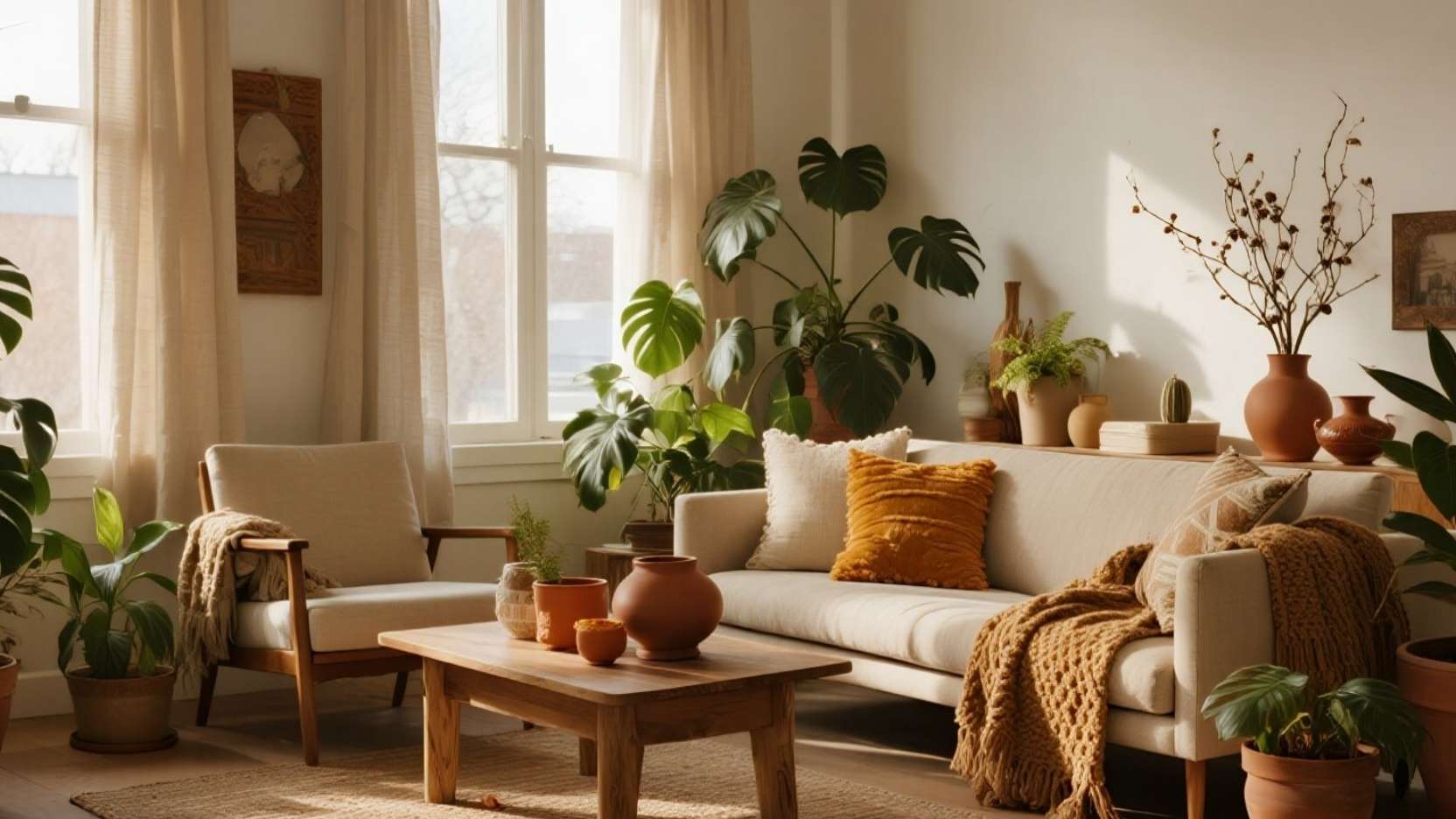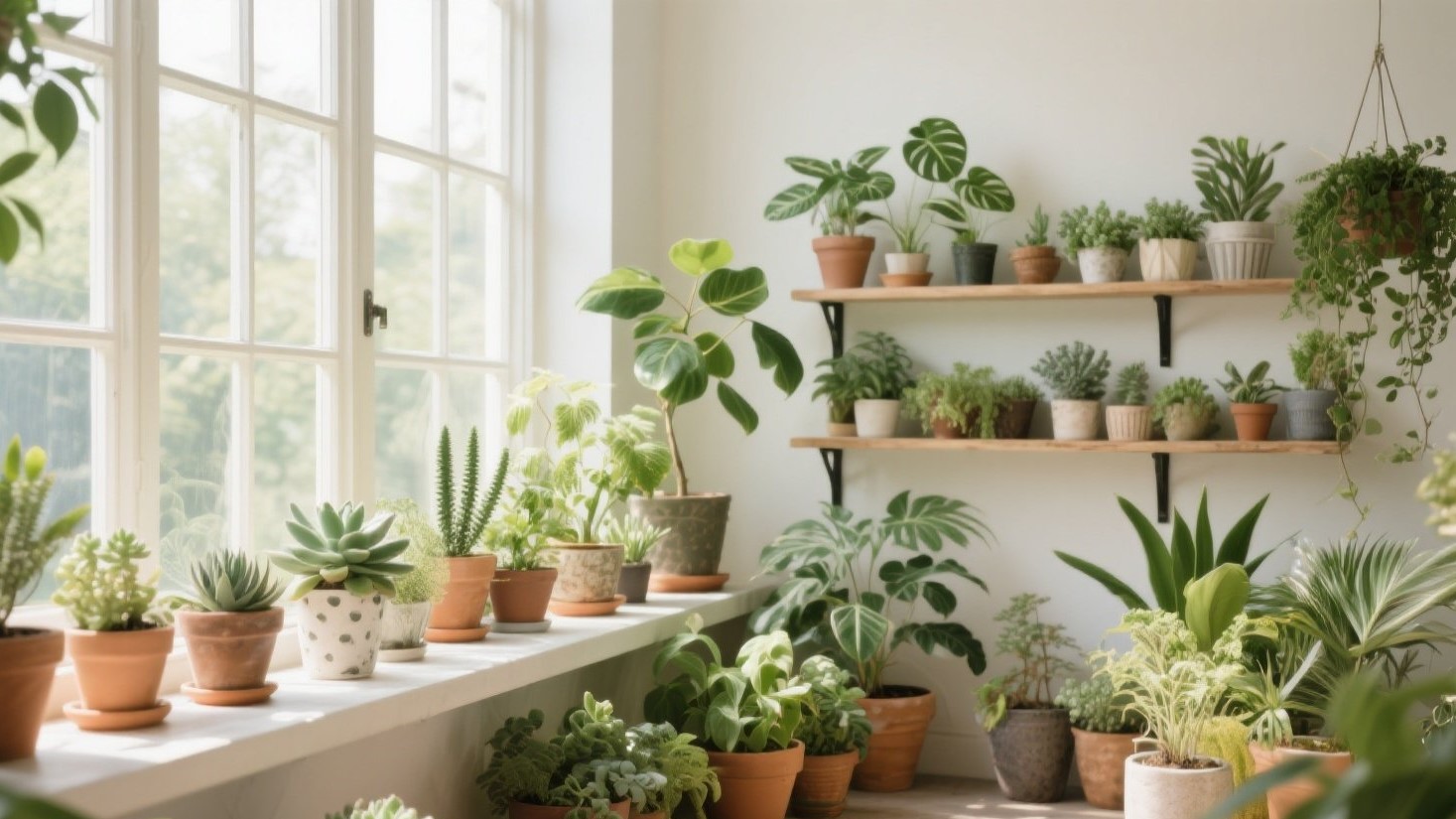
The core tenet of minimalism isn’t empty space—it’s intentionality. It’s about surrounding yourself only with items that serve a purpose or spark significant joy, while eliminating everything that doesn’t. For many, this philosophy naturally extends to houseplants. But the fear is real: won’t they just become more “stuff” to manage? More chores? More potential for failure?
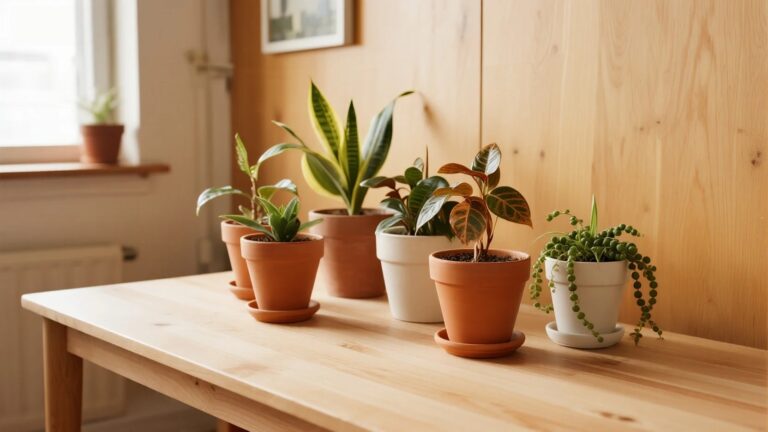
As a discussion on r/minimalism revealed, the answer lies in choosing the rightplants. The goal is to find greenery that offers maximum aesthetic and emotional payoff for minimal input—plants that are more “calm” than “clutter.”
Based on that community’s wisdom and horticultural fact, here are 5 truly low-maintenance plants that are perfect for the intentional, minimalist home.

1. Snake Plant (Sansevieria trifasciata)
- The Ultimate Survivor: Often called “Mother-in-Law’s Tongue,” this plant is virtually indestructible and a top recommendation for beginners.
- Minimalist Advantages:
- Watering: Thrives on neglect. Water only every 4-6 weeks, or when the soil is completely dry. Overwatering is its only real enemy.
- Light: Extremely adaptable. It does well in bright, indirect light but will also tolerate low-light corners where other plants would perish.
- Form: Its sharp, architectural, upright growth is a living sculpture. It adds strong vertical lines to a space without appearing messy or overgrown.
- Pro Tip: Its upright growth means it has a very small “footprint,” taking up little precious floor or shelf space.
 2. ZZ Plant (Zamioculcas zamiifolia)
- The Modern Classic: With its glossy, dark green leaves, the ZZ plant looks polished and contemporary, making it a favorite in modern minimalist interiors.
- Minimalist Advantages:
- Watering: Has rhizomes that store water, making it incredibly drought-tolerant. Water every 3-4 weeks.
- Light: Another highly adaptable plant. It prefers moderate, indirect light but can survive in very low light conditions.
- Form: Its shiny, symmetrical leaflets grow on graceful, slightly arching stems. It always looks tidy and intentional.
- Pro Tip: The ZZ plant is a very slow grower, meaning you will never be burdened with frequent repotting or pruning. It’s content to stay exactly as it is for long periods.
 3. Pothos (Epipremnum aureum)
- The Effortless Trailer: Also known as Devil’s Ivy, this plant earns its name for its ability to thrive in almost any condition.
- Minimalist Advantages:
- Watering: Forgiving and communicative. Water when the leaves start to droop slightly or the soil is dry. It bounces back quickly.
- Light: Grows in anything from low to bright, indirect light (variegated varieties need more light).
- Form: Its trailing vines can be styled neatly on a high shelf or bookcase, creating a beautiful, cascading “green curtain” without any clutter.
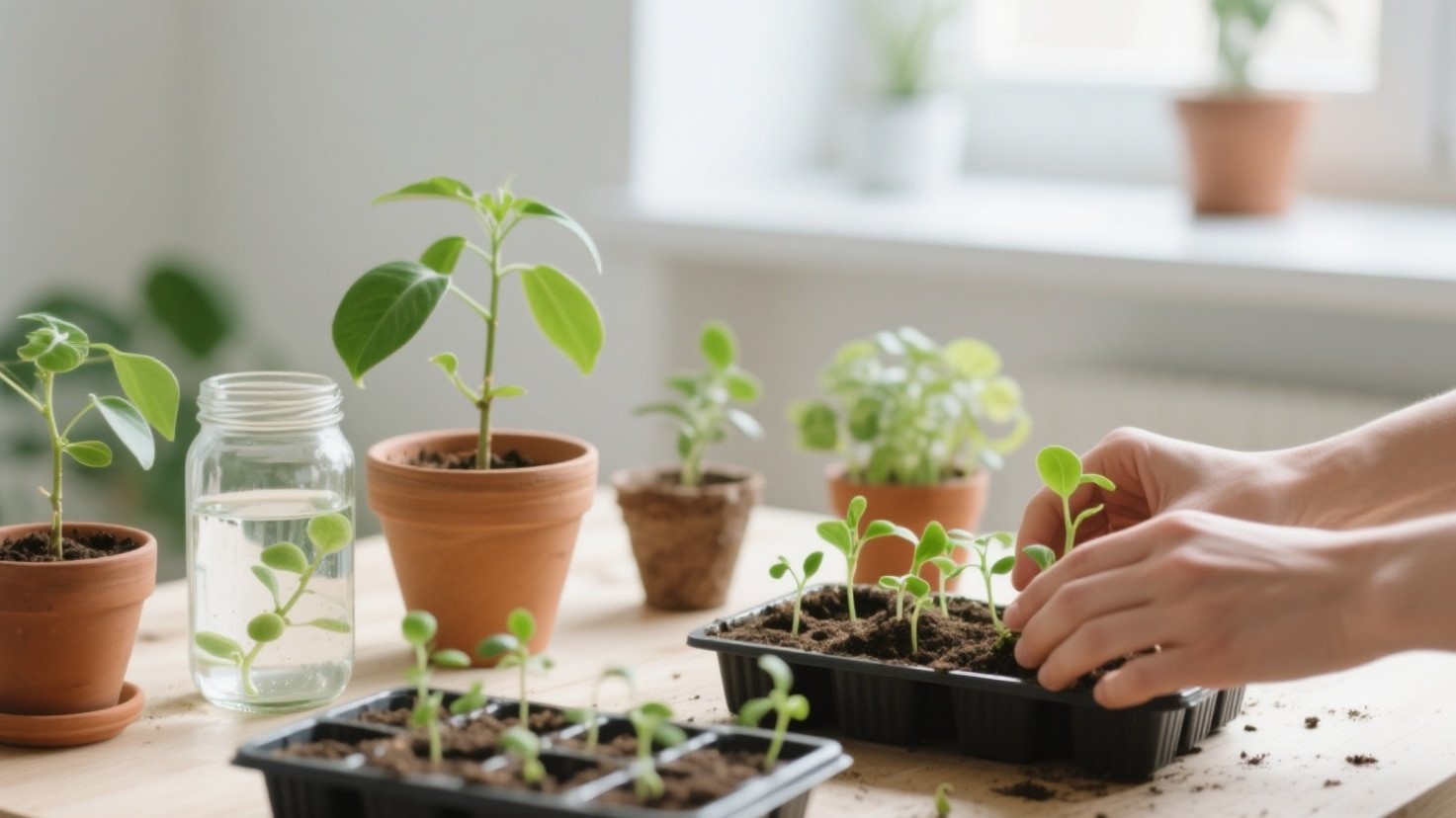
- Pro Tip: It’s incredibly easy to propagate. Snip a piece, put it in water, and you have a new plant to keep or give away—minimalism with the gift of sharing.
 4. Cast Iron Plant (Aspidistra elatior)
- The Un-Killable Workhorse: True to its name, this plant is as tough as cast iron. It’s a slow-growing, dense plant known for its resilience.
- Minimalist Advantages:
- Watering: Very drought-tolerant. Water sparingly, allowing the soil to dry out completely between waterings.
- Light: It famously thrives in very low light and is sensitive to direct sun, which can scorch its leaves. Perfect for a dim corner that needs life.
- Form: It grows in a tidy, clumping pattern with broad, dark green leaves. It provides a lush, full look without the need for multiple plants.
- Pro Tip: This is the plant for you if you have a dark room and a history of killing plants. It requires almost no attention.
 5. String of Pearls (Senecio rowleyanus)
- The Sculptural Statement: This plant is for the minimalist who isn’t afraid of a unique, conversation-starting piece.
- Minimalist Advantages:
- Watering: A succulent that requires minimal water. Water deeply only when the soil is dry and the pearls feel slightly soft to the touch.
- Light: Needs bright, indirect light to thrive and maintain its compact, bead-like shape.
- Form: Its unique trailing vines of spherical “pearls” create a stunning, sculptural effect. It’s a living art piece.
- Pro Tip: Plant it in a hanging planter or place it on a high shelf. This keeps it out of the way and allows its beautiful form to be the star, eliminating any visual clutter.
The Intentional Choice
Choosing a plant for your minimalist space isn’t about adding a decoration; it’s about inviting a quiet, living companion that requires little but gives much. Each of these plants aligns with the “less is more” philosophy: less water, less fuss, less worry, but more life, more beauty, and more calm.
Your Turn: Which of these low-maintenance companions resonates with your space and lifestyle? Share your choice in the comments below!