Introduction
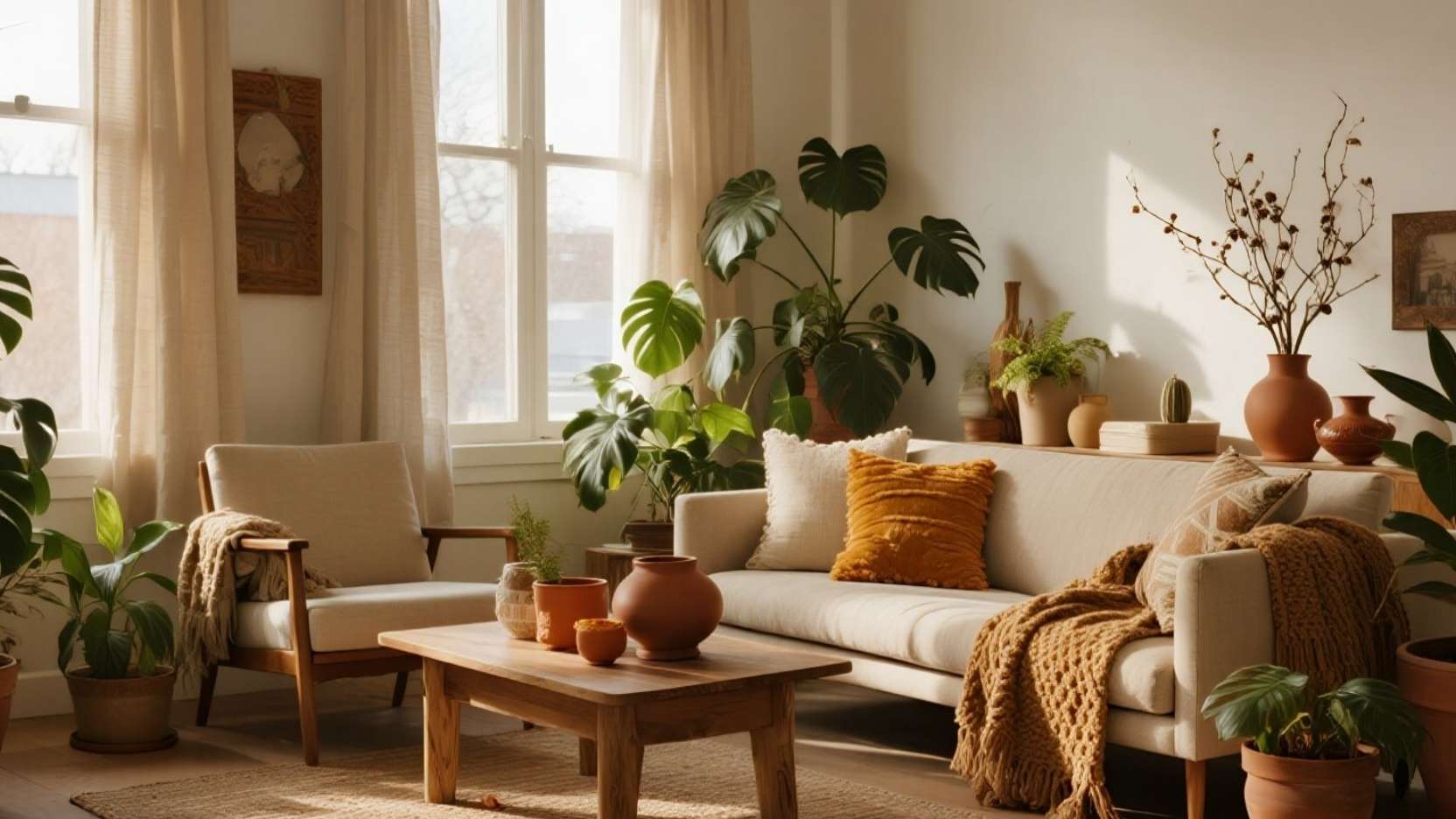
You’ve spent months curating your indoor jungle, only to find your cat munching on your prized Monstera like it’s a gourmet salad. It’s a common nightmare for plant-loving pet owners: balancing your love for greenery with your furry friend’s safety. But fear not! With careful planning and smart design, you can create a vibrant, pet-friendly oasis that keeps both your plants and your cat thriving. Here’s how to avoid toxic tragedies and design a space that’s safe, stylish, and harmonious.
Part 1: The “No-Go” List: Plants to Avoid at All Costs
Some popular houseplants are dangerously toxic to pets. Here are the top offenders to keep out of your home (or place entirely out of reach):
- Lilies – Extremely toxic to cats, causing kidney failure.
- Sago Palm – Can lead to liver damage and death.
- Pothos/Devil’s Ivy – Causes oral irritation and vomiting.
- Philodendron – Contains calcium oxalate crystals, harmful if ingested.
- Snake Plant – Can cause nausea and gastrointestinal upset.
Always cross-reference the ASPCA’s comprehensive toxic plant list before bringing a new plant home.
Part 2: Pet-Safe Plant Recommendations
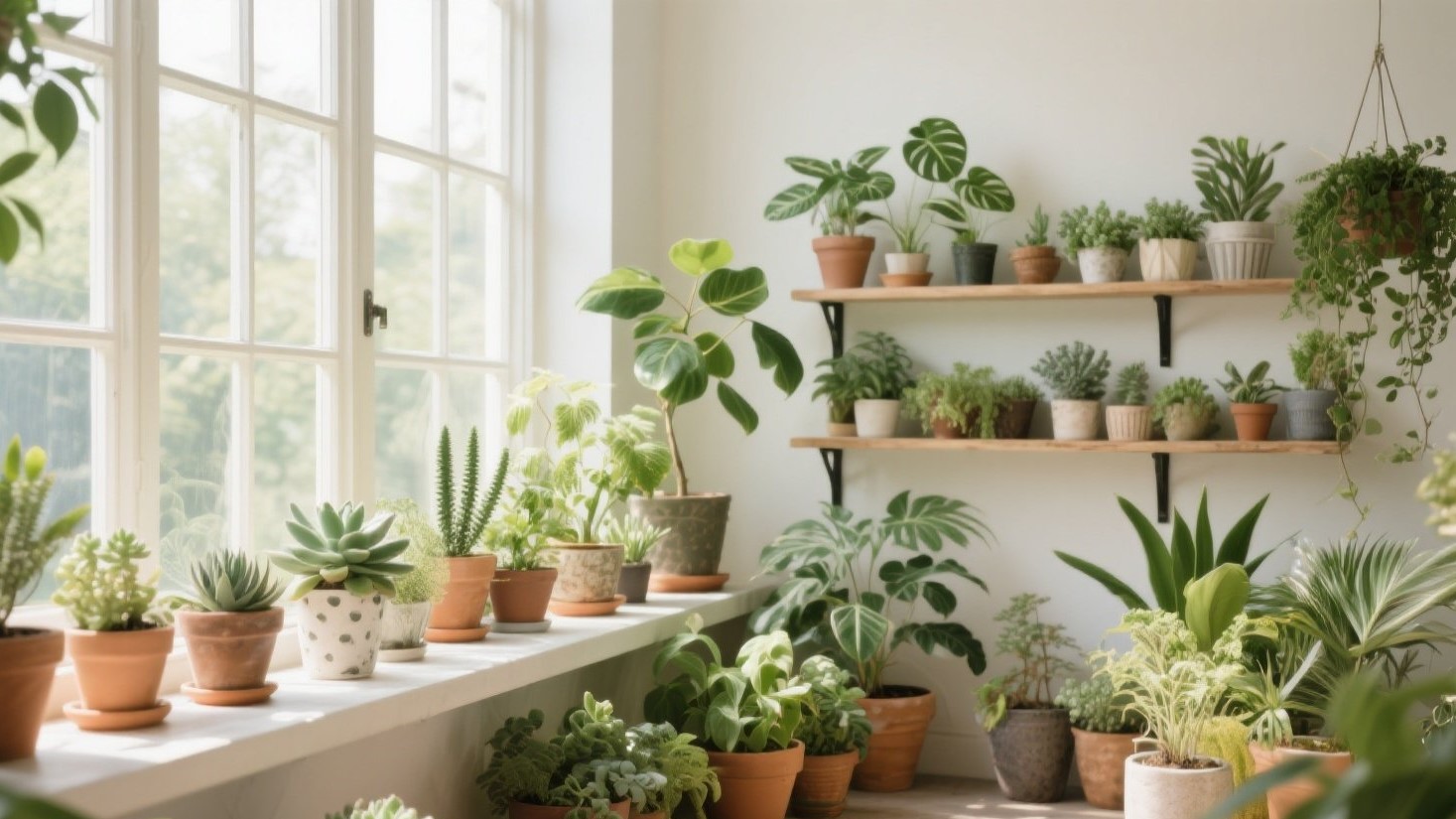
Swap out risky plants for these non-toxic alternatives that are equally stunning:
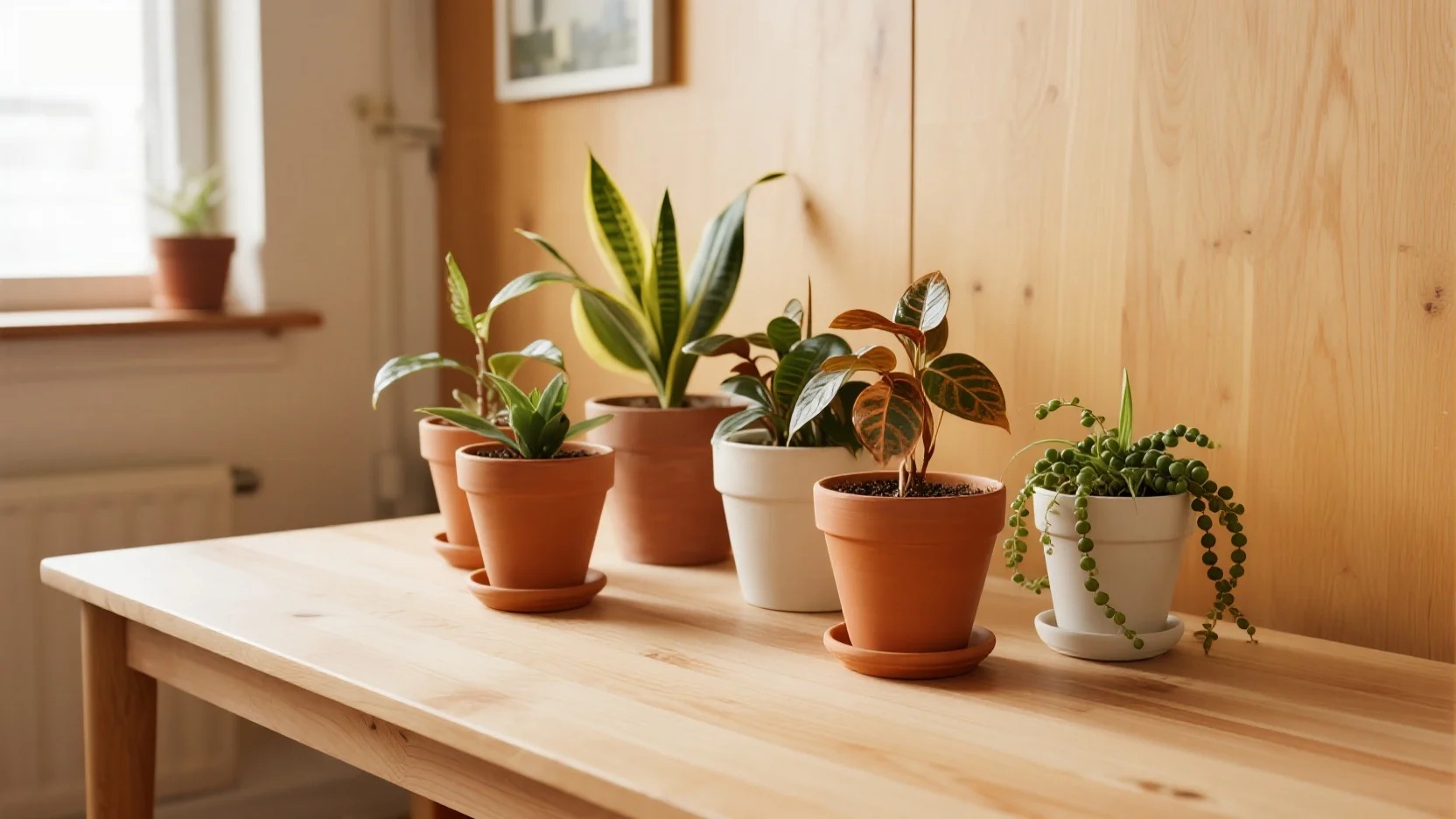
- Spider Plant – Hardy, air-purifying, and safe for pets.
- Boston Fern – Lush and thriving in humid environments.
- Parlor Palm – Adds tropical vibes without the danger.
- Calathea – Vibrant patterns and pet-friendly.
- African Violet – Compact and blooming with color.
Pro Tip: Place these in elevated spots or hanging planters for extra security.
Part 3: Design Strategies for a Pet-Friendly Jungle
- Elevate Your Greens
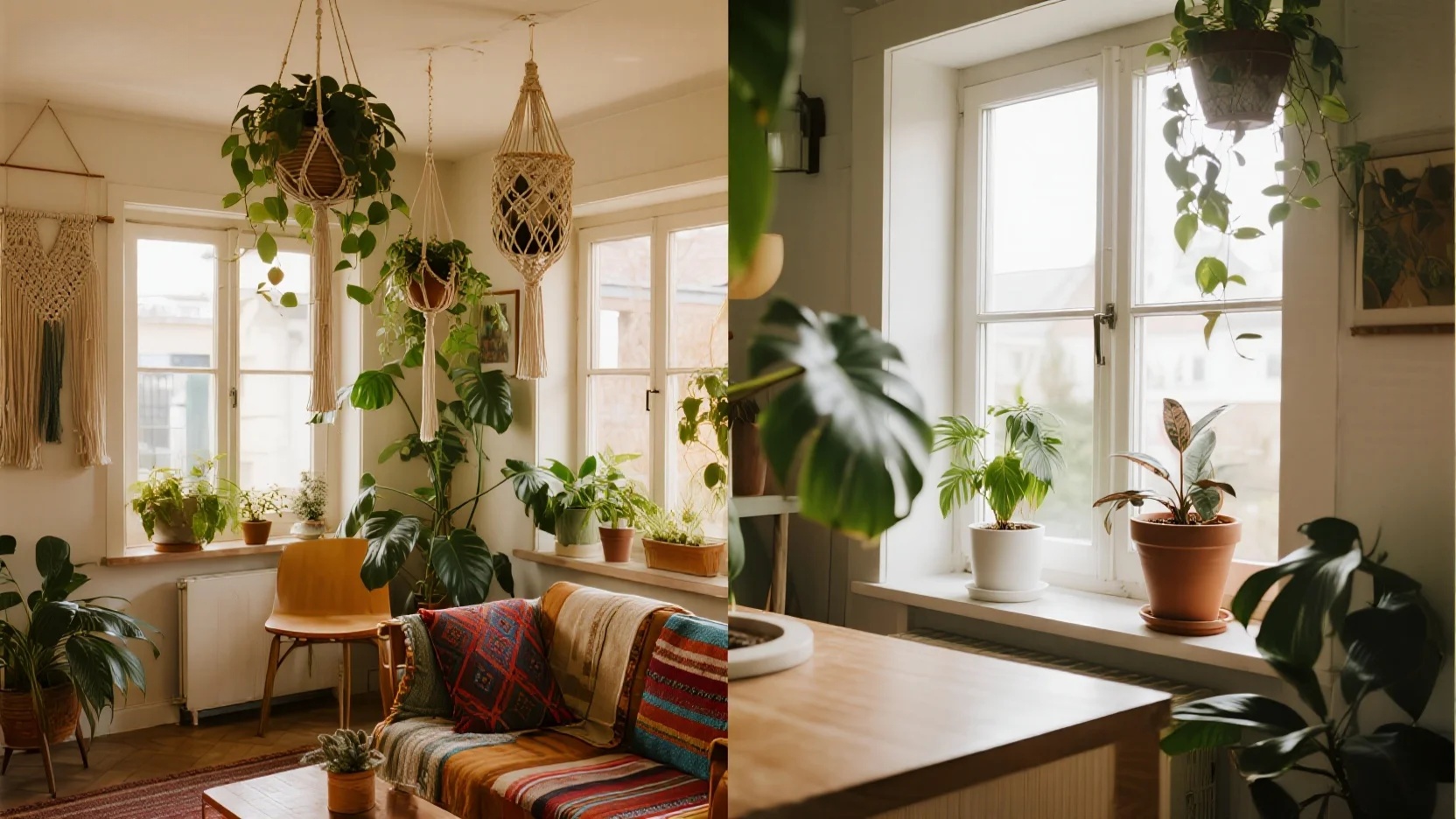
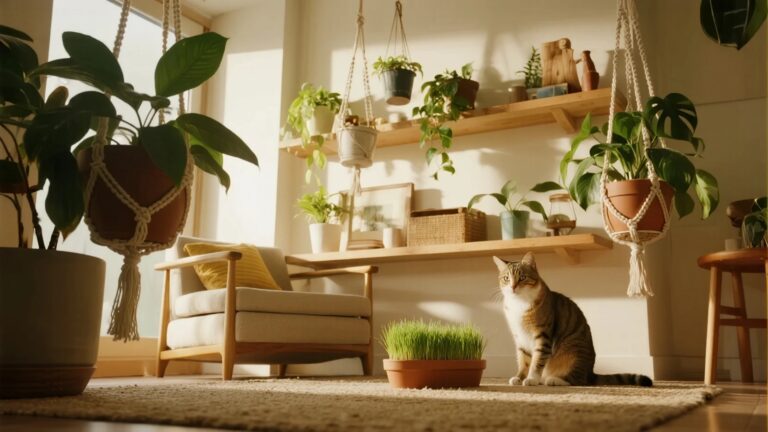
- Use tall shelves, floating wall mounts, or macramé hangers to keep plants out of paw’s reach.
- Cats are less likely to climb sheer surfaces, so opt for smooth-sided shelves.
- Create a “Catio” Zone
- Designate a pet-safe area with cat grass or catnip to distract your feline from other plants.
- Use vertical scratchers with integrated plant shelves to redirect climbing instincts.
- Deterrents That Work
- Sprinkle citrus peels or use pet-safe bitter sprays on pots (cats hate the smell).
- Place double-sided tape or aluminum foil around plant bases—most cats avoid these textures.
- Terrariums & Closed Displays
- Glass cloches or geometric terrariums keep plants visible but inaccessible.
- Perfect for small succulents or ferns that need humidity.
- Fake It ‘Til You Make It
- Incorporate high-quality artificial plants in hard-to-reach spots for added greenery without risk.
Part 4: Emergency Steps If Your Pet Eats a Toxic Plant
- Identify the Plant – Snap a photo or bring a sample to the vet.
- Contact Your Vet or Animal Poison Control – (ASPCA Animal Poison Control: 888-426-4435)
- Watch for Symptoms – Vomiting, diarrhea, lethargy, or difficulty breathing.
Conclusion: Harmony Is Possible
You don’t have to choose between being a plant parent and a pet owner. By selecting non-toxic plants, leveraging vertical space, and using clever deterrents, you can create a lush, safe home that everyone—including your curious cat—can enjoy. Remember, a little planning goes a long way in preventing disasters and fostering a happy, green haven.
Now, go forth and decorate—responsibly!