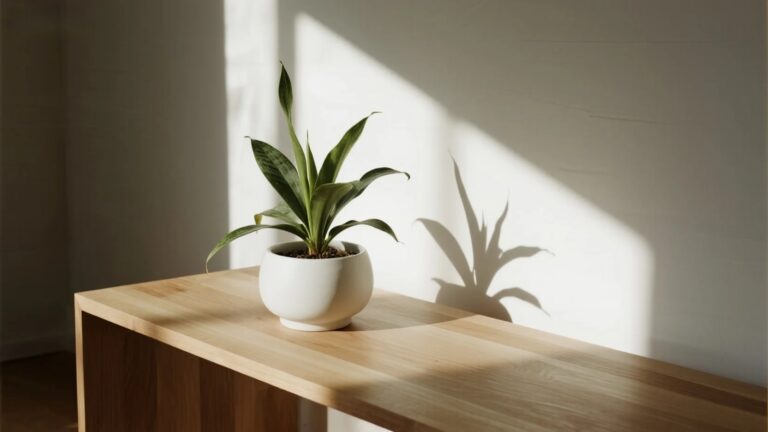
The minimalist philosophy, at its core, is about intentionality. It’s the pursuit of a life with less clutter, less noise, and less distraction, so we can make room for more of what truly matters. But where do living, breathing things fit into this equation? Specifically, plants.
For anyone curating a minimalist space, the question of incorporating greenery can present a genuine dilemma. Is it just more stuffto manage, or is it a source of unparalleled tranquility? This debate is alive and well in minimalist communities, like a recent and insightful discussion on Reddit’s r/minimalism. Let’s break down both sides.
The Case for “Clutter”: When Plants Feel Like a Burden
For some, plants represent everything minimalism seeks to avoid. The arguments against them are often practical and psychological.
- The Maintenance Clutter: Minimalism aims to reduce chores and mental load. Plants introduce a new set of tasks: watering, pruning, repotting, and diagnosing mysterious brown spots. As one Reddit user pointed out, a seemingly low-maintenance spider plant can become a burden when it grows and requires repotting and propagating its “pups,” creating a sense of obligation they didn’t anticipate. It’s not just physical labor; it’s the mental responsibility of keeping another living thing alive.
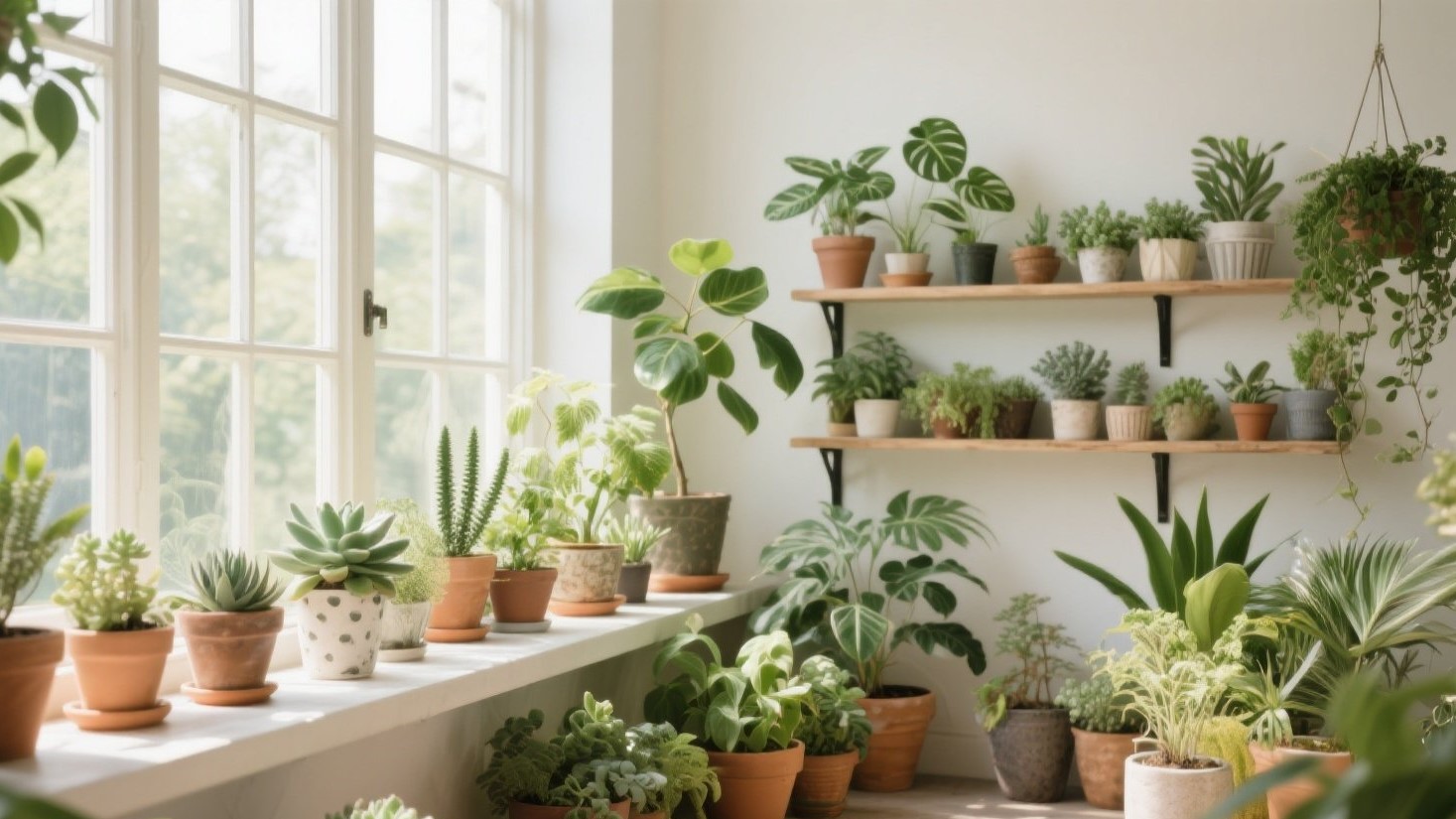
- The Spatial Clutter: Every object in a minimalist home must justify its space. A large Fiddle Leaf Fig or a collection of smaller pots occupies precious real estate on floors, shelves, and windowsills. For those who cherish clear, open surfaces and negative space, a plant can feel like an intrusion, another item that needs to be cleaned around and managed.
- The Emotional Clutter: This is perhaps the most interesting paradox. A commenter on the thread astutely noted that plants are so inexpensive one could theoretically walk away from them. But another user immediately countered, saying, “walking away from my plants would be like walking away from a house pet.”This emotional attachment, while beautiful, is a form of commitment. It can make moving or traveling more complicated and can lead to guilt or failure if the plant doesn’t thrive.
The Case for “Calm”: When Plants Are the Ultimate Minimalist Addition
On the other side of the debate, many argue that plants are not an exception to minimalism—they are its ultimate expression. They believe a plant isn’t just another object; it’s an experience.
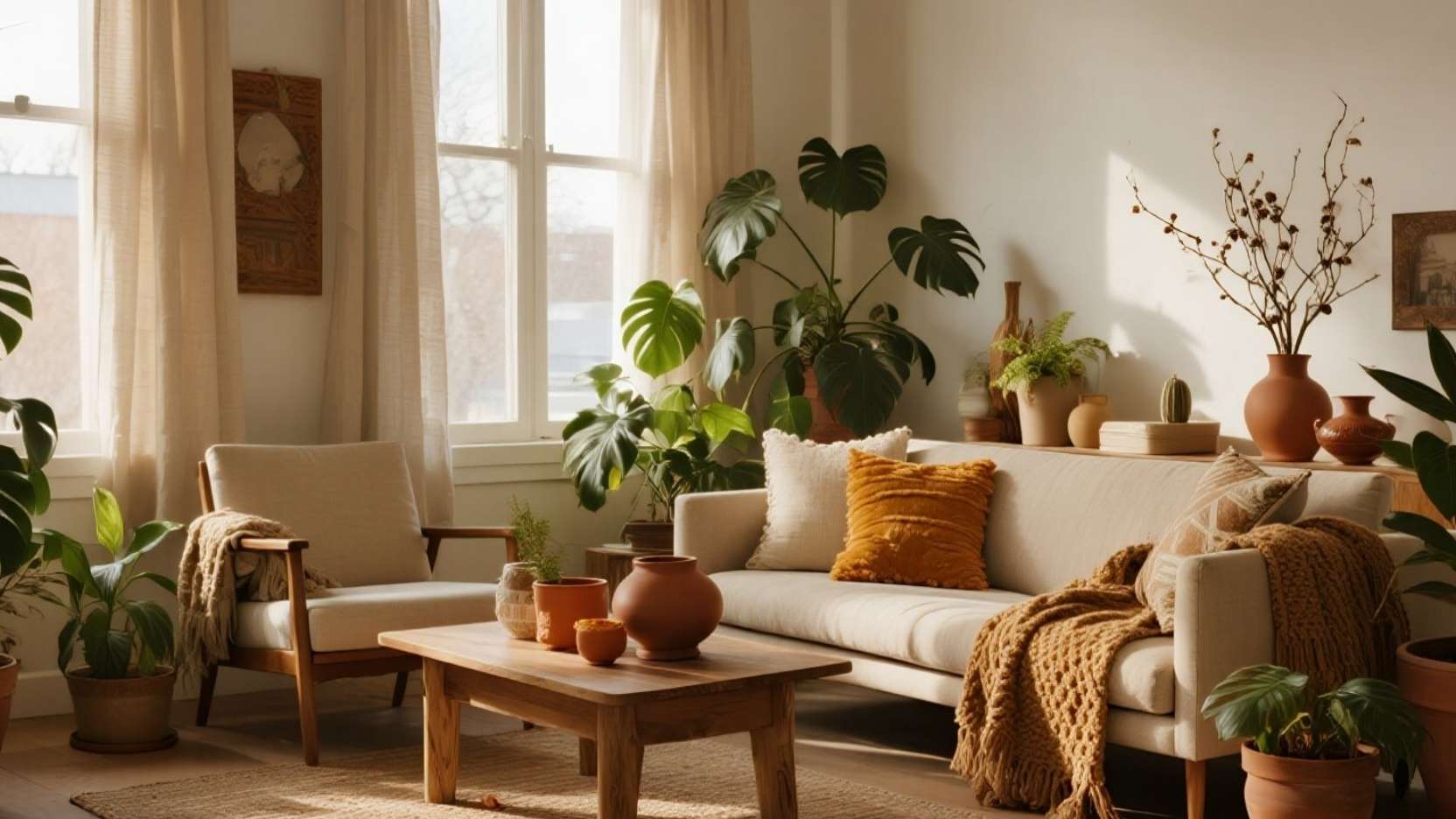
- The Aesthetic of Life: Minimalist spaces can sometimes risk feeling sterile or cold. Plants are the antidote. A single, well-chosen plant adds texture, color, and a dynamic, living energy that no piece of art or furniture can replicate. It’s decoration that grows and changes, ensuring the space never feels static or lifeless. As one user simply put, “They are the decoration. I don’t need anything else.”
- The Mental Health Sanctuary: This was a powerful and recurring theme. For many, plant care is not a chore; it’s a ritual. A user named
fork_yeahshared, “For me, taking time out of my week to water my plants is a form of meditation. I’m not looking at a screen… I’m just looking at their interesting leaves and observing new growth.”In a world of digital overload, the simple, mindful act of caring for a plant provides a tangible connection to the present moment and the natural world. It’s a practice in nurturing and patience, offering a unique sense of accomplishment as you watch something flourish under your care. - The Functional Purifier: Beyond beauty and mental calm, plants serve a practical purpose. They purify the air. The NASA Clean Air Study was cited in the thread, highlighting the functional benefit of certain plants removing toxins from your home environment. This aligns perfectly with minimalism’s value of optimizing your surroundings for your well-being.
The Verdict: It’s All About Intentionality
So, who wins the debate? Is a plant clutter or calm?
The resounding answer from the community is that it depends on you.
Minimalism isn’t a strict set of rules about what you can and cannot own. It’s about making conscious choices. A plant becomes “clutter” if it’s acquired without thought, fails to bring you joy, and adds stress to your life. It becomes “calm” if you consciously choose it for the value it adds—be it beauty, a mindful hobby, or cleaner air.
The key is to be honest with yourself.
- If you’re a notorious plant killer, start with one ultra-low-maintenance plant like a Snake Plant or ZZ Plant. See how it makes you feel.
- If you fear commitment, remember that it’s okay to enjoy a plant for a season and pass it on if it no longer serves you.
- Curate your greenery as you would any other possession. Choose plants that truly spark joy and fit your space and lifestyle.
As one Redditor perfectly summarized, “Minimalism isn’t about deprivation… It is done sparingly and tastefully. There is no clutter, just a warm cozy environment.”For many, plants are the soul of that environment.
We’d love to hear from you: Where do you stand in this dilemma? Does a plant in your home represent clutter, or does it bring you calm?