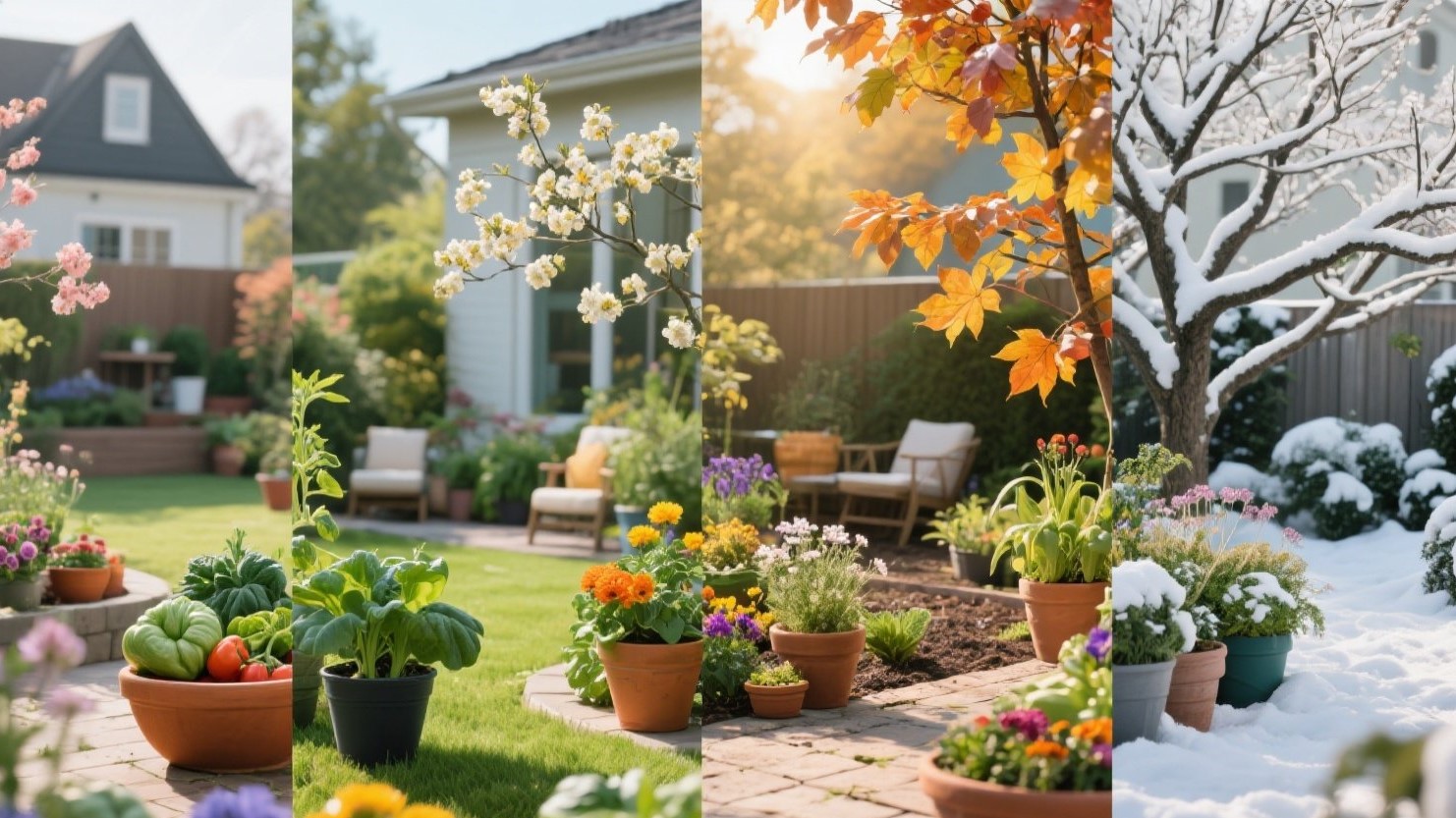
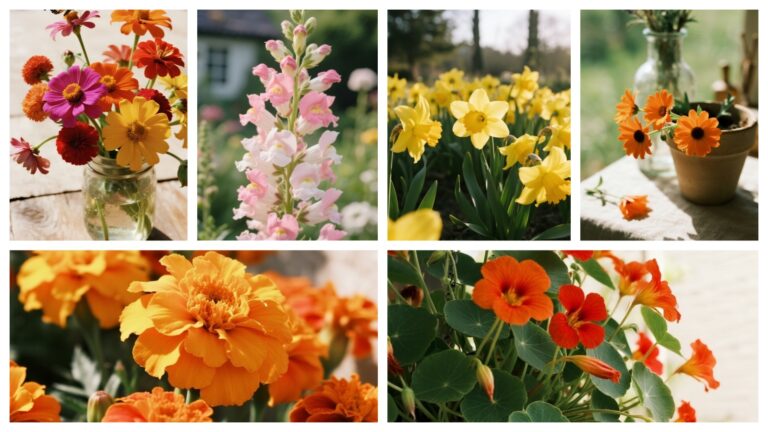
Feeling that urge to grow something beautiful this spring, but worried your “black thumb” will strike again? You’re not alone. Over on Reddit’s r/gardening community, new plant parents constantly ask for the most forgiving, beginner-friendly flowers.
The good news is that many stunning spring blooms are incredibly resilient and require minimal effort. They’re perfect for building your confidence. We’ve compiled a list of the 10 easiest spring flowers to grow, based on horticultural advice and the shared wisdom of fellow gardening enthusiasts. These plants are your surefire ticket to a colorful garden success story.
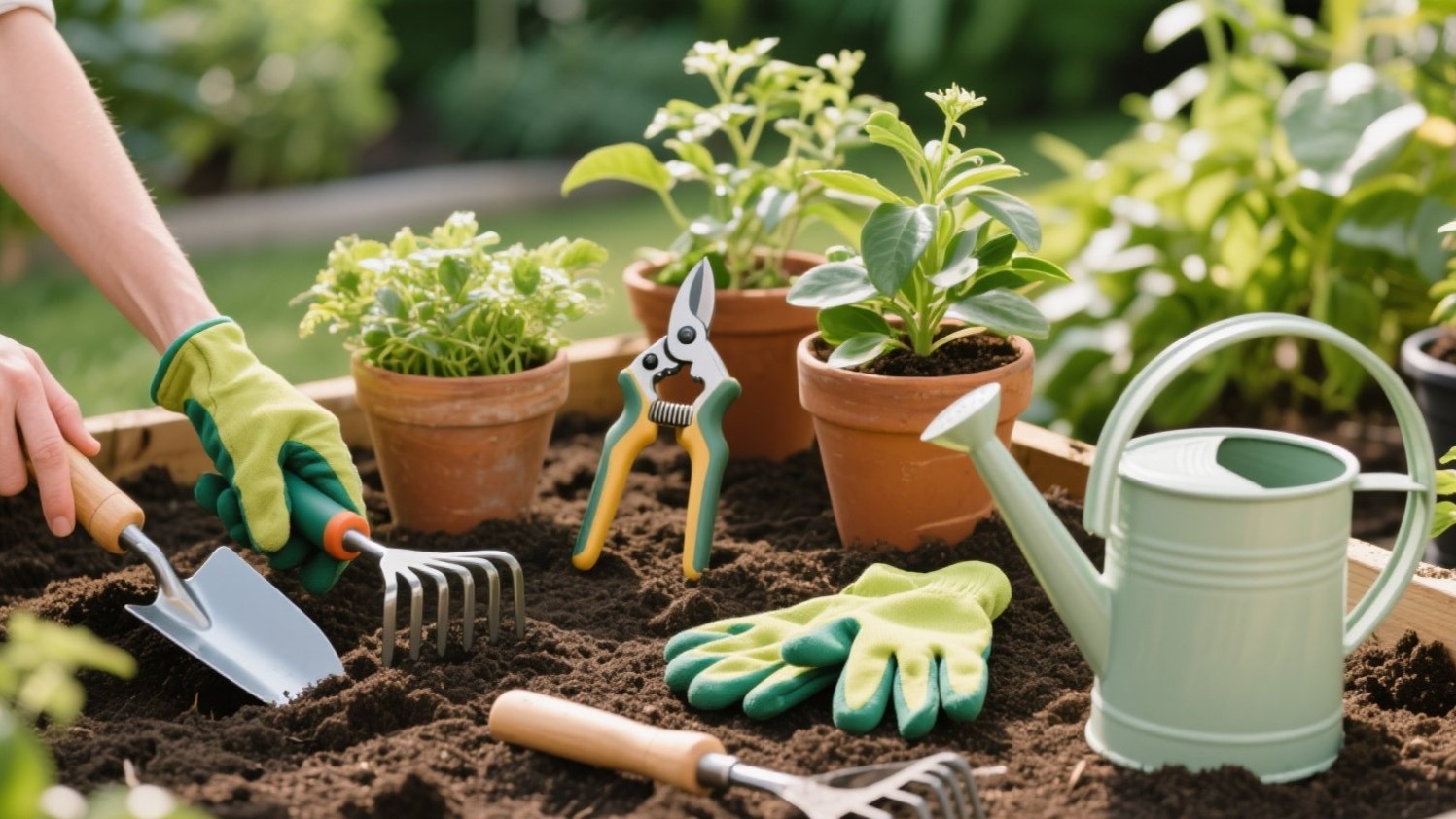
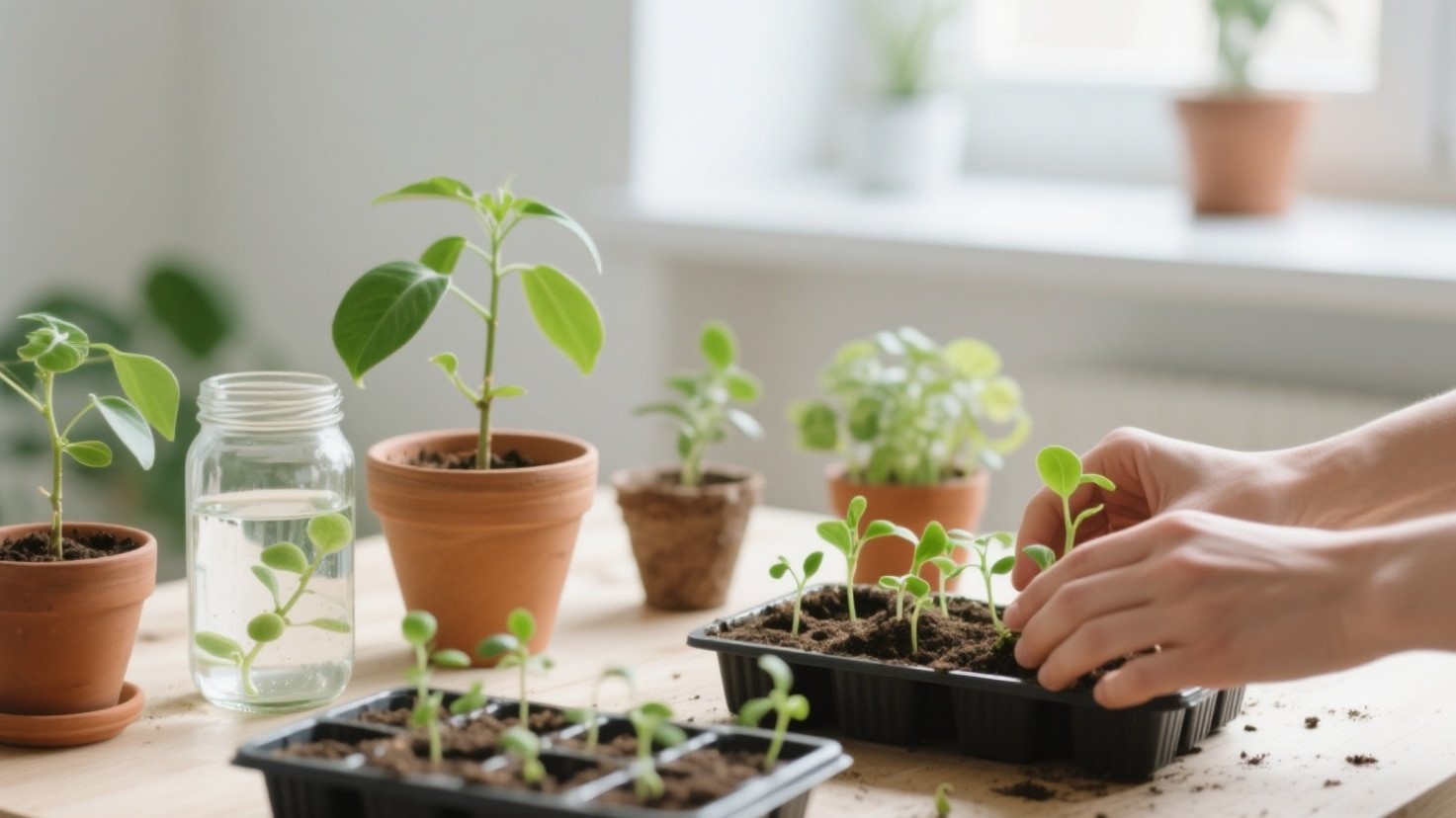
Pro-Tip for Beginners: For almost all these plants, the easiest way to start is by buying “starts” or young plants from a local nursery in the spring. This skips the more challenging seed-starting process and gets you closer to blooms!

1. Pansies (& Violas)
The ultimate cheerful beginner’s flower. Pansies are tough, cold-tolerant, and bloom their heads off for months.
- Sun: Full sun to partial shade.
- Water: Keep soil moist. Water when the top inch of soil feels dry.
- Why They’re Easy: They are surprisingly cold-hardy and can even survive a light frost. Deadheading (pinching off dead flowers) is simple and encourages more blooms.
- Avoid This Mistake: Planting them when it’s still too hot. They thrive in the cool weather of early spring and fall.

2. Daffodils (Narcissus)
If you plant one thing, make it daffodils. They are the definition of “plant it and forget it.”
- Sun: Full sun to partial shade.
- Water: Water after planting and then naturally from rain. They are drought-tolerant once established.
- Why They’re Easy: Squirrels and deer won’t eat the bulbs (they’re poisonous). They naturalize, meaning they multiply and come back year after year with zero effort from you.
- Avoid This Mistake: Cutting down the foliage right after they bloom. Let the leaves turn yellow and die back naturally; this is how the plant stores energy for next year’s show.

3. Tulips
A classic spring icon that is much easier to grow than people think, especially for a single season of color.
- Sun: Full sun.
- Water: Water after planting. They prefer well-draining soil and don’t like to sit in soggy ground.
- Why They’re Easy: The bulb contains everything the flower needs to bloom in its first spring. For beginners, treat them as annuals for a guaranteed, spectacular display.
- Avoid This Mistake: Planting bulbs upside down. Plant with the pointy end up! Also, avoid overwatering, which causes bulbs to rot.

4. Nasturtiums
Fast-growing, vibrant, and even edible! Their peppery leaves and flowers are great in salads.
- Sun: Full sun.
- Water: Water regularly, but they actually prefer slightly drier, less fertile soil. Too much fertilizer gives you leaves but no flowers.
- Why They’re Easy: You can grow these from seeds very easily. The seeds are large and germinate quickly. They also help repel bad bugs from your garden.
- Avoid This Mistake: Babying them with too much water and fertilizer. A little neglect is actually good for nasturtiums.

5. Marigolds
A powerhouse in the garden. Their bright flowers bloom relentlessly, and they help deter pests.
- Sun: Full sun.
- Water: Water at the base of the plant (not the leaves) and allow the soil to dry out between waterings.
- Why They’re Easy: They are virtually pest-free due to their strong scent. They grow quickly from seeds or nursery starts and bloom from spring until frost.
- Avoid This Mistake: Planting them in heavy shade. They will become leggy and fail to bloom without plenty of sun.

6. Snapdragons
These charming flowers bring height and a fun, “snapping” element to the garden that kids love.
- Sun: Full sun.
- Water: Keep soil evenly moist, watering at the base of the plant.
- Why They’re Easy: They are cool-season annuals, meaning they thrive in the spring’s milder temperatures and can handle a chill. They are great for cut flowers.
- Avoid This Mistake: Giving up on them in the summer heat. They may slow down, but often bounce back with a second show in the fall.

7. Sweet Alyssum
This low-growing plant creates a beautiful carpet of tiny, honey-scented flowers.
- Sun: Full sun to partial shade.
- Water: Water regularly, especially when first planted. It’s somewhat drought-tolerant once established.
- Why They’re Easy: It’s a prolific self-seeder. Plant it once, and you’ll likely find little volunteers popping up in your garden next year.
- Avoid This Mistake: Not using it as a “living mulch” to fill in empty spaces between other plants and suppress weeds.

8. Calendula (Pot Marigold)
Another edible, medicinal flower that is incredibly simple to grow from seed.
- Sun: Full sun to partial shade.
- Water: Water regularly but moderately.
- Why They’re Easy: It readily self-seeds, ensuring future generations of plants with no extra work. It blooms for a very long time.
- Avoid This Mistake: Confusing it with common marigolds (Tagetes). While both are easy, Calendula is the one used for soothing skin salves and culinary purposes.

9. Sunflowers
The ultimate confidence-builder. Their rapid, dramatic growth is incredibly rewarding for new gardeners.
- Sun: Full sun (at least 6-8 hours).
- Water: Water deeply once a week, encouraging deep root growth.
- Why They’re Easy: The seeds are large and easy to handle. They germinate and grow astonishingly fast. Choose dwarf varieties for containers or giant ones for a wow factor.
- Avoid This Mistake: Planting them too close together or in a windy area without support for tall varieties.

10. Zinnias
For a riot of color that lasts all the way until frost, you can’t beat zinnias. They are a magnet for butterflies.
- Sun: Full sun.
- Water: Water at the soil level to avoid powdery mildew on the leaves. They are heat and drought-tolerant.
- Why They’re Easy: You can directly sow the seeds into the ground after the last frost. The more you cut them for bouquets, the more they bloom!
- Avoid This Mistake: Overhead watering. Watering the leaves instead of the base can promote fungal disease.
Final Beginner’s Tip: Start small! Don’t feel like you need to plant all ten. Pick two or three that make you happy and focus on them. Gardening is a learning process, and these ten plants are the most forgiving teachers you’ll ever have.