Pruning isn’t just about keeping your garden tidy—it’s an essential skill that promotes plant health, encourages growth, and enhances aesthetics. Whether you’re working with delicate flowers, bushy shrubs, or towering trees, knowing the right techniques can make all the difference. In this guide, we’ll walk you through step-by-step pruning strategies, helping your garden thrive while looking beautiful.
🌟 Why Pruning Matters
Pruning is more than a cosmetic task. Here’s why it’s essential:
- Promotes Healthy Growth: Removing dead or diseased branches allows the plant to redirect energy to new growth.
- Shapes Plants for Aesthetics: Well-pruned shrubs and trees look tidy and intentional rather than overgrown.
- Improves Flowering & Fruit Production: Correct pruning encourages blooms and increases yields in fruit-bearing plants.
- Prevents Hazards: Cutting back weak or overhanging branches reduces the risk of damage to property or people.
🪴 Pruning Tools You’ll Need
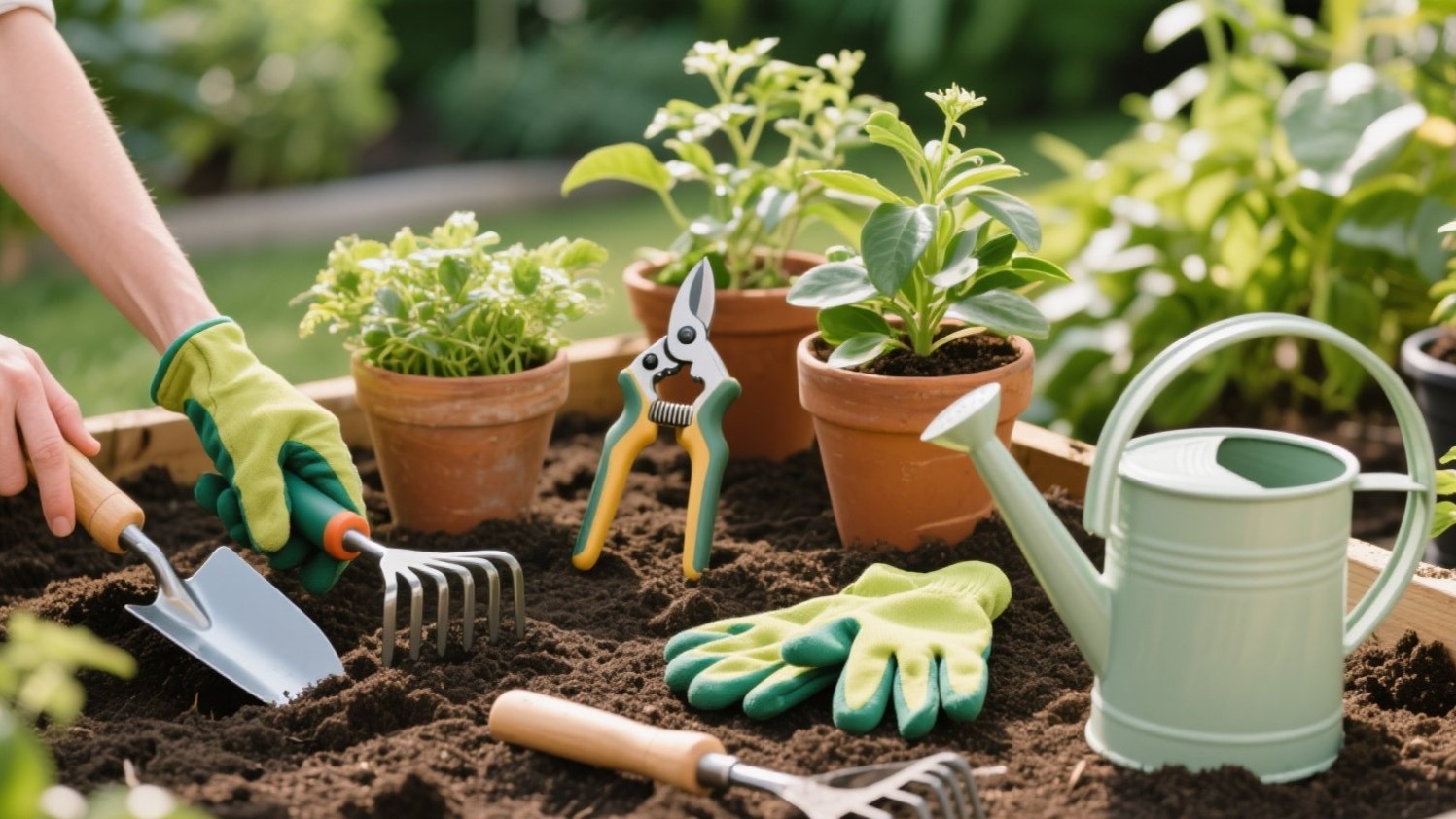
Before starting, equip yourself with the right tools:
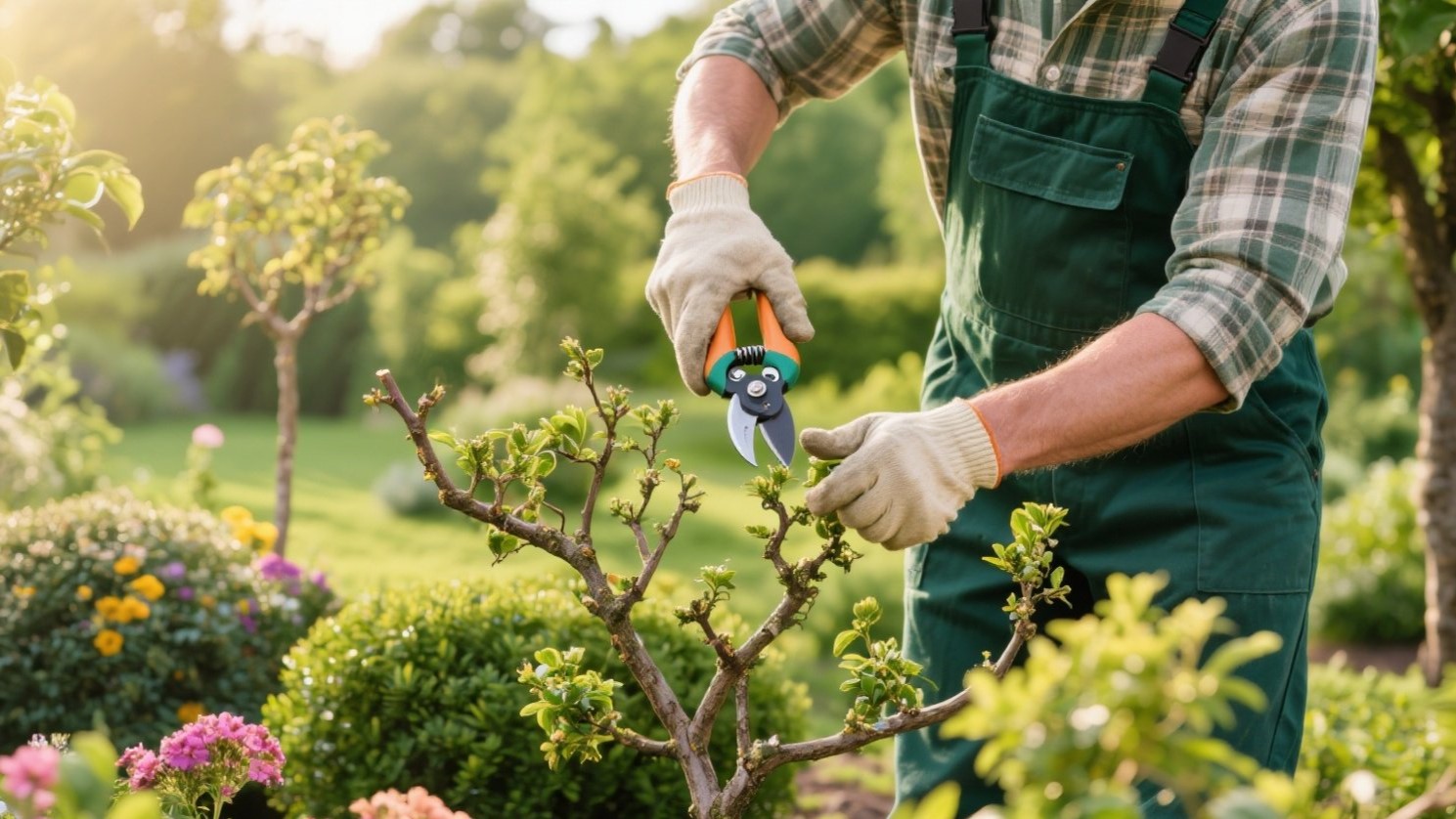
- Hand Pruners: For small branches and flowers.
- Loppers: For medium-sized branches (1–2 inches thick).
- Pruning Saw: For large branches and small tree limbs.
- Gloves & Safety Gear: Protect hands and eyes while working.
- Disinfectant: Clean tools to prevent spreading disease.
✂️ Step-by-Step Pruning Techniques
1. Flowers 🌸
- Identify dead, damaged, or faded blooms.
- Cut just above a leaf node or healthy bud at a 45-degree angle.
- For perennials, trim old stems after flowering to promote new growth.
Tip: Deadheading encourages repeat flowering and keeps plants looking fresh.
2. Shrubs 🌳
- Remove crossing or crowded branches to improve air circulation.
- Cut branches at their point of origin rather than leaving stubs.
- Thin older branches to stimulate growth of younger shoots.
- Shape for appearance: lightly trim around the edges to maintain symmetry.
Tip: Avoid heavy pruning in late fall; spring or early summer is often best.
3. Trees 🌲
- Start by removing dead, diseased, or weak branches.
- Focus on branches that cross or rub against others.
- For larger branches, use the three-cut method to avoid tearing the bark:
- Undercut 12–18 inches from trunk.
- Make top cut slightly further out.
- Finish by cutting at the branch collar near the trunk.
- Avoid topping trees—prune selectively to maintain natural shape.
Tip: For fruit trees, prune to create an open canopy, allowing sunlight and air to reach all branches.
💡 Extra Tips for Pruning Success
- Know Your Plant: Research species-specific pruning requirements.
- Don’t Overdo It: Removing more than 25% of a plant at once can stress it.
- Clean Cuts Are Key: Use sharp tools to avoid jagged edges that invite disease.
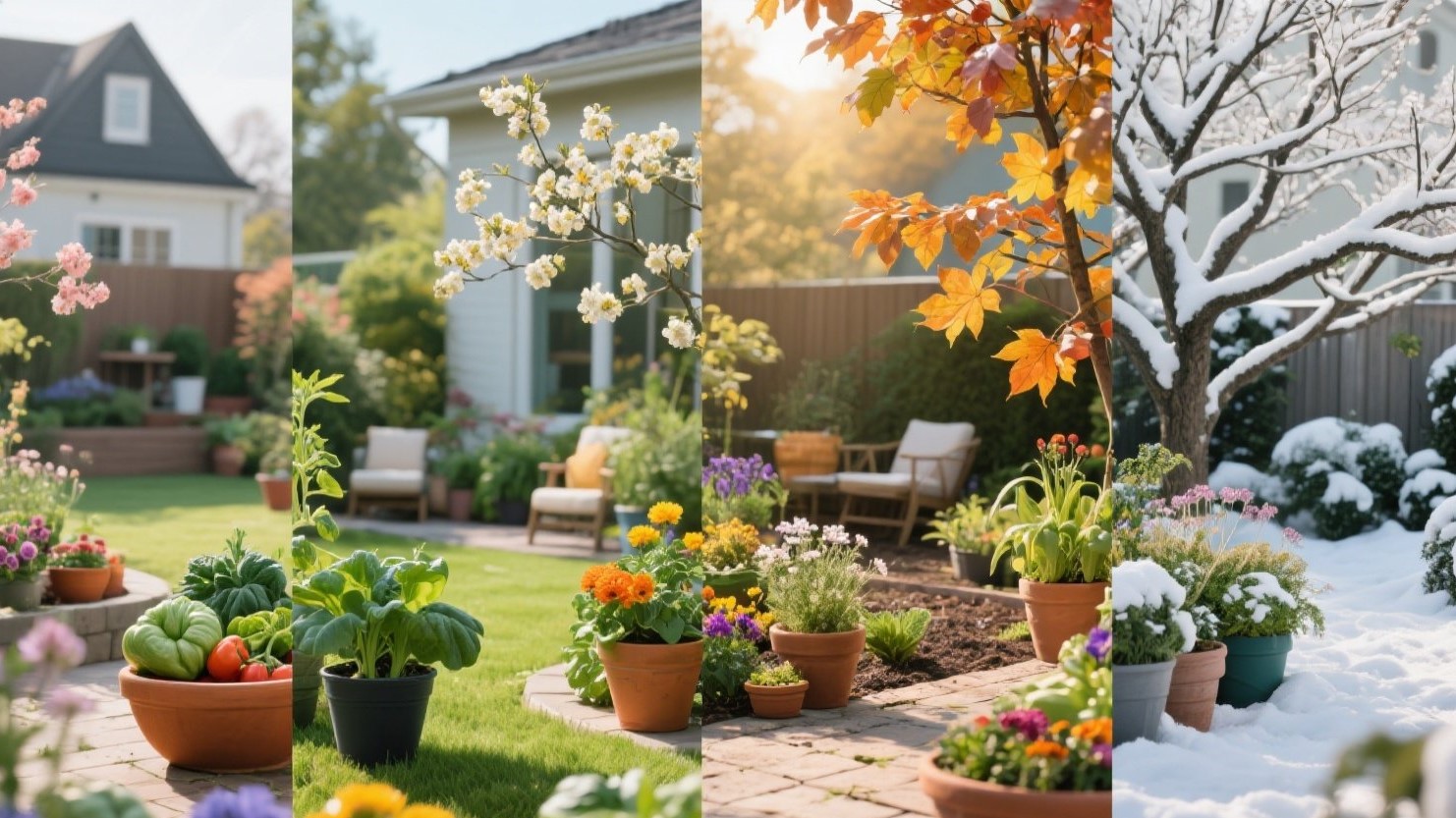
- Timing Matters: Flowering plants, shrubs, and trees each have optimal pruning seasons.
- Mulch & Water After Pruning: Helps plants recover and encourages healthy growth.
📝 Final Thoughts
Pruning may seem intimidating at first, but with the right techniques, tools, and timing, it becomes a rewarding part of gardening. By carefully trimming flowers, shrubs, and trees, you not only boost plant health but also create a visually stunning garden. With practice, you’ll be pruning like a pro in no time—enhancing beauty, productivity, and longevity for all your plants. 🌿💚