One of the most common mistakes plant lovers make is watering incorrectly. Too much water can drown roots, while too little can leave plants dehydrated and stressed. Whether you have indoor houseplants, a balcony garden, or an outdoor yard, learning how to water efficiently is key to healthy, thriving plants. This guide breaks down the essentials of smart watering and offers practical tips for keeping your greenery happy.
🌟 Why Proper Watering Matters
Water is essential for plants, but the right balance is crucial:
- Prevents Root Rot: Overwatering suffocates roots and invites fungal diseases.
- Avoids Wilting & Stress: Underwatering leads to droopy leaves, slow growth, and poor flowering.
- Promotes Nutrient Uptake: Adequate water ensures roots can absorb essential nutrients efficiently.
- Supports Photosynthesis: Consistent hydration helps plants convert sunlight into energy effectively.
💧 Signs of Overwatering vs. Underwatering
Overwatering 🚫
- Yellowing, soft, or mushy leaves
- Fungus or mold on soil surface
- Root rot or unpleasant smell from soil
- Slow or stunted growth
Underwatering 🌵
- Dry, brittle leaves or leaf drop
- Soil pulling away from the pot edges
- Slow growth or brown leaf tips
- Wilting even after morning watering
Tip: Observing your plant regularly is the first step toward efficient watering.
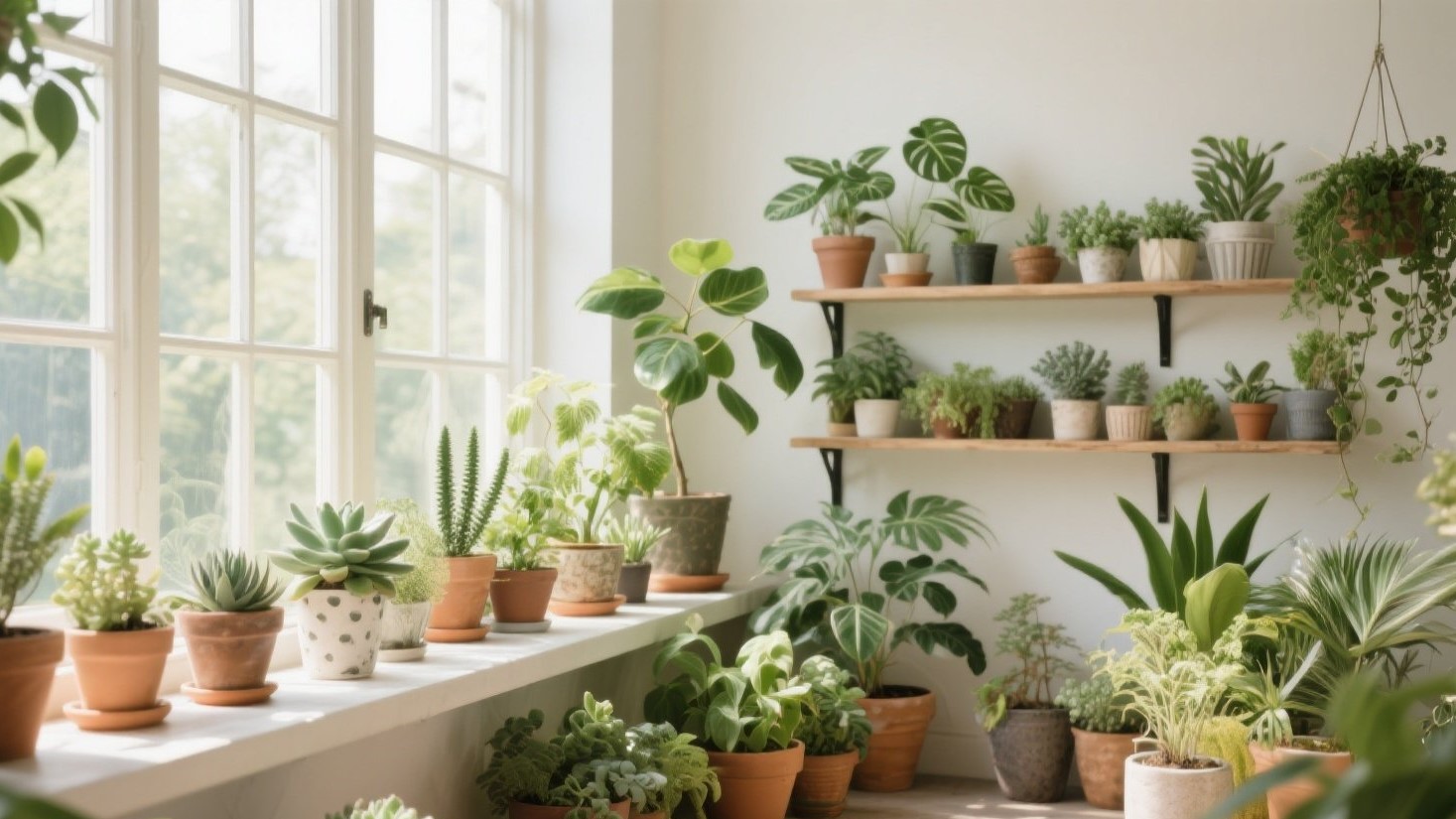
🌿 How to Water Indoor Plants Efficiently
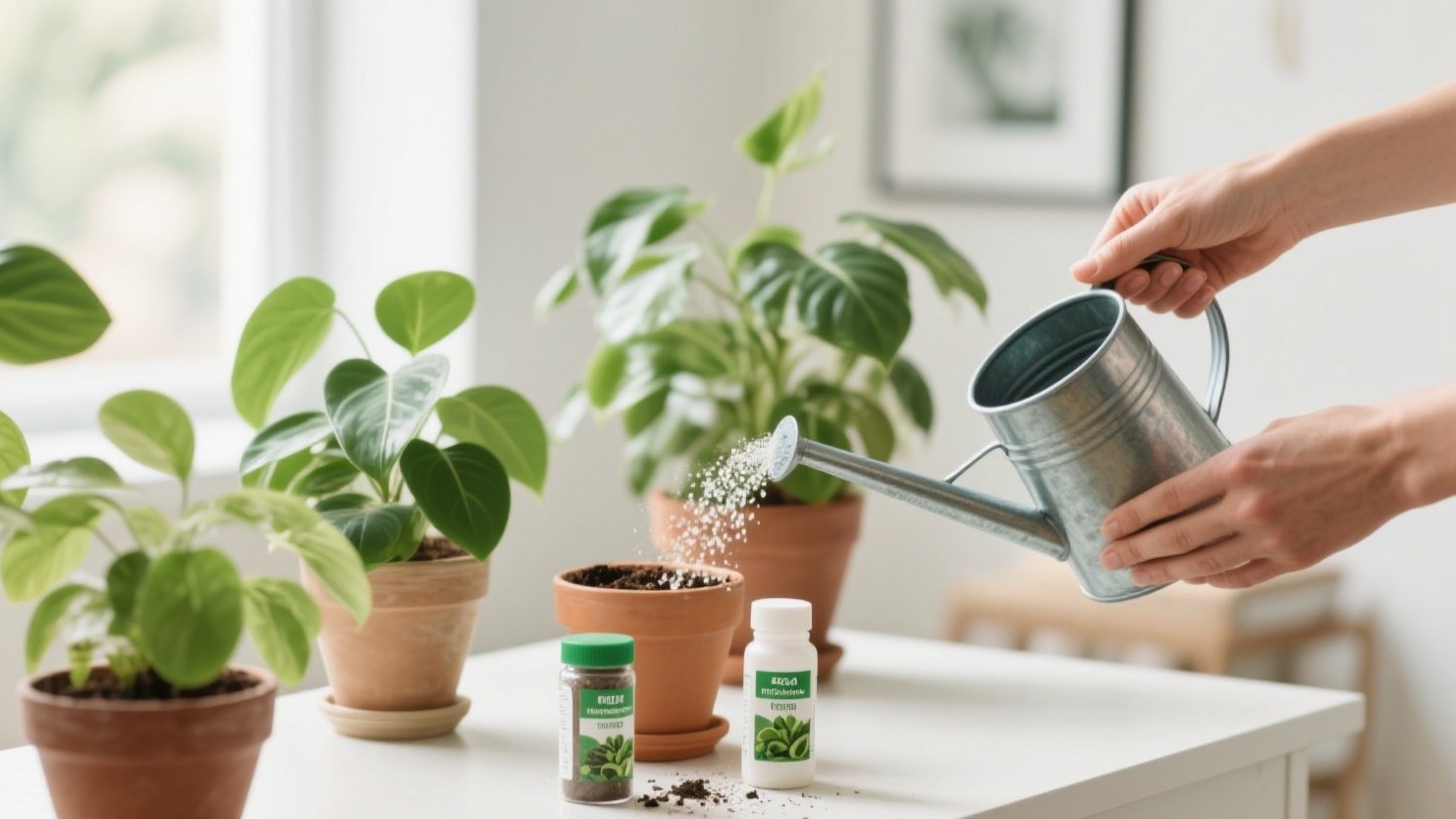
- Check the Soil First: Insert your finger 1–2 inches into the soil. If it feels dry, it’s time to water.
- Use Proper Drainage: Ensure pots have holes; excess water should flow out freely.
- Water Deeply, Not Frequently: Water until it reaches the roots, then allow soil to partially dry before watering again.
- Consider Plant Type: Succulents and cacti need less frequent watering, while tropical plants often require more consistent moisture.
- Use Room Temperature Water: Cold water can shock roots; lukewarm or room temperature is ideal.
🌱 How to Water Outdoor Plants Wisely
- Morning Watering is Best: Reduces evaporation and helps plants withstand heat.
- Mulch to Retain Moisture: Mulching around plants keeps soil cool and reduces water loss.
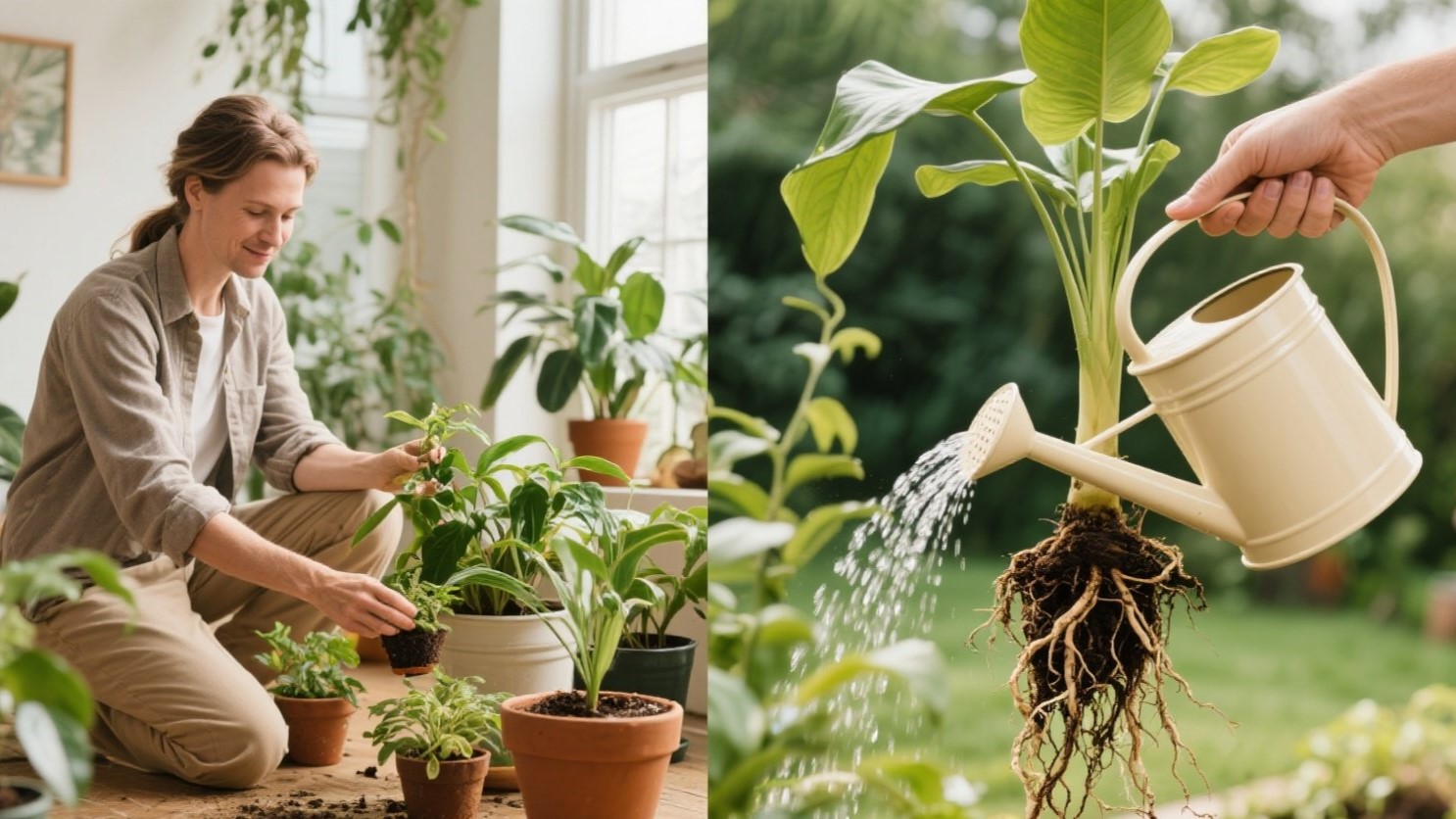
- Deep Watering Over Shallow: Encourage roots to grow deeper for stronger, drought-resistant plants.
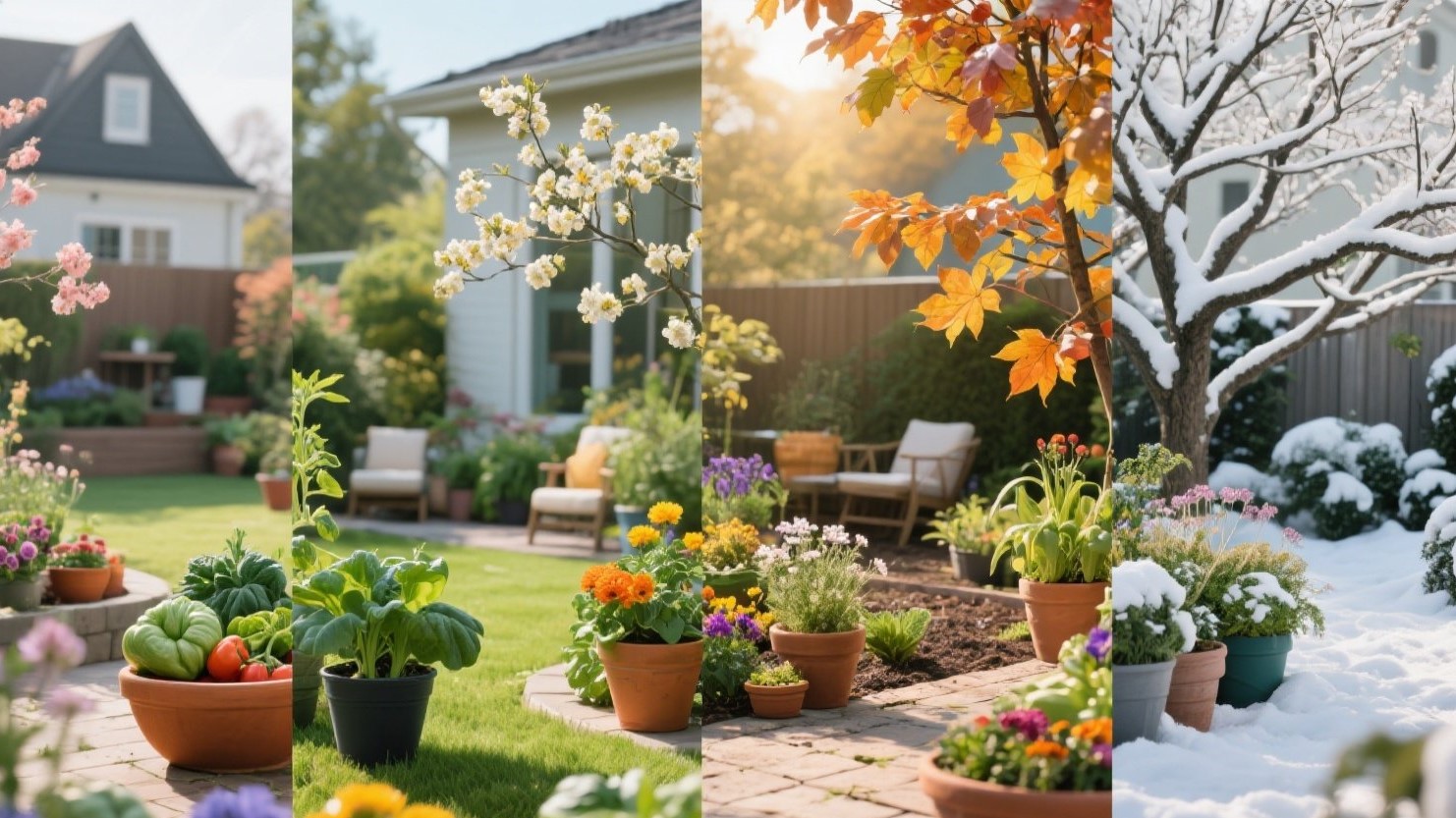
- Adjust Seasonally: Water more during hot, dry periods and less during rainy or cooler seasons.
- Use Efficient Tools: Soaker hoses, drip irrigation, or watering cans with narrow spouts target the root zone directly.
💡 Extra Tips for Watering Success
- Group Plants by Needs: Keep plants with similar water requirements together to avoid mistakes.
- Avoid Wetting Leaves: Water at soil level to reduce disease risk.
- Track Your Routine: Keep a watering schedule to maintain consistency.
- Observe & Adjust: Plants’ water needs can change with growth, seasons, or temperature fluctuations.
- Collect Rainwater: Sustainable and gentle on plants, especially for outdoor gardening.
📝 Final Thoughts
Mastering the art of watering is essential for any plant lover. By observing your plants, using proper techniques, and adjusting for seasons, you can prevent both overwatering and underwatering—helping your greenery flourish indoors and outdoors. Remember, healthy plants start with smart watering habits. 💚💦