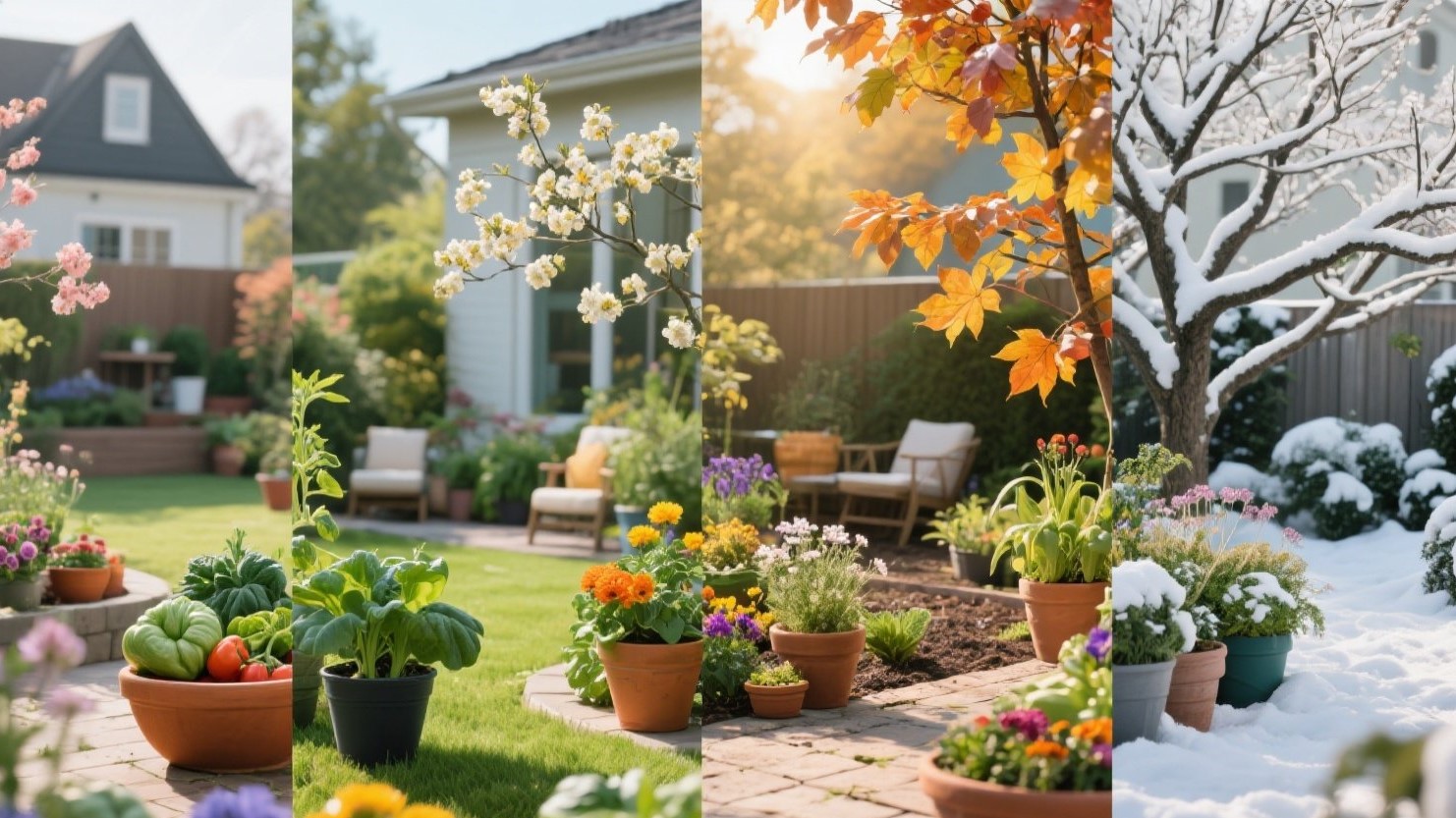
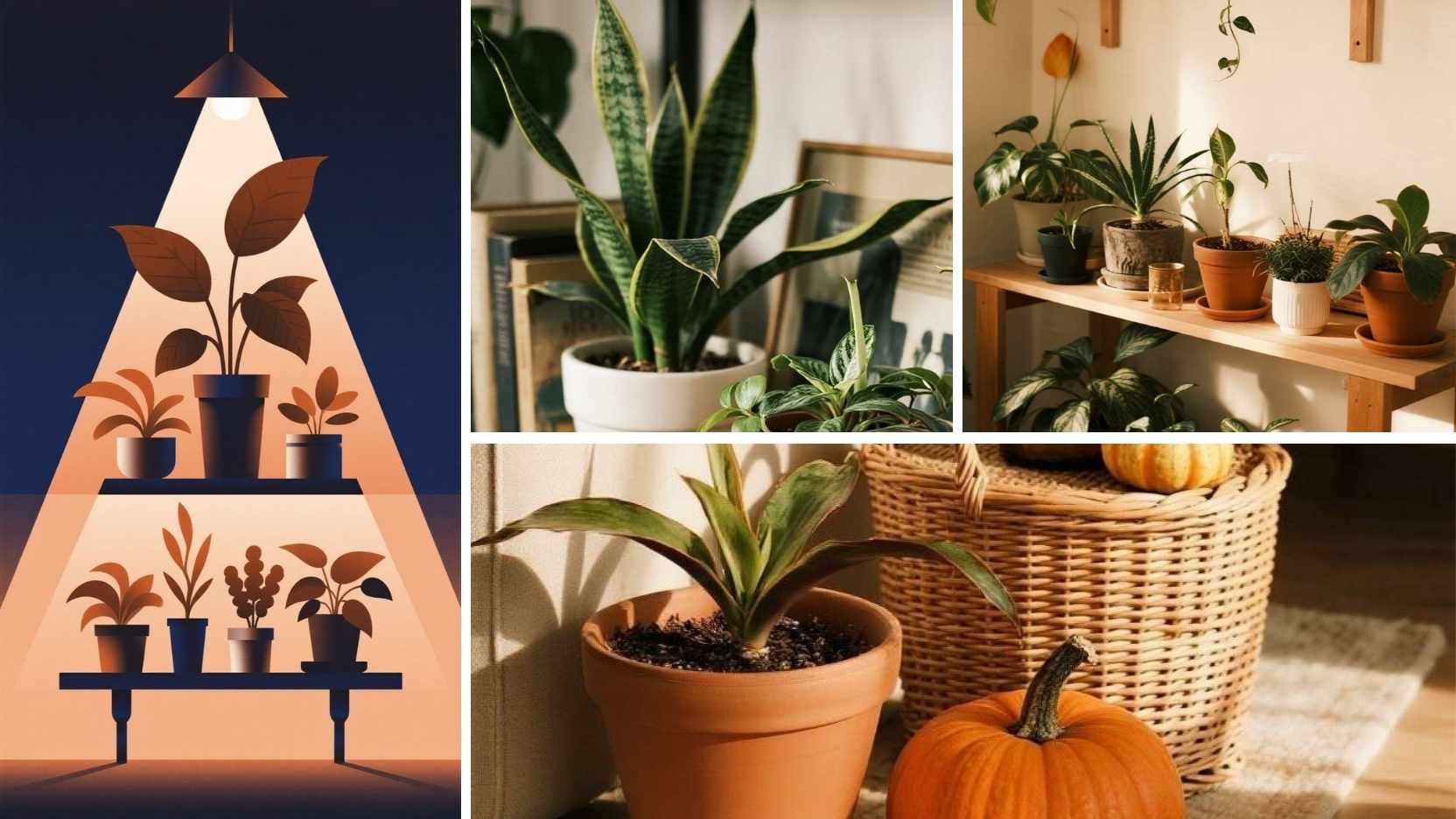
Introduction To The “High-Back, Low-Front” Rule 🍁
A lot of plant lovers reach autumn and suddenly want everything on one shelf, which often turns into a packed jungle instead of a calm, cozy corner. The “High-Back, Low-Front” rule is a simple layering trick that instantly makes your plants look styled, not stuffed. By using height like a gentle slope, you guide the eye, show off each plant, and keep your space feeling warm instead of crowded. 🌿
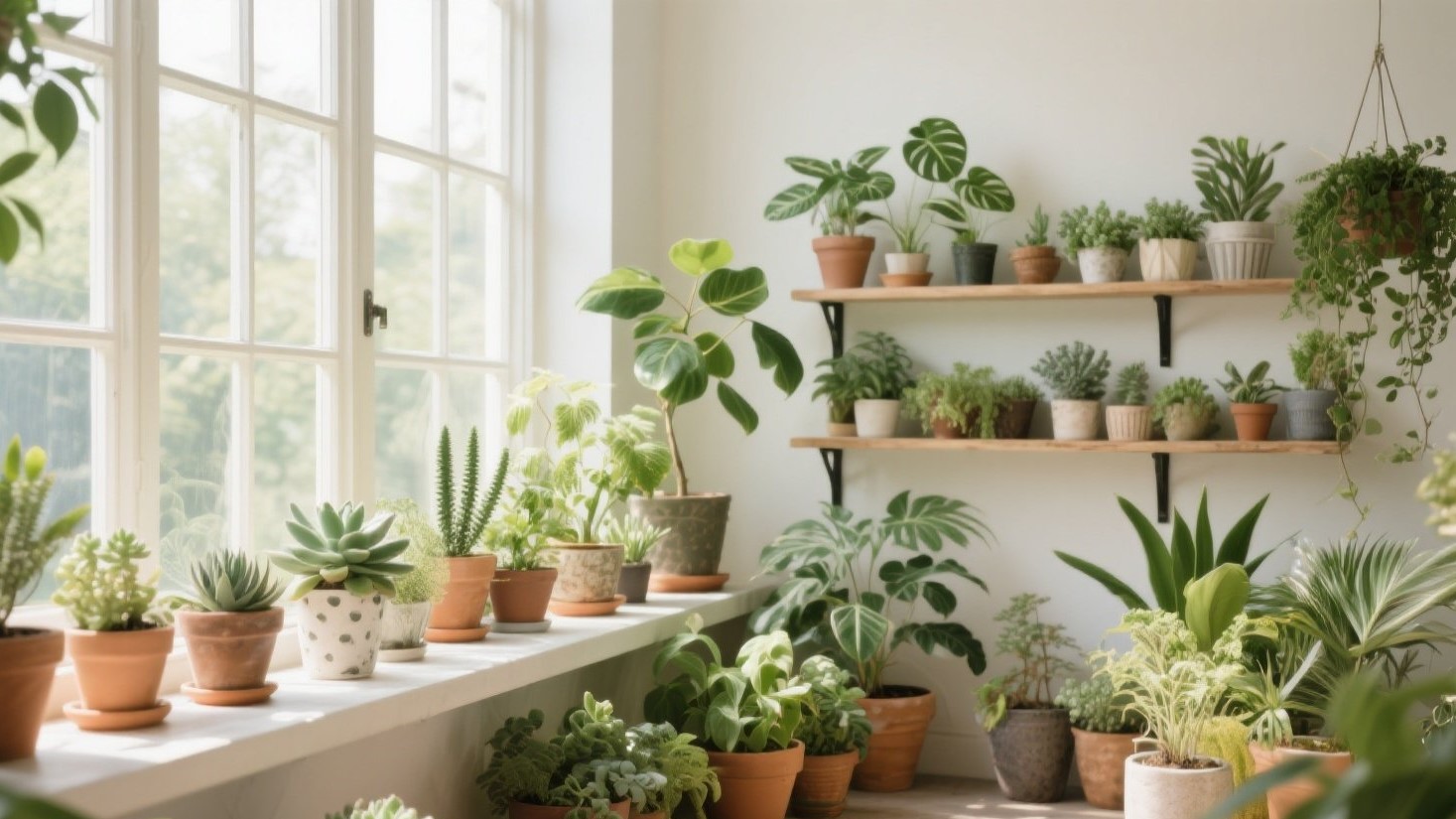
Think of your plant display like a small hillside in fall: tallest trees in the back, shrubs in the middle, and soft groundcover in front. This visual slope makes it easier to see each leaf and pot without anything getting lost. Once you understand this rule, you can apply it to bookshelves, console tables, window sills, and even the top of storage cabinets. ✨
Understanding The High-Back, Low-Front Layering Blueprint 🧱
The core idea is simple: your tallest plant lives at the back, and every plant in front of it should be slightly lower in height. This creates a soft diagonal line or wedge shape from back to front, which is naturally pleasing for the eye to follow. Instead of a flat “wall” of leaves, you get a layered look with depth and breathing room. 🌱
In design terms, you’re basically building a gentle triangle, which is one of the most stable shapes in visual styling. The highest point becomes your anchor, and everything else supports that main peak. This is why even a few plants, arranged with this rule, can look more intentional than a crowded shelf with many beautiful but randomly placed pots. 🍂

A Step-By-Step Demo With A Snake Plant, Medium Pot, And Trailing Friend 🌿
Start with a tall plant like a snake plant in a medium pot, and place it on a small riser or stack of sturdy books at the back of your shelf. Elevate it by about 6 inches so its leaves clearly rise above everything else, becoming your “back anchor.” This small height boost also helps the plant catch more light, especially in autumn when the sun sits lower. 📚
Next, place one or two medium-height plants in front, such as a peperomia or small philodendron. Make sure their top leaves sit below the snake plant’s mid-height, so they don’t compete with the back anchor. At the very front edge, add a trailing plant like pothos, letting vines spill gently downward to soften the shelf line. 🌿

Choosing Tall, Medium, And Trailing Plants For Autumn Vibes 🍃
For the “high-back” role, choose plants that grow upright and tolerate slightly lower autumn light, such as snake plant, ZZ plant, or dracaena. These plants are hardy, forgiving, and visually strong, which makes them perfect anchors. They also handle minor temperature changes well, which is helpful when windows are opened for cool fall air. 🌬️
For the middle row, look for leafy, medium-height plants that fill space without blocking views, like philodendron, peace lily, or prayer plants. At the front, choose trailing or low growers such as pothos, ivy, or string-of-hearts to create that soft edge. If you want more autumn mood, pick varieties with deep green, burgundy, or golden tones to echo fall colors in the rest of your decor. 🍁

Adding Autumn Warmth With Pots, Textures, And Color 🎃
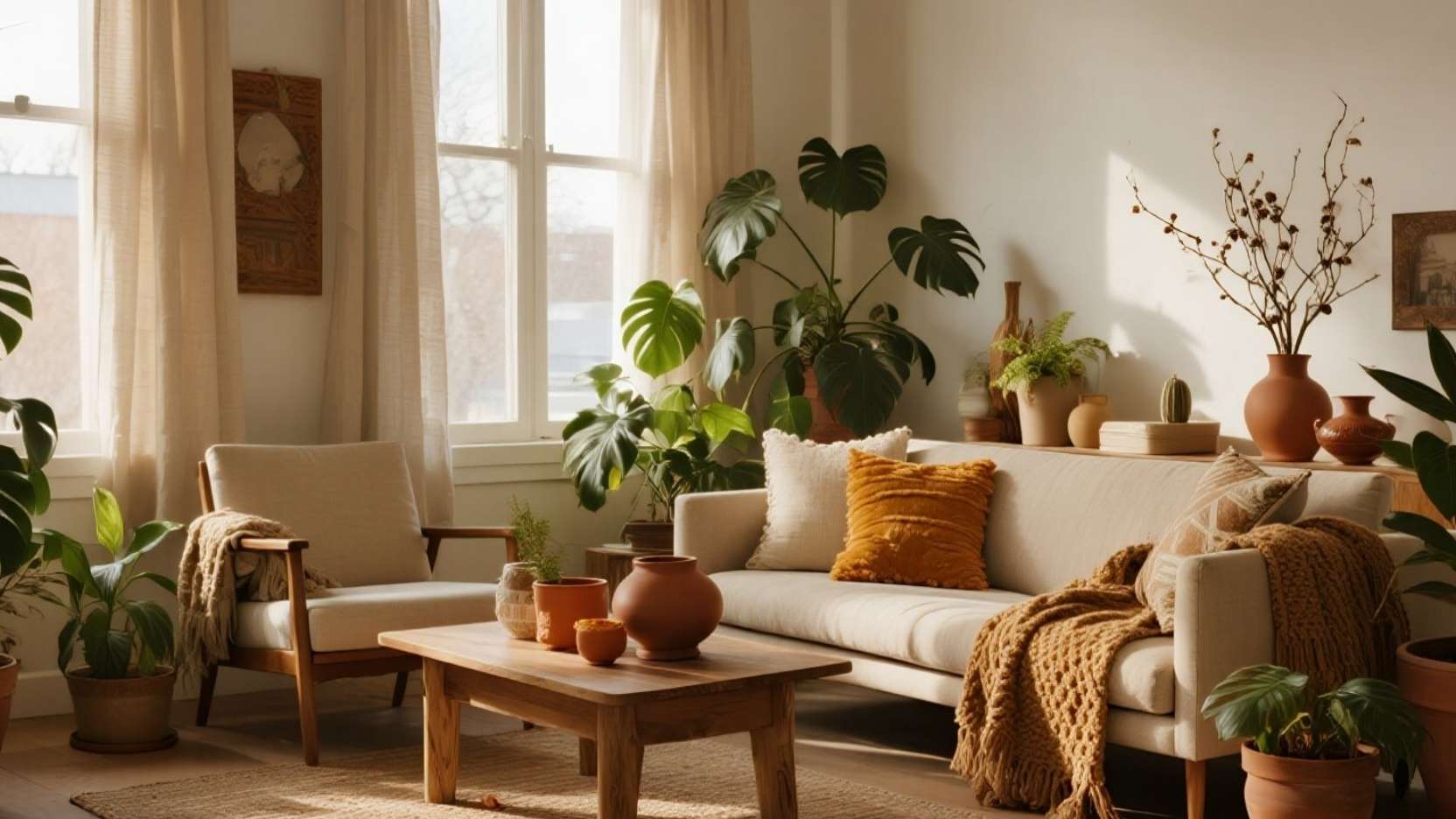
Even if your plants stay the same all year, your pots and accessories can switch into “fall mode.” Terracotta, warm-toned ceramics, wicker baskets, and amber glass instantly add cozy texture. You can also add small seasonal accents like a knitted coaster under a pot or a tiny pumpkin, without overwhelming the display. 🎃
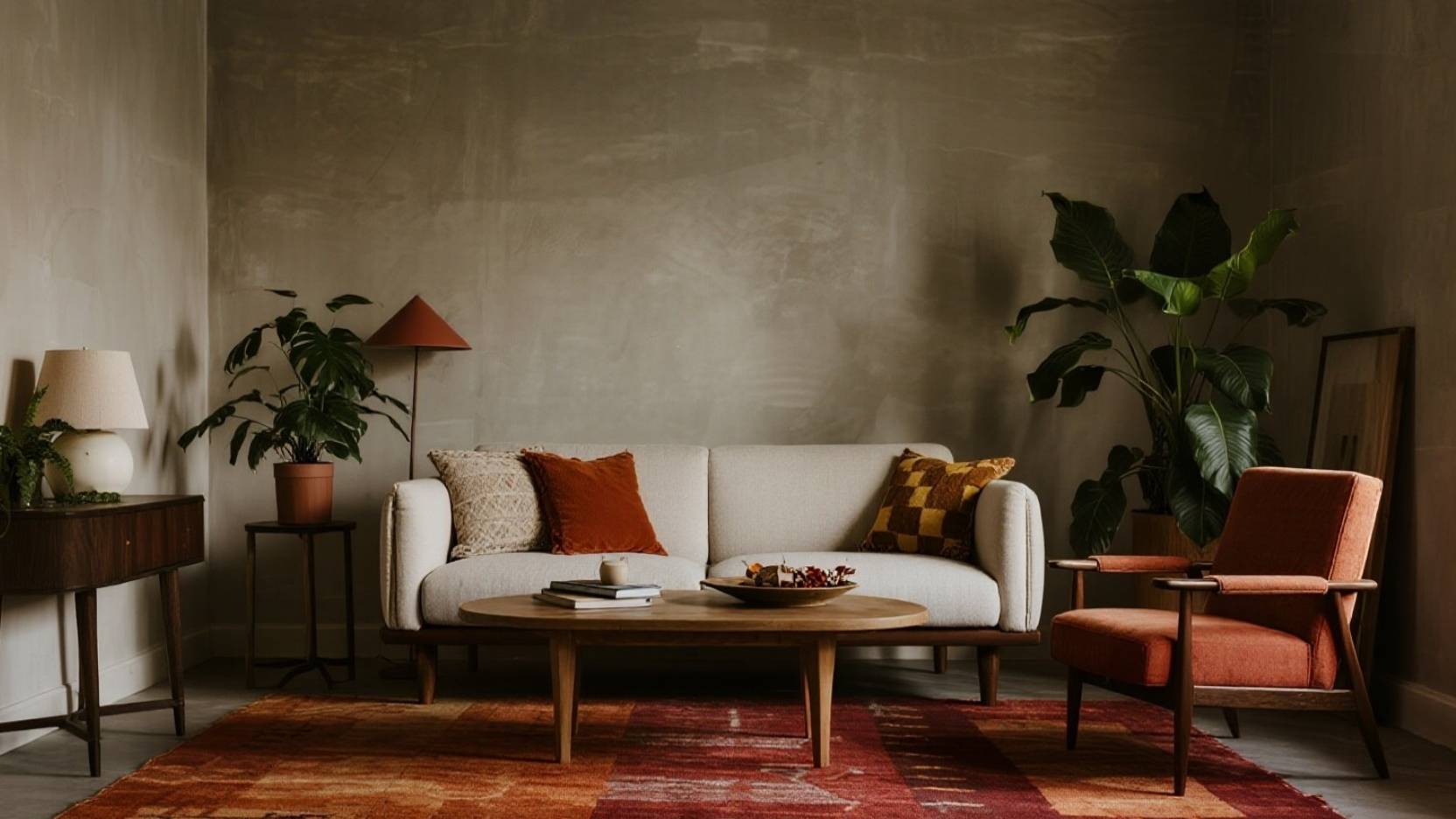
Keep your color palette focused on warm neutrals: think rust, caramel, cream, and deep forest green. When your pot colors echo your cushions, blankets, or rug, the whole room feels pulled together. The key is to let the plants stay the star while your pots and objects whisper subtle autumn warmth around them. 🕯️

Common Mistakes And Easy Fixes For Stuffed-Looking Displays 🚫
One of the biggest mistakes is using plants that are all the same height, which flattens your display and makes everything blur together. Another problem is placing every pot at the front edge of the shelf, leaving an empty gap in the back. Both issues are solved by simply raising one plant in the back and sliding a few pots slightly backward. 🔁
Overcrowding is another common trap, especially in autumn when we want extra cozy corners. If you can’t see the soil or the rim of several pots, it might be a sign that one or two plants should move to another spot. Remember: a little negative space helps your favorite plants shine and makes the whole area easier to dust and water. ✨

Final Thoughts: Build A Cozy “Slope” You Can Tweak All Season 🍂
The beauty of the “High-Back, Low-Front” rule is that it gives you a reliable starting point, even if you don’t feel naturally “good at styling.” Once your tall-back, medium-middle, and trailing-front positions are set, you can swap pots, add seasonal accents, or rotate plants without losing that layered look. It’s a flexible framework, not a rigid rulebook. 🧡
As autumn days get shorter, your plants and your decor can work together to make your home feel warm, calm, and intentional. Try applying this slope rule on one surface first—a shelf, console, or windowsill—and see how it transforms the vibe. Over time, you’ll start layering by instinct, and every plant corner will look like it was styled on purpose, not just parked wherever there was space. 🪴