Introduction
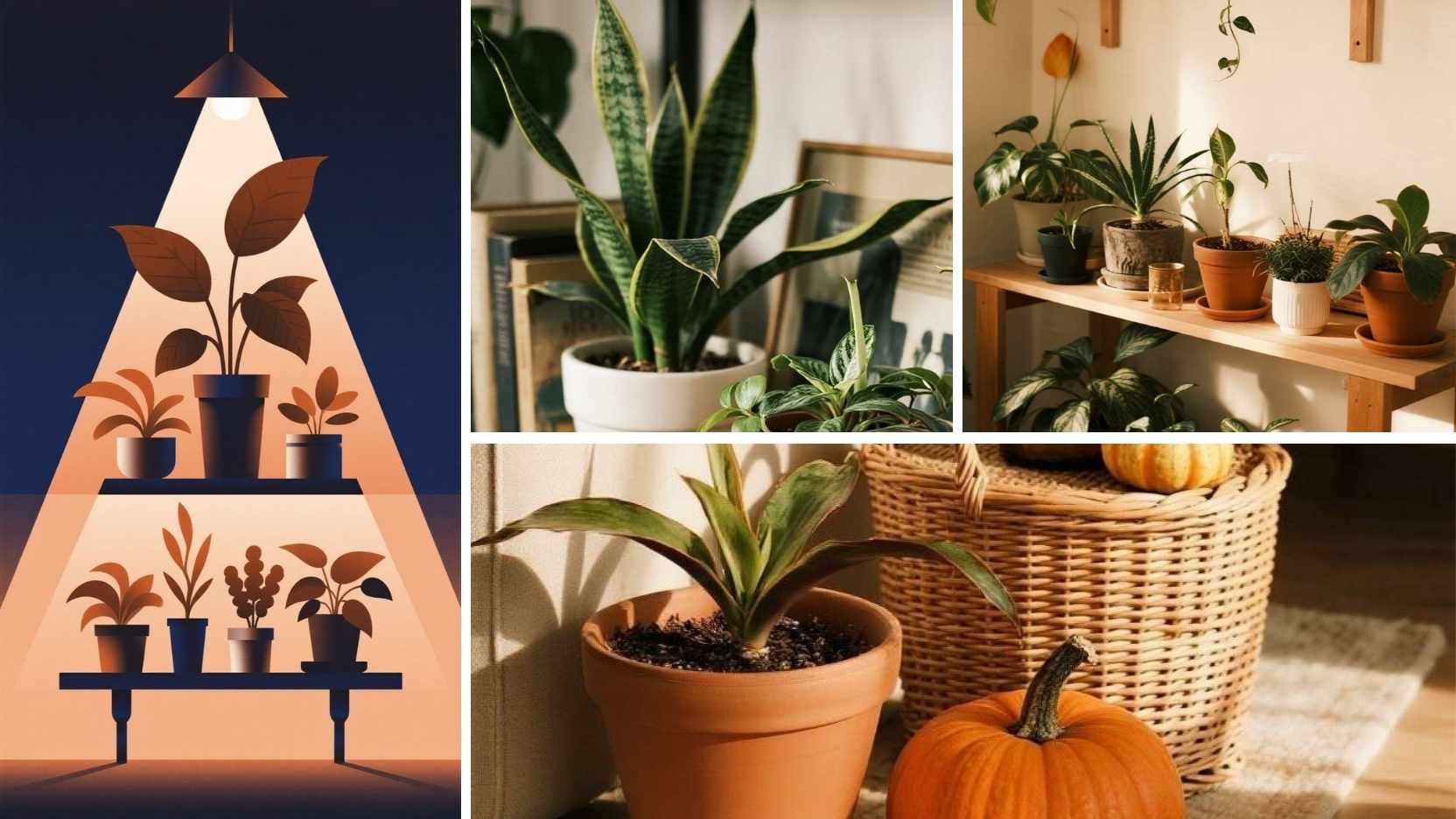
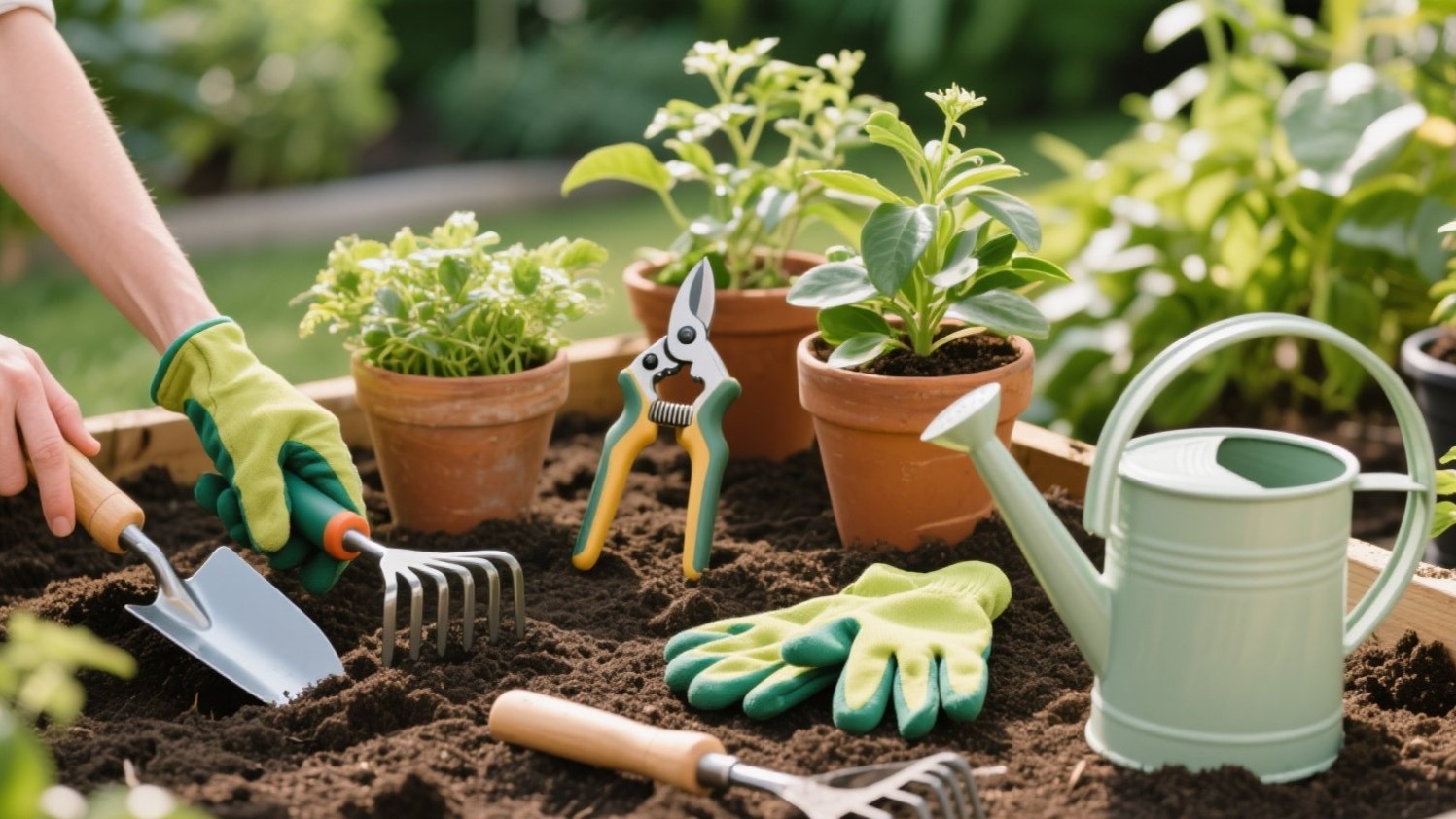
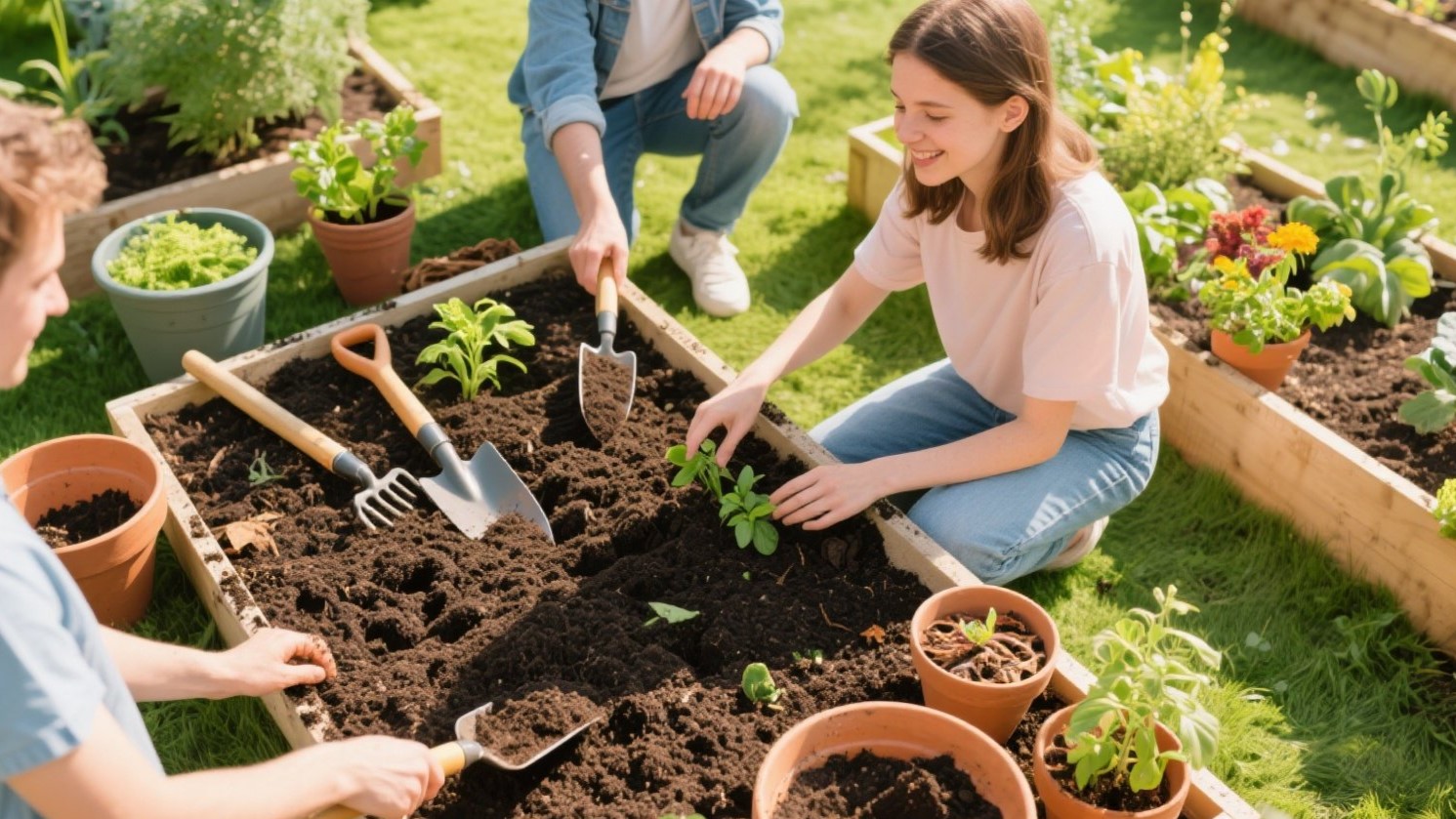
Healthy plants start from the ground up—literally! Soil is the foundation for plant growth, providing nutrients, water, and support for roots. Yet, many beginners underestimate its importance. Choosing the right soil, amending it correctly, and maintaining it properly can make all the difference between a thriving garden and struggling plants. In this guide, we’ll break down essential soil preparation techniques, helping you create a strong foundation for your indoor or outdoor garden. 🌿✨
1. Understanding Soil Basics 🌍
Before you start digging, it’s important to know what soil actually does.
- Texture: Soil is made up of sand, silt, and clay. The right mix ensures good drainage while retaining moisture.
- Structure: Loose, crumbly soil allows roots to grow easily. Compact soil can suffocate plants.
- Nutrients: Nitrogen, phosphorus, and potassium are essential for plant growth, along with trace minerals.
- pH Level: Most plants thrive in slightly acidic to neutral soil (pH 6–7), but some prefer more specific ranges.
Tip: Test your soil’s pH and texture with a simple kit to know what adjustments are needed.
2. Choosing the Right Soil 🪴
Not all soils are created equal. Selecting the right type for your plants is crucial.
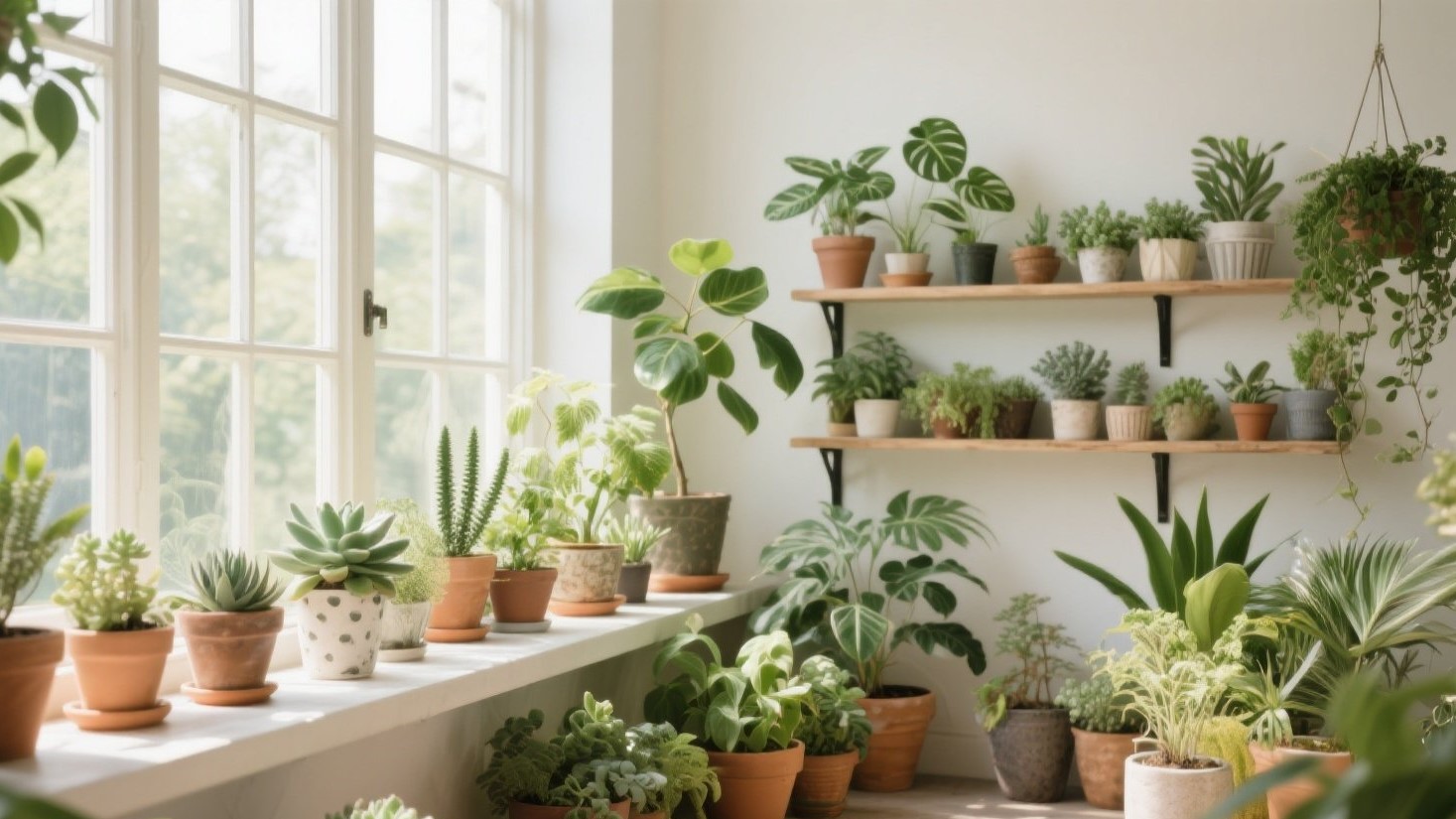
- Potting Mix: Ideal for container gardening; lightweight, well-draining, and nutrient-rich.
- Garden Soil: Suitable for outdoor beds; may need amendments for drainage or fertility.
- Specialty Mixes: Cactus and succulent soil is sandy and fast-draining, while seed-starting mix is fine and loose.
Advice: Match the soil type to your plant’s natural habitat for best results.
3. Amending Soil for Success 🌿💧
Even the best soil often needs tweaks to improve fertility, drainage, and texture.
- Organic Matter: Compost or aged manure adds nutrients and improves water retention.
- Aeration: Perlite or coarse sand loosens heavy soils and prevents compaction.
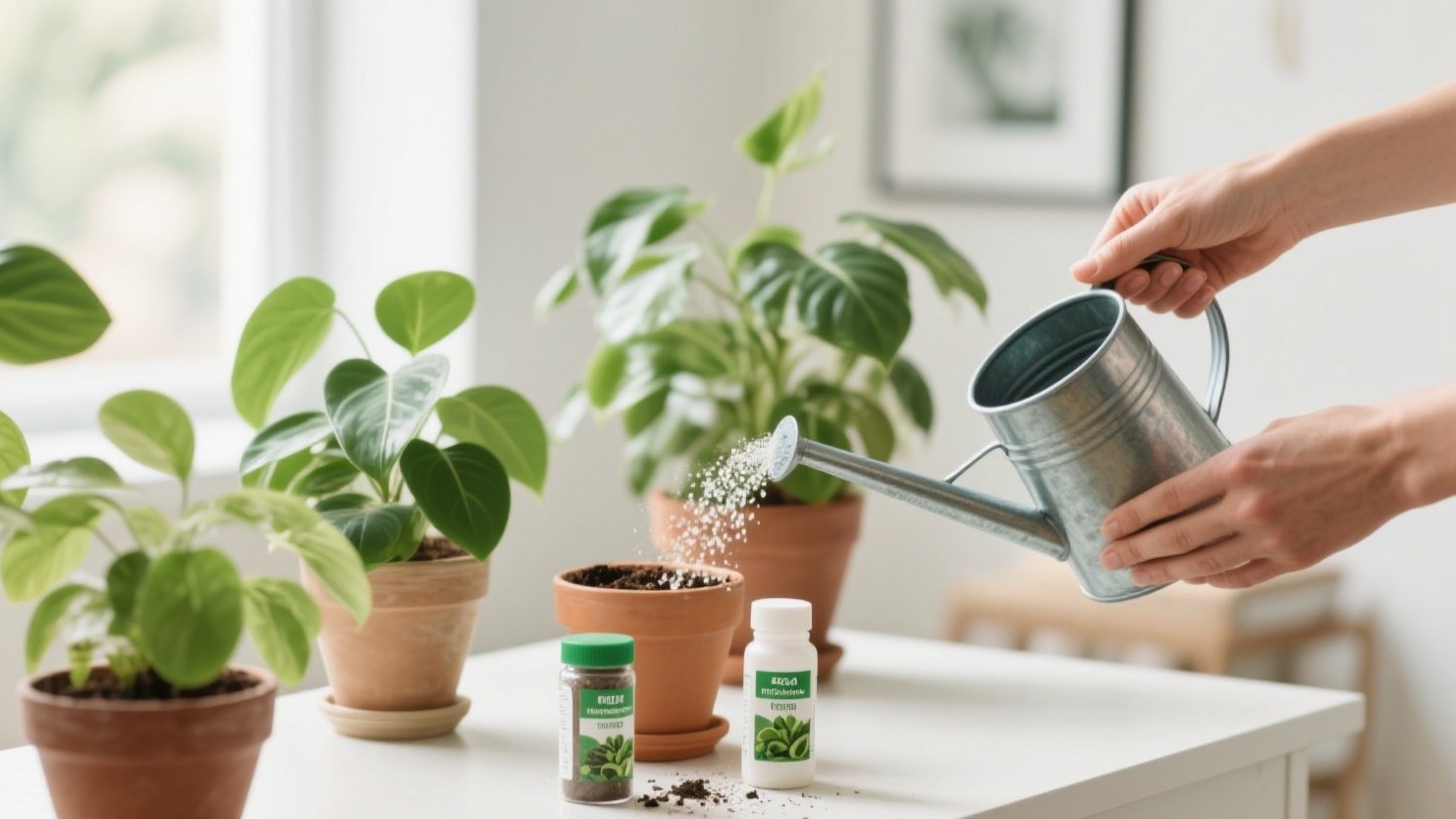
- Nutrient Boost: Balanced fertilizers or natural amendments like bone meal can supplement plant growth.
Pro Tip: Mix amendments thoroughly into the top 6–8 inches of soil for optimal root access.
4. Maintaining Healthy Soil 🌱✨
Healthy soil isn’t set-and-forget. Regular care keeps it fertile and alive.
- Mulching: Covers soil to retain moisture, regulate temperature, and prevent weeds.
- Rotation & Rest: Rotate crops or give beds a break to prevent nutrient depletion.
- Watering Practices: Avoid overwatering, which can leach nutrients or cause root rot.
- Microbial Life: Encourage earthworms and beneficial microbes—they help break down organic matter and improve soil structure.
Tip: Observe your soil and plants; healthy soil supports strong, vibrant growth.
5. Quick Soil Tips for Beginners 📝💡
- Start small and test before investing in large areas.
- Use raised beds or pots if native soil is poor.
- Keep a soil journal to track amendments, watering, and plant performance.
- Avoid compacting soil by walking on garden beds.
Final Thoughts 🌿💚
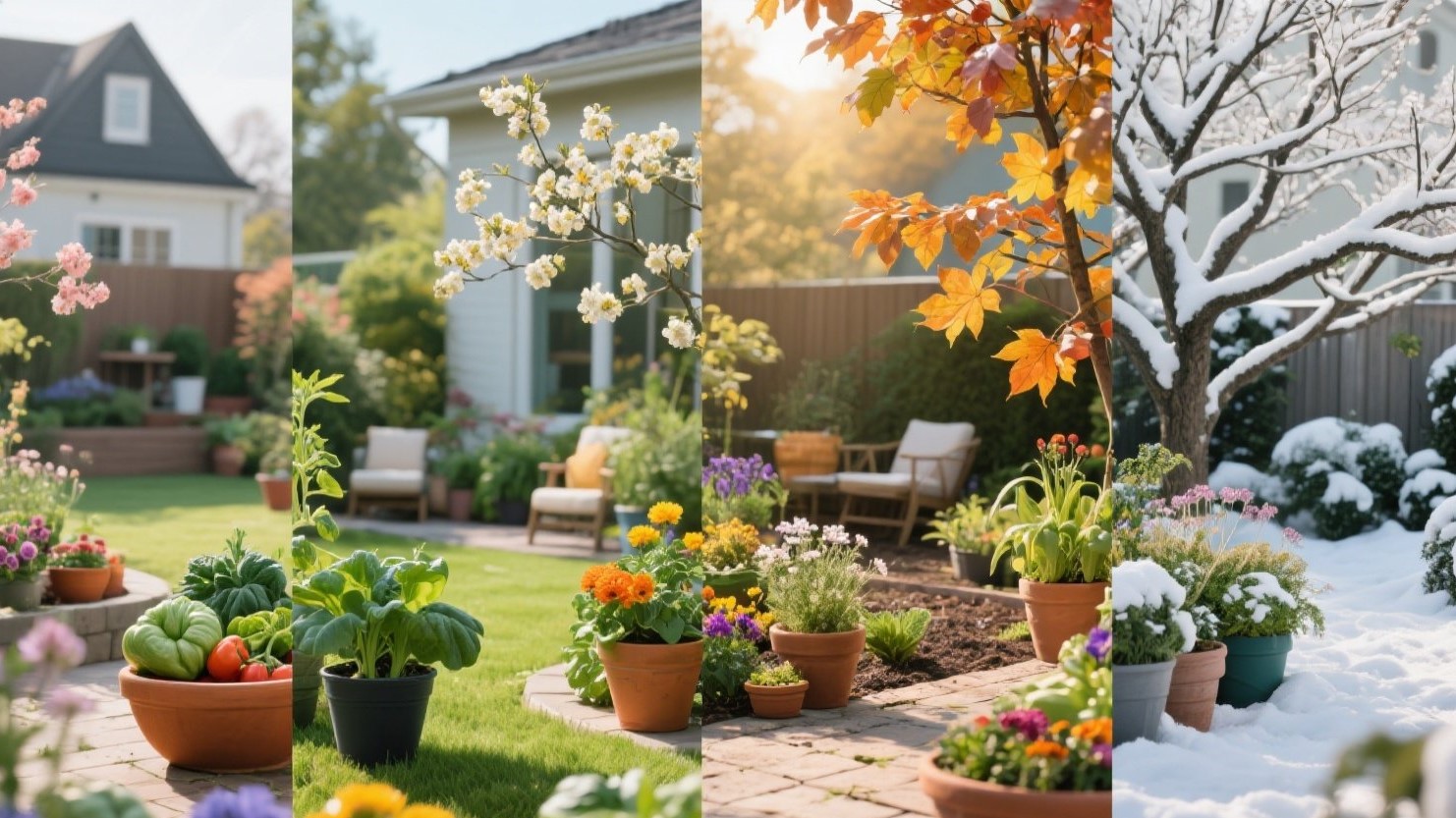
Soil is more than dirt—it’s a living ecosystem that determines the success of your garden. By understanding its composition, choosing the right type, amending it properly, and maintaining it consistently, you set yourself up for thriving plants and a flourishing garden. With patience, observation, and care, even beginner gardeners can master the art of soil and enjoy healthy, vibrant growth year-round. 🌱✨