🌿 Introduction: Why Pruning Isn’t Just About Aesthetics
If you’ve ever hesitated with pruning shears in hand, you’re not alone. Many gardeners worry they’ll “hurt” their plants by cutting too much — or too soon. But here’s the truth: pruning isn’t about taking life away; it’s about encouraging it.
When done correctly, pruning helps your plants breathe, grow, and bloom better. It prevents disease, improves shape, and directs the plant’s energy to where it matters most — new, healthy growth.
Think of pruning as your plant’s version of self-care. Done at the right time and in the right way, it’s one of the most powerful tools for keeping your garden thriving all year long.
🌼 Why Pruning Matters
Pruning serves several essential functions in plant health and structure:
- Encourages New Growth — By trimming away old, dead, or diseased parts, you signal to the plant that it’s time to produce new shoots.
- Improves Airflow and Sunlight Penetration — Dense foliage can trap moisture and block sunlight, increasing the risk of fungus or rot.
- Shapes and Controls Size — Proper pruning keeps your plants looking tidy and ensures they fit their growing space.
- Enhances Flower and Fruit Production — Removing excess or unproductive stems redirects energy toward stronger blooms and better yields.
- Prevents Disease Spread — Cutting away infected branches stops pathogens from reaching the rest of the plant.
💡 Think of it like decluttering a closet — less chaos means more focus and healthier energy.
🕰️ When to Prune: Timing by Plant Type
Different plants have different growth rhythms — and pruning at the wrong time can undo your good intentions.
Here’s a breakdown of the best pruning seasons by plant category:
🌷 1. Flowering Shrubs
- Spring-blooming shrubs (e.g., lilacs, azaleas, forsythia)
→ Prune right after flowering. These plants set next year’s buds soon after they bloom. - Summer- or fall-blooming shrubs (e.g., hydrangeas, butterfly bush)
→ Prune in late winter or early spring before new growth appears.
🌿 2. Perennials
- Cut back dead foliage in early spring before new shoots emerge.
- After blooming, lightly prune to encourage a second flush of flowers (for species like salvias or coreopsis).
🌳 3. Trees
- Deciduous trees: Prune in late winter (dormant season). This minimizes stress and sap loss.
- Evergreens: Light pruning can be done in early spring or mid-summer, but avoid late-season cuts — new growth won’t harden before frost.
🍅 4. Vegetables and Herbs
- Tomatoes: Regularly remove suckers (the small shoots between stem and branch).
- Herbs: Frequent trimming encourages bushiness — but never cut more than one-third of the plant at once.
⏰ General rule:
Prune during dormancy for structure, prune after bloom for shape.
✂️ How to Prune: Step-by-Step Guide
Even small pruning mistakes can set a plant back — but the method is simple once you understand the basics.
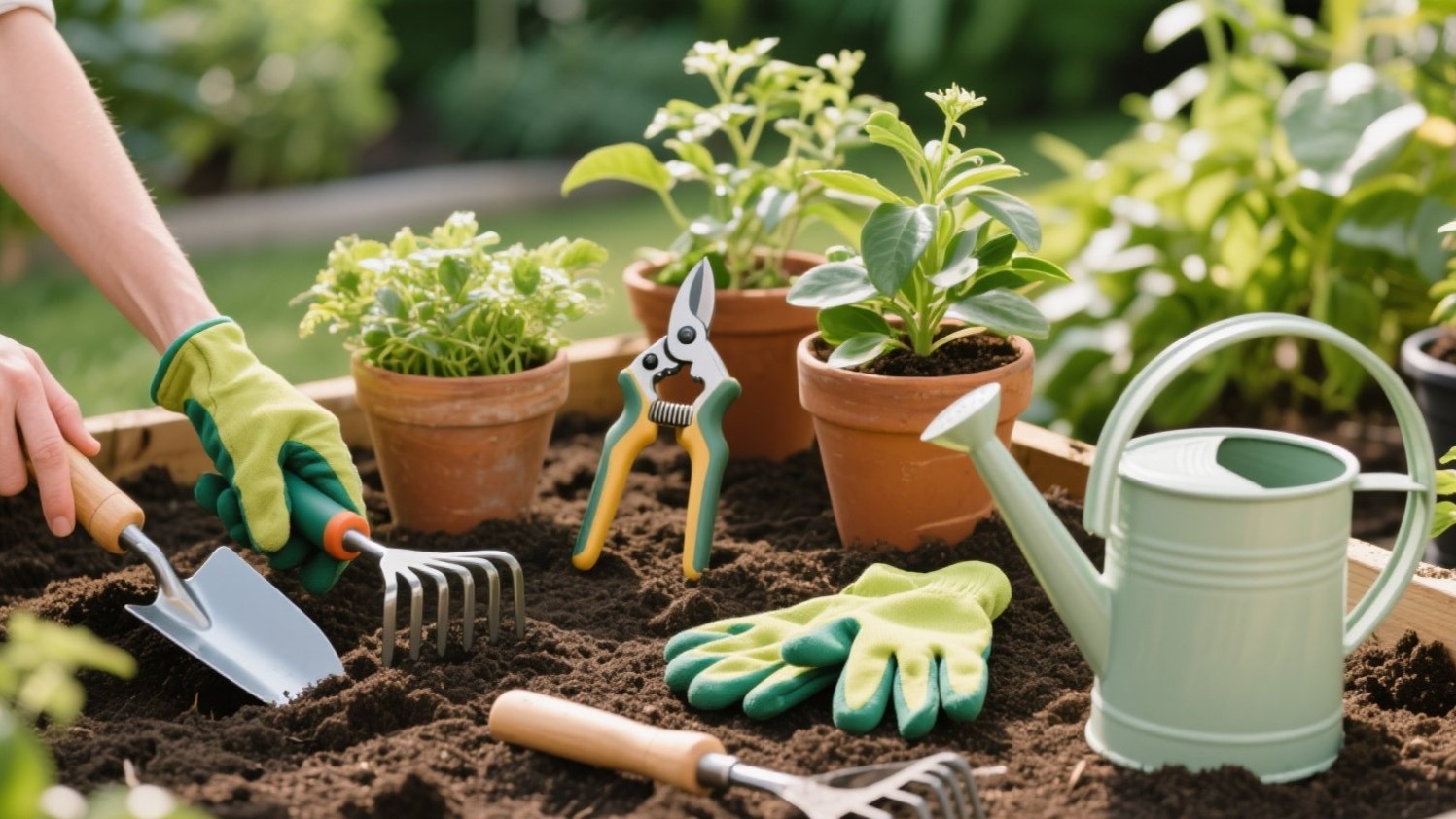
🔧 Step 1: Start with Clean Tools
- Always disinfect shears before use (wipe blades with alcohol or diluted bleach).
- Sharp blades make clean cuts that heal faster and prevent disease.
🌿 Step 2: Identify What to Remove
Look for:
- Dead or damaged branches
- Crossing or rubbing stems
- Overcrowded growth that blocks airflow
- Suckers or water sprouts growing straight up
💡 Tip: Healthy wood is firm and green inside when you nick it with your shears. Dead wood is dry and brittle.
🪴 Step 3: Make the Right Cut
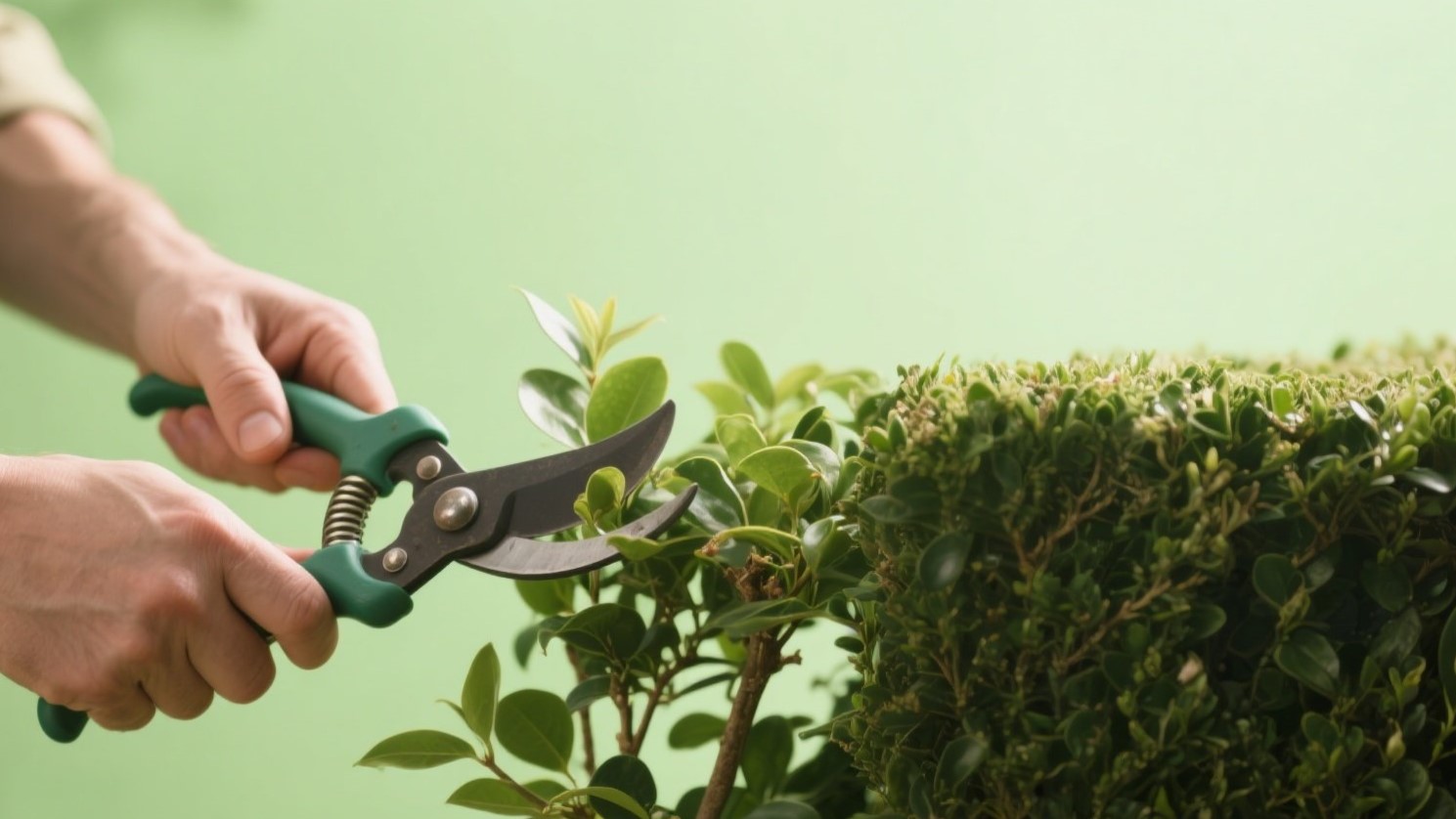
- Cut ¼ inch above a bud facing outward — this encourages outward growth and a natural shape.
- For thick branches, use the 3-cut method to prevent bark tearing:
- Make an undercut 6–8 inches from the trunk.
- Cut from the top a few inches further out to remove the branch.
- Trim the stub flush with the branch collar (the swollen base).
⚖️ Step 4: Avoid Over-Pruning
Never remove more than 25–30% of the plant in a single session. Over-pruning shocks the plant and can trigger weak regrowth or sunburn on exposed stems.
🌸 Before-and-After Example
Before:
A rose bush with tangled, overlapping stems, few blooms, and some blackened leaves.
After:
After removing dead wood and shaping the canopy, sunlight reaches inner stems, airflow improves, and new buds appear within weeks.
✨ Visible difference: Fuller shape, greener leaves, and more flowers — all from strategic, minimal cutting.
🌿 Common Pruning Mistakes to Avoid
🚫 Cutting at the Wrong Time:
Pruning spring-bloomers in winter removes their flower buds. Always check the blooming schedule.
🚫 Using Dull or Dirty Tools:
This can crush stems and spread disease.
🚫 Leaving Long Stubs:
These die back and invite pests or rot. Always cut cleanly near the branch collar.
🚫 Over-Pruning Young Plants:
Let them establish roots before heavy trimming — structure comes after strength.
🌻 Aftercare: Helping Plants Heal
After pruning, give your plants a little recovery support:
- Water deeply within 24 hours to reduce stress.
- Avoid heavy fertilizing for 2–3 weeks — let the plant focus on healing first.
- Mulch lightly around the base to conserve moisture and prevent weeds.
In a few weeks, you’ll notice sturdier stems and fresh growth.
🌱 Final Thoughts: The Art of Healthy Trimming
Pruning may look intimidating, but it’s one of the simplest ways to keep your plants thriving. It’s about balance — not just cutting, but caring.
Once you understand your plant’s growth cycle, every snip becomes a step toward stronger roots, brighter blooms, and a more balanced garden ecosystem.
So the next time you hesitate with the shears, remember:
“A careful cut today builds a healthier plant tomorrow.” 🌿