
Why Less Intervention Often Leads to Healthier, Stronger Gardens
In gardening communities—especially on Reddit’s r/gardening and r/plantclinic—there’s a recurring theme: new and experienced gardeners often feel compelled to “fix” something every time they see a minor change in their plants. A drooping leaf? Water it. Pale foliage? Fertilize it. Slight browning? Repot it.
But there’s a truth that veteran horticulturists repeat over and over:
Plants recover better when we stop intervening unnecessarily.
Non-action is sometimes the most effective action.
This concept is supported by basic plant physiology and long-established horticultural principles: plants have built-in mechanisms to adapt, heal, and re-balance—if we give them time.
Let’s dive into why “leaving plants alone” is not neglect… but a critical skill.
🌿 1. Plants Need Stability More Than Perfect Conditions
Plants thrive on consistency. Sudden changes—new soil, new pot, more fertilizer, abrupt relocation—disrupt their internal processes.
Why stability matters:
- Roots need time to re-establish after any disturbance.
- Photosynthesis efficiency adjusts slowly to light changes.
- Soil biology (microbes, fungi, nutrient cycles) stabilizes only with time, not constant tweaking.
In horticultural science, this is known as acclimation—the gradual adjustment of a plant to its environment. And acclimation is impossible if the gardener keeps changing things.
⚠️ Common mistake:
Seeing a plant wilt once and assuming it needs watering every day.
Reality: Many plants wilt temporarily during heat or transplant shock, and over-watering during those moments does far more harm.
🌼 2. Overwatering Is Usually Caused by Anxiety, Not Need
Most plant deaths—especially in container gardens—come from overwatering, not underwatering.
Why? Because watering feels like “doing something helpful,” but saturated soil suffocates roots, leading to rot.
What science tells us:
Roots need oxygen for respiration. When soil stays constantly wet, oxygen levels drop, beneficial microbes die off, and pathogens thrive. (This is well-documented in plant pathology studies.)
Often, the correct move is simply:
Wait. Let the soil dry. Trust the plant.
🌱 3. New Growth Takes Time — You Can’t Speed It Up
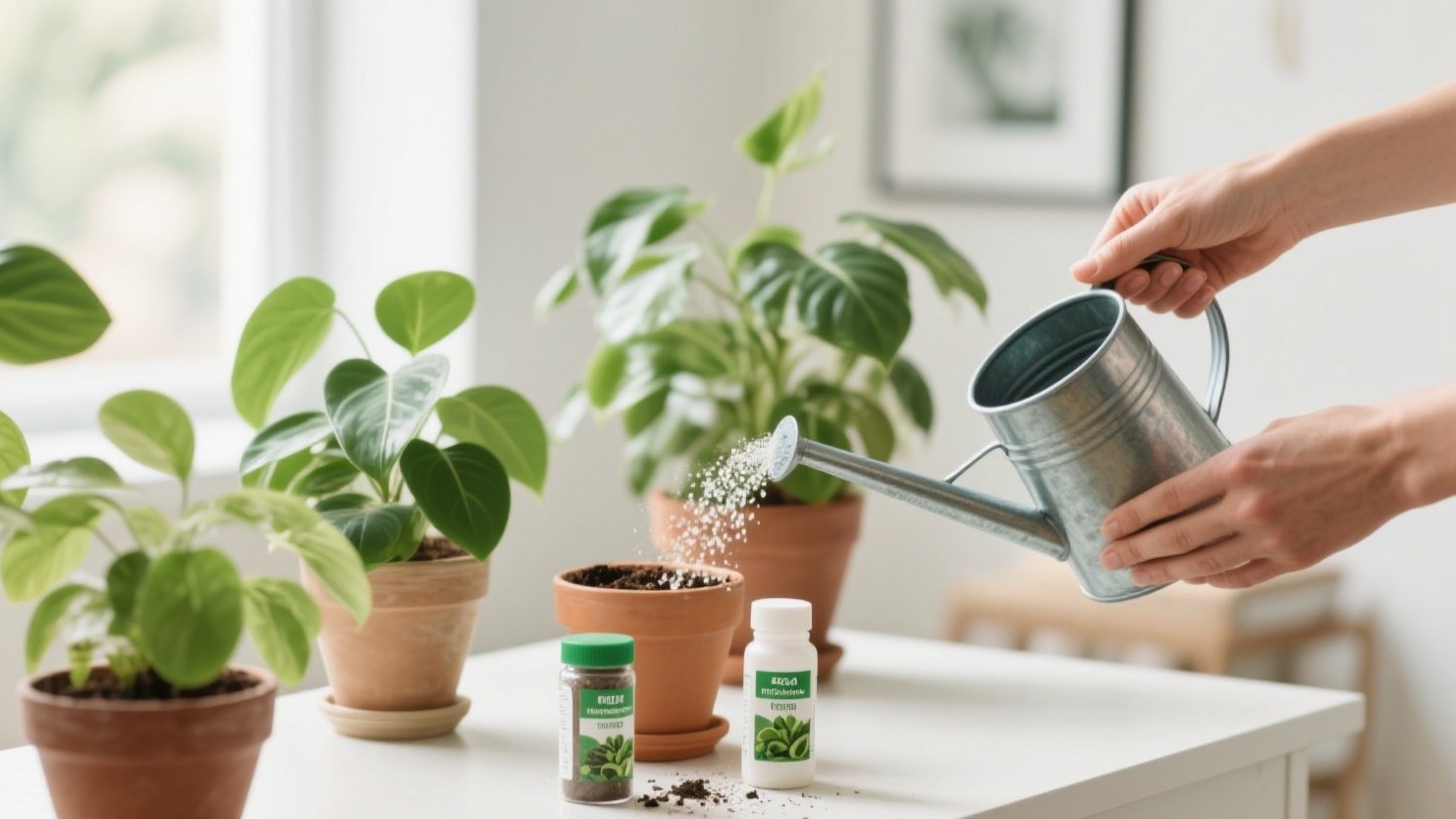
Fertilizer is not a magic fix. It does not repair damaged leaves; it merely provides nutrients for future growth.
This means:
- Brown leaves won’t turn green again
- Stems recovering from shock need weeks, not hours
- Sun stress won’t disappear in a day
Applying too much fertilizer early actually burns roots or causes nutrient imbalances.
Sometimes the best approach is to provide:
- Proper light
- Proper watering
- A stable environment
…and wait.
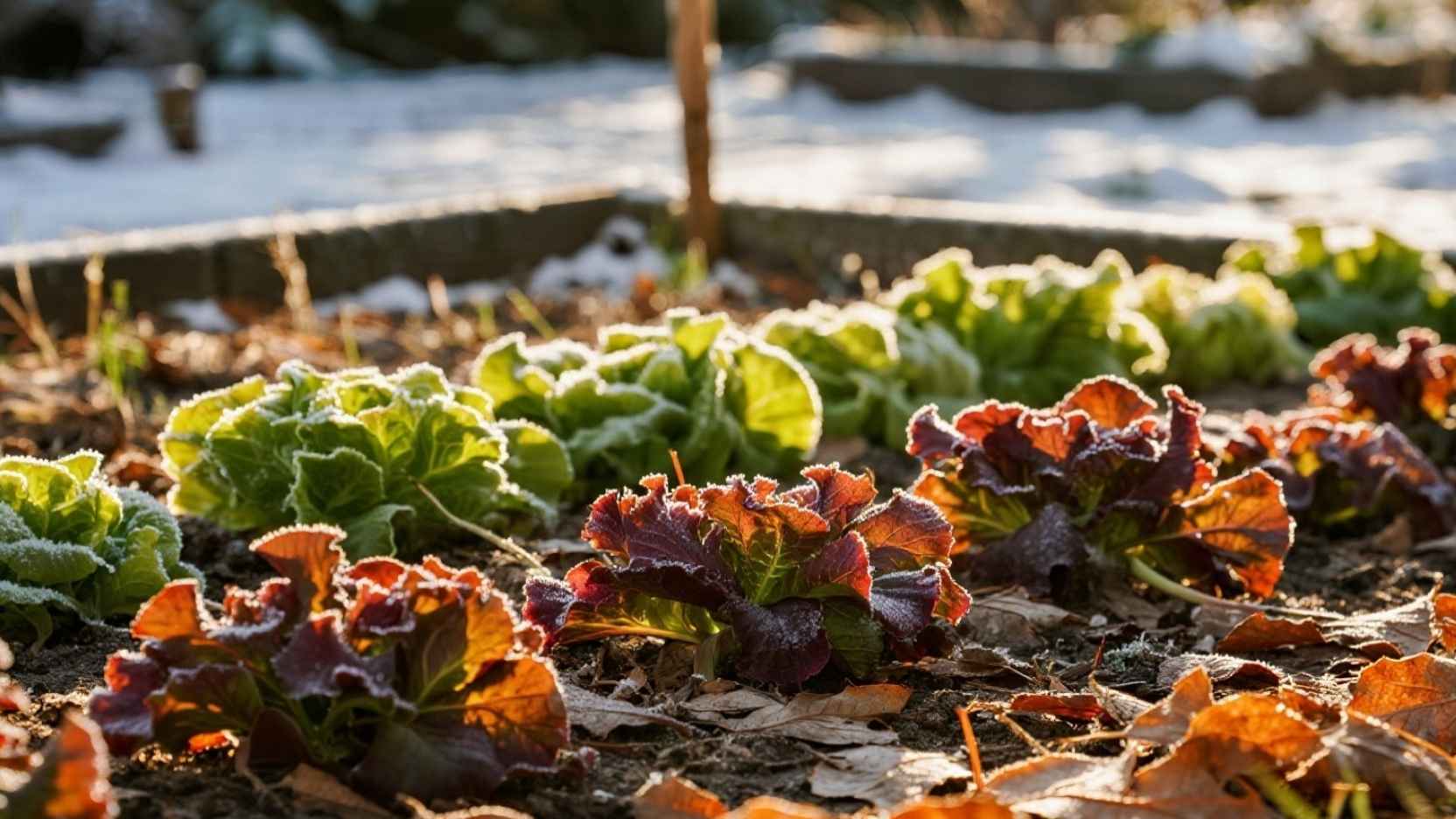
🌵 4. For Many Plants, Stress Is Normal (and Healthy)
Mild stress encourages stronger growth. Examples:
Examples from real horticultural practice:
- Tomatoes develop stronger stems with gentle wind exposure.
- Succulents gain vibrant color when exposed to controlled sunlight stress.
- Native plants establish deeper roots during dry spells.
Trying to remove all stress actually weakens a plant’s natural resilience.
This is the opposite of constant intervention culture—not all stress is a crisis.
🌳 5. Pruning, Repotting, and Treating Should Be Intentional — Not Emotional
Many gardeners act out of fear:
“Maybe I should repot just in case.”
“Maybe I should spray it before pests appear.”
“Maybe I should prune more to make it grow faster.”
But:
- Repotting too often breaks root networks.
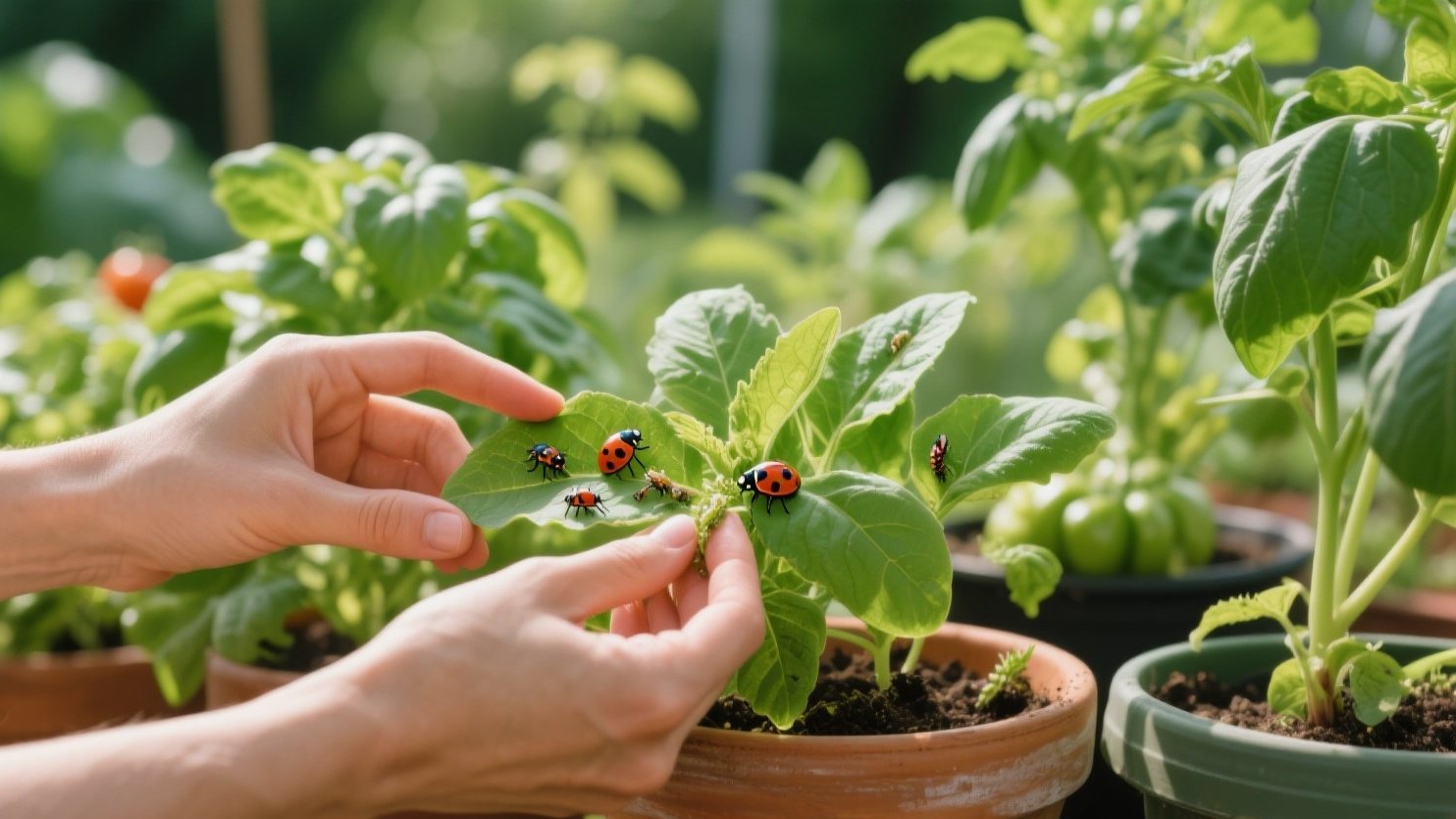
- Spraying chemicals without evidence can harm beneficial insects.
- Unnecessary pruning reduces a plant’s energy reserves.
Good gardeners intervene with evidence, not assumptions.
If you don’t see pests, disease symptoms, or structural issues, leave the plant as is.
🌿 6. The Most Experienced Gardeners Observe More Than They Intervene
Professional horticulturists spend far more time observing than acting.
They look for:
- Patterns in leaf behavior
- Soil moisture changes
- Light intensity over the day
- Temperature and humidity shifts
They don’t rush into treatments. They diagnose first.
This mirrors a core principle in plant science:
“Accurate observation prevents unnecessary intervention.”
🌾 7. When Non-Action Is the Best Action
Here are real scenarios where the correct step is to do nothing:
🌤️ After heat stress
Mild drooping is normal. Plants rehydrate themselves once temperatures cool.
🌱 After repotting
No fertilizer, no overwatering, no moving the pot. Just let roots re-establish.
🍃 When lower leaves yellow
Plants naturally shed old leaves. It’s not always a deficiency.
🌵 When a succulent wrinkles slightly
It’s simply using stored water. Overreacting leads to rot.
🌧️ After heavy rain
Do not water again. Soil takes days to rebalance moisture and oxygen.
🌺 Final Thought: Gardening Isn’t About Controlling Nature — It’s About Working With It
Modern culture often equates action with productivity.
But in gardening, patience is productivity.
Plants evolved for millions of years without human micromanagement. Their survival systems are powerful—if we give them space to function.
The next time you feel the urge to “fix” your plant, try this instead:
🧘 Pause. Observe. Wait.
Your plant might just need you to leave it alone.