🌼 Introduction: Why “Good Bugs” Are Your Garden’s Best Allies
When most people think of insects, they think of pests — but in a healthy garden, not all bugs are bad.
In fact, many insects are quietly doing the hard work that keeps your plants alive and thriving. Bees, butterflies, ladybugs, hoverflies, and lacewings pollinate flowers, control harmful pests, and maintain a natural balance that chemical sprays can never replicate.
By welcoming these beneficial insects into your garden — instead of driving them away — you create a thriving, self-sustaining ecosystem where plants, soil, and wildlife all work together in harmony.
Let’s explore how to do just that — with the right plants, the right conditions, and the right mindset.
🐞 Why Beneficial Insects Matter
A thriving garden isn’t built by human hands alone — it’s sustained by countless tiny helpers. Here’s how some of these “good guys” make a big difference:
🐝 Bees
- Pollinate up to 80% of flowering plants and a third of global food crops.
- Without them, fruits and vegetables like tomatoes, cucumbers, and squash wouldn’t form properly.
🦋 Butterflies and Moths
- Pollinate flowers, especially those with long, tubular shapes.
- Their caterpillars also provide food for birds — a vital link in the ecosystem.
🐞 Ladybugs
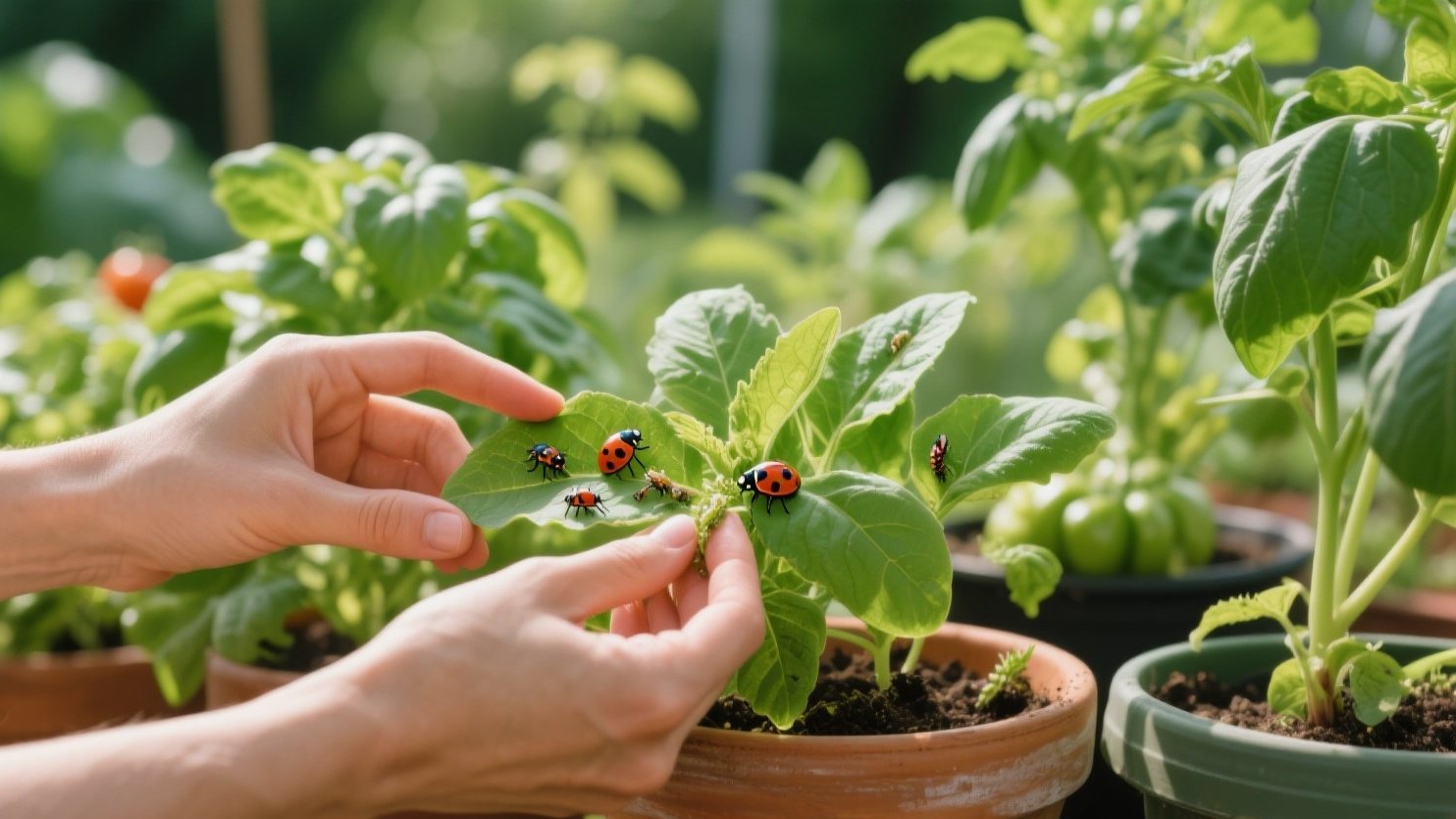
- Each adult ladybug can eat up to 50 aphids per day.
- They also control whiteflies, mites, and small soft-bodied pests.
🪰 Hoverflies and Lacewings
- Hoverfly larvae feed on aphids and thrips, while adults pollinate flowers.
- Lacewing larvae (nicknamed “aphid lions”) are powerful natural pest controllers.
Together, these beneficial species reduce the need for pesticides, support plant reproduction, and help your garden reach its natural balance.
🌺 Step 1: Plant for Pollinators — Flowers They Can’t Resist
To attract pollinators, variety and season-long blooms are key. Choose plants that flower at different times of the year to provide a continuous food source.
🌸 Best Plants for Bees, Butterflies, and Hoverflies
| Season | Pollinator-Friendly Plants |
|---|---|
| Spring | Lavender, borage, chives, alyssum, dandelions |
| Summer | Zinnias, sunflowers, cosmos, basil, marigolds |
| Fall | Asters, goldenrod, sedum, salvias, echinacea |
💡 Tip: Bees see ultraviolet colors — they’re especially drawn to blue, purple, and yellow blooms.
🌿 Native Plants: The Secret Ingredient
Native plants are naturally adapted to your region’s soil and climate — and so are the pollinators that evolved alongside them.
Examples:
- North America: Milkweed (monarch butterflies), coneflower, black-eyed Susan
- Southeast Asia: Ixora, lantana, and butterfly pea
- Europe: Cornflower, thyme, and lavender
Native species not only support biodiversity but also require less maintenance and water.
🍃 Step 2: Create Shelter and Water Sources
Pollinators need more than flowers — they need safe, pesticide-free habitats to rest, nest, and hydrate.
✅ Easy shelter ideas:
- Leave a small patch of bare soil for ground-nesting bees.
- Add a bee hotel or log pile with small drilled holes.
- Keep leaf litter and twigs in one corner for overwintering insects.
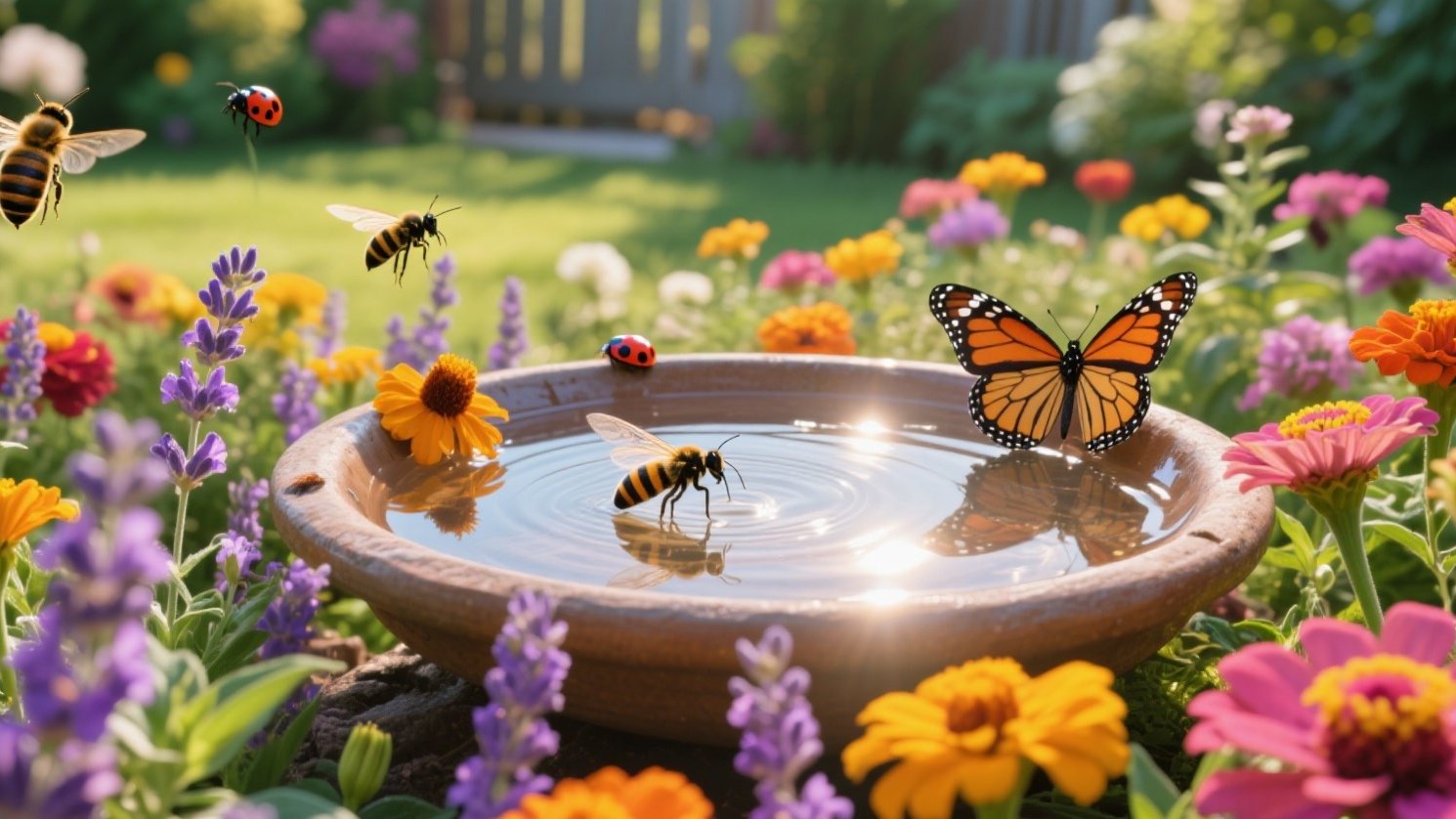
💧 Add a water source:
- Use a shallow dish with pebbles for insects to perch on.
- Refill regularly and keep it clean to prevent mosquitoes.
Even a small setup can turn a balcony or backyard into a buzzing sanctuary.
🌿 Step 3: Grow Herbs That Double as Insect Magnets
Many herbs are rich in nectar and serve dual purposes — they flavor your food and attract beneficial insects.
Top picks for pollinator-friendly herbs:
- Basil 🪴 – attracts bees when left to flower
- Thyme 🌿 – low-growing, blooms early
- Oregano and Marjoram 🌸 – butterfly favorites
- Mint 🍃 – draws hoverflies and bees (keep it contained!)
- Dill, Fennel, and Cilantro 🌼 – provide nectar for adult lacewings and hoverflies, while their flowers host beneficial larvae
💡 Pro tip: Let some herbs bolt (go to flower) — that’s when they’re most attractive to pollinators.
🪴 Step 4: Avoid Chemical Pesticides — Go Natural
Chemical sprays may kill pests, but they also harm pollinators and beneficial insects. Instead, try natural pest management techniques that maintain balance rather than destruction.
✅ Better alternatives:
- Use insecticidal soap or neem oil only when needed — and spray at dusk, when pollinators are less active.
- Encourage predators like ladybugs and lacewings by planting nectar-rich flowers nearby.
- Hand-pick pests like caterpillars instead of reaching for sprays.
💬 Remember: A few chewed leaves are a small price to pay for a living, breathing ecosystem.
🌻 Step 5: Mix Structure and Color in Your Garden Design
Beneficial insects prefer diverse, layered gardens — not sterile lawns.
Here’s how to design for them:
- Combine flowering annuals and perennials for continuous blooms.
- Add vertical variety: tall plants, ground covers, and shrubs create microhabitats.
- Use bright, clustered flowers rather than scattered singles — easier for pollinators to spot.
- Avoid hybrid varieties bred for looks only — many lack nectar or pollen.
💡 Example: A corner bed of lavender, marigold, basil, and zinnias can draw in bees, ladybugs, and butterflies within weeks.
🌺 Step 6: Observe and Enjoy the Results
The beauty of inviting beneficial insects is that they reward patience.
You’ll soon notice subtle signs of balance:
- Fewer aphids and whiteflies
- More bees hovering around your blooms
- Ladybug larvae on your rose stems
- Butterflies fluttering through your garden
These are signs that your mini ecosystem is thriving — because you built it naturally.
💬 Tip: Keep a simple “garden journal” to track which plants attract which insects. Over time, you’ll learn your garden’s rhythm and refine it each season.
🌸 Final Thoughts: A Garden That Gives Back
A pollinator-friendly garden isn’t just beautiful — it’s alive. Every bee that visits, every butterfly that rests, and every ladybug that lands contributes to a cycle of renewal that keeps nature in balance.
By choosing to plant for pollinators and avoid harmful chemicals, you’re not only nurturing your own space — you’re helping to sustain the biodiversity that feeds our planet.
“The more life you invite into your garden, the more your garden gives back.” 🌿