Introduction: The Secret Ingredient Every Garden Needs — Light 🌱
When gardeners talk about soil, water, and fertilizer, sunlight often gets overlooked — yet it’s the most essential ingredient for plant growth. Without the right amount of light, even the best soil or perfect watering routine won’t save your plants.
But how do you really know if your garden gets enough sunlight — or perhaps too much? That’s what this guide will help you uncover. Whether your garden sits on a sunny balcony, under tall trees, or by a shaded fence, understanding sunlight patterns can mean the difference between thriving blooms and struggling stems.
Let’s break down how to observe sunlight, interpret plant labels like “full sun” or “partial shade,” and match the right plants to your unique growing conditions. 🌻
1. Why Sunlight Matters So Much 🌞
Sunlight powers photosynthesis, the process plants use to convert light energy into food. When plants get the right amount of light, they grow strong, flower beautifully, and resist pests better.
Too little light, and plants become leggy, pale, and weak. Too much, and leaves scorch or dry out.
So, learning how much sunlight each spot in your garden receives helps you make smart planting choices — and avoid frustration later.
2. How to Observe Sunlight Patterns in Your Garden 🕶️
Before planting, take time to observe your garden throughout the day. You don’t need fancy tools — just a notebook and a bit of patience.
Here’s how to do it:
- Morning: Check which areas receive light right after sunrise. Morning light is gentle and ideal for plants that like part-sun.
- Midday: This is the strongest, most intense light (10 a.m. to 2 p.m.). Note where sunlight hits directly — these are your full-sun zones.
- Afternoon: Notice which spots are shaded or still sunny after 3 p.m. West-facing areas often get the hottest light of the day.
- Evening: Areas shaded by fences, trees, or buildings at this time are better suited for shade-loving plants.
Pro tip: Track sunlight for a full day (and ideally over a week) — because light angles shift slightly as the season changes.
You can also use apps or simple sun-tracking tools to record how many hours of direct sun each spot receives daily.
3. Understanding the Sun Exposure Terms 🌤️
Plant tags and seed packets often use terms like “full sun,” “partial shade,” or “full shade.” Here’s what they really mean:
| Sunlight Term | Definition (Hours of Direct Sun) | Ideal For |
|---|---|---|
| Full Sun | 6–8 hours or more | Tomatoes, peppers, roses, sunflowers |
| Partial Sun / Partial Shade | 3–6 hours | Lettuce, spinach, hydrangeas, herbs like basil or parsley |
| Dappled Sun / Filtered Light | Intermittent sunlight through trees | Ferns, impatiens, hostas |
| Full Shade | Less than 3 hours | Begonias, snake plants, ferns, mosses |
Tip: Afternoon sun is more intense than morning sun — so “part-sun” in the afternoon may feel like “full sun” for some delicate plants.
4. Matching Plants to Light Conditions 🌻
Now that you’ve mapped your garden’s sunlight, here’s how to plant accordingly:
🌞 Full Sun Plants (6–8+ hours of sun)
These plants love bright, direct light and often produce the most flowers or fruit in those conditions.
- Examples: Tomatoes, peppers, zinnias, lavender, rosemary, sunflowers, marigolds.
- Tips: Water deeply and mulch to retain soil moisture, especially during hot afternoons.
🌤️ Partial Sun or Part Shade Plants (3–6 hours)
These thrive in morning light or filtered afternoon sun. Perfect for gardens that get both sun and shadow.
- Examples: Lettuce, kale, impatiens, hydrangeas, chives, parsley, spinach.
- Tips: Morning sun with afternoon shade is ideal for avoiding leaf burn.
🌳 Full Shade Plants (Under 3 hours of direct sun)
These plants evolved to grow beneath forest canopies. They prefer cooler, consistent shade.
- Examples: Ferns, hostas, caladiums, begonias, peace lilies.
- Tips: Focus on rich, moist soil and organic mulch to keep roots cool.
5. Adjusting Your Garden for Better Light 🌿
If your dream plants don’t match your garden’s current light, you can make small changes to adapt:
- Reflect light: Use light-colored walls, mirrors, or stones to bounce sunlight into shaded spots.
- Prune nearby trees: Trimming lower branches allows more filtered light to reach the ground.
- Use containers: Grow sun-loving plants in pots and move them around to chase the sun.
- Provide shade cloth: Protect delicate plants in hot climates from harsh midday rays.
Even subtle adjustments can dramatically improve your garden’s balance of light and shade.
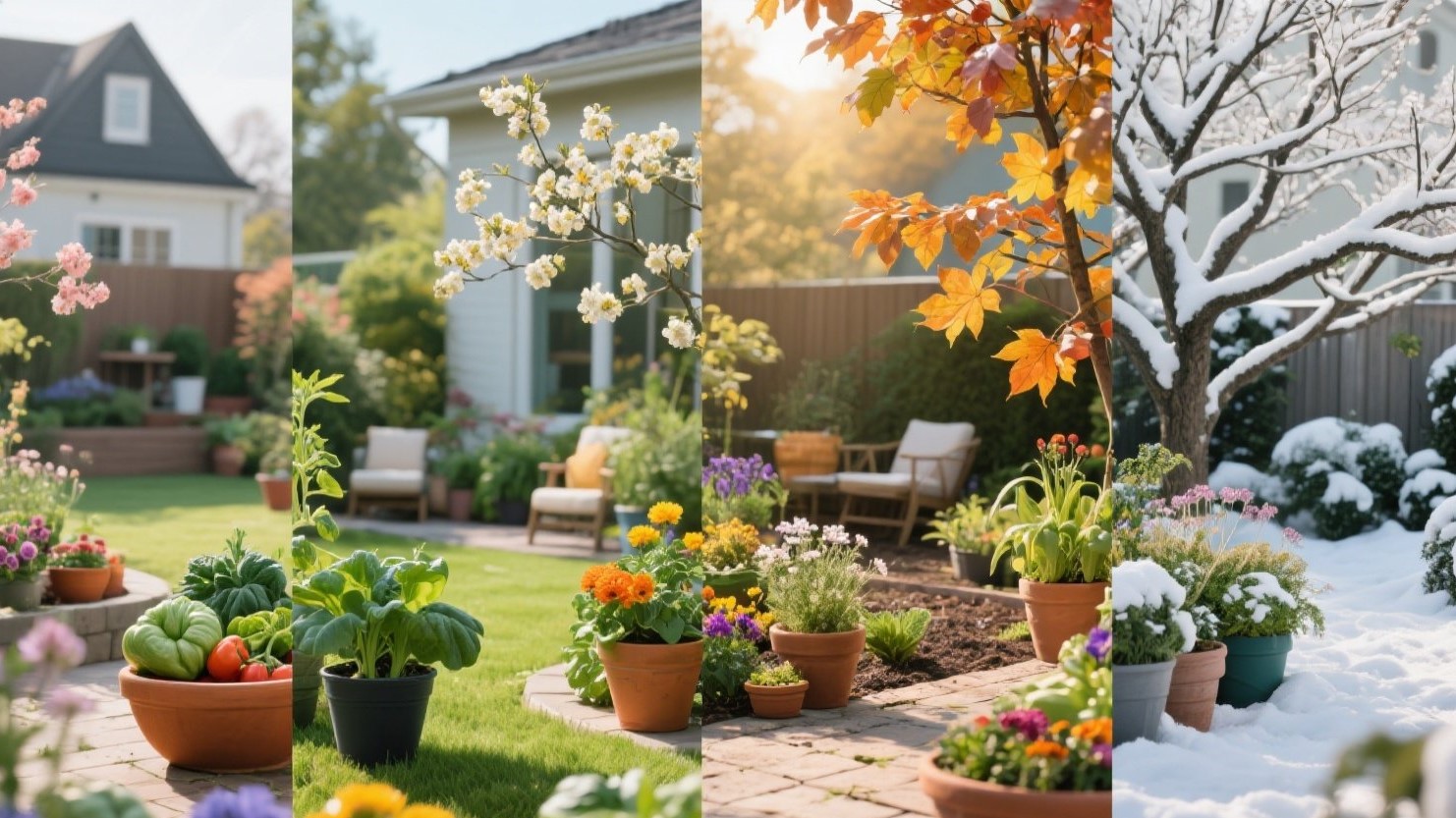
6. Seasonal Sunlight Shifts 🌞➡️🍂
Remember that sunlight patterns change throughout the year.
- Summer: The sun is higher; shadows are shorter.
- Winter: The sun sits lower; tall objects cast longer shadows.
- Spring/Fall: Transitional seasons where plants can adapt to moderate light shifts.
Recheck your sunlight map each season — this helps you plan which plants to rotate or protect.
Final Thoughts: Let the Light Guide Your Garden 🌸
Gardening success starts with observation — and sunlight is the perfect place to begin. By learning where the light naturally falls, you’ll create a thriving ecosystem tailored to your unique space.
Whether your balcony basks in golden rays or your backyard hides in gentle dappled shade, there’s always a plant that will love it there. 🌞🌿
Remember: the goal isn’t to fight your environment — it’s to work with it. Once you understand your garden’s sunlight rhythm, every plant has a better chance to flourish. 🌻