When you first dream about having your own garden — a space full of green leaves, flowers, and maybe even fresh vegetables — it’s easy to picture something big and beautiful. Rows of plants, climbing vines, and baskets of herbs ready to harvest.
But here’s the truth most beginner gardeners don’t hear enough: the best gardens often start small.
You don’t need a big backyard or expensive tools to grow something amazing. You just need patience, consistency, and the right first steps. In fact, starting small is the smartest way to become a confident, lifelong gardener.
1. Why Starting Small Sets You Up for Success
One of the biggest reasons people give up on gardening is overwhelm.
It’s tempting to plant everything at once — tomatoes, herbs, flowers, lettuce — and then suddenly realize you don’t have time, space, or experience to manage it all.
Starting small helps you:
- Learn by doing — you can focus on observing how plants grow without feeling rushed.
- Avoid burnout — less weeding, watering, and troubleshooting.
- See results faster — it’s easier to celebrate progress when you’re not juggling too much.
When you master a few plants and get consistent success, your confidence grows naturally — and so does your garden.
2. Begin with Easy, Rewarding Plants
The best way to stay motivated is to choose plants that are forgiving, fast-growing, and rewarding. For beginners, these are excellent choices:
🌿 Herbs: Basil, mint, oregano, or chives. They grow fast, smell great, and you can harvest them quickly.
🥬 Leafy Greens: Lettuce and spinach thrive even in small containers and grow well in partial shade.
🌼 Flowers: Marigolds, zinnias, and nasturtiums add color and attract pollinators while being low-maintenance.
🍅 Small Vegetables: Cherry tomatoes or peppers are perfect for container gardens and give satisfying results with little space.
Each success you see — each new sprout or bloom — teaches you something about how plants respond to light, water, and care.
3. Container Gardening: The Smart Way to Start Small
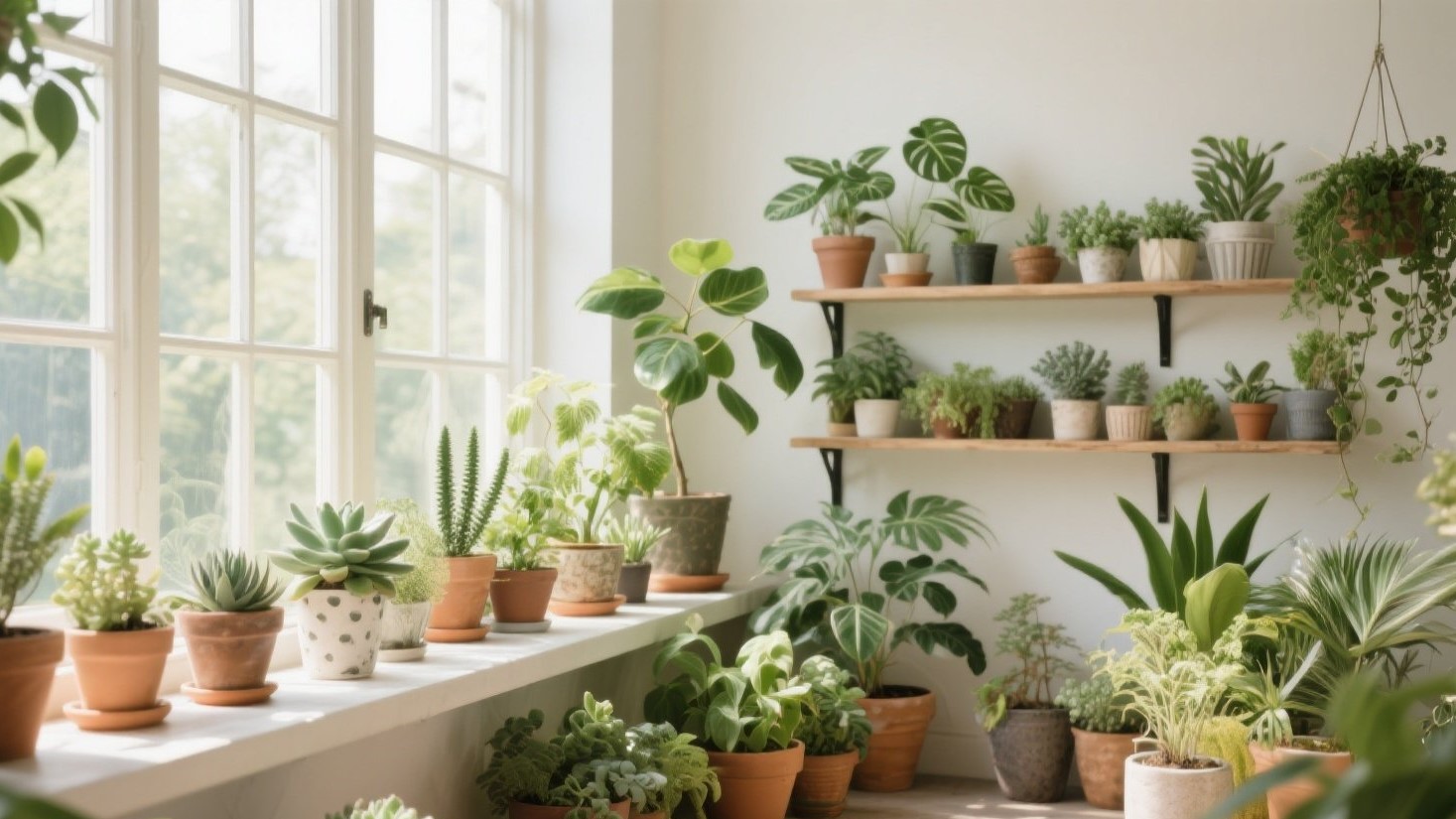
If you live in an apartment or don’t have much outdoor space, container gardening is your best friend.
You can grow herbs on your kitchen windowsill, a tomato plant on your balcony, or flowers on a small patio. The flexibility is unbeatable — you can move pots around to find better light or protect them from harsh weather.
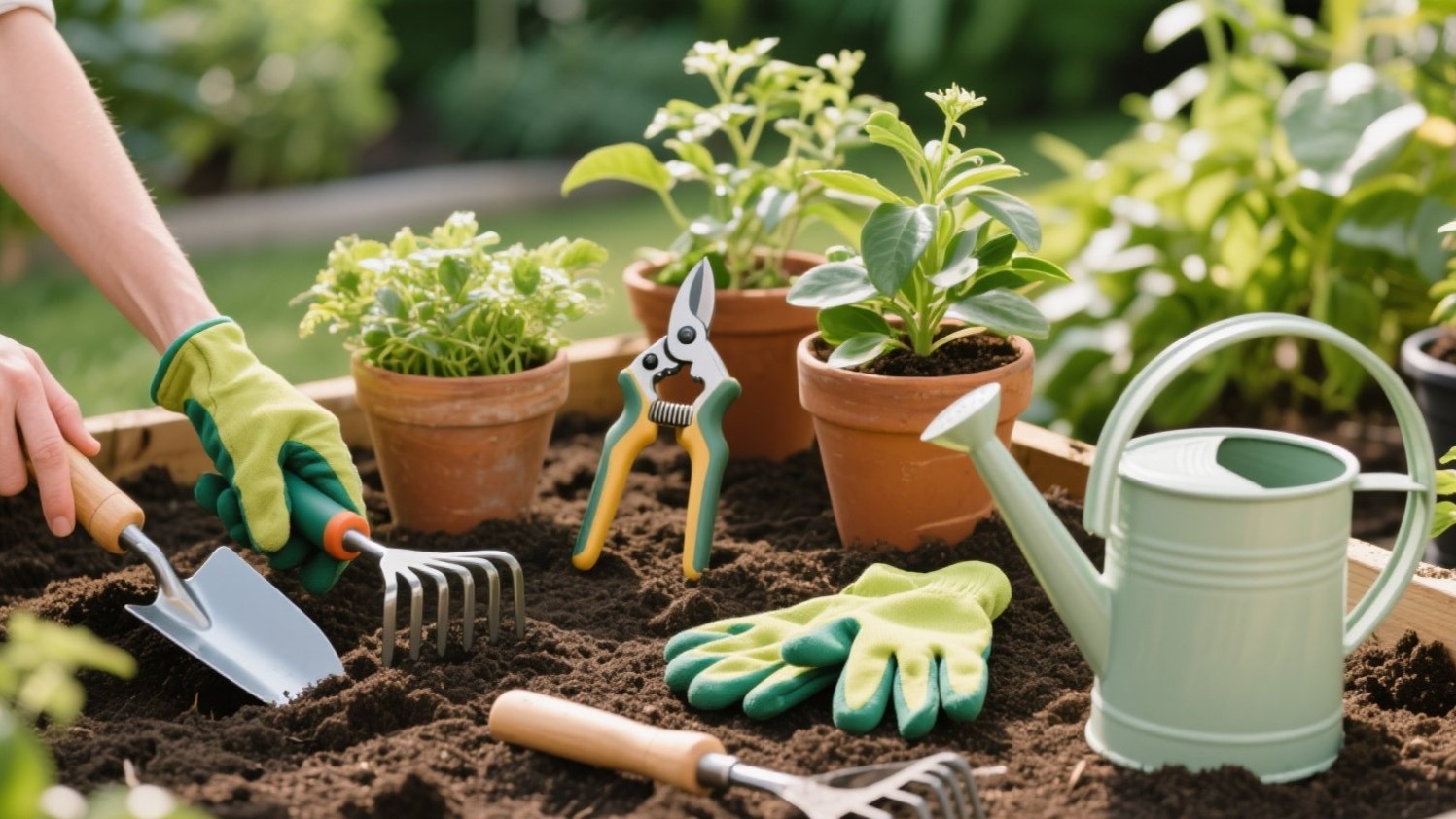
Beginner-friendly tips for containers:
- Choose pots with drainage holes — roots need air as much as water.
- Use quality potting mix, not garden soil — it’s lighter and retains moisture better.
- Water until it drains from the bottom, but don’t overwater; soggy roots lead to rot.
- Group pots together — it helps retain humidity and gives a lush, cohesive look.
Even one pot that thrives can teach you more than a dozen failed garden beds.
4. Light, Water, and Patience — Your Core Skills
You’ll hear a lot about fertilizers, soil types, and pest control — and those matter — but the foundation of gardening is still these three simple things:
🌞 Light: Most plants need at least 4–6 hours of sunlight per day. Observe how sunlight moves through your space before deciding where to grow.
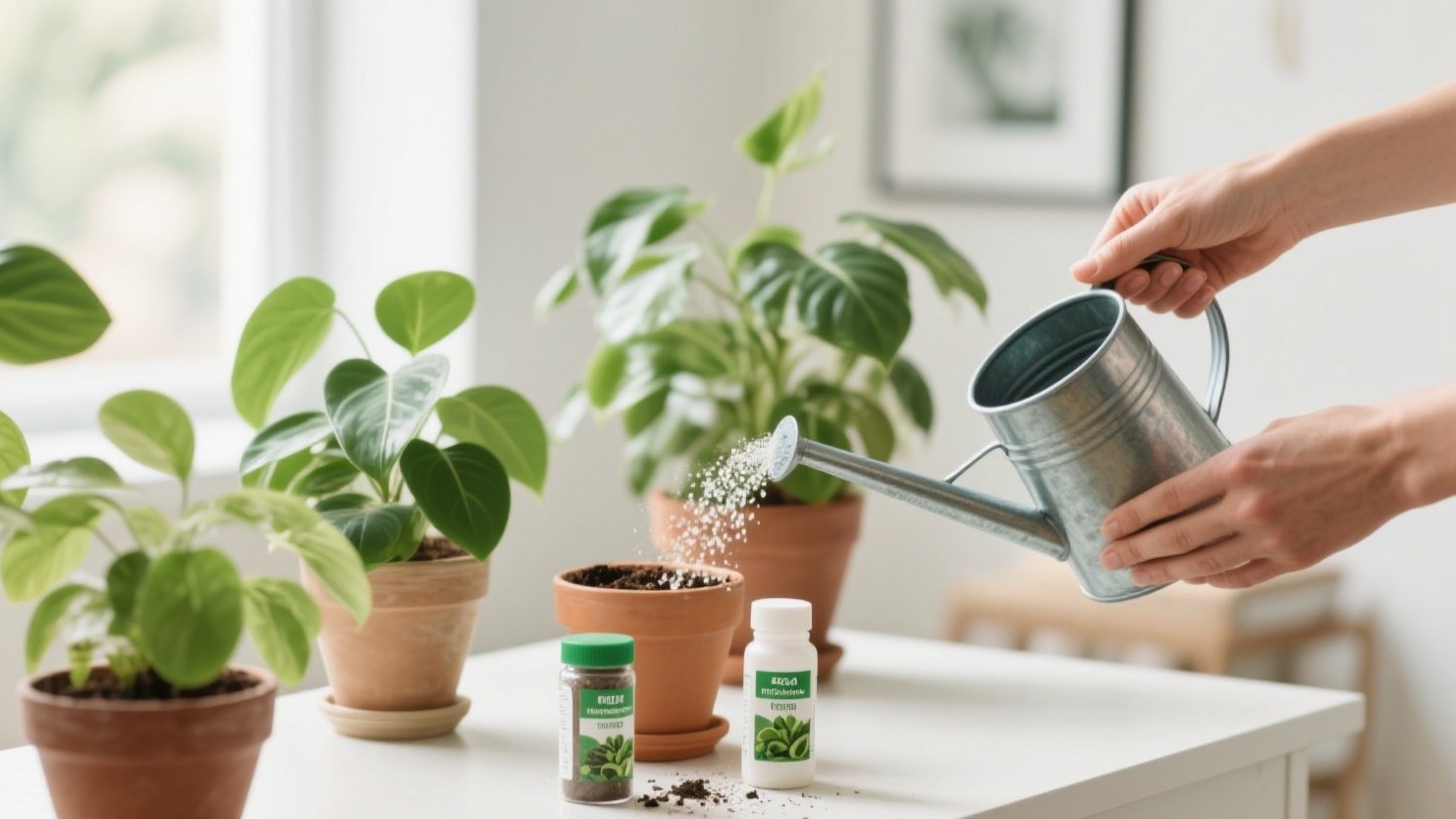
💧 Water: Check soil moisture before watering. Stick your finger about an inch into the soil — if it feels dry, water it. If it’s damp, wait a day.
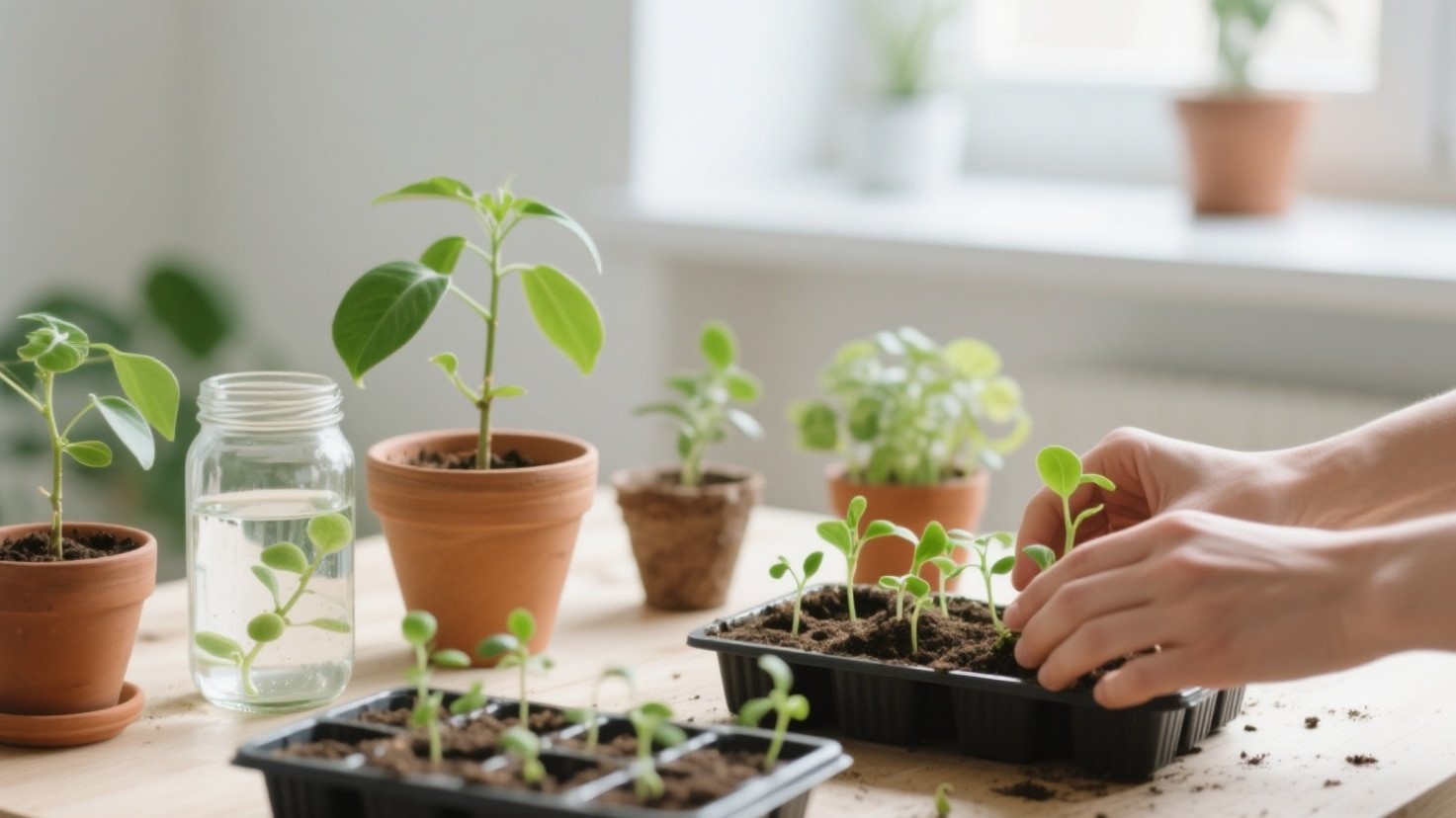
🕰️ Patience: Plants grow at their own pace. Some seeds sprout in a week, others take a month. Gardening teaches you to slow down and trust the process.
When you get these right, everything else becomes easier.
5. Build Confidence Through Observation
Instead of worrying about perfection, spend time watching your plants.
Notice how they respond to light, how leaves change when they need water, or how growth accelerates after a week of sunshine. These tiny observations are what turn beginners into skilled gardeners.
Keep a simple garden journal — jot down what you planted, when you watered, and how it looked. Over time, you’ll spot patterns that help you improve naturally.
6. Grow What You Love
The best gardening advice is also the simplest: grow what excites you.
If you love cooking, start with herbs you use often. If you love flowers, grow ones that make you smile every morning. Passion keeps you consistent — and consistency is what makes a gardener successful.
When you connect emotionally to your plants, caring for them feels like joy, not a chore.
7. Expand Gradually — Let Your Garden Grow With You
Once you’ve seen a few wins — a thriving herb pot, a successful tomato plant — you can start expanding. Add a raised bed, experiment with composting, or try companion planting.
But do it slowly. Gardening isn’t a race; it’s a relationship. Every season brings new lessons.
Start small, grow smart — and let every leaf and bloom remind you how much life rewards patience.
💬 Engagement Idea:
👉 What’s the first plant you ever grew successfully? Share your beginner win — big or small — and help inspire new gardeners to start their journey!