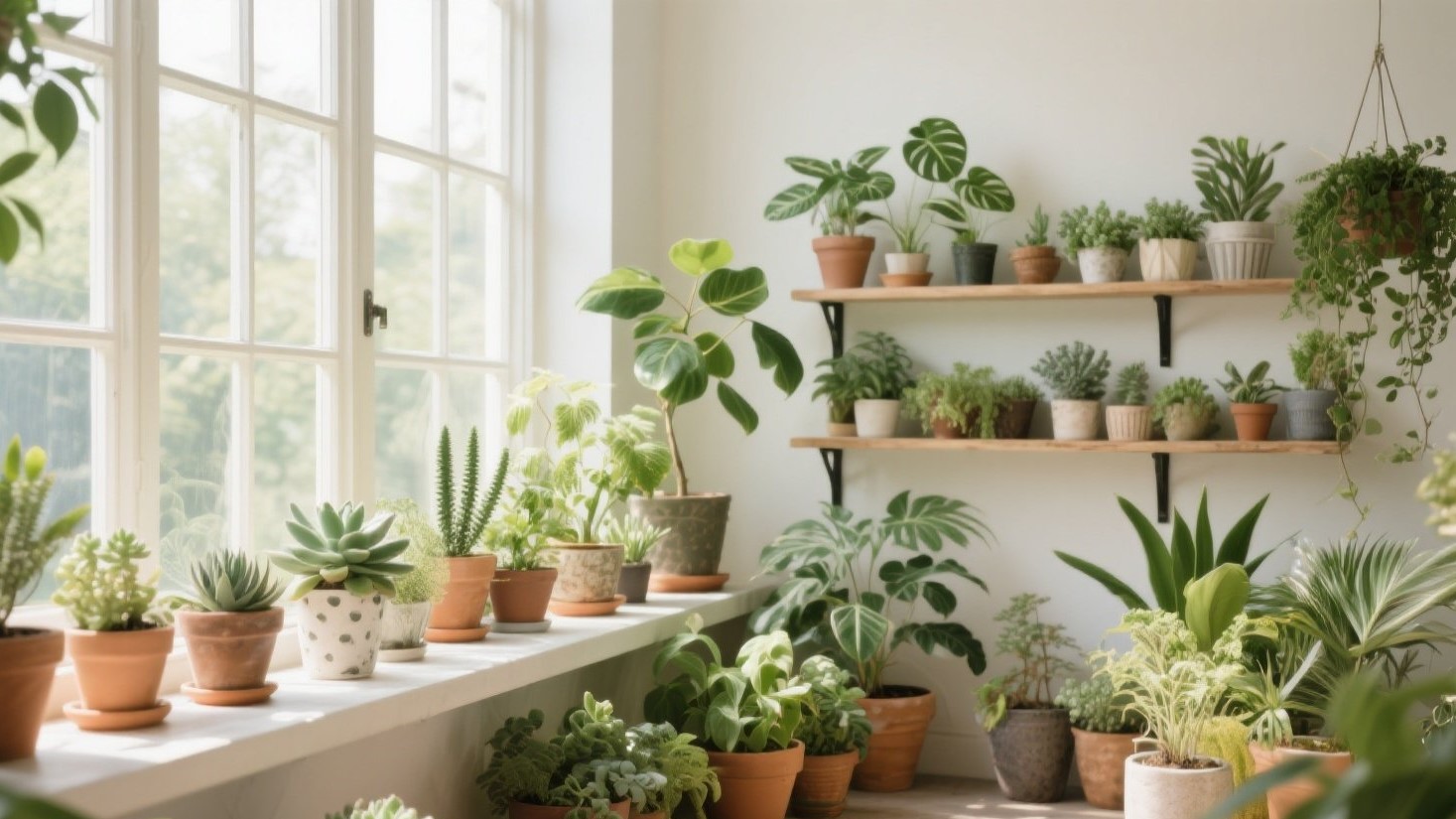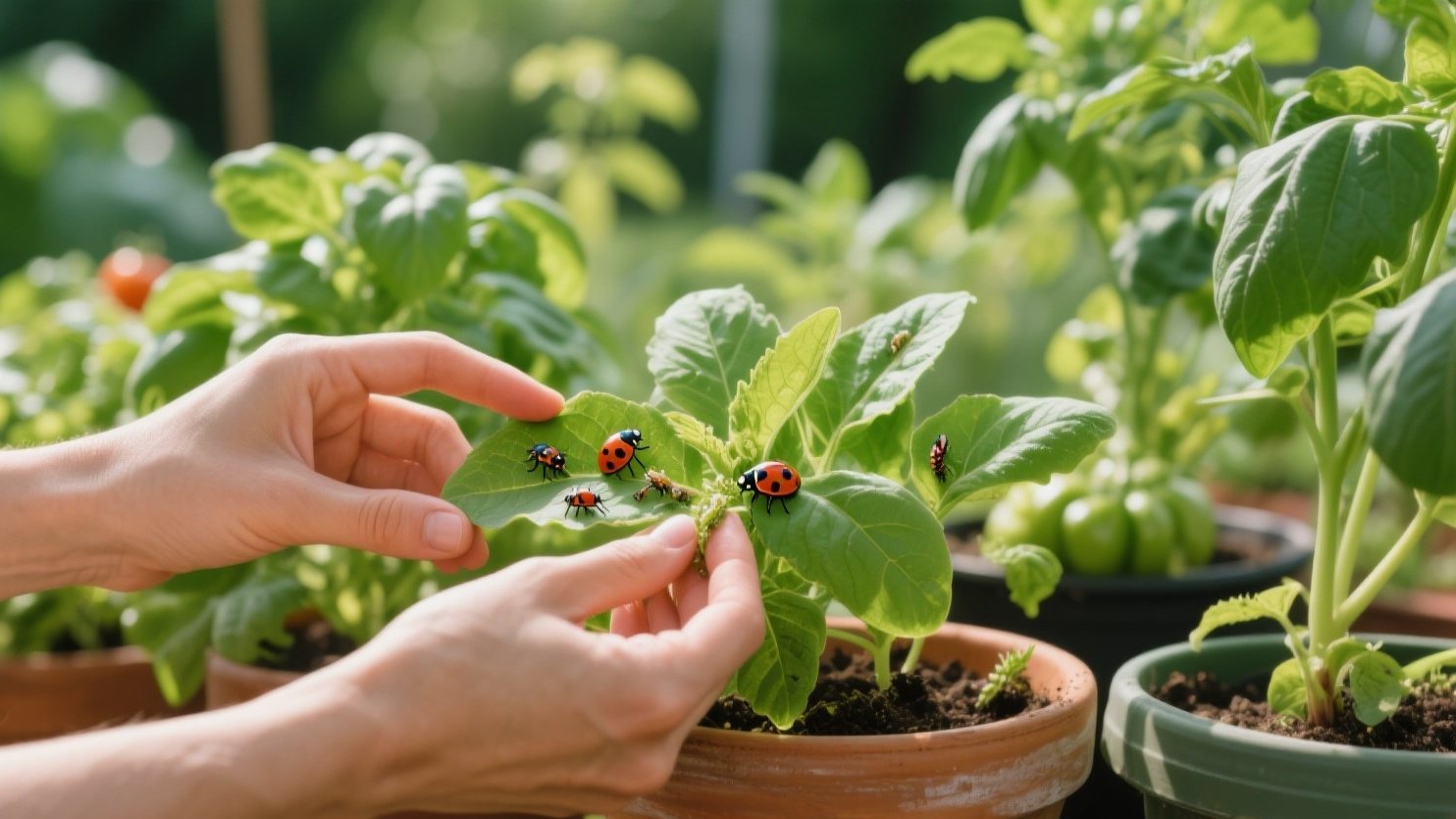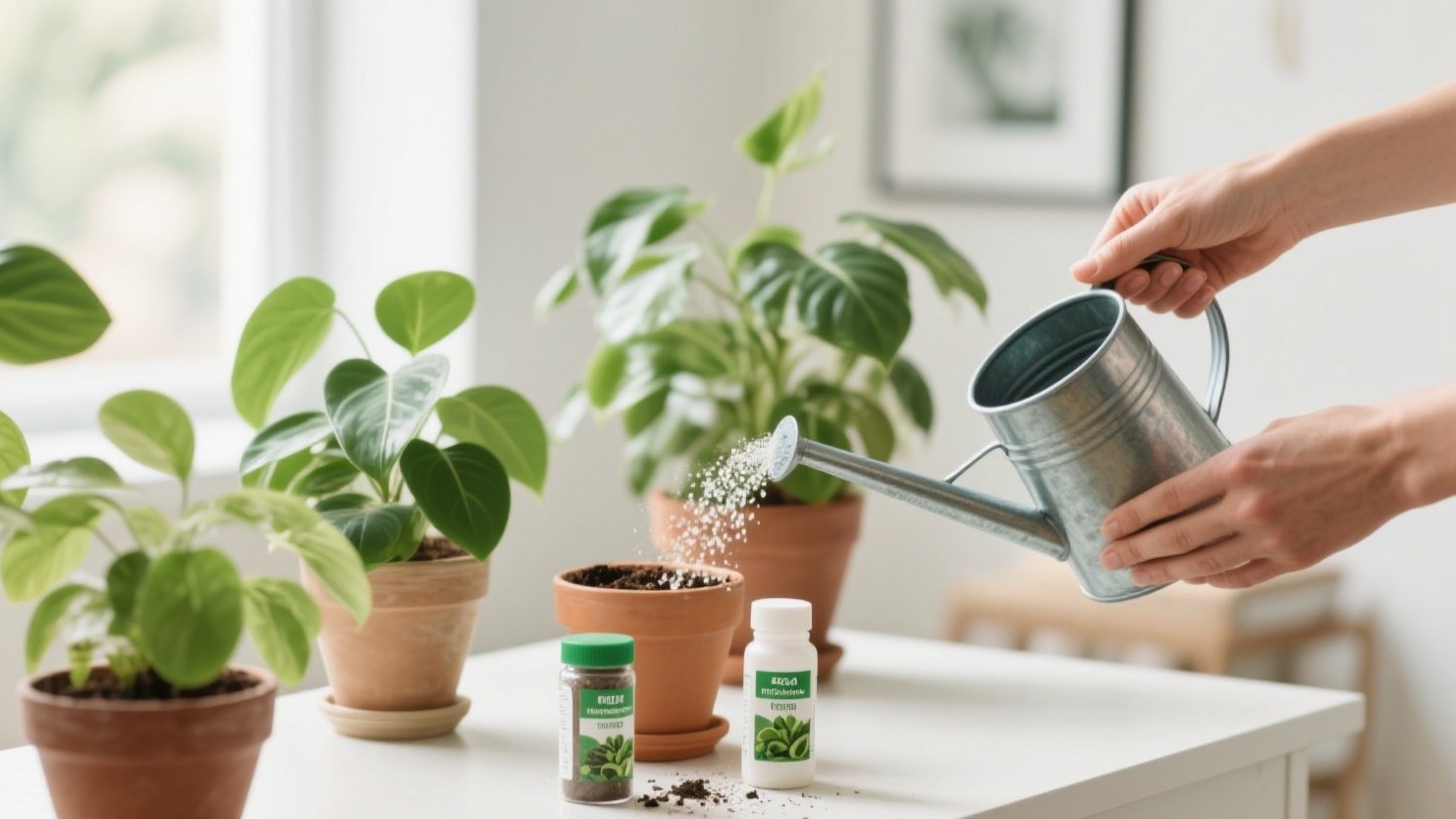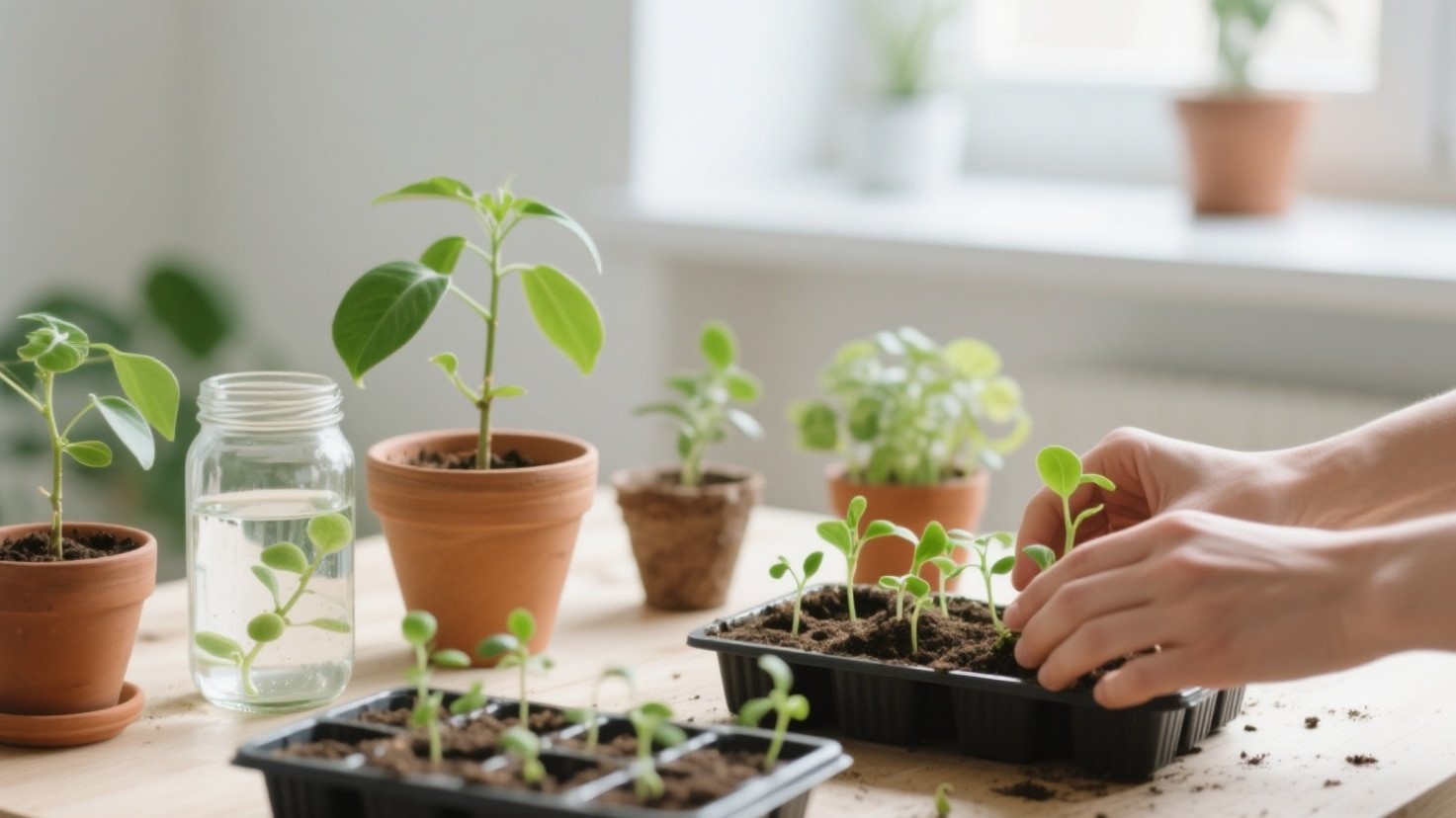
If there’s one rule every gardener — beginner or expert — should live by, it’s this: “Right plant, right place.”
It sounds simple, but it’s the reason so many gardens either thrive beautifully or struggle endlessly. You can buy the healthiest plant from the nursery, water it faithfully, and still watch it wilt — not because you did anything wrong, but because it wasn’t planted where it truly belonged.
Matching plants to the conditions they need — sunlight, soil type, moisture, and climate — is what separates effortless gardens from frustrating ones.
Let’s break down why location matters more than most people realize, and how you can use this rule to build a garden that grows with ease, not resistance.
1. Every Plant Has a “Comfort Zone”
Just like people, plants have preferences. Some love basking in the sun all day, others thrive in shade. Some need sandy, fast-draining soil, while others prefer it rich and moist.
When we ignore these natural needs, even the toughest plant struggles. But when we match a plant to the right environment, it almost takes care of itself.
Think of it this way:
A cactus won’t survive in soggy soil, and a fern won’t forgive you for planting it under direct noon sun.
When you understand a plant’s comfort zone, you stop forcing it to adapt — and start letting it flourish.
2. Light: The #1 Factor Most Gardeners Get Wrong
Sunlight is the plant world’s energy source — but not all light is equal.
Most plant tags will say something like “full sun,” “partial shade,” or “shade.” Here’s what those actually mean:
☀️ Full Sun: 6+ hours of direct sunlight per day. Think vegetables, roses, and succulents.
⛅ Partial Shade: 3–6 hours of sunlight, often morning sun and afternoon shade. Perfect for herbs like mint and flowers like impatiens.
🌳 Full Shade: Less than 3 hours of direct sunlight. Ideal for ferns, hostas, and certain tropical foliage.
👉 Tip: Observe your garden throughout the day. Note which spots get morning sun, afternoon heat, or filtered light through trees. This simple exercise prevents 80% of plant “mystery deaths.”
3. Soil: The Hidden Foundation of Every Healthy Garden
What’s beneath your feet matters as much as what’s above it. Plants absorb nutrients, water, and oxygen through their roots — and soil type determines how easily they can do that.
Here’s how to get to know your soil:
- Clay soil: Dense, heavy, and slow-draining. Good for moisture-loving plants like hydrangeas, but tough for drought-tolerant ones.
- Sandy soil: Drains quickly and warms up fast, great for lavender or succulents — but needs frequent watering.
- Loamy soil: The perfect balance — rich, crumbly, and drains well. Most vegetables love it.
You can do a quick jar test at home:
- Take a scoop of soil, remove debris.
- Mix with water in a clear jar, shake well, and let it settle overnight.
- Observe the layers — sand (bottom), silt (middle), clay (top).
Knowing your soil type helps you amend it wisely, rather than guessing.
4. Climate and Microclimate: The Overlooked Variables
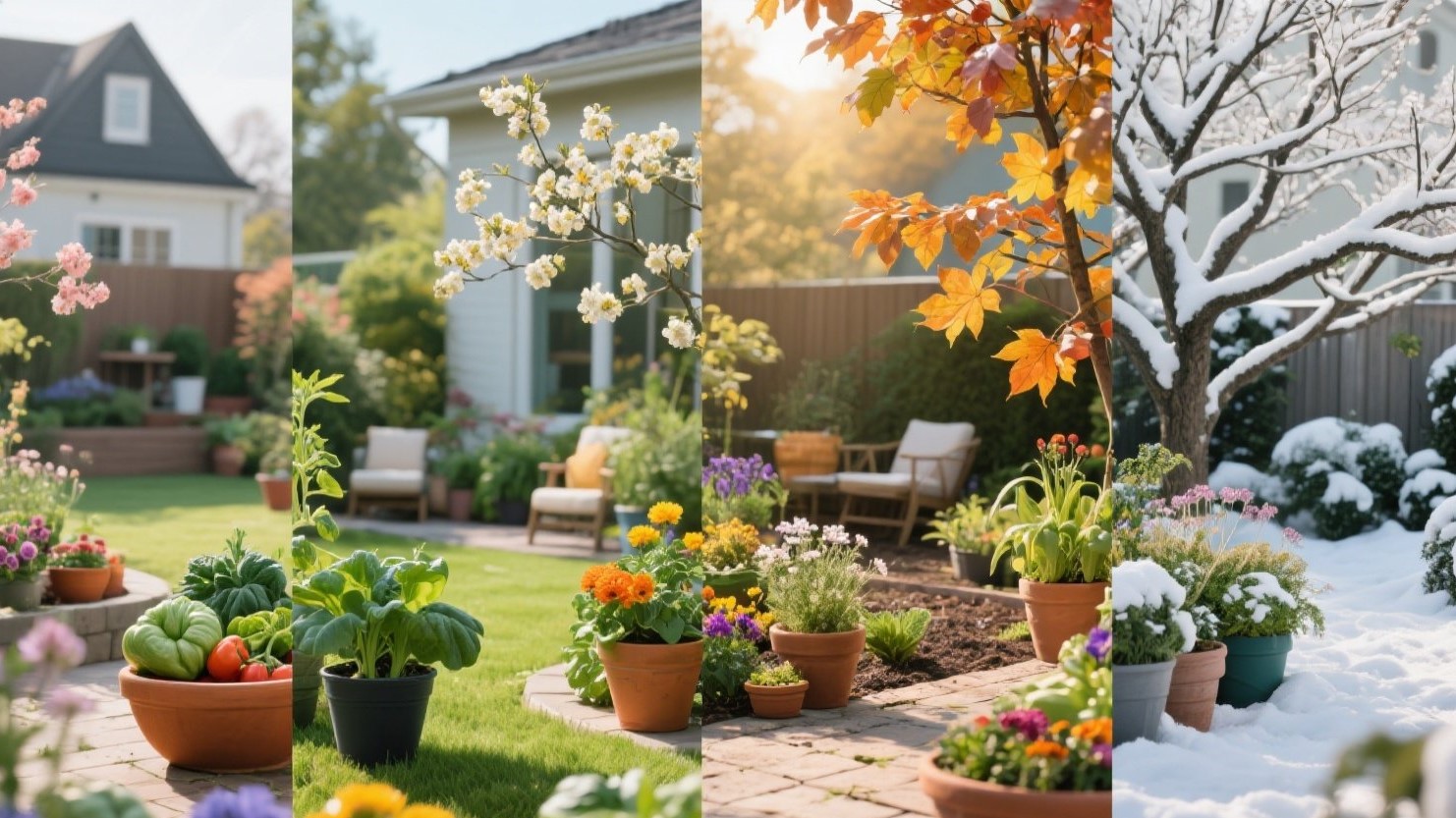
Your garden’s climate (regional temperature and weather patterns) and microclimate (unique conditions within your space) can make or break plant success.
- Climate zones: Look up your USDA Plant Hardiness Zone (or your country’s equivalent). It shows which plants can survive your typical winter temperatures.
- Microclimates: Within one yard, conditions vary — a sunny wall radiates heat, a shaded corner stays cooler, and a low spot may collect moisture.
Observe these differences before planting. For instance:
- A south-facing wall might be perfect for heat-loving herbs like rosemary.
- A moist, shady corner could host lush ferns or hostas.
By reading your space instead of fighting it, you create a natural ecosystem — not a daily battle.
5. Water and Drainage: Finding the Balance
Water is life — but too much or too little can kill even the strongest plants.
- Plants like lavender, thyme, and succulents prefer dry conditions. Plant them in raised beds or pots with excellent drainage.
- Plants like mint, ferns, and hydrangeas thrive in consistently moist soil.
Test your garden’s drainage by digging a small hole, filling it with water, and timing how long it takes to drain:
- Under 1 hour = excellent drainage
- 1–3 hours = moderate drainage
- Over 4 hours = poor drainage (consider raised beds or soil amendment)
Watering smart is about understanding who needs what, not following a one-size-fits-all schedule.
6. Group Plants by Their Needs
Want a low-maintenance garden? Group plants with similar needs together.
For example:
- Keep all sun-loving plants like tomatoes, basil, and zinnias in one area.
- Place shade-lovers like hostas and ferns in another.
- Cluster drought-tolerant plants together to reduce watering frequency.
This not only simplifies care but also creates visual harmony — plants growing side by side tend to look healthier when they thrive under the same conditions.
7. Observation Is Your Best Gardening Tool
Gardening is a slow conversation between you and your environment.
Take time to watch — where dew lingers longest, which corner gets the first frost, which spot bakes in the afternoon sun. Every observation helps you choose better plants next season.
The most experienced gardeners aren’t the ones who memorize the most facts — they’re the ones who pay attention.
8. When You Get It Right, Everything Feels Effortless
Once your plants are in the right spots, something magical happens:
- You’ll water less because the soil and light balance themselves.
- Leaves stay greener, flowers last longer, and pests become less of an issue.
- You’ll feel less frustration — and more joy — in simply watching your garden grow.
“Right plant, right place” isn’t just a rule; it’s a philosophy. It teaches you to listen to nature, respect the balance, and grow in harmony rather than control.
💬 Engagement Idea:
👉 Have you ever planted something in the wrong spot and learned the hard way? What did you change — and did it finally thrive?