💡 Introduction: Hands-On Soil Testing Made Simple
Gardening success starts with understanding your soil, but most guides dive into chemical tests, pH meters, or professional lab reports. What if there were a simple, tactile method to identify your soil type in seconds?
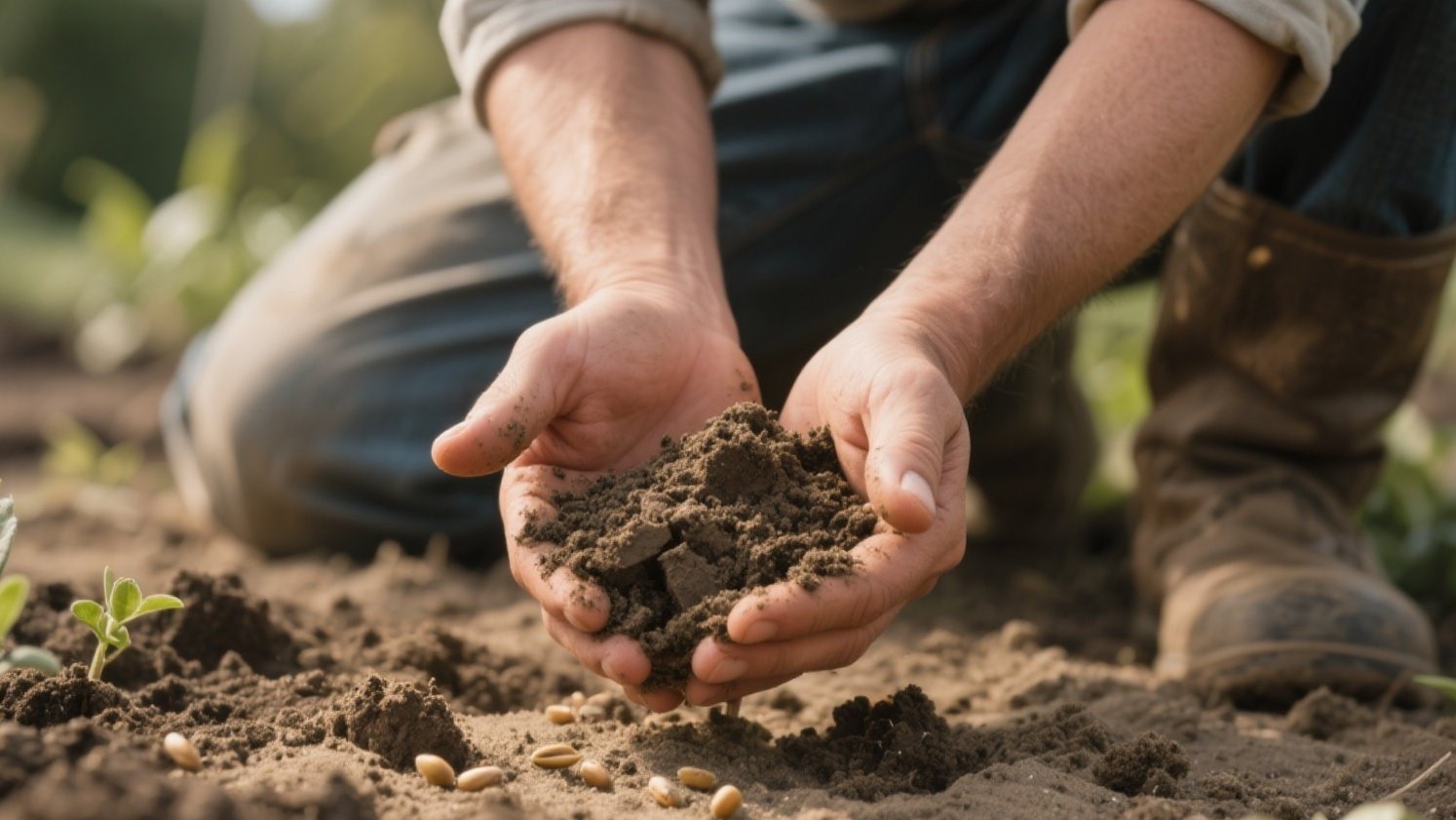
Enter the Thumb Test — a hands-on technique that lets you feel your soil and determine whether it’s clay, loam, or sand without any equipment. This quick, practical approach is perfect for gardeners, farmers, or anyone who wants to assess soil texture naturally before planting.
By the end of this guide, you’ll know how to test, interpret, and act on your soil type using just your hands — no lab required.
🧭 Why Soil Texture Matters
- Water Retention & Drainage
- Clay holds water but drains slowly.
- Sand drains quickly but dries out fast.
- Loam offers a balanced mix, ideal for most plants.
- Nutrient Availability
- Clay particles hold nutrients tightly.
- Sandy soils often require more frequent fertilization.
- Loam provides moderate nutrient retention and plant-friendly structure.
- Root Growth & Aeration
- Compacted clay can restrict roots.
- Sandy soil roots may struggle to anchor.
- Loam supports strong, healthy root systems.
🧭 How to Perform the Thumb Test
Step 1: Collect a Soil Sample
- Dig 2–4 inches below the surface.
- Remove rocks, sticks, and large debris.
- Moisten slightly with water until the soil is damp but not muddy.
Step 2: Roll and Squeeze
- Roll a small amount of soil into a ball between your fingers.
- Squeeze lightly with your thumb.
Step 3: Interpret the Feel
1. Clay Soil
- Texture: Sticky, smooth, and plastic-like.
- Behavior: Forms a tight ball that holds shape when squeezed.
- Implications: Poor drainage, slow warming in spring; amend with organic matter.
2. Loam Soil
- Texture: Crumbly yet slightly sticky, balanced.
- Behavior: Forms a ball that holds loosely, breaks easily when poked.
- Implications: Ideal for most plants; naturally fertile and drains well.
3. Sandy Soil
- Texture: Gritty, dry, falls apart easily.
- Behavior: Cannot form a ball; slips through fingers.
- Implications: Drains quickly, low nutrient retention; amend with compost for fertility.
🧭 Tips for Accurate Thumb Testing
- Test Multiple Spots
- Soil can vary across a garden; test 3–5 areas for a representative sample.
- Moisture Matters
- Soil too dry or too wet can give misleading results; aim for slightly damp consistency.
- Combine With Observation
- Color, organic matter content, and past plant growth patterns enhance your assessment.
- Amend Accordingly
- Clay: Add sand, compost, or gypsum to improve drainage.
- Sand: Add organic matter to retain moisture.
- Loam: Maintain with mulch and periodic composting.
💬 Why This Matters
- Quick and Accessible: No lab, no expensive tools.
- Hands-On Learning: Connects you directly with the soil and plants.
- Actionable Insights: Adjust amendments and plant choices based on real soil texture.
- Confidence for Gardeners: Enables smarter planting decisions immediately.
🌿 Perspective: The Thumb Test proves that gardening doesn’t always require high-tech tools — sometimes, the best sensor is your own hands.
🌟 Final Thoughts
Understanding your soil is the first step to gardening success. The Thumb Test offers a simple, effective way to identify clay, loam, or sand instantly, helping you make planting and amendment decisions with confidence.
👩🌾 Feel the soil, know your ground, and grow smarter — your thumb is the ultimate gardening tool.