Introduction 🌼
If you’ve ever wondered, “Am I feeding my plants too much or not enough?” — you’re not alone. Fertilizing can feel like a guessing game, especially for beginners. Some guides say “feed weekly,” others recommend “monthly,” and a few warn against fertilizing at all during certain seasons. The truth is, different plants have different appetites, and overfeeding can be just as damaging as neglect.
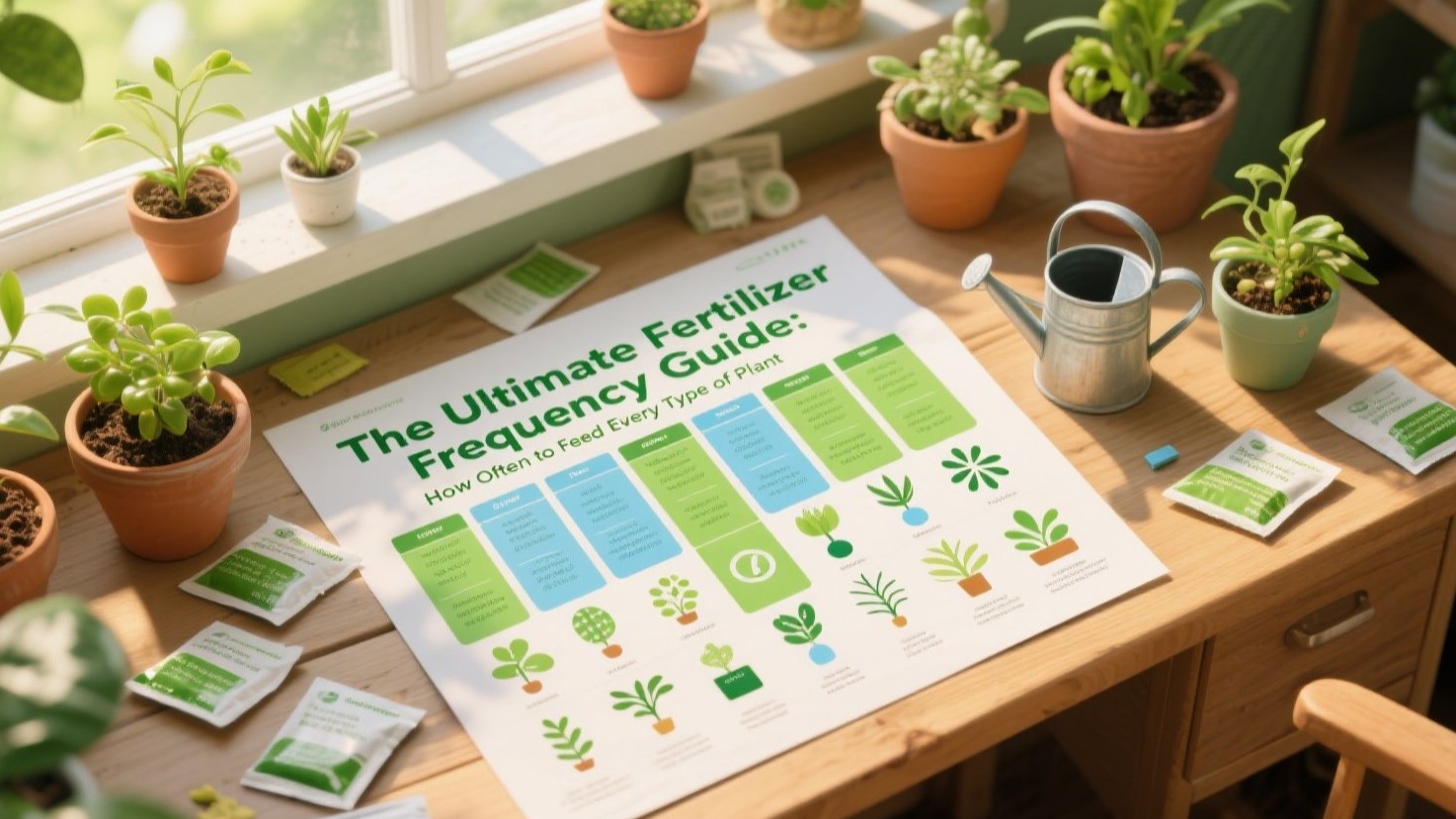
This article simplifies everything with a detailed Fertilizer Frequency Chart — a practical guide you can bookmark, print, or save for reference. Whether you’re nurturing indoor houseplants, fragrant herbs, or colorful garden blooms, this guide will help you feed your plants confidently and effectively — no guesswork, no overkill.
Why Fertilizer Timing Matters 🌱

Just like humans need balanced meals at regular intervals, plants require consistent nutrition to thrive. Fertilizers replenish the essential nutrients that soil loses over time — primarily nitrogen (N), phosphorus (P), and potassium (K).
But here’s the catch:
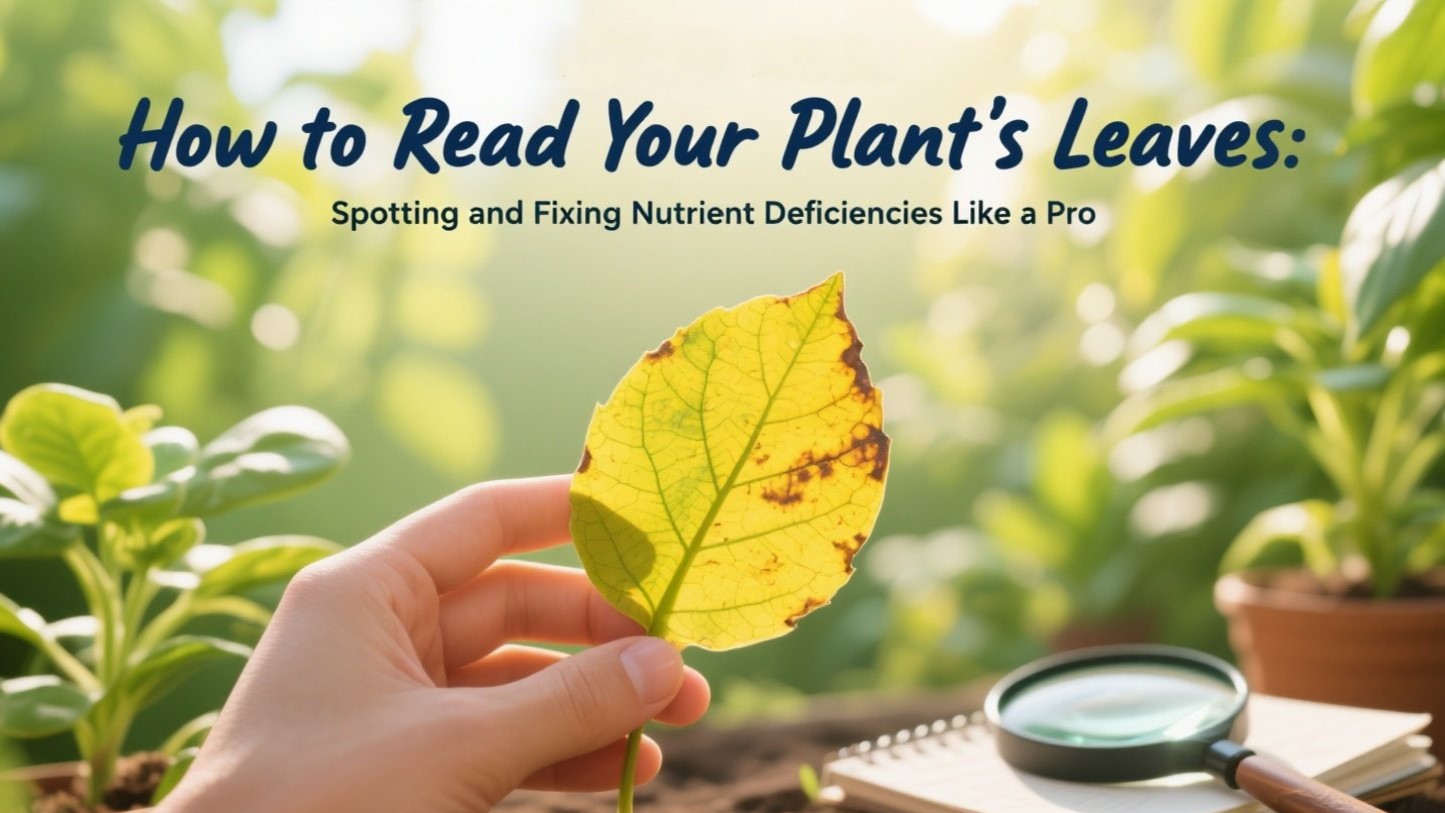
- Too frequent feeding can cause fertilizer burn, yellowing leaves, and salt buildup.
- Too little feeding leads to stunted growth, pale foliage, and weak flowering.
The goal isn’t to feed more — it’s to feed right.
By following a proper schedule, you can:
✅ Encourage steady, healthy growth.
✅ Extend blooming periods for flowers.
✅ Strengthen root systems for resilience.
✅ Save money and reduce fertilizer waste.
The Fertilizer Frequency Chart 📅🌾
| Plant Type | Growing Season | Recommended Fertilizer Frequency | Fertilizer Type | Tips |
|---|---|---|---|---|
| Indoor Houseplants | Spring–Early Fall | Every 2–4 weeks | Balanced liquid fertilizer (10-10-10 or 20-20-20) | Always dilute to half strength. Skip feeding in winter when growth slows. |
| Succulents & Cacti | Spring–Summer | Once every 6–8 weeks | Low-nitrogen fertilizer (2-7-7 or cactus blend) | Avoid feeding in dormancy (autumn/winter). Too much fertilizer leads to mushy roots. |
| Leafy Herbs (Basil, Mint, Parsley) | Spring–Summer | Every 2 weeks | Organic or liquid fertilizer high in nitrogen | Stop feeding 2 weeks before harvesting heavily for stronger flavor. |
| Woody Herbs (Rosemary, Thyme, Sage) | Spring–Early Fall | Once a month | Balanced or slow-release fertilizer | Overfeeding can make flavors milder. Keep nutrients modest. |
| Flowering Annuals (Petunias, Marigolds, Zinnias) | Spring–Fall | Every 1–2 weeks | Bloom booster (high phosphorus, like 15-30-15) | Regular feeding = longer, brighter blooms. Water before fertilizing. |
| Perennial Flowers (Lavender, Coneflower, Daisy) | Spring–Mid Summer | Once a month | Balanced or organic compost tea | Avoid fertilizing after mid-summer to prevent weak winter growth. |
| Vegetables (Tomatoes, Peppers, Leafy Greens) | Spring–Fall | Every 2–3 weeks | Organic compost, fish emulsion, or balanced NPK | Stop feeding before harvest to reduce nitrate buildup in leaves. |
| Orchids | Year-round | “Weakly, weekly” (dilute liquid feed weekly) | Orchid-specific fertilizer | Rinse pots monthly to prevent salt buildup. Skip when buds drop. |
| Indoor Palms | Spring–Early Fall | Once a month | Palm fertilizer or slow-release pellets | Palms are sensitive — always water first, then feed lightly. |
| Lawns (Grass) | Spring–Early Fall | Every 6–8 weeks | Lawn-specific granules (high nitrogen) | Avoid feeding during drought or heat waves. |
How to Read and Use the Chart 🧾
Think of this chart as a plant meal planner.
- Frequency: indicates how often your plant’s roots should receive nutrients.
- Fertilizer type: tells you what nutrient balance suits its growth pattern.
- Tips: helps prevent common feeding mistakes that cause stress or nutrient burn.
📌 Pro Tip: Keep a mini logbook or phone reminder for feeding dates. Plants thrive on consistency, not abundance.
Common Fertilizing Mistakes to Avoid 🚫🌿
- Overfeeding = Root Damage
Excess nutrients build up as salts, dehydrating roots. Always flush the soil monthly with plain water. - Feeding Dormant Plants
During winter or drought, most plants slow down growth. Feeding them then is like forcing a full meal during sleep. - Ignoring Watering Before Fertilizing
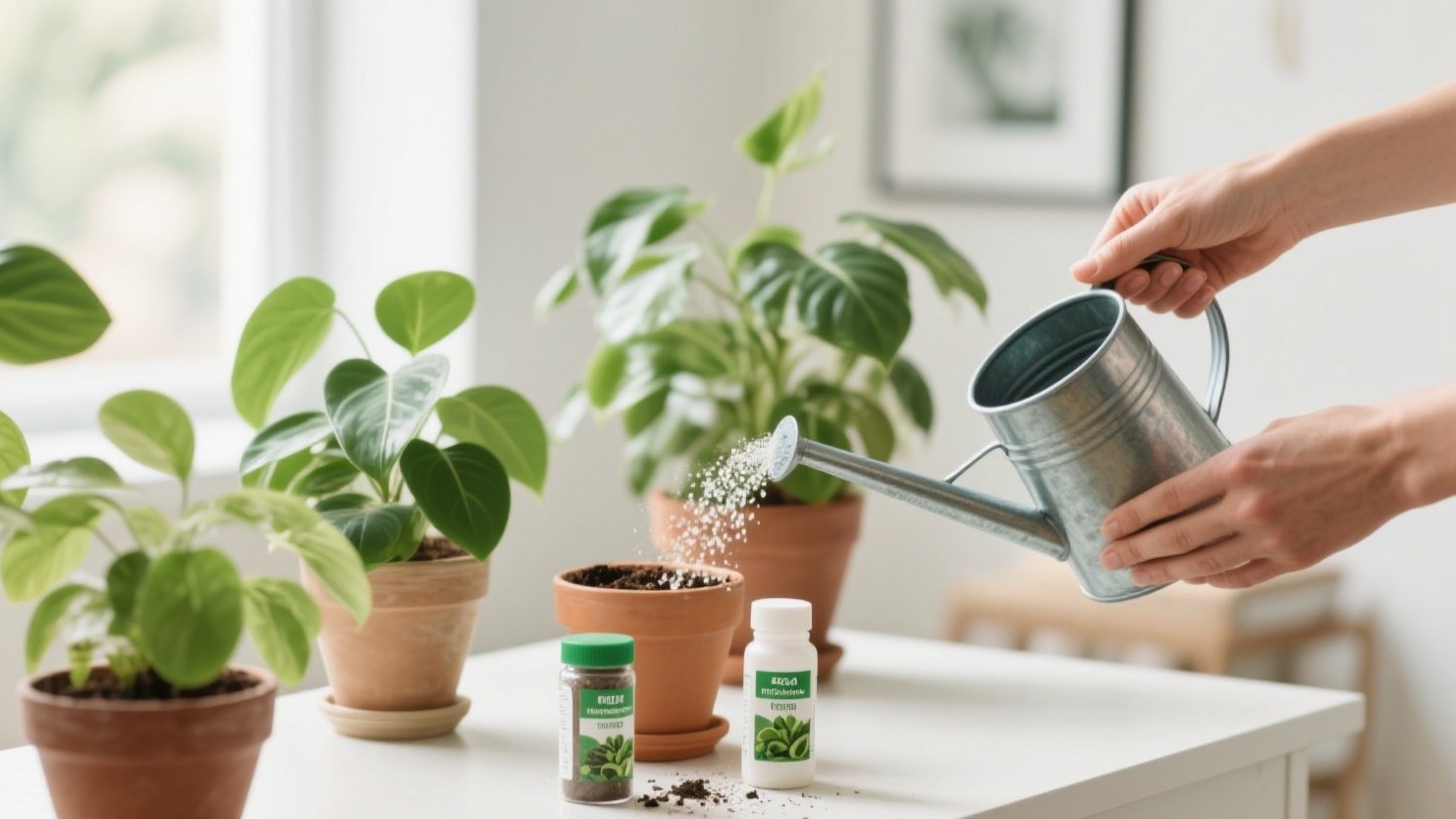
Dry soil can cause fertilizer to burn roots. Always water lightly first. - Using the Wrong Formula
A flowering plant needs more phosphorus (for blooms), while leafy greens crave nitrogen. Match your fertilizer to your plant’s needs.
Natural and Sustainable Fertilizer Alternatives 🌎
If you want to go the eco-friendly route, these natural options are safe, effective, and easy to make:
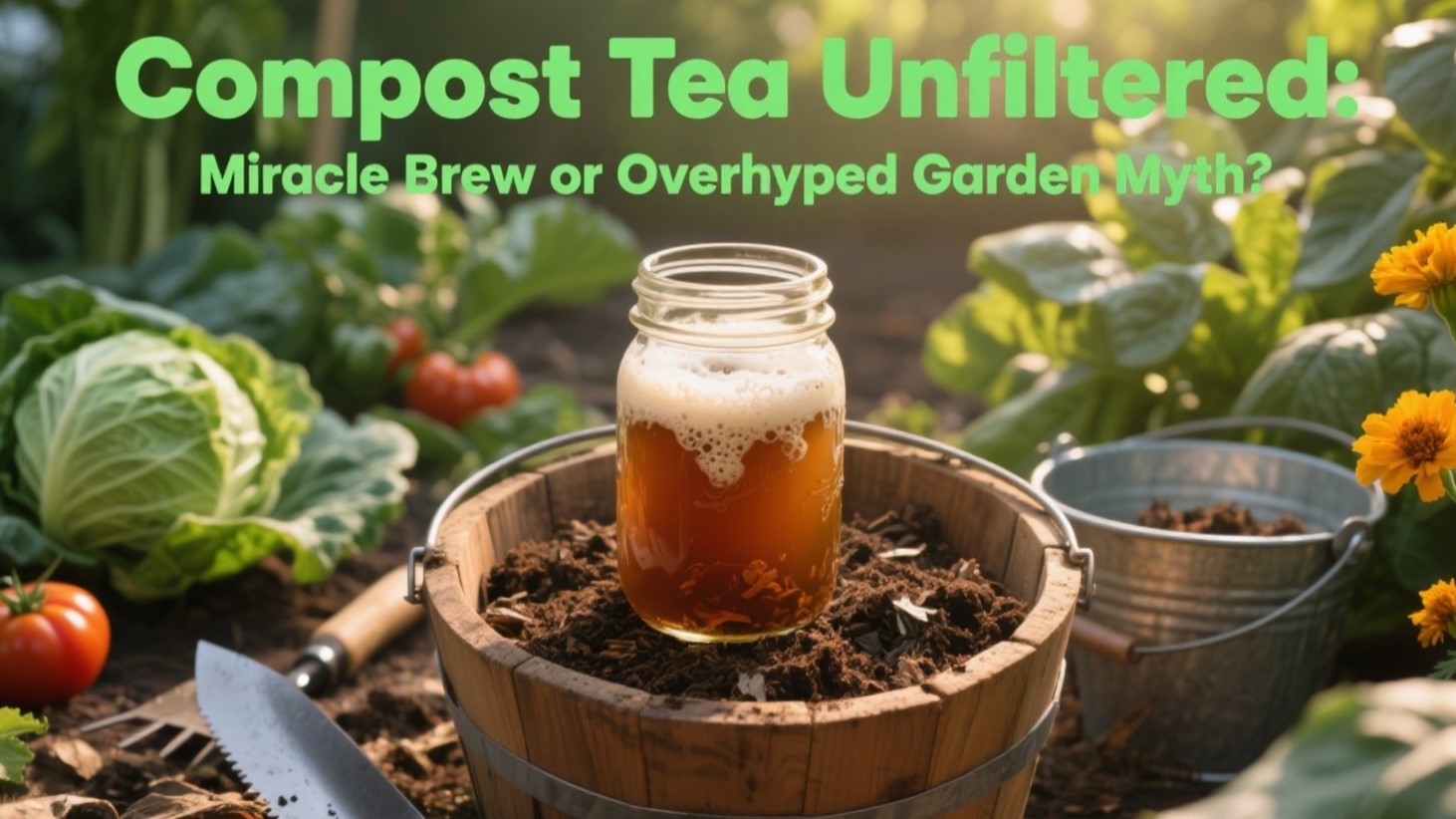
- Compost tea – gentle and nutrient-rich for any plant type.
- Banana peel water – adds potassium for flowering plants.
- Crushed eggshells – boost calcium for tomatoes and peppers.
- Worm castings – slow-release nutrients that never burn roots.
These organic solutions reduce chemical dependency while enriching soil biodiversity — a win for both your plants and the planet.
Final Thoughts 🌸
Fertilizing doesn’t need to be complicated. Once you understand your plants’ natural rhythms and nutrient preferences, it becomes a simple, rewarding routine. The secret isn’t feeding more — it’s feeding smart.
Whether you’re growing lush houseplants, fragrant herbs, or stunning flowers, consistent nourishment and care will help your plants flourish naturally. Bookmark this chart, follow it through the seasons, and soon you’ll develop an instinct for exactly when your plants are “hungry.” 🌱💚