🌱 Introduction: The Dilemma of Used Soil
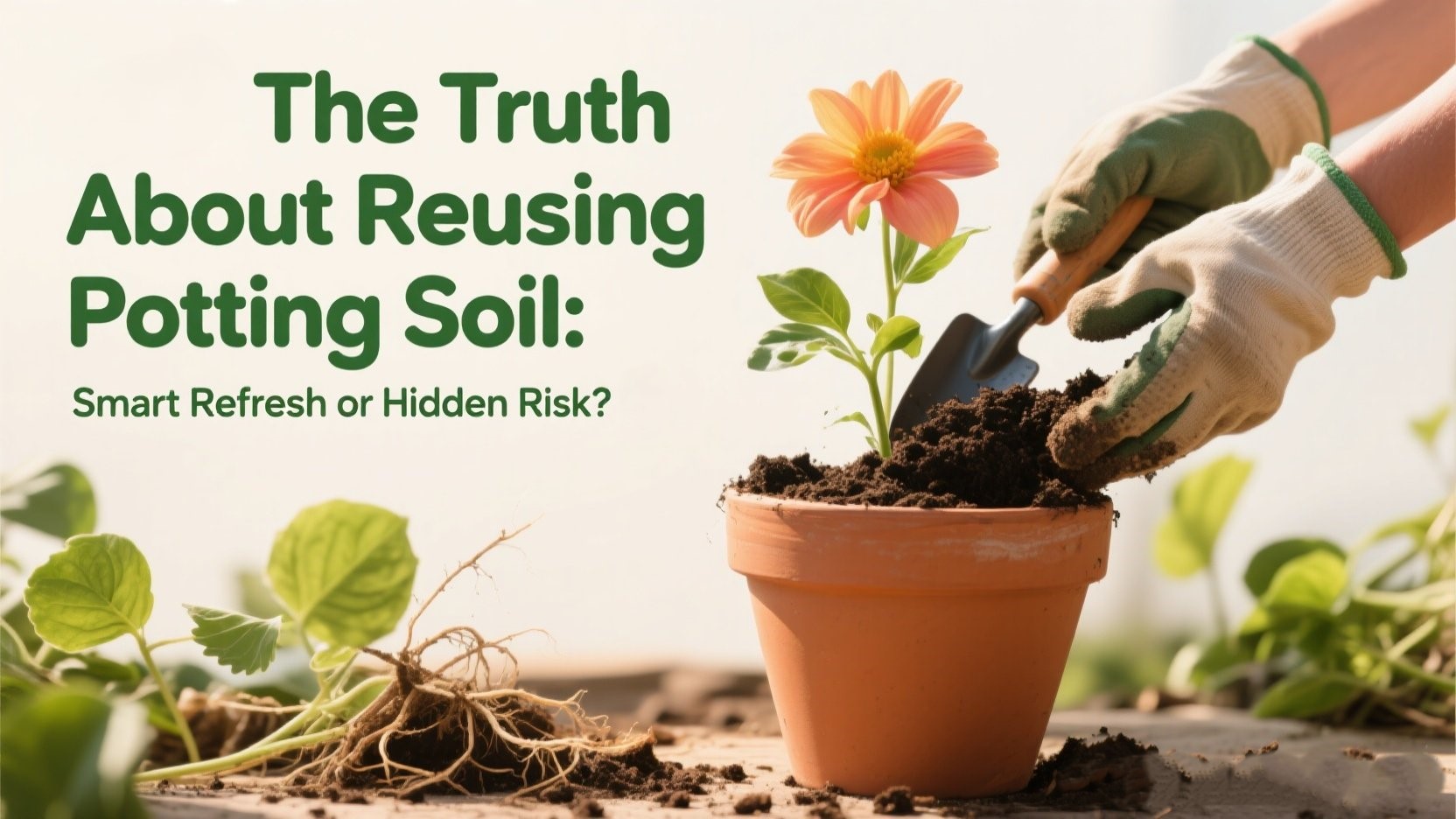
If you’ve ever emptied an old pot and stared at that pile of used soil, you’ve probably asked yourself:
“Can I reuse this?”
It’s a fair question — after all, potting soil isn’t cheap, and tossing it out feels wasteful, especially if you’re striving for a more sustainable garden.
On Reddit gardening threads like r/houseplants and r/gardening, this debate comes up constantly. Some swear by reusing soil with a few tweaks, while others warn it’s a recipe for pests and disease.
So what’s the truth? 🪴
Let’s dig into what actually happens to potting soil over time — and how you can revive it safely and effectively instead of sending it to the trash.
🧪 1. What Happens to Potting Soil After a Season
Fresh potting soil is fluffy, rich in nutrients, and perfectly balanced for airflow and water retention. But after months of plant growth, watering, and fertilizing, the soil’s structure and chemistry begin to change.
Here’s what typically goes wrong:
- Nutrients get depleted. Plants absorb nitrogen, phosphorus, and potassium from the soil. Without replenishment, it becomes “dead dirt.”
- Soil compacts. Organic materials break down and lose their fluffy texture, limiting airflow and drainage.
- pH levels shift. Constant watering (especially with tap water) can make the soil more acidic or alkaline.
- Pests and pathogens build up. Fungus gnats, mold, and root rot spores often linger unseen.
That’s why simply moving a new plant into last year’s soil can backfire — unless you refresh it properly.
🧤 2. When You Shouldn’t Reuse Old Potting Soil
Before you start reviving soil, inspect where it came from. Some soils aren’t worth saving.
🚫 Do not reuse soil if:
- The previous plant died of disease (root rot, powdery mildew, fungus).
- You see tiny flying insects or white mold when you dump it out.
- The soil smells sour or rotten — a sure sign of anaerobic bacteria.
- It was used for outdoor plants exposed to unknown contaminants.
In these cases, it’s better to dispose of the soil responsibly (composting or spreading it in a non-edible area) rather than risk infecting healthy plants.
🔥 3. How to Sterilize Old Potting Soil (Kill the Bad Stuff)
If you suspect mild contamination but still want to reuse the soil, sterilizing it is a smart move. It’s a way to kill off pests, fungi, and bacteria before introducing new plants.
Here are a few reliable methods:
☀️ Sun-Baking (Solarization)
- Spread the soil in a thin layer on a tarp.
- Spray lightly with water (damp, not soaked).
- Cover with clear plastic and leave it in direct sunlight for 4–6 hours.
- The heat builds up under the plastic, killing most pathogens and insects.
🔥 Oven Sterilization (for small batches)
- Preheat oven to 180°F (82°C).
- Spread the soil on a baking tray lined with foil, about 2–3 inches thick.
- Bake for 30 minutes.
- Cool completely before reusing.
⚠️ Tip: Avoid going above 200°F — too much heat can destroy beneficial microbes and release unpleasant odors.
🌿 4. Refresh and Revitalize: Bringing Soil Back to Life
Once sterilized, soil needs a boost of nutrients and structure. Think of it like recharging a battery — the base is fine, but the energy is gone.
Here’s how to restore balance:

🧩 Step 1: Break it up
Crumble compacted chunks with your hands or a trowel. Remove any old roots, twigs, or debris.
🌾 Step 2: Rebalance the mix
Add new materials to restore drainage and aeration. A good rule of thumb is:
🪴 1 part old soil + 1 part fresh potting mix + ¼ part aerator (perlite, pumice, or coco coir).
This mix gives roots space to breathe and water to drain properly.
🌻 Step 3: Reintroduce nutrients
Old soil has likely lost key minerals. Blend in:
- 1 tablespoon of slow-release organic fertilizer per gallon of soil
- A handful of worm castings or compost for natural microbes
- Optional: 1 teaspoon of garden lime if soil has turned too acidic
💧 Step 4: Rehydrate and rest
Before planting, water the soil lightly and let it sit for a few days. This allows beneficial microorganisms to repopulate and stabilize the mix.
🧺 5. Smart Reuse Ideas (Even If the Soil Isn’t Perfect)
Even if your soil isn’t pristine, it doesn’t have to go to waste. Here’s how creative gardeners — including many Reddit users — reuse it effectively:
- 🌼 Topdressing: Spread old soil over outdoor beds or garden paths.
- 🪵 Filler Layer: Use old soil at the bottom of large pots, and top with fresh mix where new roots will grow.
- 🧃 Composting: Add old soil to compost piles for better aeration and microbial balance.
- 🌳 Tree or shrub base: Use it as a mulch-like layer around mature plants where contamination risks are low.
Reusing soil smartly saves money, reduces waste, and contributes to sustainable gardening practices — all without compromising plant health. 🌍
🌸 6. The Reddit Verdict: Does Reusing Soil Really Work?
When you browse gardening subreddits, opinions are split — but not without reason.
- Pro-reuse gardeners argue that soil is like a living system that can be “fed” and maintained indefinitely with compost and proper sterilization.
- Cautious gardeners emphasize that fresh mix guarantees fewer risks, especially for finicky plants like orchids or African violets.
The general consensus?
✅ Reusing soil works if you sterilize, amend, and balance it properly.
❌ Reusing soil straight from a dead plant or unclean pot — that’s asking for trouble.
🌻 Final Thoughts: Reuse with Wisdom, Not Blind Optimism
Reusing potting soil isn’t just an eco-friendly habit — it’s a reflection of thoughtful gardening. 🌿
The trick is to treat soil as alive, not disposable. It’s a living medium that can be renewed, restored, and reused responsibly.
By taking the time to sterilize, refresh, and reintroduce nutrients, you can give your soil a second (or third) life while saving money and reducing waste.
In the end, the most successful gardeners aren’t the ones who throw away old soil — they’re the ones who understand how to heal it. 🌎💚