Introduction 🌱
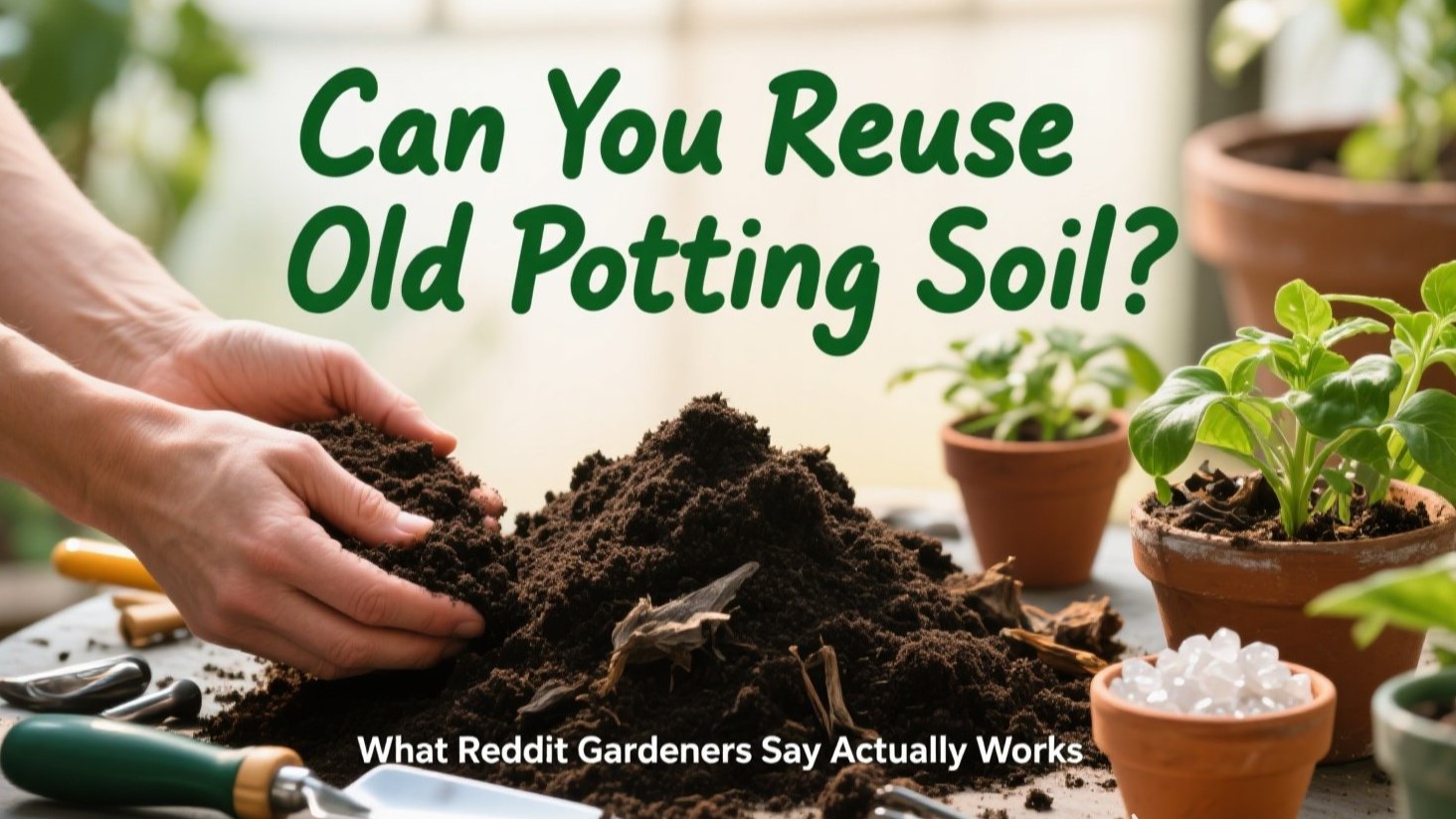
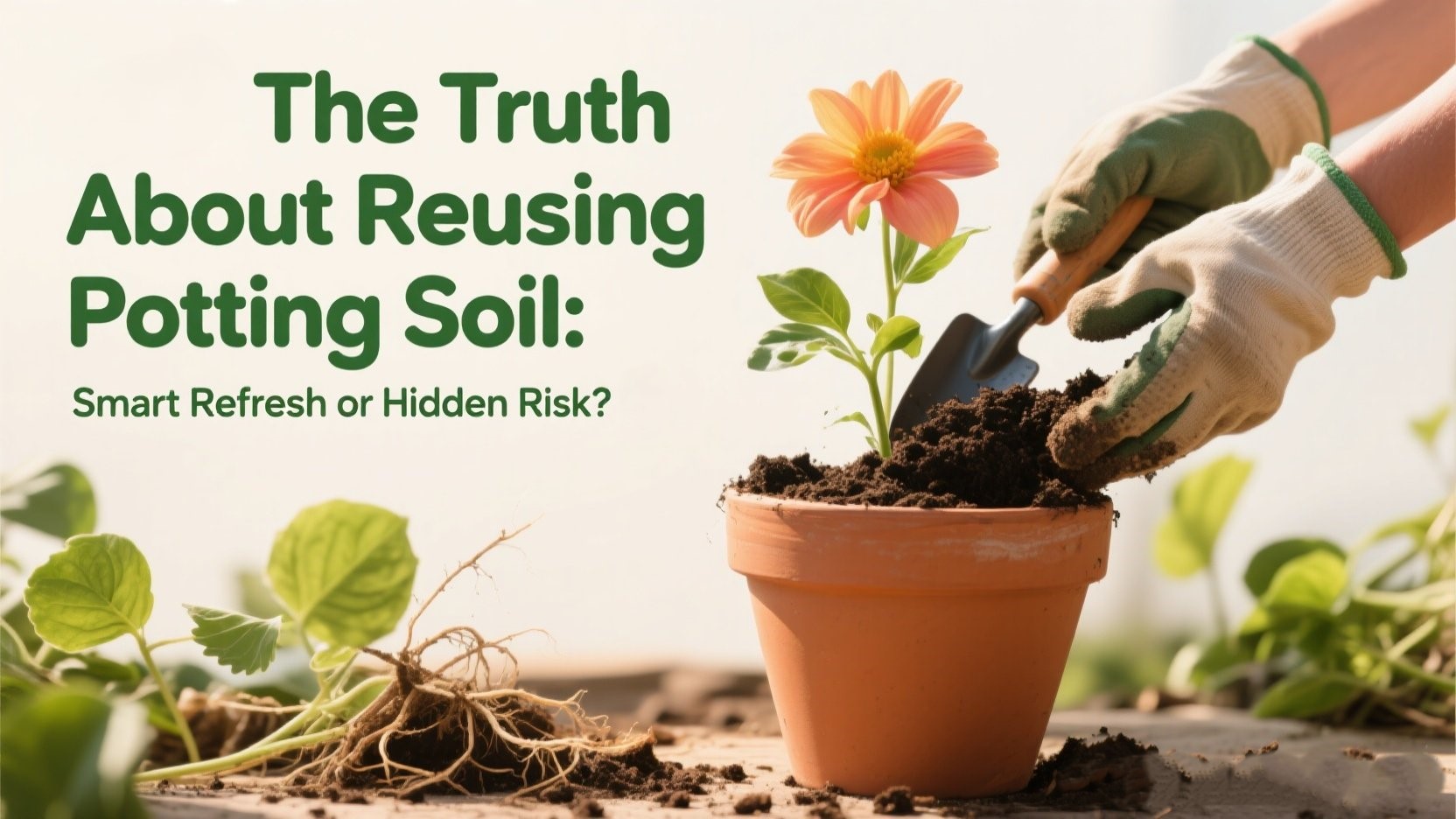
If you’ve been gardening for a while, you’ve probably faced this question: “Can I reuse the potting soil from last season?” With the rising cost of gardening supplies and the growing emphasis on sustainability, many home gardeners (and Reddit plant enthusiasts) are looking for ways to refresh and reuse old soil instead of tossing it out.
But here’s the truth — while reusing old potting mix is absolutely possible, doing it incorrectly can harm your plants more than help them. In this guide, we’ll explore what really happens to soil after a growing season, the safe ways to rejuvenate it, and when it’s best to start fresh.
What Happens to Potting Soil Over Time 🕰️
Potting soil isn’t immortal — even the best-quality mix loses its structure and nutrients over time. Here’s what typically happens after one or more growing seasons:
- Nutrient Depletion: Plants absorb essential nutrients like nitrogen, phosphorus, and potassium. Once these are gone, the soil loses its vitality unless replenished.
- Compaction: Organic materials like peat moss and compost break down, causing the mix to become dense. This reduces airflow and root growth.
- Salt and Mineral Buildup: Frequent fertilizing leaves behind mineral residues that can cause root burn.
- Possible Disease or Pest Contamination: Old soil may harbor fungus gnats, bacteria, or fungal spores from previous plants — invisible threats waiting to reemerge.
In short, old potting soil can still serve a purpose, but it needs a little “rehab” before it’s ready for new life.
Reddit’s Verdict: Refresh, Don’t Replace 🔁
Across gardening subreddits like r/houseplants, r/gardening, and r/plantclinic, a common consensus emerges: reuse is fine if done right. Here’s what experienced gardeners recommend:
- Sift and sanitize: Remove roots, dead leaves, and any moldy clumps. This step reduces the risk of pest or disease carryover.
- Bake or solarize to disinfect:
- Oven method: Spread the soil on a tray and bake at 180°F (82°C) for 30 minutes.
- Sun method: Spread it out on a tarp in full sun for 4–6 hours. The heat naturally kills most pathogens.
- Rebalance the texture: Add new perlite, vermiculite, or coco coir to restore aeration.
- Feed the soil: Mix in compost or worm castings to bring back lost nutrients.
- Use strategically: Refreshed soil is best for hardy plants (like succulents or herbs). For delicate seedlings or root vegetables, fresh soil is safer.
How to Refresh Old Potting Soil (Step-by-Step Guide) 🧑🌾

Step 1: Empty and Inspect
Dump your old soil onto a tarp and check for pests or mold. Discard anything that smells foul or appears infested.
Step 2: Sift Out Debris
Use a garden sieve or your hands to remove leftover roots, sticks, and old mulch pieces.
Step 3: Sterilize
Choose between the oven or solarization method above to eliminate bacteria, eggs, or spores.
Step 4: Revitalize the Mix
For every 10 liters of old soil, add:
- 3 liters of fresh potting mix or compost
- 1 cup of perlite or pumice for aeration
- 1 tablespoon of organic fertilizer (optional but beneficial)
Step 5: Rest Before Use
Let the refreshed soil “rest” for at least a week before planting. This allows beneficial microbes to rebalance after sterilization.
When You Shouldn’t Reuse Soil 🚫
There are situations where reusing old potting soil simply isn’t worth the risk:
- If your previous plant died from disease or rot
- If the soil smells sour or moldy
- If you notice insect eggs, larvae, or white webbing
- If it has become dense and muddy even after mixing
In these cases, it’s best to discard the old soil in a compost pile (if disease-free) or dispose of it safely.
Eco-Friendly Ways to Repurpose Old Soil 🌎
Even if it’s not fit for pots, tired soil can still be useful:
- Use it as filler at the bottom of large planters (under fresh mix).
- Add it to garden beds or compost bins to improve structure.
- Create a soil blend for outdoor pathways or leveling patches in your yard.
Every handful of reused soil means less waste — and a smaller footprint for your garden.
Final Thoughts 🌼
Reusing potting soil isn’t just about saving money — it’s about cultivating a more sustainable mindset. With a bit of care, old soil can be given new life, supporting healthy plants season after season. Think of it as composting’s smarter cousin: less waste, more wisdom.
So next time you repot your plants, don’t rush to toss the old dirt. With the right balance of sterilization, amendment, and patience, your “used” soil might just become your garden’s quiet hero. 🌿