🌧️ Introduction: When “Too Much Love” Becomes Too Much Water
We’ve all done it. You see drooping leaves, yellowing edges, or a sad, wilting plant — and your instinct says: “It must be thirsty.”
But what if the opposite is true?
Overwatering is one of the most common causes of houseplant decline. It can turn even the healthiest roots into mushy, oxygen-deprived messes in a matter of days. The good news? With patience and a few careful steps, you can save an overwatered plant before it’s too late.
This guide will walk you through a science-backed recovery plan, from diagnosing early symptoms to safely drying, repotting, and restoring your plant’s balance — without guesswork or gimmicks. 🌿
🚨 Step 1: Confirm It’s Really Overwatering

Before taking action, make sure the plant’s issue is too much water — not something else like low light or nutrient imbalance.
Common signs of overwatering include:
- 🟡 Yellowing leaves (especially lower ones)
- 🍂 Wilting despite moist soil
- 🪰 Fungus gnats hovering near the pot
- 🦠 A sour, musty smell from the soil
- ⚫ Mushy, dark, or translucent roots when you unpot it
👉 Quick test: Stick your finger 2 inches into the soil. If it feels soggy or cold, and the plant hasn’t been drying out for days, overwatering is the likely culprit.
🪴 Step 2: Remove the Plant from Its Pot

Gently tilt the pot and ease the plant out. Don’t pull it by the stem — support the base of the soil instead.
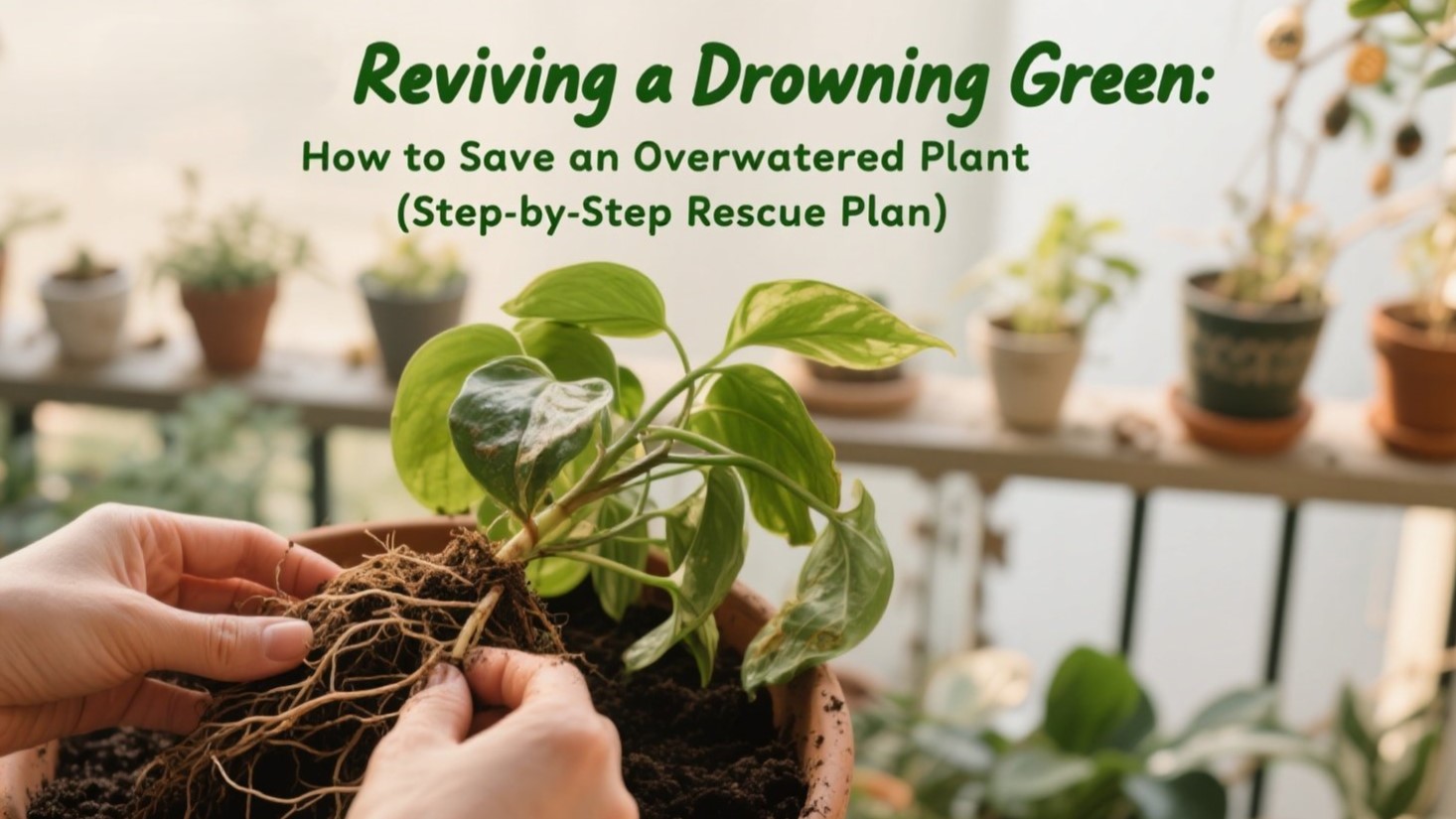
Lay the plant on a clean surface, such as newspaper or paper towels. This allows you to inspect the root system, which tells you everything you need to know about its health.
What to look for:
- Healthy roots → firm, white or light tan
- Rotted roots → brown, black, slimy, or smell foul
If most of the roots still look firm, your plant has an excellent chance of recovery.
✂️ Step 3: Trim the Damaged Roots

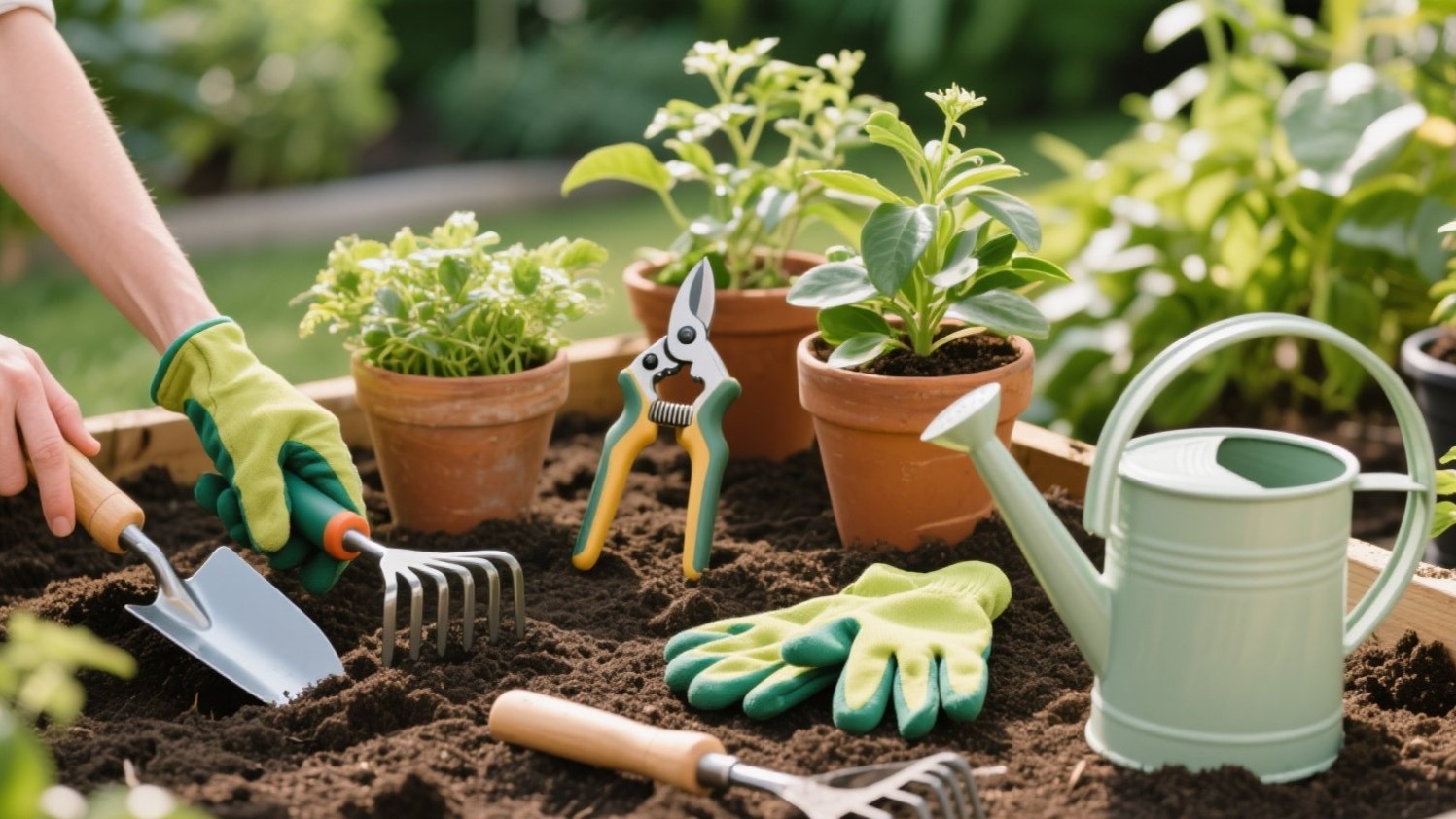
Use sterilized scissors or pruning shears to remove all soft, discolored, or decayed roots.
💡 Tip: Always disinfect your shears before and after cutting using rubbing alcohol or boiling water. This prevents spreading bacteria or fungi to healthy tissue.
Once trimmed, gently shake or brush off as much old, soggy soil as possible. If the roots are severely waterlogged, rinse them lightly with room-temperature water to remove any decomposing residue.
Then, let the roots air-dry on a paper towel for 2–4 hours. This short drying phase helps stop further rot before repotting.
🌿 Step 4: Prepare a New Pot and Fresh Soil

Overwatered plants need a clean start. Choose a well-draining potting mix and a container with drainage holes — this step is non-negotiable.
Ideal soil mix (for most houseplants):
- 2 parts all-purpose potting mix
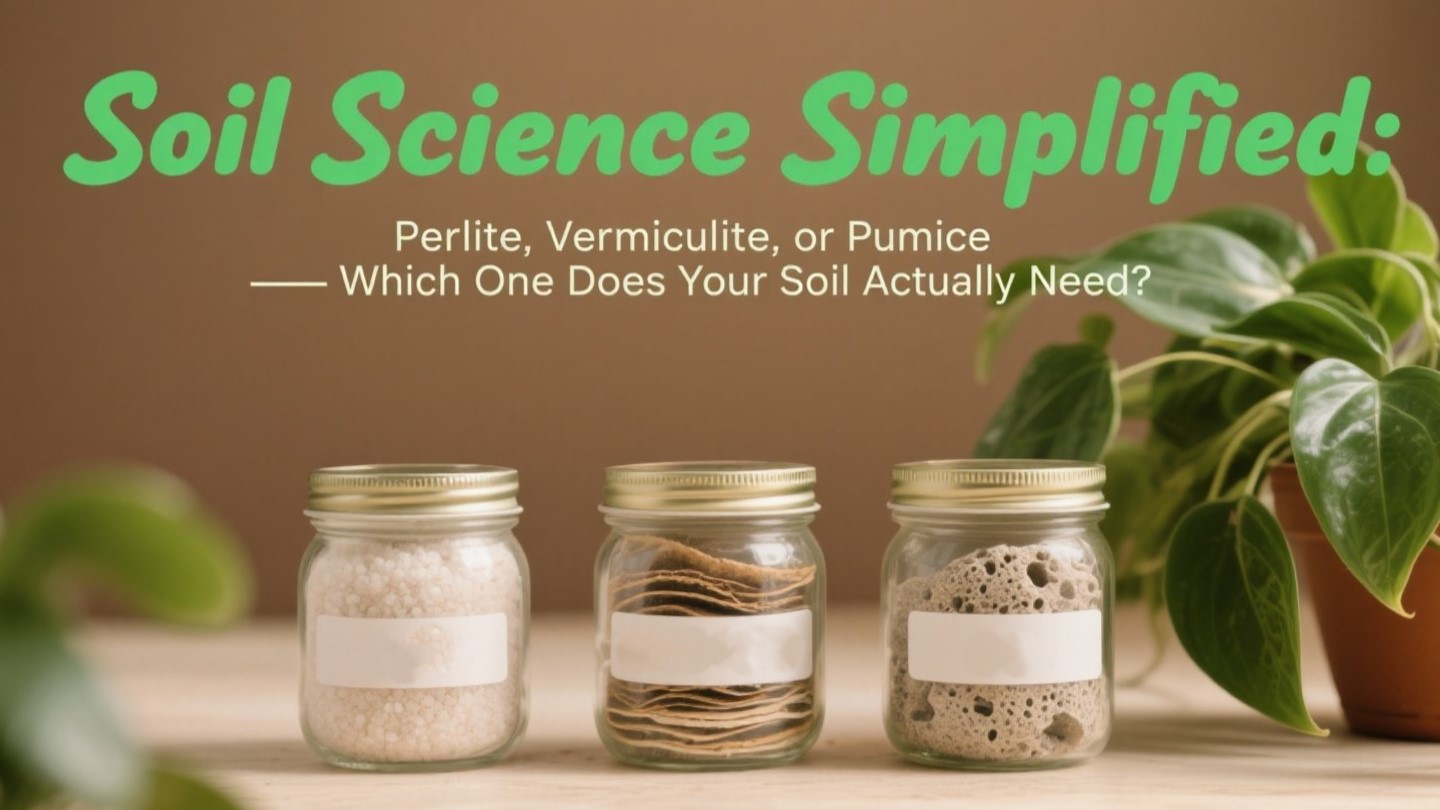
- 1 part perlite or pumice
- 1 part orchid bark or coarse sand
If you’re rescuing succulents or cacti, use a grittier mix — about 50% sand or perlite to maximize drainage.
Clean the pot thoroughly before reusing it, or opt for a new one to eliminate lingering pathogens.
🧺 Step 5: Repot the Plant Correctly
Gently place the plant in its new pot, spreading roots evenly. Fill with your fresh soil mix, pressing lightly to secure — but don’t compact the soil too tightly, as roots need airflow.
Water lightly after repotting, just enough to moisten the top layer. You don’t want to shock the roots with another flood immediately after surgery.
Place the plant in bright, indirect light, and avoid fertilizer for at least 3–4 weeks while it recovers.
🌞 Step 6: Adjust Your Future Watering Habits
Saving a plant is half the battle — keeping it alive is the rest.
Here’s how to strike the right watering balance going forward:
💧 1. Follow the “Soak and Dry” rule.
Wait until the top 1–2 inches of soil are dry before watering again.
🌡️ 2. Adapt to the season.
Plants drink less in cooler months when growth slows.
🍃 3. Check your pot and environment.
If humidity is high or the pot lacks airflow, soil stays damp longer.
💡 Pro Tip: Invest in a simple moisture meter — or use the wooden chopstick test. Insert it into the soil; if it comes out dark or damp, hold off on watering.
🌼 Bonus: Natural Remedies to Boost Recovery
While your plant heals, support it with gentle care:
🌱 Use cinnamon powder — a natural antifungal — on trimmed roots before repotting.
🌿 Add a pebble tray nearby to balance humidity without overwatering.
☀️ Rotate your plant weekly to promote even light exposure and growth.
💬 What Reddit Gardeners Say: Real Experiences
“I saved my pothos after cutting off 80% of the roots and using a perlite-heavy mix. Took three weeks, but it bounced back!” – u/leaftherapy
“The biggest mistake? Watering again right after repotting. Let your plant breathe before feeding it again.” – u/rootrevive
Community wisdom consistently supports what horticulture experts emphasize: patience and restraint are key. 🌿
🌻 Final Thoughts: It’s Not the End — It’s a Second Chance
An overwatered plant isn’t a lost cause — it’s a learning experience.
Plants are resilient by nature, and even when their roots have suffered, they can bounce back when given the right environment to heal.
Remember, plants don’t just need water — they need balance.
Learning when not to water is just as important as learning when to do it.
Next time you see those yellowing leaves, take a breath before reaching for the watering can. Sometimes, love means letting the soil dry out first. 🌤️💧