
Roses are the queens of the garden, but many gardeners find them challenging. The truth is, roses are tough plants that thrive when you understand their basic needs. This guide breaks down rose care into simple steps anyone can follow.
1. Sunlight: They Can’t Get Enough
Roses are sun-loving plants that need direct sunlight to thrive. Plant them where they’ll receive at least 6-8 hours of direct sun daily – against a south-facing wall or in an open area works best. Without enough sun, roses become weak, drop leaves, and produce few blooms.
2. Watering: Seasonal Approach Works Best
- Growing Season (Spring-Fall): Keep soil consistently moist. Water when the top inch of soil feels dry. Don’t wait until plants wilt.
- Dormant Season (Winter): Water only when soil is completely dry. Let the pot feel light before watering thoroughly.
3. Soil and Repotting: Get the Foundation Right
- Container Growing: Use quality potting mix for better drainage and fewer pests
- Ground Planting: Amend heavy clay soil with compost
- Soil pH: Roses prefer slightly acidic soil. If your water is alkaline, use a soil acidifier monthly
- Repotting: Move to a pot only 2-3 inches larger each year, using similar soil type
4. Air Circulation: Prevent Disease Naturally
Good air movement is crucial. Space plants so leaves don’t touch, and avoid crowded planting areas. This natural airflow helps prevent common issues like powdery mildew and spider mites.
5. Feeding Schedule: Seasonal Nutrition
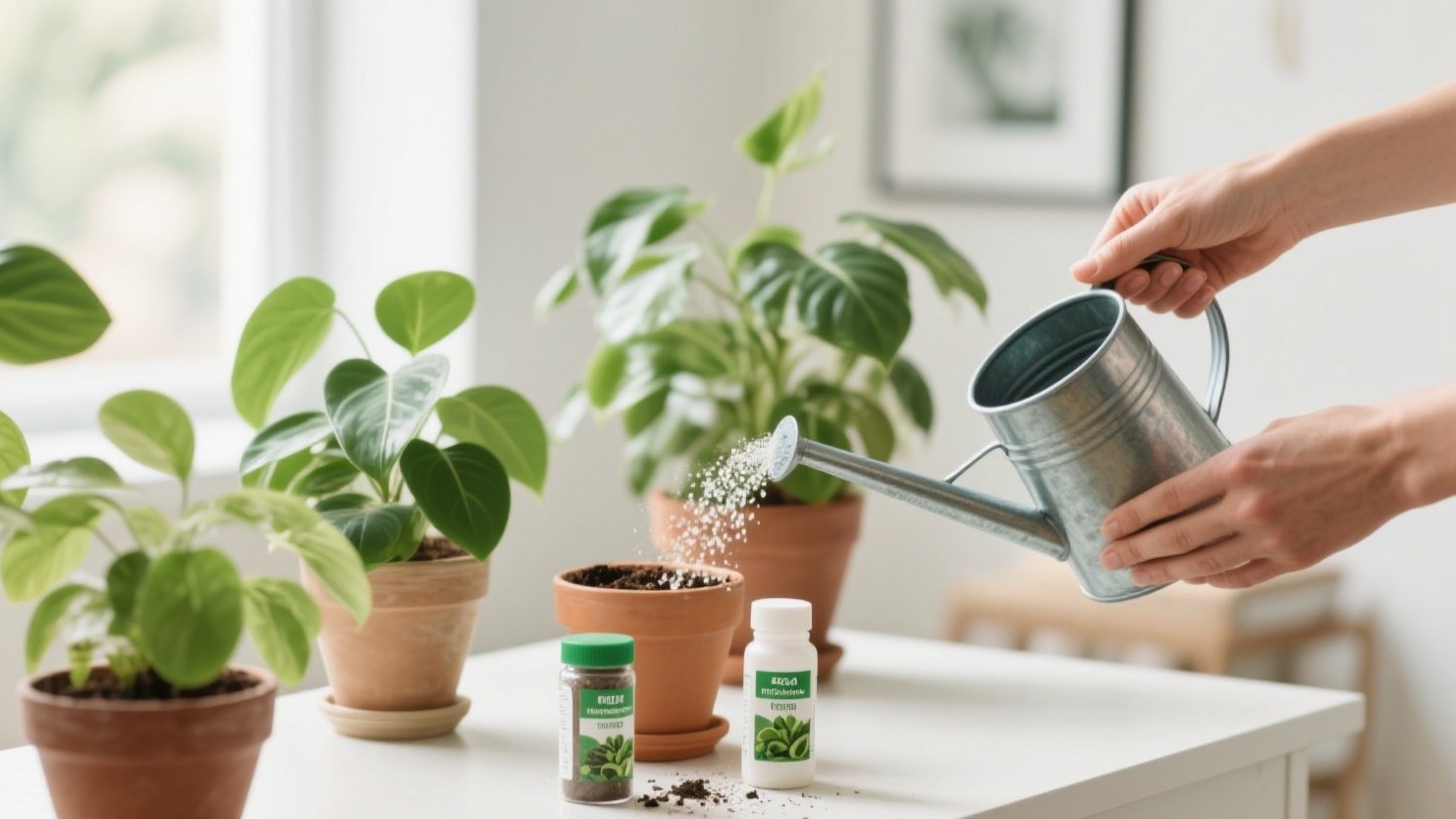
- Growing Season: Use a bloom booster fertilizer weekly during active growth
- Dormant Season: In winter, mix compost or well-rotted manure into soil monthly
6. Winter Protection
- Mild Climates: Most roses survive winter outdoors
- Cold Regions: Protect roots with mulch or bring containers to a sheltered area
- Extreme Cold: Use burlap wraps or temporary covers during hard freezes
7. Pruning for More Blooms
- Deadhead spent flowers regularly to encourage new blooms
- Make clean cuts above outward-facing buds
- Remove any dead or crossing branches to maintain good air flow
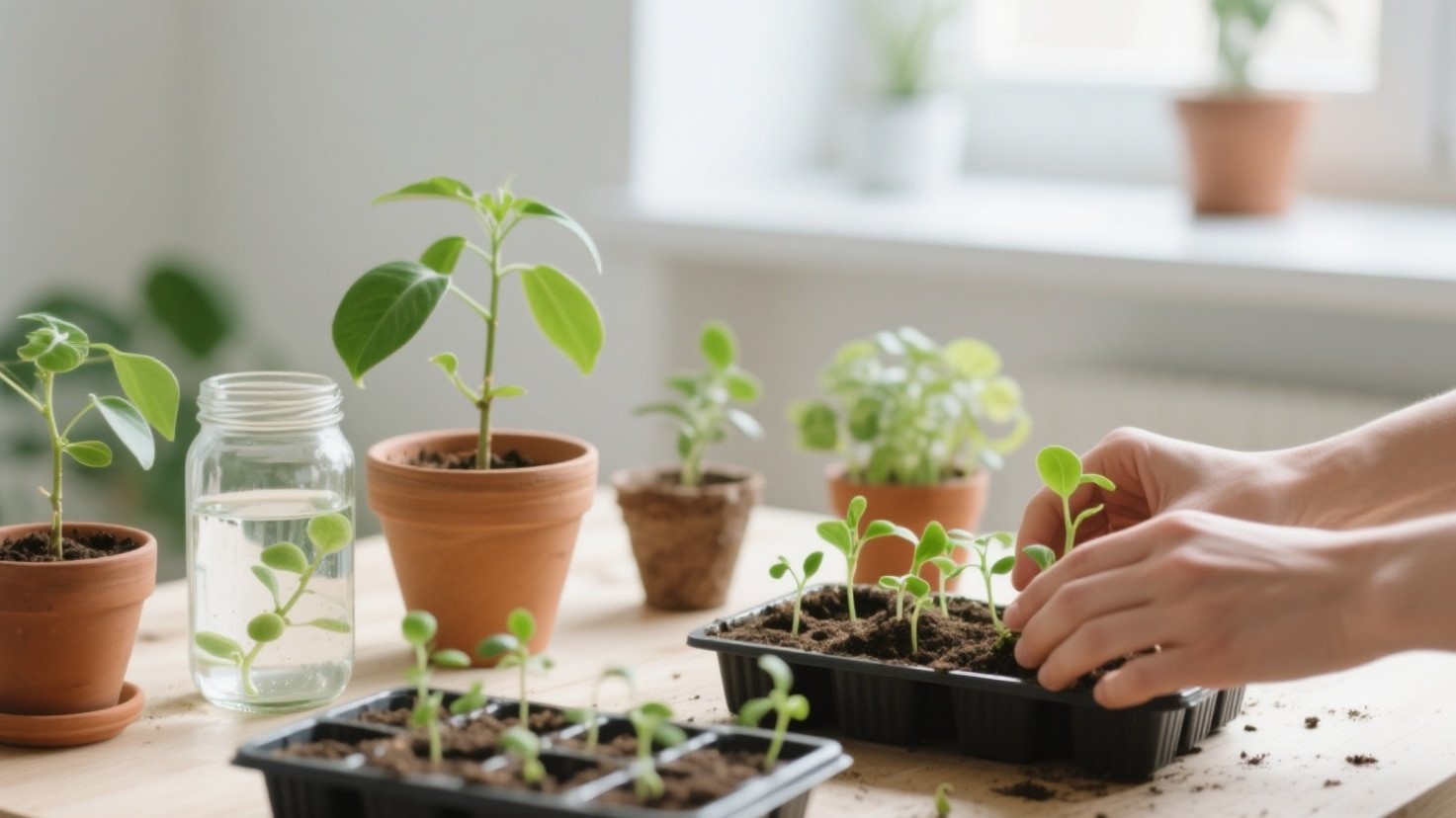
8. Easy Propagation
Create new plants from cuttings:
- Choose healthy, pencil-thick stems
- Remove flowers and soft growth
- Use fresh potting mix to avoid disease
- Dip cuttings in rooting hormone before planting
Troubleshooting Common Issues:
- Yellow leaves: Often indicates watering issues or need for fertilizer
- Few flowers: Usually due to insufficient sun or improper pruning
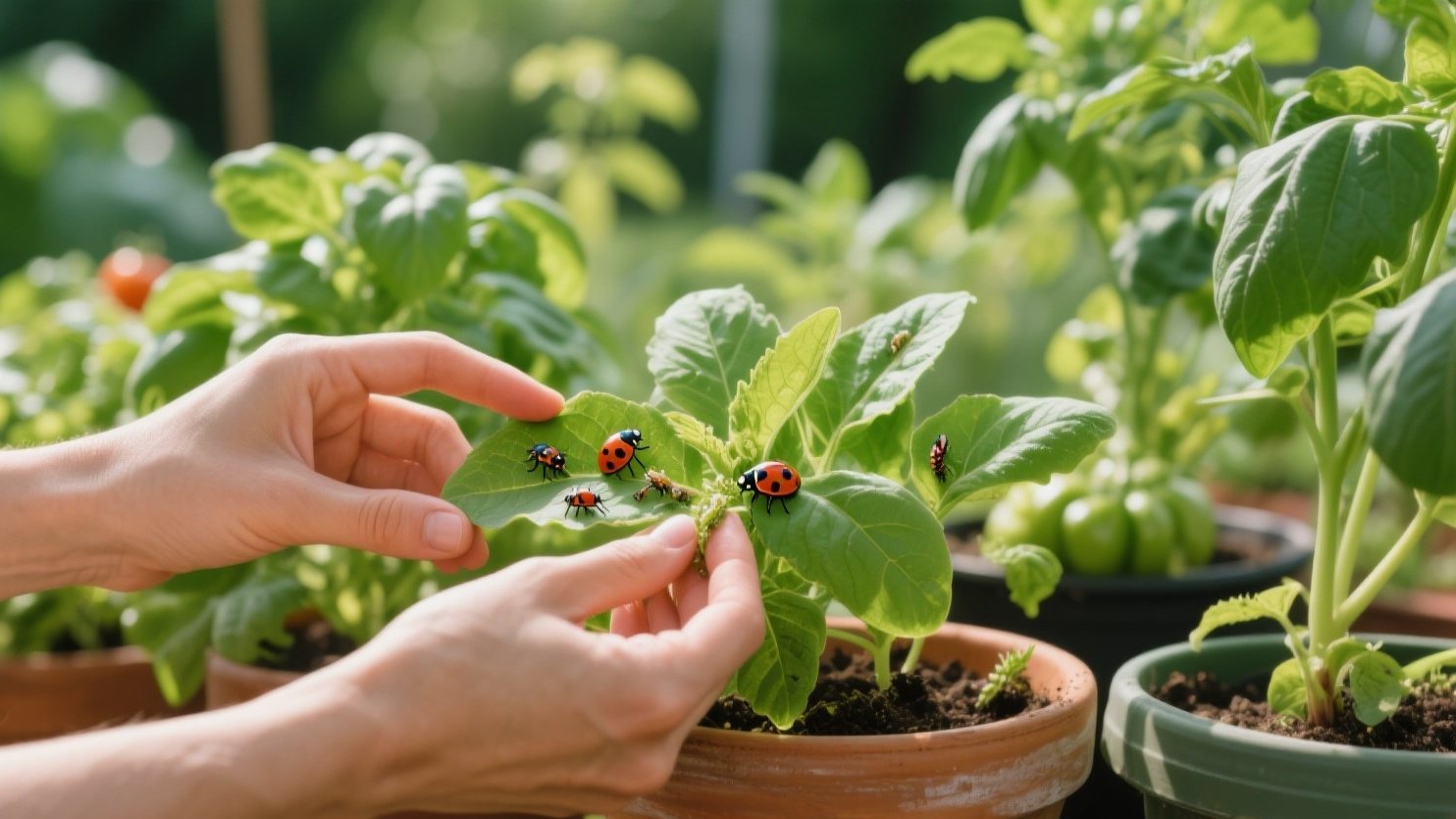
- Pests: Improve air circulation and use organic pest controls as needed
Remember that roses respond well to consistent care. The more regularly you deadhead and monitor your plants, the more they’ll reward you with beautiful blooms throughout the growing season.
Pro Tip: Start with disease-resistant varieties like ‘Knock Out’ roses if you’re new to rose gardening. They provide beautiful color with less maintenance than traditional hybrid teas.
With these straightforward guidelines, you’ll be enjoying beautiful, healthy roses that make your gardening neighbors green with envy!