Spring beds can be both photo-ready and pest-smart when you treat protection like part of the design, not an afterthought. By blending trap crops, companion herbs, and elegant barriers, you create a layered defense that looks intentional. Think of it as styling your garden the way you’d style a room—cohesive colors, textures, and focal points that just happen to repel pests. 🌷🛡️
Start with a simple layout: crops in the center, a ring of companions, and a neat edge that doubles as a trap line. Choose mesh tones that harmonize with pots, gravel, or trim so covers disappear into the scene. When protection looks good, you’ll use it consistently—and consistency is what keeps populations below damage thresholds. ✨🌿
The Styled Strategy: Layered Defense That Looks Intentional
A layered plan stacks three quiet forces: decoy, deterrent, and deflector. Decoys (trap crops) lure pests away, deterrents (aromatic companions) make your main crop less appealing, and deflectors (fine mesh) stop outbreaks from starting. The result is calm, low-drama gardening that still photographs beautifully. 🎯📸
Choose a restrained palette—greens and soft corals—or go cottage-bright with apricot, lemon, and cream. Repeat textures like ruffled leaves and small umbels so the eye reads deliberate styling, not chaos. Place taller companions behind shorter crops to keep lines crisp from the path. 🎨🌱
Trap-Crop Edging: Nasturtiums That Save the Show
Nasturtiums attract aphids first, giving you a “pressure gauge” at the border instead of on your lettuce or roses. Plant them as a neat, repeating edge so any aphid bloom is obvious and easy to prune or hose off. Bonus: their round leaves and edible blooms add a chic, graphic rim. 🌼🪲
Pinch off heavily infested tips and dispose in the bin; don’t compost live aphids. Re-seed gaps to keep the edge continuous and stylish. Choose compact varieties for tidy lines along paths and bed fronts. ✂️🧺

Herb Allies: Dill Tucked In to Discourage Mites
Dill’s airy umbels host predatory insects while its scent helps disrupt mite hotspots. Tuck small clumps near susceptible plants (like cucumbers) so help is always “on site.” The fine texture reads like lace—light, elegant, and intentional. 🌿🕷️
Succession sow every two to three weeks for continuous cover. Let a few plants flower to invite hoverflies and parasitic wasps. Keep stems staked lightly so the look stays refined, not floppy. 🗓️🪴
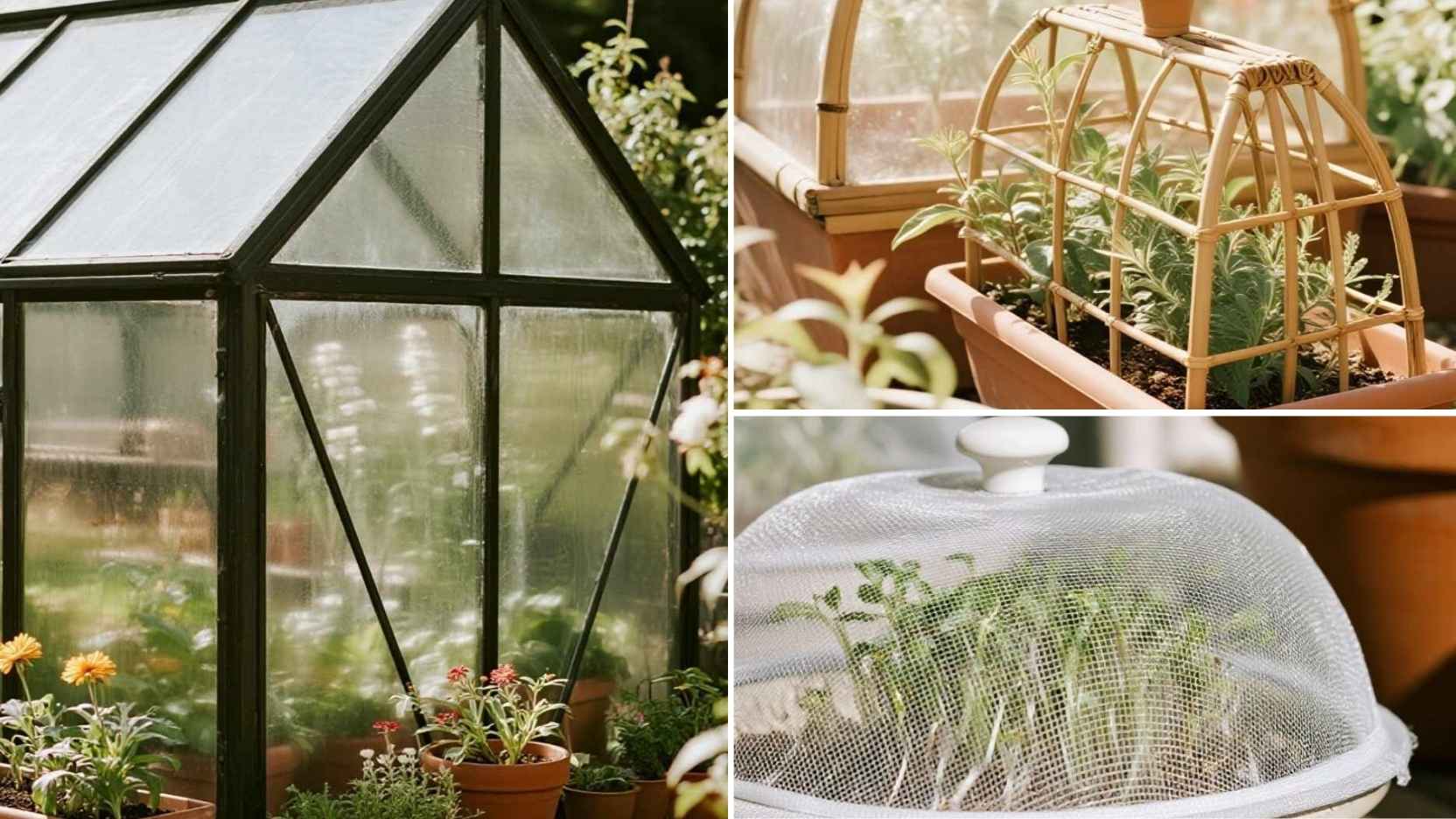
Discreet Barriers: Neutral-Tone Fine Mesh & Row Covers
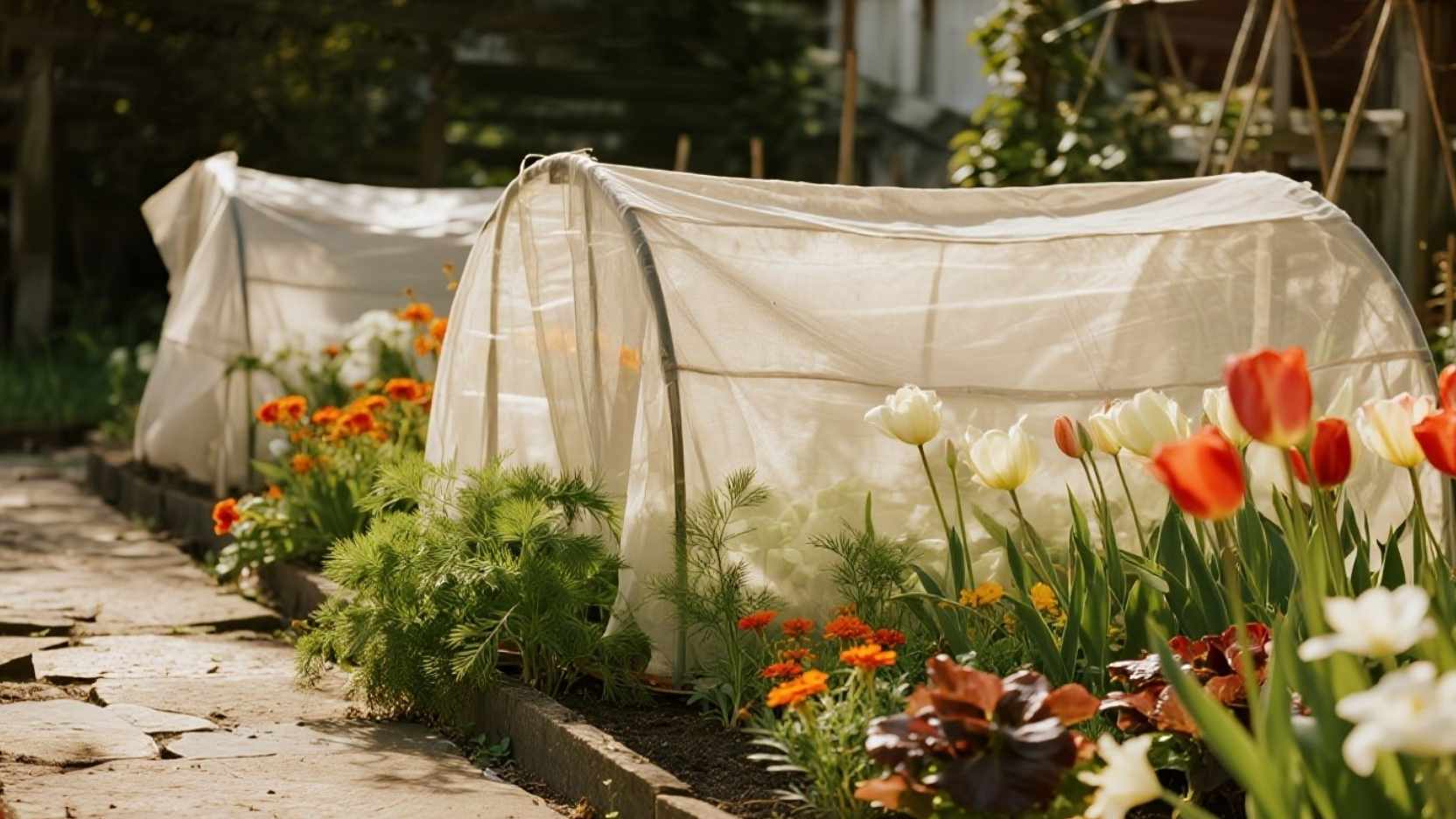
Swap bright white plastics for soft gray, sand, or stone-beige mesh that blends with pathways and planters. These neutrals cut glare, maintain airflow, and don’t scream “hardware store.” Secure with low, matte pins or hidden bricks for a clean line. 🪄🧵
Use hoops to keep fabric off foliage and to maintain that tailored silhouette. Lift covers on calm mornings for pollination windows if needed, then re-secure. Label each bay subtly so you can work fast without visual clutter. 🌬️🌤️

Color & Texture Pairings That Still Look Styled
Pair nasturtium apricot with pale lettuces and blush tulips for a warm, cohesive rim. Echo dill’s feathery texture with grasses or fennel for rhythm without repetition. Keep bloom sizes varied—small umbels, medium cups, large rounds—so the bed reads layered, not busy. 🌸🧩
Limit the palette to three main hues and one accent to avoid visual noise. Repeat those colors at least three times across the bed for cohesion. Match mulch and mesh tones to tie everything together. 🧶🎨

Watering & Airflow Without Attracting Trouble
Water early so foliage dries by midday; wet leaves overnight invite mites and mildew. Drip lines under mesh keep moisture targeted and out of aphid-friendly new growth. Spacing plants generously enhances airflow and the “styled negative space” vibe. 💧🌬️
Aim for deep, infrequent watering to strengthen roots and reduce sappy growth aphids love. Combine this with a weekly five-minute “scout walk.” That short ritual prevents small issues from becoming photo-ruining outbreaks. 👟🕒
Monitoring That Feels Like Styling
Treat scouting like staging: tidy edges, remove yellowing leaves, and refresh mulch where thin. Keep a small tote with shears, gloves, and a soft brush so “fixes” are immediate. A crisp bed is less attractive to pests and more satisfying to photograph. 🧺✂️
Use a simple threshold: if more than 10% of a plant is affected, act—prune, blast with water, or replace. For aphids, a gentle hose stream on trap edges often resets the balance. Consistency matters more than intensity. 📏🚿
Sidebar: Avoiding Invasive Lady Beetles—Choose Region-Appropriate Beneficials
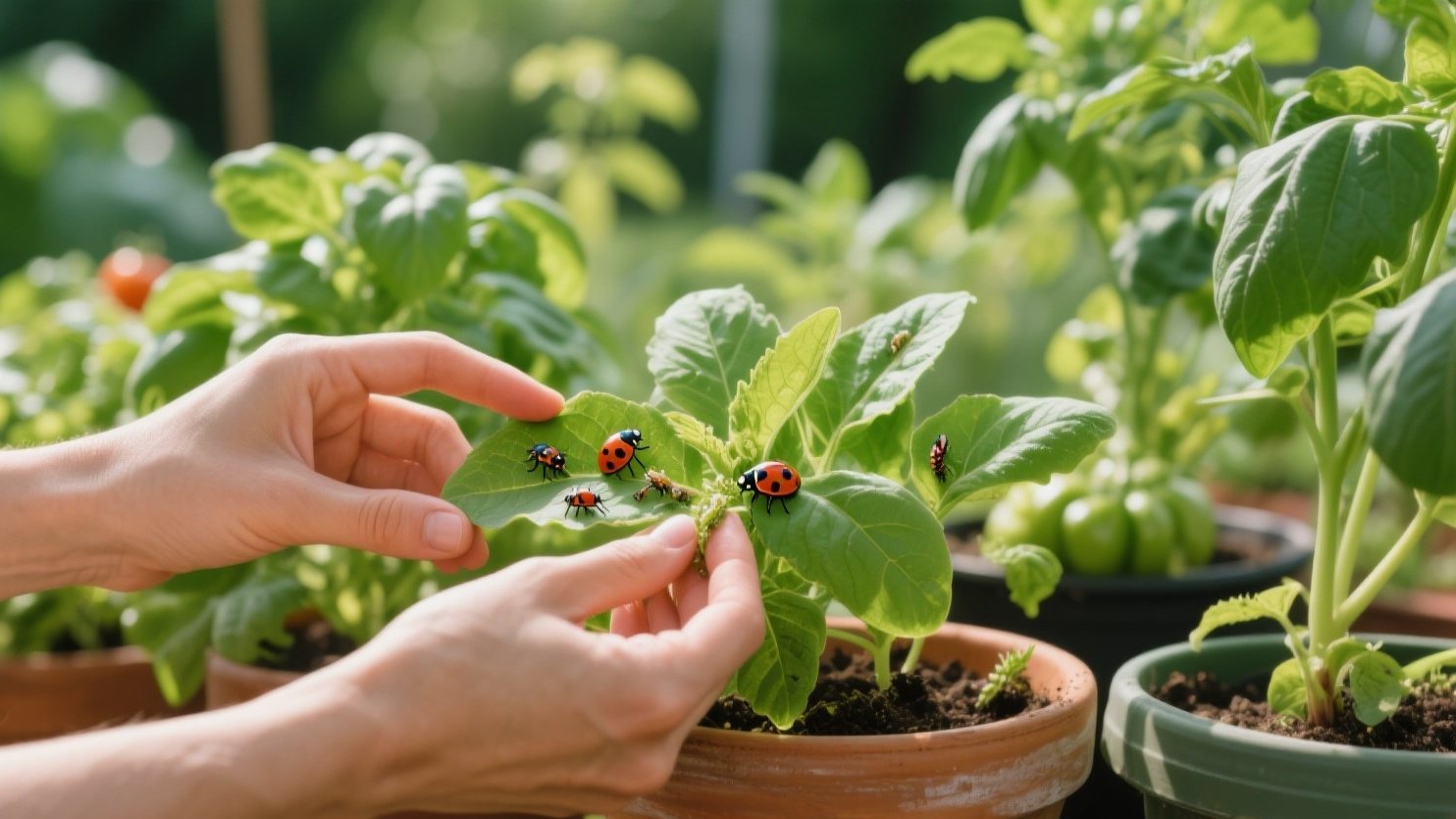
Skip broad, non-native lady beetle releases that can outcompete local species and invade homes later. Instead, attract region-appropriate beneficials by planting dill, alyssum, yarrow, and letting a few herbs bloom. You’ll build a resilient, local food web that persists beyond one season. 🐞🌼
If numbers surge, favor gentle methods first: water blasts, selective pruning, and hand-squish on trap crops. Reserve soaps or oils for targeted use at dusk to protect pollinators. Think “surgical,” not “spray and pray.” 🌗🧪

A Simple Planting Map You Can Copy
Center: lettuce and spinach rows, with their clean, cool greens. Mid-ring: dill every 40–50 cm for beneficial habitat. Edge: continuous nasturtium line as the stylish, sacrificial rim. 🗺️🪴
Add a low hoop frame with neutral mesh that clips down in seconds. Keep a path wide enough for a basket and hose loop to avoid snagging fabric. This choreography makes maintenance feel effortless—and effortless is sustainable. 🔁🧰
Care Calendar Quickstart (Weeks 1–8)
Week 1–2: sow nasturtiums and dill; install hoops; mulch lightly; water in the morning. Week 3–4: thin seedlings, clip mesh for sunny pollination windows, scout edges every other day. Week 5–8: succession-sow dill, refresh mulch, prune/replace any aphid-overrun nasturtium sections. 🗓️🌞
Log quick notes on your phone so patterns emerge—windy weeks, sudden mite spots, or aphid spikes. These clues help you pre-position covers and refresh companions before problems start. Prevention is just planned styling. 📱🧭
Final Thoughts: Beauty as Your First Line of Defense
When your bed looks curated, you naturally maintain it—and that steady care keeps pests in check. Trap edges, herb allies, and neutral mesh create a quiet ecosystem where issues stay small. Pretty isn’t just the goal; it’s the method. 🌿✨
Your spring display will read as intentional design even on close inspection. That’s the win: protection that’s invisible to guests but obvious in your harvests. Style it once, keep it simple, and enjoy the calm. 🌷✅