Hydrangeas are beloved for their spectacular, cloud-like flower clusters that grace gardens from spring through fall. While they might seem demanding, understanding a few key principles will help you grow healthy plants with abundant blooms. Here’s your complete guide to hydrangea success.
1. Light: Morning Sun, Afternoon Shade is Ideal
Hydrangeas thrive in bright, filtered light rather than intense all-day sun.
- Perfect Location: A spot with morning sun and afternoon shade protects blooms from scorching.
- Hot Climates: In regions with intense summer heat, provide more shade to prevent wilting and leaf burn.
- Cooler Climates: Plants can tolerate more direct sun in cooler northern areas.
2. Watering: Consistent Moisture is Crucial
These plants have high water needs, especially when blooming.
- Watering Rule: Keep soil evenly moist but not soggy. Water deeply when the top inch of soil feels dry.
- Wilting: Don’t panic if leaves wilt in afternoon heat – they often recover by evening. Water if still wilted the next morning.
- Mulching: Apply 2-3 inches of bark mulch around plants to retain moisture and keep roots cool.
3. Soil and Planting: Acidic Soil for Blue Blooms
- Soil Type: Rich, well-draining soil amended with compost works best.
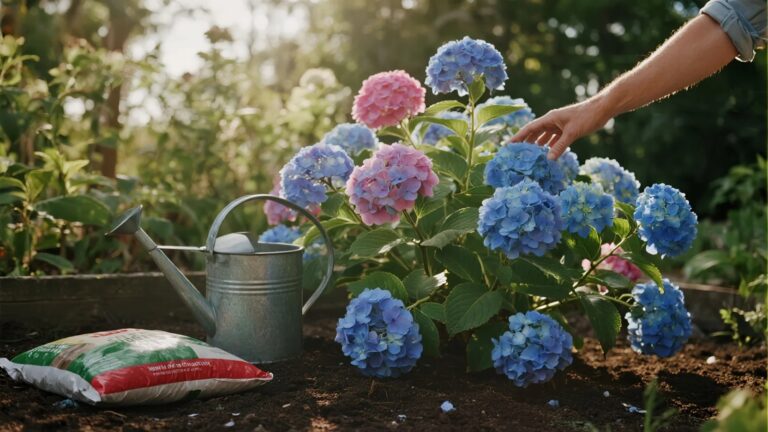
- pH Matters: Soil acidity determines flower color. Acidic soil (pH below 6) produces blue flowers, while alkaline soil (pH above 7) yields pink flowers.
- Color Control: For blue flowers, apply soil acidifier in spring. For pink flowers, use garden lime.
- Container Growing: Use large pots with drainage holes and quality potting mix.
4. Feeding: Regular Nutrition for Big Blooms
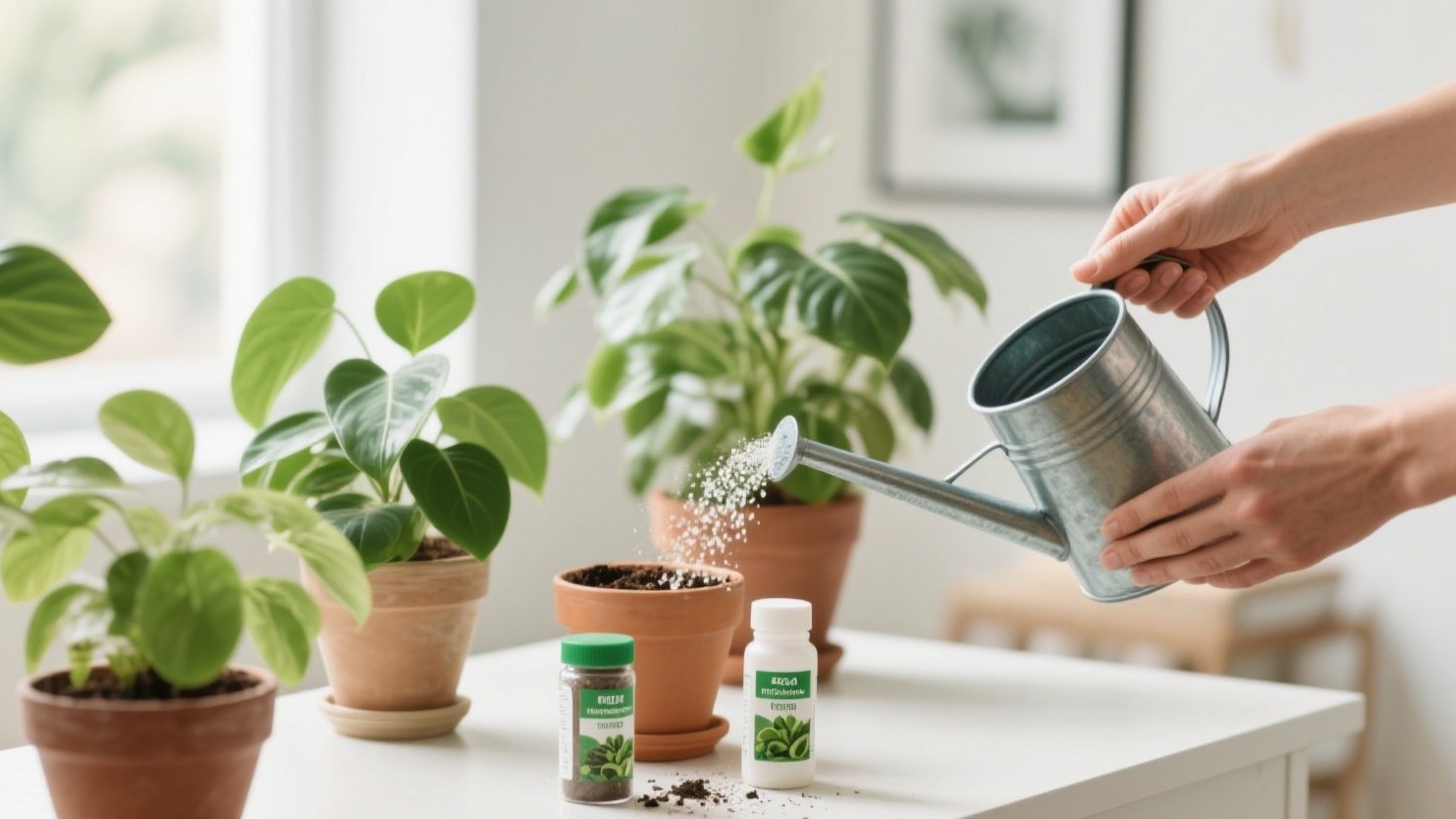
- Spring Feeding: Apply balanced, slow-release fertilizer when new growth appears.
- Bloom Boosting: Use bloom booster fertilizer (higher in phosphorus) as flower buds form.
- Avoid Overfeeding: Too much nitrogen produces lush leaves but fewer flowers.
5. Pruning: Know Your Hydrangea Type
Pruning timing depends on whether your hydrangea blooms on old or new wood:
- Old Wood Bloomers (Bigleaf, Oakleaf): Prune lightly after flowering
- New Wood Bloomers (Panicle, Smooth): Can be pruned in late winter/early spring
- General Rule: Remove dead wood and spent flowers, and thin out old stems to encourage new growth
6. Winter Protection
- Cold Climates: Protect tender varieties with mulch mounds around the base
- Container Plants: Move to a protected area or insulate pots
- Avoid Late Pruning: Stop fertilizing by midsummer to harden plants for winter
7. Troubleshooting Common Problems
- No Blooms: Often due to improper pruning, winter damage, or too much shade
- Leaf Scorch: Usually indicates too much sun or insufficient water
- Pests: Watch for aphids and treat with insecticidal soap if needed
Popular Hydrangea Types for Your Garden:
- Bigleaf Hydrangeas (mophead and lacecap types) – classic blue or pink flowers
- Panicle Hydrangeas – cone-shaped flowers, very cold hardy
- Oakleaf Hydrangeas – dramatic foliage and great fall color
- Smooth Hydrangeas – native plants that tolerate more shade
With proper planting location, consistent moisture, and appropriate pruning, your hydrangeas will reward you with breathtaking blooms year after year. Remember that patience is key – newly planted hydrangeas may take a season or two to establish before reaching their full flowering potential.
Pro Tip: For longest-lasting cut flowers, harvest hydrangea blooms in morning when fully hydrated, and immediately place stems in warm water.