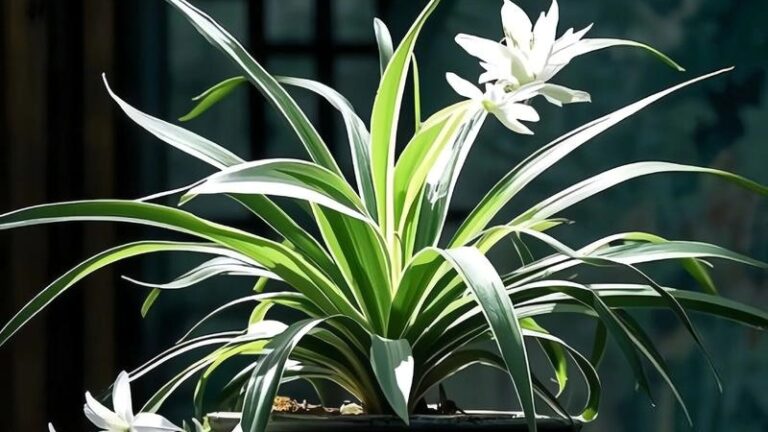
The Variegated Spider Plant (Chlorophytum comosum‘Vittatum’), with its elegant arching leaves edged in creamy white, is one of the most popular and easy-to-grow houseplants. Known for its air-purifying qualities and rapid growth, this resilient plant is perfect for beginners and experienced gardeners alike. Here’s your complete care guide.
1. Light: Bright, Indirect Light for Best Variegation
- Ideal Conditions: Near an east or north-facing window with filtered light
- Light Requirements: Medium to bright indirect light maintains stripe coloration
- Tolerance: Adapts to lower light but may lose variegation
- Avoid: Direct afternoon sun that can scorch leaves
2. Watering: The “Soak and Dry” Method
- Watering Rule: Water when the top inch of soil feels dry
- Method: Water thoroughly until it drains from the bottom
- Frequency: Typically every 7-10 days depending on season and light
- Signs: Leaves pale when thirsty, brown tips indicate overwatering
3. Soil and Potting
- Soil Type: Well-draining potting mix works perfectly
- Container: Choose pots with drainage holes to prevent root rot
- Repotting: Repot every 1-2 years when roots fill the container
4. Temperature and Environment
- Ideal Temperature: 65-75°F year-round
- Humidity: Average home humidity is sufficient
- Air Circulation: Good airflow helps prevent pest issues
5. Feeding for Healthy Growth
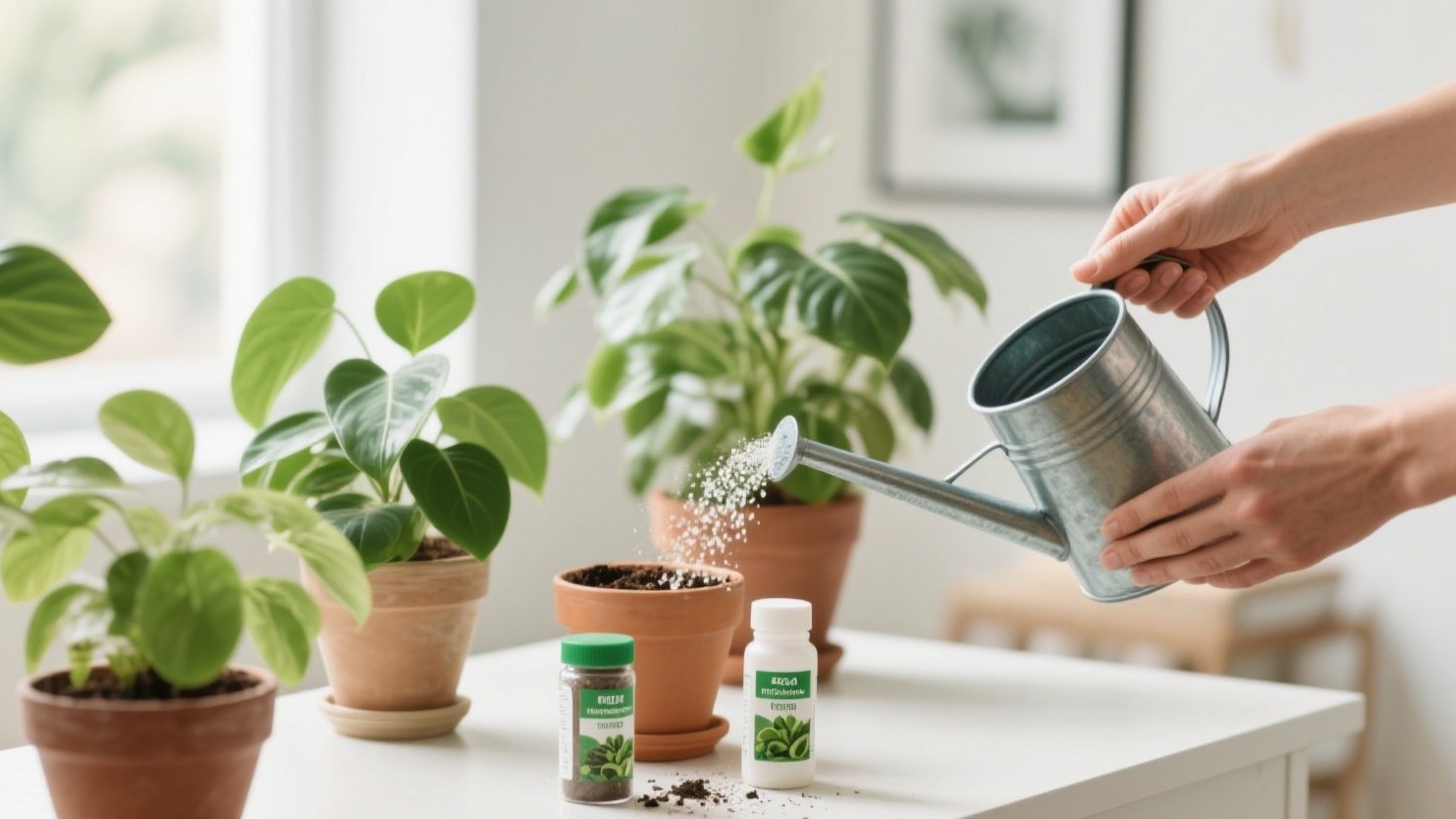
- Fertilizing: Use balanced liquid fertilizer monthly during growing season
- Organic Option: Fish emulsion provides gentle, effective nutrition
- Winter: Reduce feeding to every 6-8 weeks
6. Easy Propagation: “Spiderettes” Galore
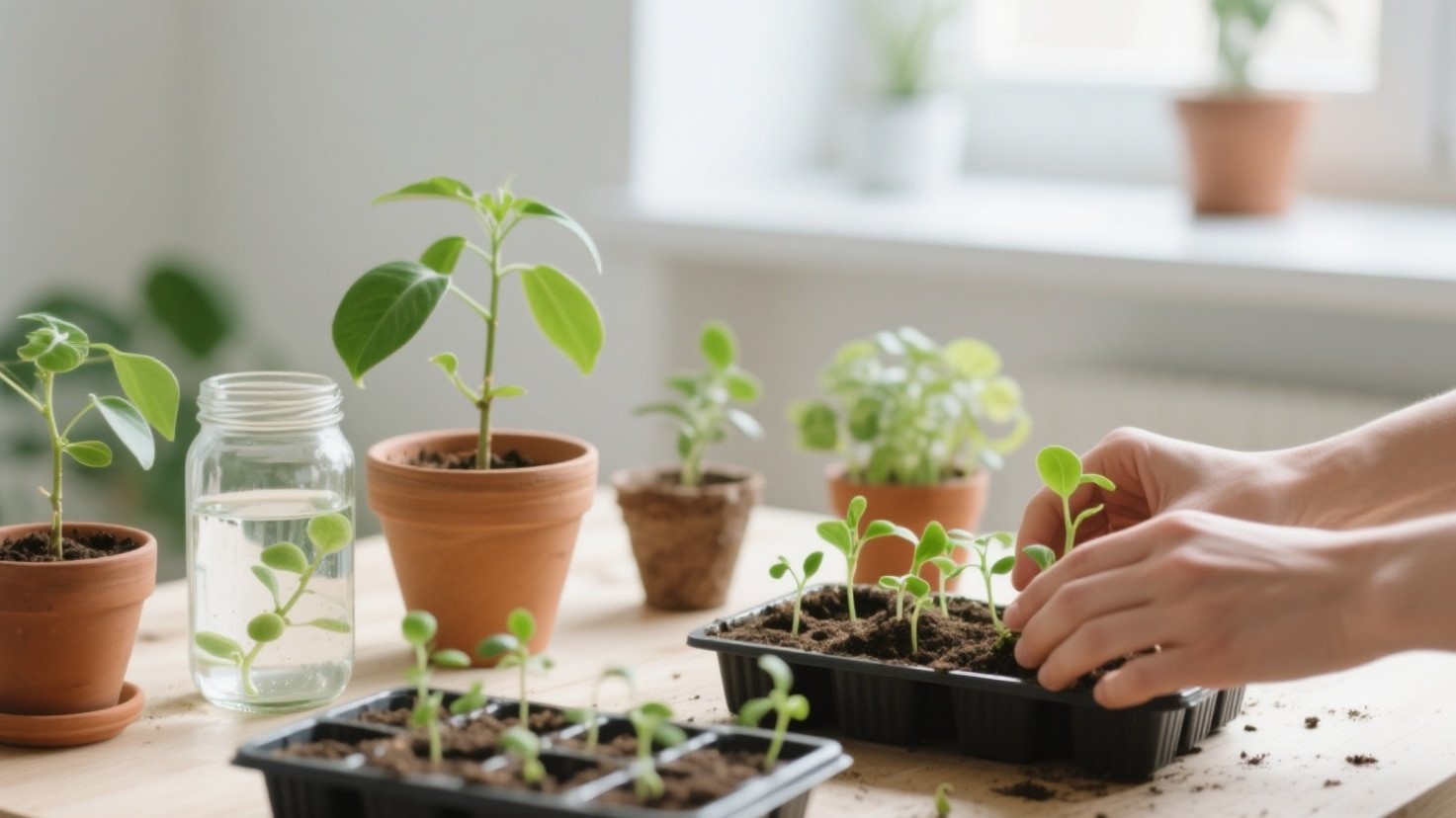
- Natural Propagation: Produces baby plants (“spiderettes”) on long stems
- Method: Root spiderettes in water or plant directly in soil
- Timing: Can be propagated year-round
7. Common Issues and Solutions
- Brown Tips: Usually from fluoride in tap water – use filtered water
- Pale Leaves: Needs more light or fertilizer
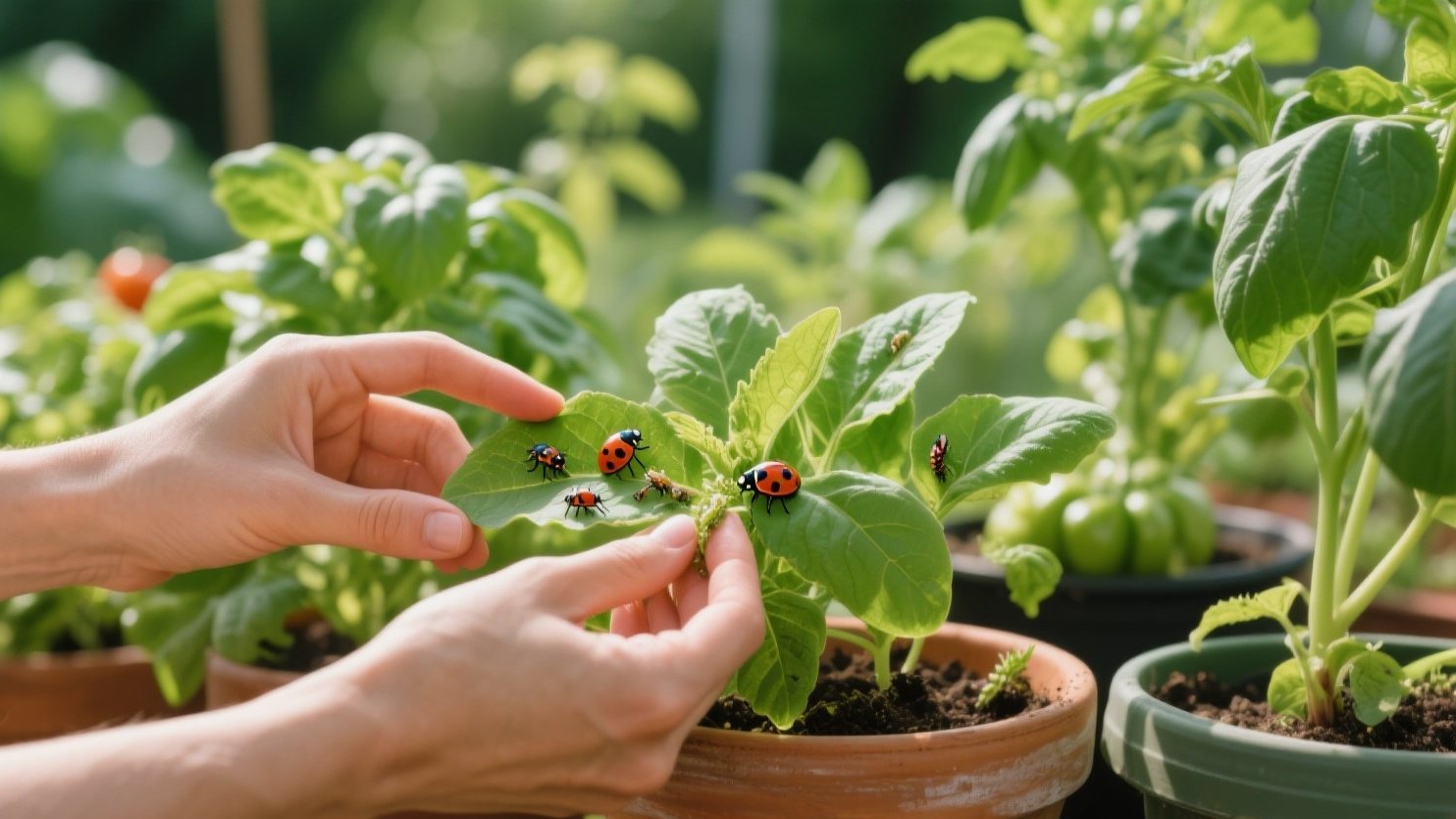
- Pests: Occasionally gets spider mites – treat with insecticidal soap
8. Creative Display Ideas
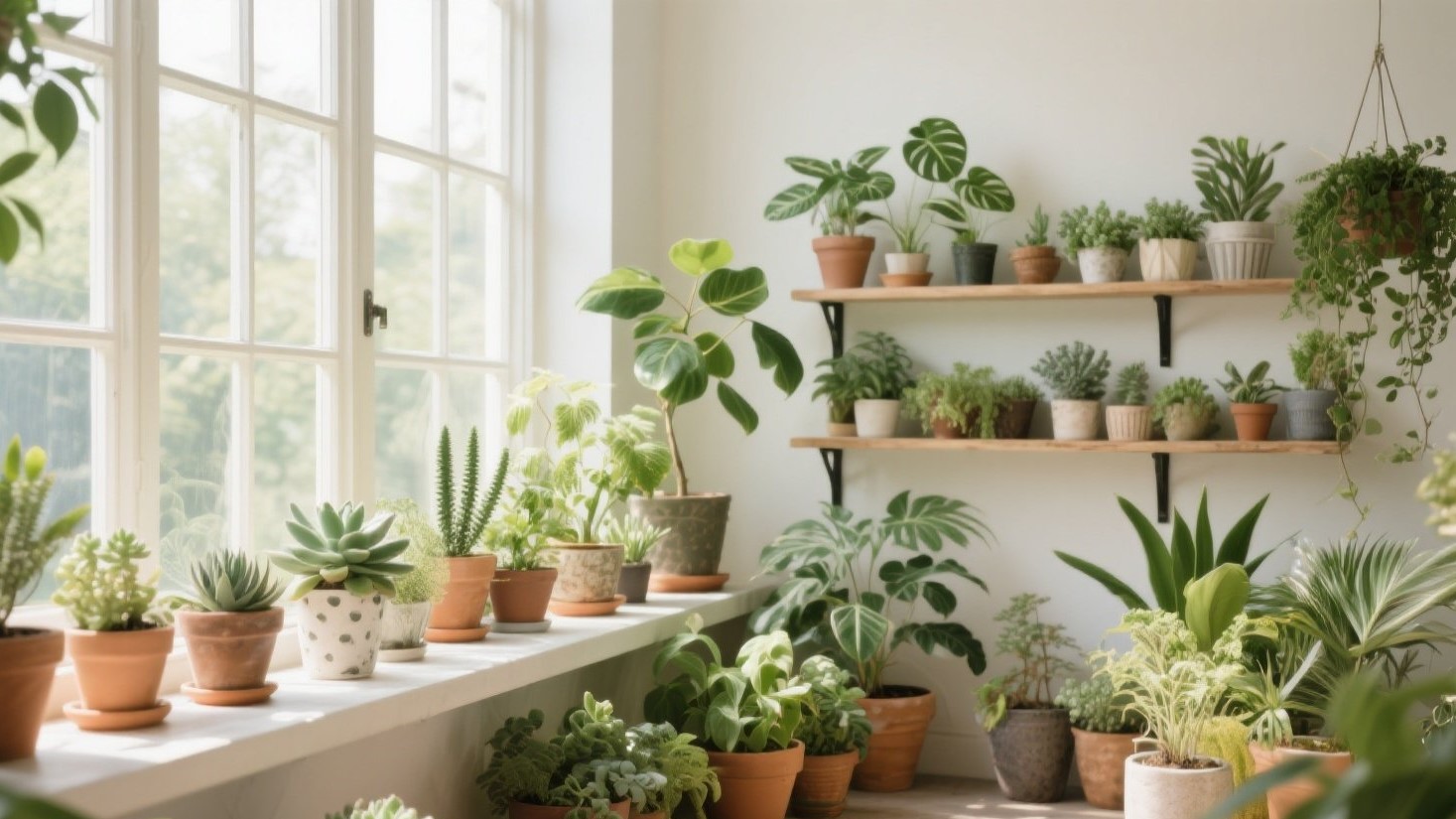
- Hanging Baskets: Perfect for showing off cascading foliage
- Shelves: Allow leaves to trail along bookshelves or mantels
- Tabletops: Bushy plants make excellent table centerpieces
Why Spider Plants are Perfect Houseplants:
- Air Purifying: NASA-certified to remove indoor toxins
- Pet Safe: Non-toxic to cats and dogs
- Fast Growing: Provides quick gratification
- Easy Propagation: Share plants with friends and family
Pro Tip: Spider plants are excellent for beginners because they visibly droop when thirsty, making watering cues easy to recognize. This “tell-me” quality helps new plant owners learn proper watering timing.
With their graceful arching leaves and prolific nature, spider plants bring life and movement to any indoor space. Their resilience and adaptability make them one of the most rewarding plants to grow, especially for those new to plant parenthood.