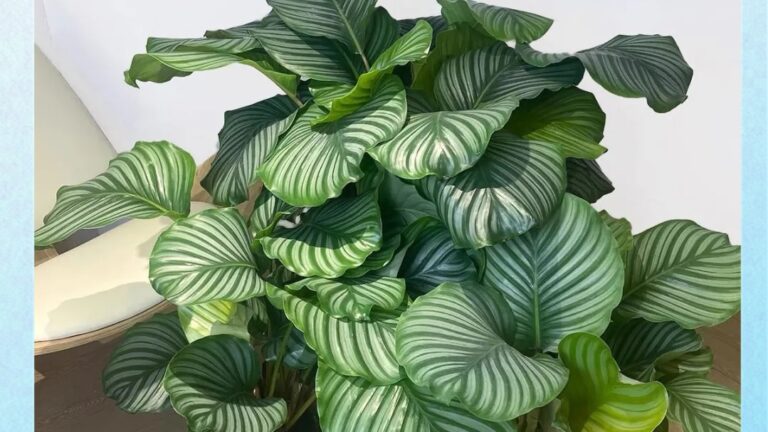
Prayer Plants, including the popular Calathea and Maranta varieties, are beloved for their stunning patterned foliage and unique nighttime leaf movements. While they have specific care requirements, understanding their needs will help you maintain their beautiful appearance. Here’s your complete guide to growing healthy Prayer Plants.
1. Light: Bright, Indirect Light is Essential
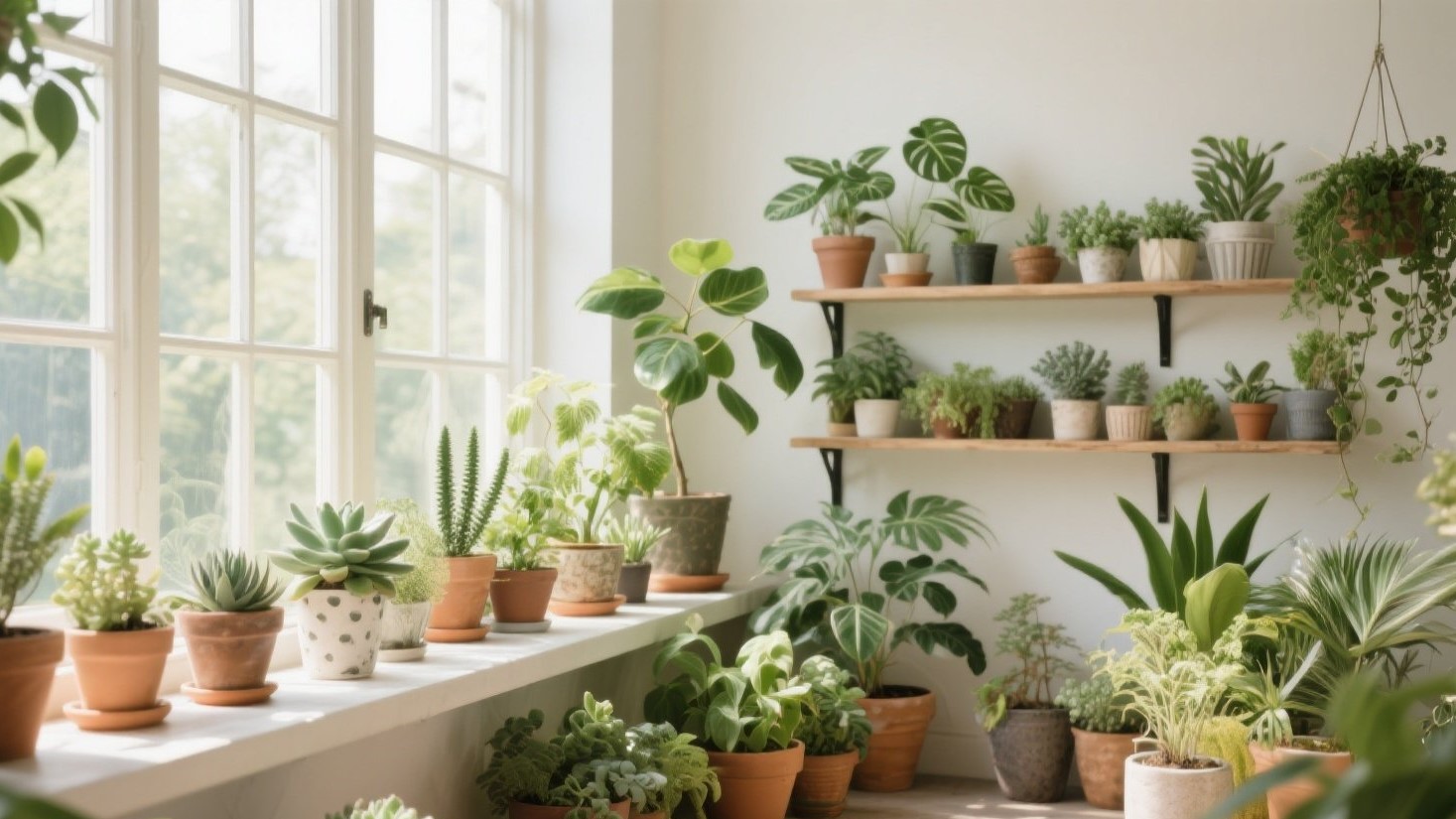
- Ideal Location: Near an east-facing window with morning light
- Light Requirements: Medium to bright indirect light maintains vibrant patterns
- Avoid: Direct sunlight that can fade or scorch leaves
- Low Light: Causes loss of variegation and slow growth
2. Watering: Consistent Moisture with Quality Water
- Watering Rule: Keep soil evenly moist but not soggy
- Method: Water when the top inch of soil feels dry
- Water Quality: Use distilled or rainwater to prevent leaf tip browning
- Signs: Drooping leaves indicate thirst, yellow leaves suggest overwatering
3. Humidity and Temperature: Warm and Humid
- Humidity: Requires 60%+ humidity – use a humidifier or pebble tray
- Temperature: Ideal range is 65-80°F
- Avoid: Drafts from windows, doors, and heating/cooling vents
4. Soil and Potting
- Soil Type: Well-draining, peat-based mix with good moisture retention
- Container: Choose pots with drainage holes to prevent waterlogging
- Repotting: Repot every 1-2 years in spring when roots fill the pot
5. Feeding for Healthy Growth
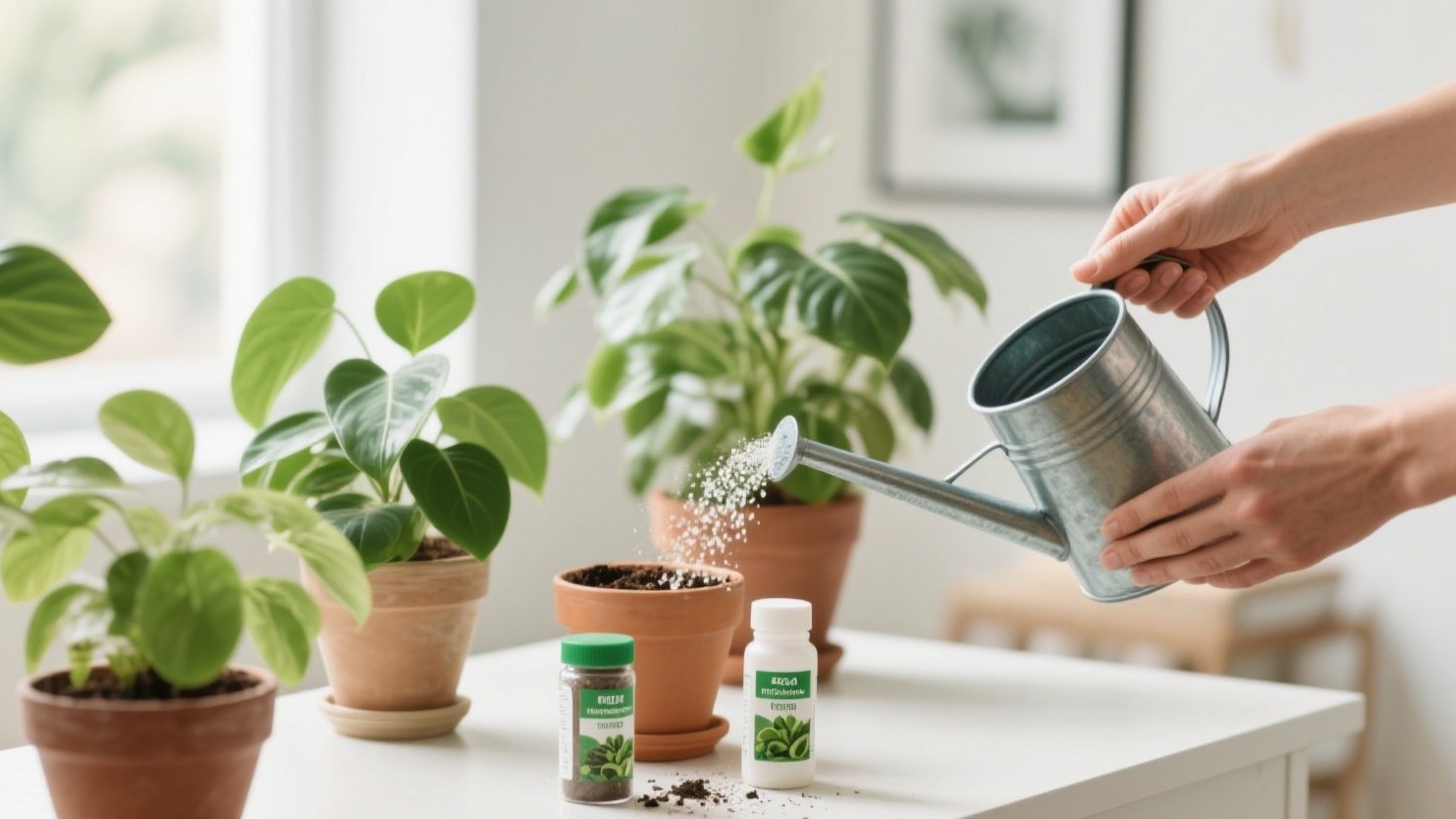
- Fertilizing: Use balanced liquid fertilizer at half strength monthly
- Growing Season: Spring through summer when growth is active
- Dormant Period: Reduce feeding in fall and winter
6. Understanding Leaf Movements
- Nyctinasty: Leaves rise upright at night as part of natural rhythm
- Normal Behavior: Not a sign of distress but a fascinating characteristic
- Light Response: Movements help maximize light exposure during day
7. Common Issues and Solutions
- Brown Edges: Usually low humidity or minerals in water
- Crispy Leaves: Needs more humidity or less direct light
- Pests: Watch for spider mites; increase humidity and treat with insecticidal soap
- Yellowing: Overwatering or needs nutrients
8. Propagation and Maintenance
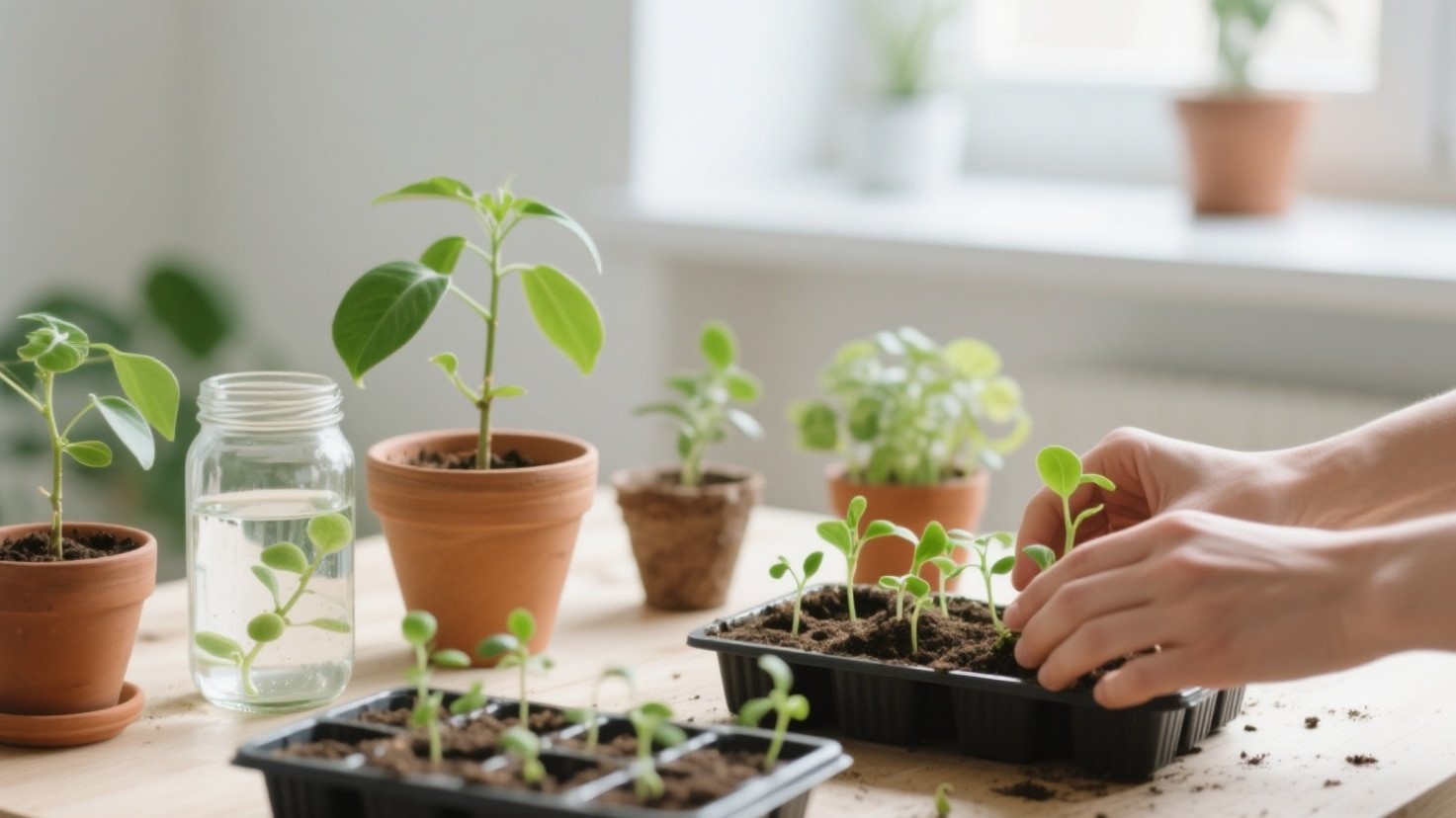
- Division: Propagate by dividing root clumps during repotting
- Cleaning: Gently wipe leaves with damp cloth to maintain photosynthesis
- Pruning: Remove yellowing leaves at the base to maintain appearance
Why Prayer Plants are Special:
- Stunning Foliage: Intricate patterns and colors vary by variety
- Air Purifying: Help remove indoor toxins
- Pet Safe: Non-toxic to cats and dogs
- Interactive: Daily leaf movements create a living display
Pro Tip: Group your Prayer Plant with other humidity-loving plants to create a microclimate that helps maintain moisture levels. This simple trick can significantly improve your plant’s health and appearance.
While Prayer Plants require specific conditions, their breathtaking beauty and fascinating behavior make them well worth the extra care. With consistent humidity, proper watering, and the right light, your Prayer Plant will reward you with spectacular growth and daily visual interest.