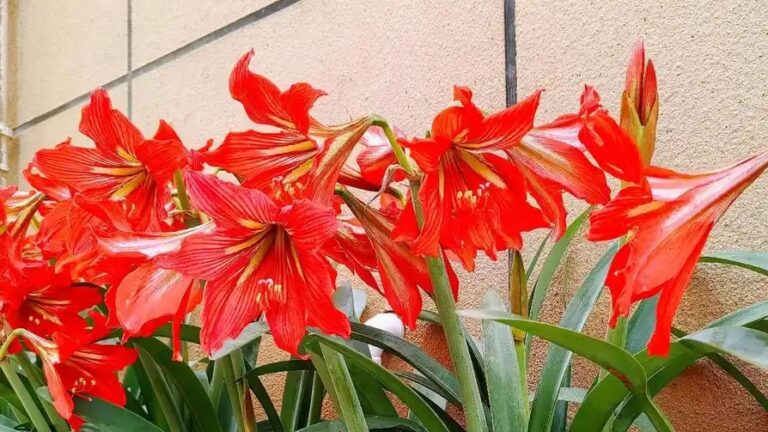
Amaryllis (Hippeastrum) are beloved for their dramatic, trumpet-shaped flowers that bring vibrant color to indoor spaces during winter months. These impressive bulbs are surprisingly easy to grow and make excellent holiday gifts that continue to bloom year after year. Here’s your complete guide to amaryllis success.
1. Getting Started: Planting Your Bulb
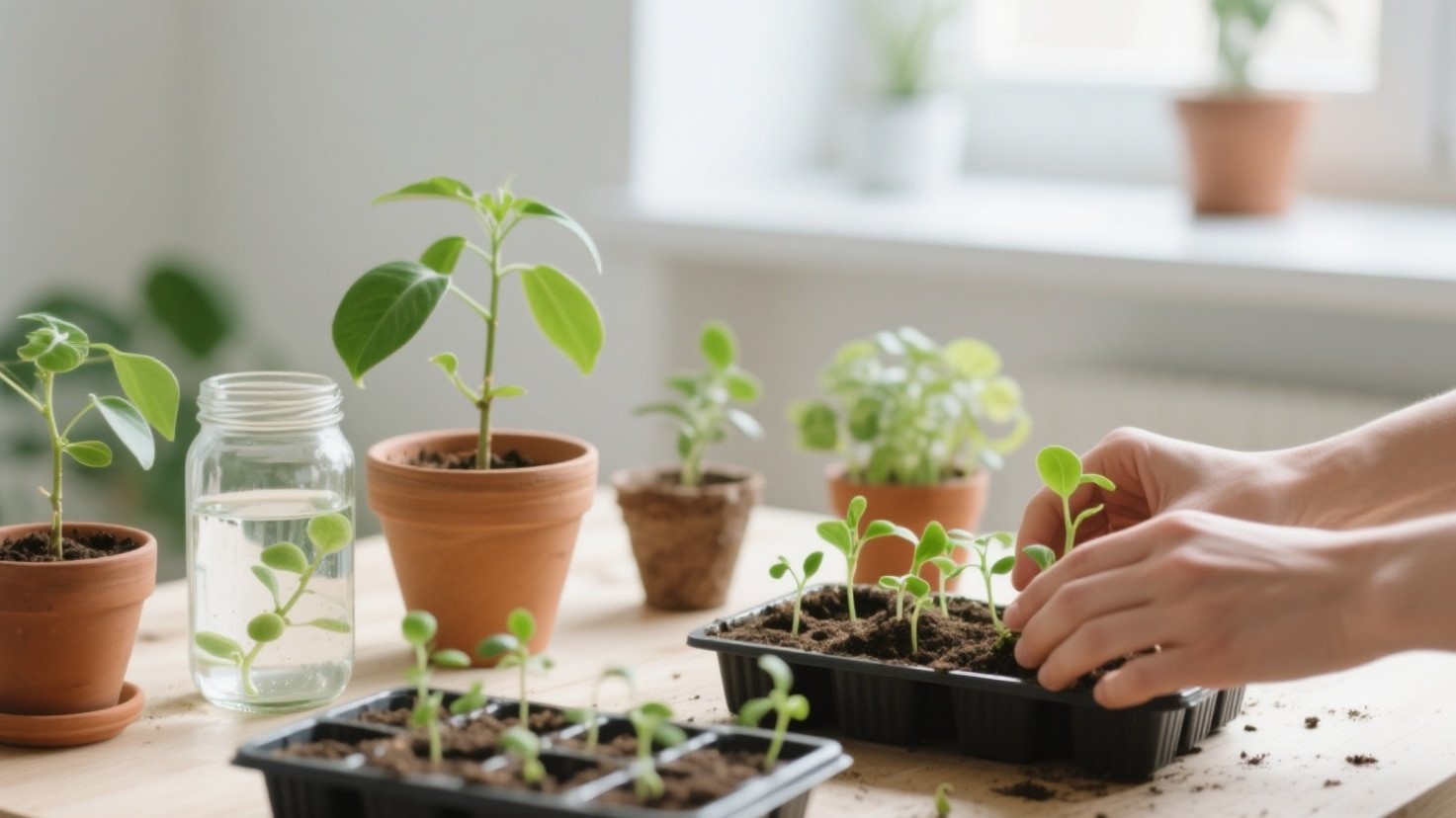
- Bulb Selection: Choose firm, healthy bulbs free of mold or soft spots
- Planting Time: October-December for holiday blooms
- Container: Use a pot 2 inches wider than the bulb with drainage holes
- Planting Depth: Leave the top third of the bulb exposed above soil level
- Soil: Well-draining potting mix with added perlite
2. Light Requirements for Optimal Growth
- Initial Phase: Place in bright, indirect light until growth appears
- Growing Period: Move to a sunny south-facing window once leaves emerge
- Flowering: Maintain bright light for strong stems and vibrant colors
- Summer Care: After flowering, grow as a houseplant or move outdoors to partial shade
3. Watering: The Key to Preventing Rot
- Initial Watering: Water lightly after planting, then wait until growth appears
- Growing Period: Water when the top inch of soil feels dry
- Dormancy: Gradually reduce watering after flowering, stop completely during dormancy
- Method: Water around the bulb base, avoiding the crown
4. Temperature and Growth Control
- Ideal Temperature: 65-75°F during active growth
- Flower Development: Cooler temperatures (60-65°F) extend blooming period
- Dormancy: Store bulbs at 50-55°F during rest period
5. Feeding for Future Blooms
- Start Feeding: When flower bud appears and leaves begin to grow
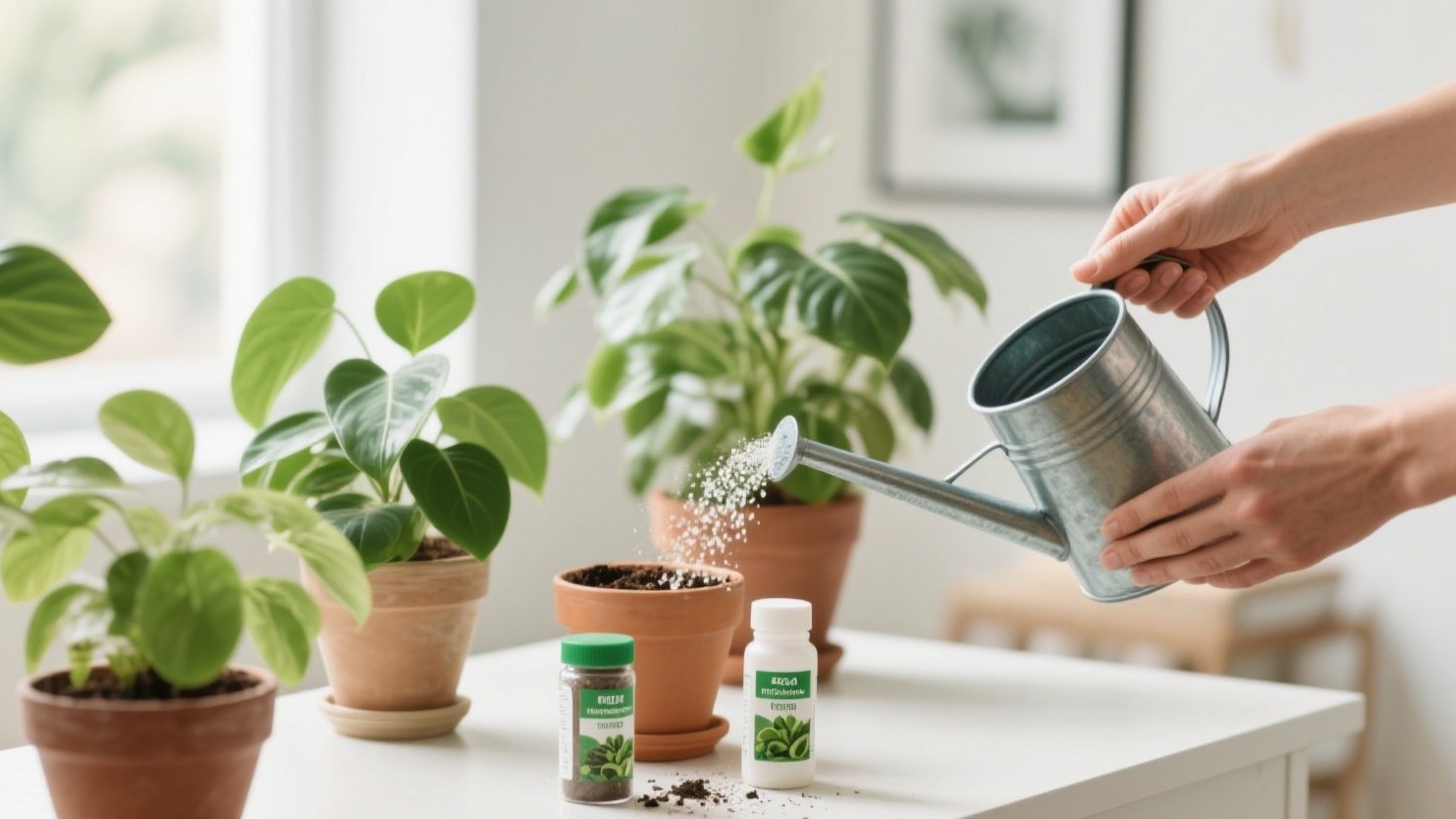
- Regular Fertilizing: Use balanced liquid fertilizer every 2-3 weeks
- Post-Bloom Care: Continue feeding until leaves yellow naturally
- Bulb Strength: Proper feeding ensures energy for next year’s flowers
6. After-Bloom Care and Reblooming
- Flower Stalks: Cut back to base after blooming, but leave foliage
- Leaf Growth: Allow leaves to grow and gather energy for next season
- Summer Rest: Stop watering in late summer, let leaves die back naturally
- Rest Period: Store pot in cool, dark place for 8-10 weeks
- Restarting: Resume watering in fall to trigger new growth cycle
7. Common Issues and Solutions
- No Flowers: Insufficient rest period or inadequate light
- Floppy Stems: Not enough light; rotate plant regularly
- Yellow Leaves: Overwatering or natural dormancy cycle
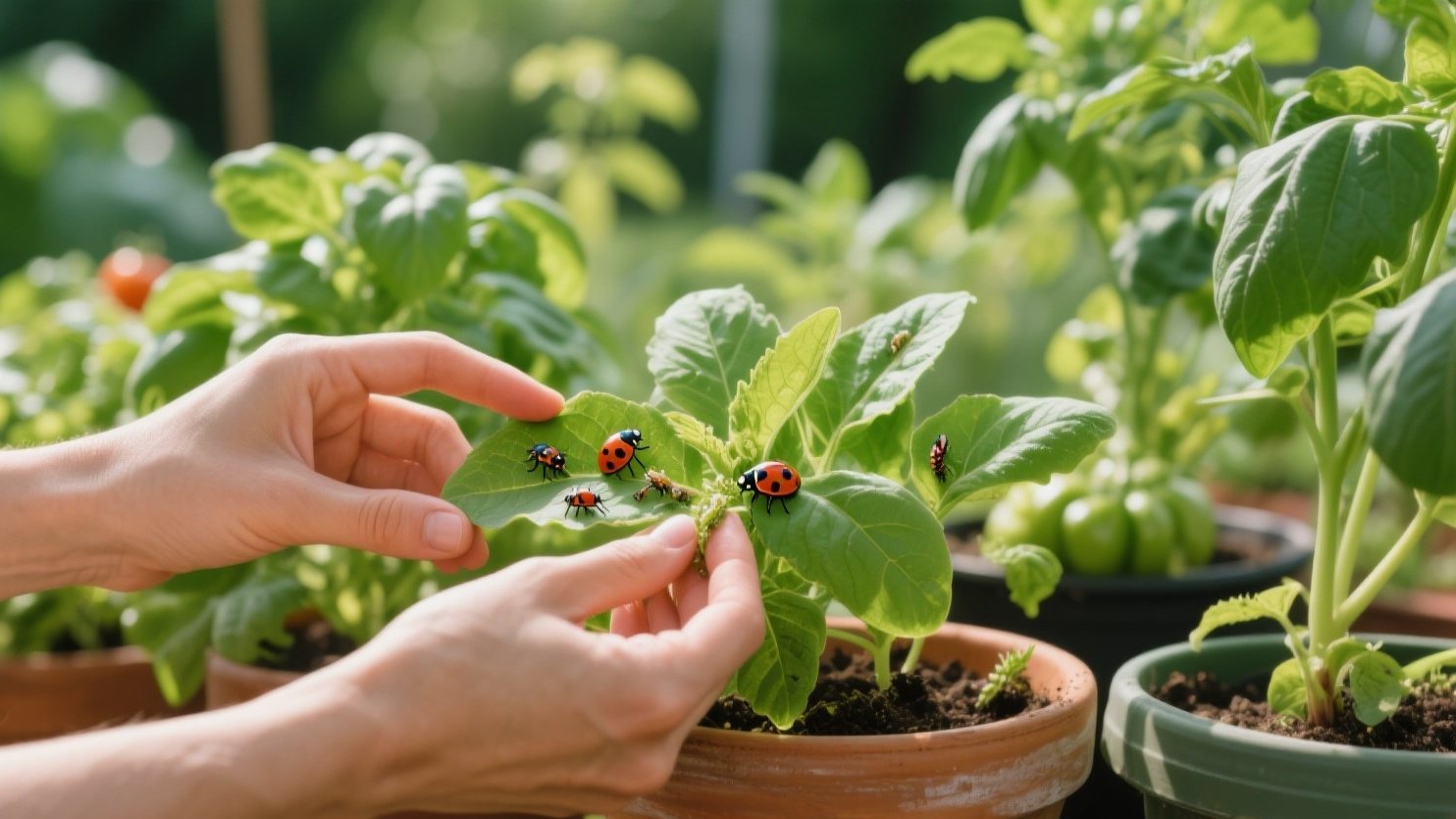
- Pests: Watch for aphids; treat with insecticidal soap
8. Special Varieties and Their Care
- Waxed Bulbs: No watering needed – enjoy blooms, then discard
- Double Blooms: May need staking due to heavier flowers
- Miniature Varieties: Perfect for small spaces, same care requirements
Why Amaryllis are Worth Growing:
- Fast Results: Blooms appear within 6-8 weeks of planting
- Spectacular Flowers: Huge blooms up to 8 inches across
- Long-Lasting: Individual flowers last up to 2 weeks
- Reusable: With proper care, bulbs rebloom for years
Pro Tip: To extend your amaryllis display, plant bulbs at 2-week intervals from October through December. This staggered approach ensures continuous blooms throughout the winter months.
With their magnificent flowers and relatively easy care, amaryllis bulbs bring dramatic beauty to the darkest winter days. Whether you’re growing them for holiday decoration or as a long-term houseplant, these spectacular flowers are sure to impress year after year.