🌿 Introduction: The Secret to a Healthy Pot Starts at the Bottom
When we admire a thriving houseplant, most of us look at the lush leaves, bright flowers, or sturdy stems — but rarely think about what’s happening beneath the surface. The truth is, a plant’s success often depends on what lies hidden at the bottom of the pot: its drainage base.
This unseen layer — whether made of pebbles, clay balls, or mesh — plays a critical role in preventing root rot, maintaining oxygen flow, and balancing moisture retention. Without it, even the most beautiful plant can silently suffocate in soggy soil.
🪴 Why Drainage Matters More Than You Think

Plant roots need both water and air to survive. When excess water lingers at the bottom of a pot without proper drainage, it drives out oxygen pockets that roots rely on to “breathe.” The result?
- Roots start to rot.
- Beneficial soil microbes die off.
- Nutrient absorption slows.
- The plant eventually weakens and yellows.
Drainage ensures that water flows freely, taking stale air with it and allowing fresh oxygen to circulate around the roots. In nature, rainwater drains through layers of soil and rock — in pots, you have to recreate that natural system yourself.
💧 The Science Behind Drainage and Root Oxygen
Roots absorb oxygen directly from the tiny air pockets in soil. When soil stays waterlogged, those pockets collapse. Lack of oxygen triggers anaerobic conditions, allowing harmful bacteria and fungi to thrive.
This leads to the common but devastating problem called root rot — often mistaken for underwatering because the leaves wilt, but it’s actually caused by too much water trapped below.
A proper drainage base acts as a buffer zone, keeping the soil moist but not stagnant. It mimics how groundwater moves through layers in nature — topsoil, sand, gravel — each serving to filter and release water gradually.
🪨 Building the Ideal Drainage Base: Step-by-Step

- Choose the Right Pot:
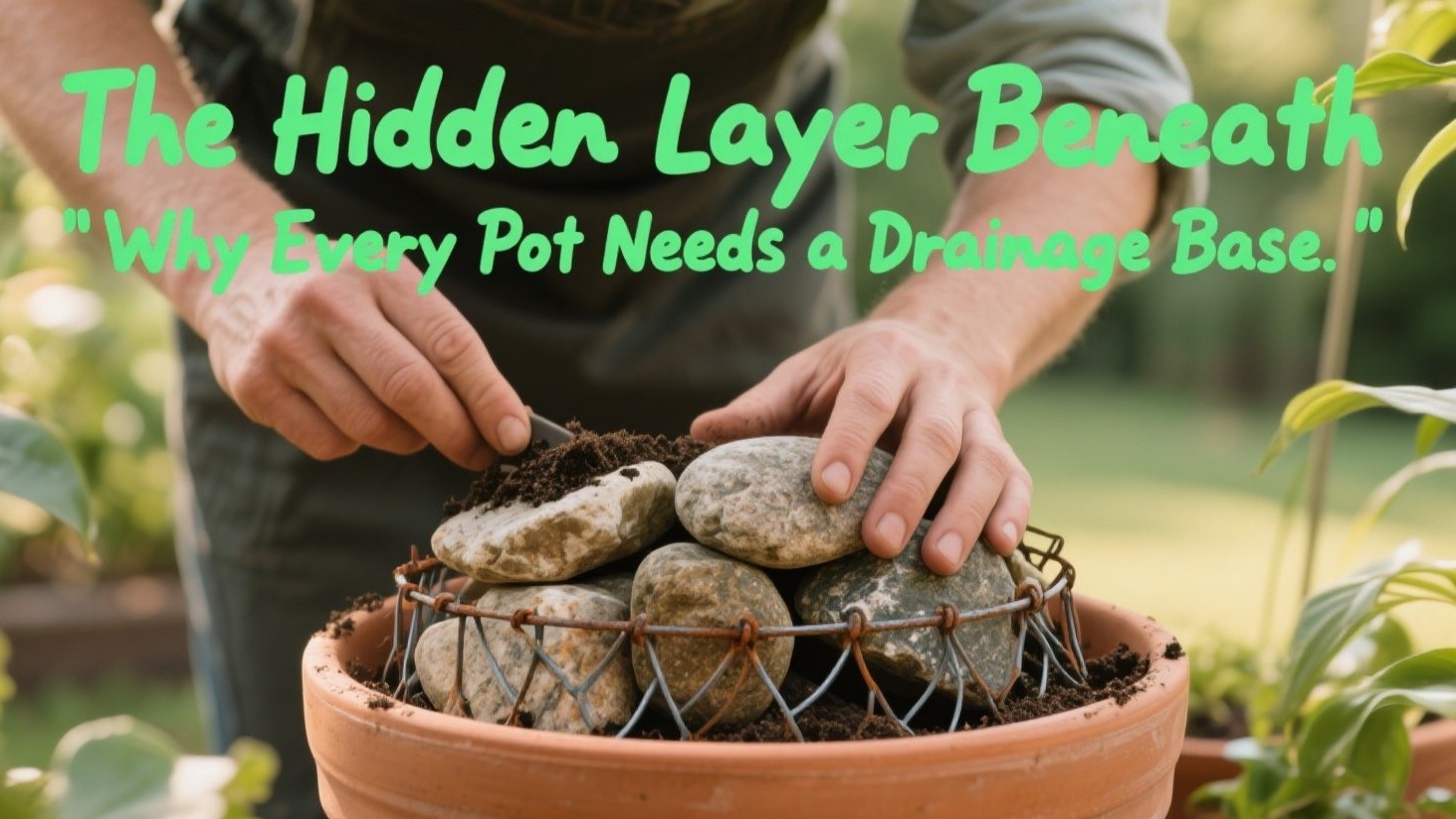
Always start with a pot that has drainage holes. Without them, even the best drainage layer won’t save your plant. - Add a Mesh Layer (Optional but Smart):
Place a piece of plastic or metal mesh over the holes. This prevents soil from washing out while still allowing water to pass freely. - Layer Pebbles or Clay Balls (1–2 inches):
Add a layer of small stones, pumice, or LECA clay balls. These materials create air pockets and give excess water somewhere to go.- For small pots: use 1 inch of drainage layer.
- For large pots: 2 inches or slightly more works best.
- Top with Potting Mix:
Add your preferred potting soil blend, making sure it’s appropriate for the plant type (e.g., cacti need gritty soil; tropicals prefer moisture-retentive mixes). - Water Thoroughly the First Time:
Let the water flow through completely. If it drains evenly and quickly, your base is doing its job.
🧪 What Materials Work Best for Drainage?
Not all materials are equal. Here’s a quick rundown:
| Material | Pros | Cons |
|---|---|---|
| Pebbles or Gravel | Inexpensive, easy to find | Heavy, less effective if pot has no holes |
| LECA (Clay Balls) | Lightweight, reusable, holds oxygen well | Slightly expensive |
| Pumice or Perlite | Excellent aeration, natural minerals | Can mix into soil instead of base |
| Mesh Screen | Keeps soil tidy, allows air flow | Needs trimming to fit pot |
🌱 Pro Tip: Avoid using materials that block drainage holes (like sand or compacted soil). These trap water instead of releasing it.
⚠️ Common Mistakes to Avoid
- Using pots without holes: No matter how pretty the container, roots can’t survive in standing water.
- Adding too thick a drainage layer: Overdoing it reduces root space and doesn’t improve drainage efficiency.
- Skipping mesh: This can cause soil to clog the drainage holes, undoing your effort.
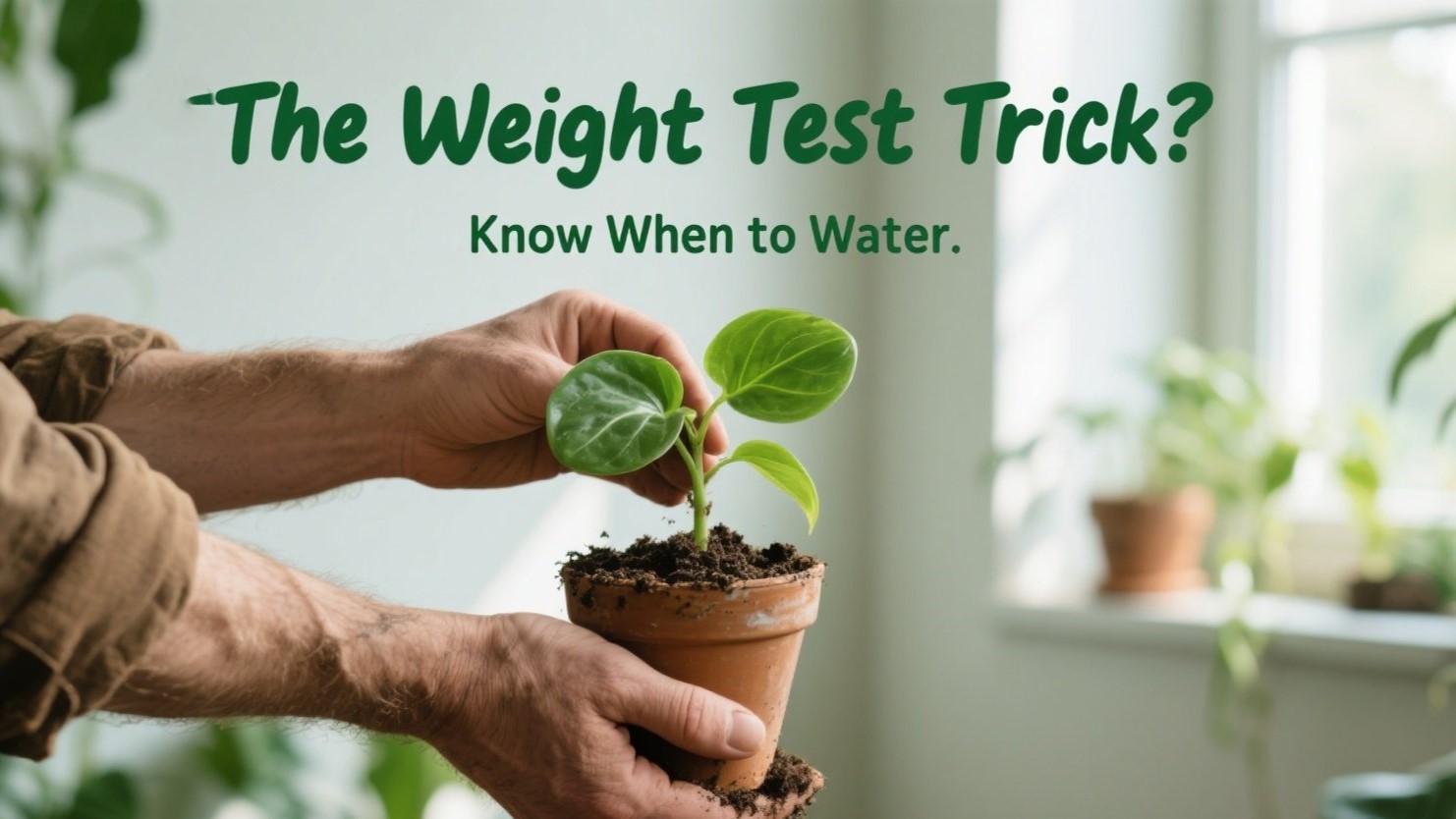
- Watering by schedule: Always water based on need, not the calendar — combine drainage with the weight test or finger test to be sure.
🌤️ The Perfect Partnership: Drainage + Proper Soil
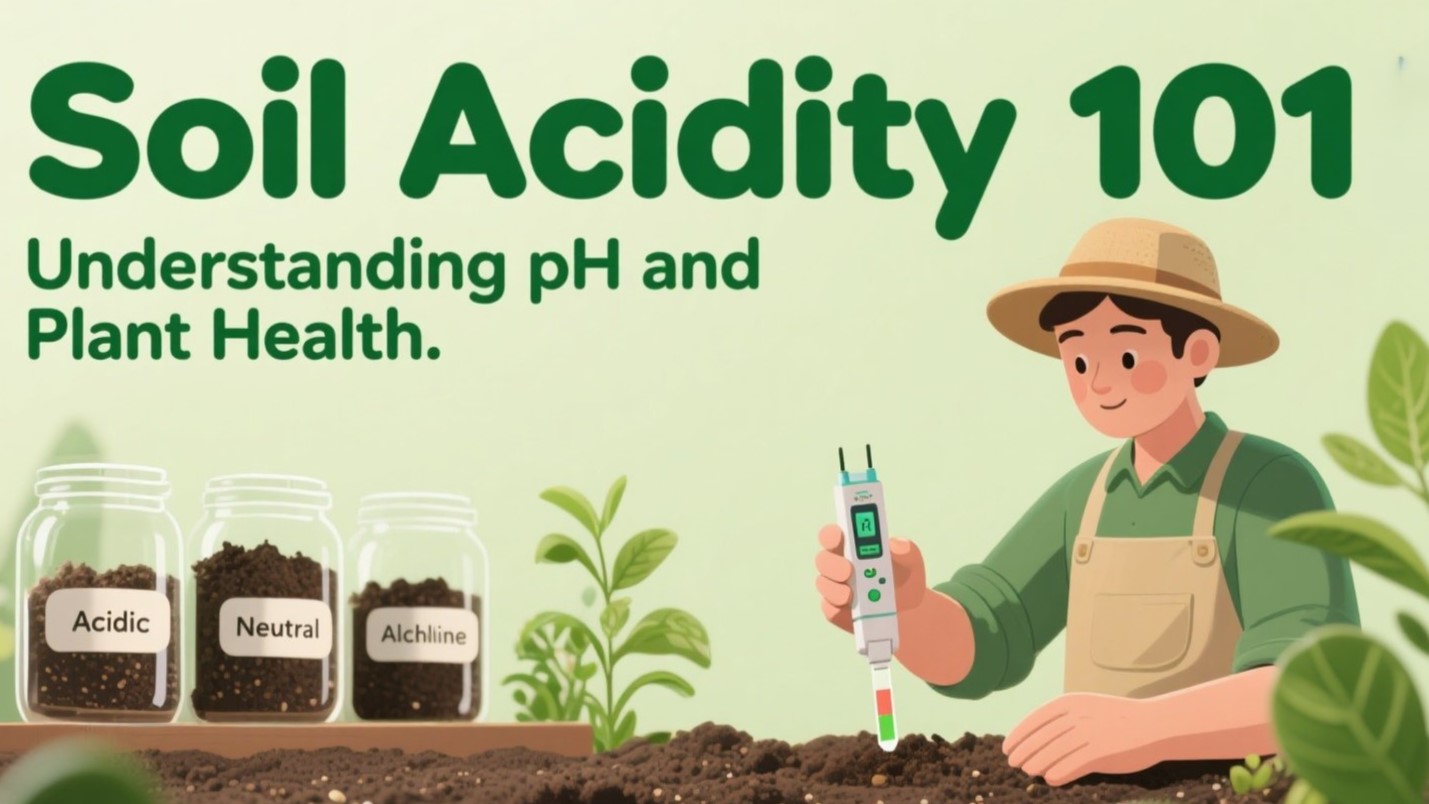
Good drainage doesn’t work alone — it needs the right soil texture. Use a well-aerated potting mix that holds enough moisture for the plant but drains quickly.
- For succulents and cacti: Add sand, pumice, or perlite.
- For tropical plants: Use peat, coco coir, and a bit of bark.
- For vegetables: A mix of compost, garden soil, and perlite promotes steady growth.
When both drainage and soil structure are balanced, you create an ideal environment for roots to grow strong and resilient.
🌱 Final Thoughts: A Healthy Root System Begins at the Bottom
The “hidden layer” may never be seen once your plant is potted, but it quietly determines whether your plant thrives or struggles. Good drainage isn’t a decorative choice — it’s plant survival science.
Next time you pot or repot, take a moment to build that base properly. Think of it as the foundation of your plant’s home — strong, breathable, and secure. Because in gardening, success doesn’t start at the leaves… it starts below the soil.