🌱 Introduction: When Green Turns to Gold (for the Wrong Reason)

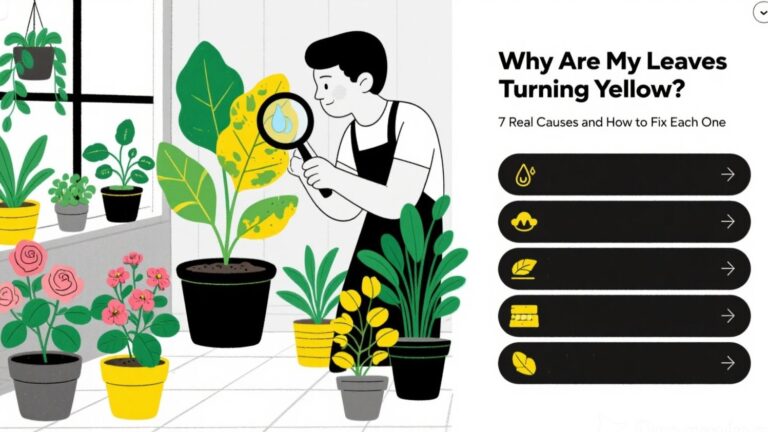
Every gardener — beginner or seasoned — has faced this mystery at least once: a once-vibrant plant slowly turning yellow, leaf by leaf.
At first, it’s easy to panic. Is it dying? Is it too much water? Not enough?
The truth is, yellowing leaves are your plant’s way of communicating distress.
The key to fixing it isn’t guessing — it’s observing. By identifying where the yellowing occurs and how it looks, you can uncover the real cause and take the right action.
Let’s decode the seven most common — and scientifically backed — reasons plants turn yellow, and learn how to bring them back to life. 🌿
🧩 1. Overwatering: The #1 Culprit
If your plant’s leaves look limp, soft, or yellow from the bottom up, overwatering is likely to blame.
What’s Happening:
Too much water suffocates roots, depriving them of oxygen. When roots can’t breathe, they begin to rot — causing nutrients and moisture to stop flowing properly.
How to Confirm:
- Soil feels constantly soggy or smells sour.
- Leaves yellow first near the base.
- Growth slows dramatically.
Fix It:
🌿
- Let the soil dry out completely before watering again.
- Make sure the pot has good drainage holes.
- Remove any decaying roots or leaves.
- Consider repotting with fresh, well-draining mix (like perlite + coco coir + soil).
💡 Tip: Always water deeply but less often. Most plants prefer a short “dry spell” between waterings.
🔥 2. Underwatering: The Silent Stressor
On the other end of the spectrum, underwatering leads to dry, crispy leaves that fade from green to yellow or brown.
What’s Happening:
Without enough moisture, the plant can’t transport nutrients or maintain healthy cell structure, leading to dehydration at the leaf edges first.
How to Confirm:
- Soil feels bone-dry several inches down.
- Leaves curl inward or feel papery.
- Plant looks dull or droopy.
Fix It:
💧
- Water the plant slowly until it drains from the bottom.
- For potted plants, soak the entire pot in water for 10–15 minutes if soil has become hydrophobic.
- Establish a consistent watering routine.
💡 Pro Tip: Stick your finger 2 inches into the soil — if it’s dry, it’s time to water.
🌾 3. Lack of Nutrients (Especially Nitrogen and Iron)
If your plant’s leaves are yellow but the veins remain green, this often points to a nutrient deficiency.
What’s Happening:
Plants need a balanced mix of nutrients like nitrogen (for leaf growth), magnesium (for chlorophyll), and iron (for energy production). When these are lacking, chlorophyll breaks down, leading to yellowing — also called chlorosis.
Common Deficiency Signs:
- Nitrogen deficiency: Older leaves turn yellow first.
- Iron deficiency: New leaves yellow but veins stay green.
- Magnesium deficiency: Yellowing begins between leaf veins.
Fix It:
🌿
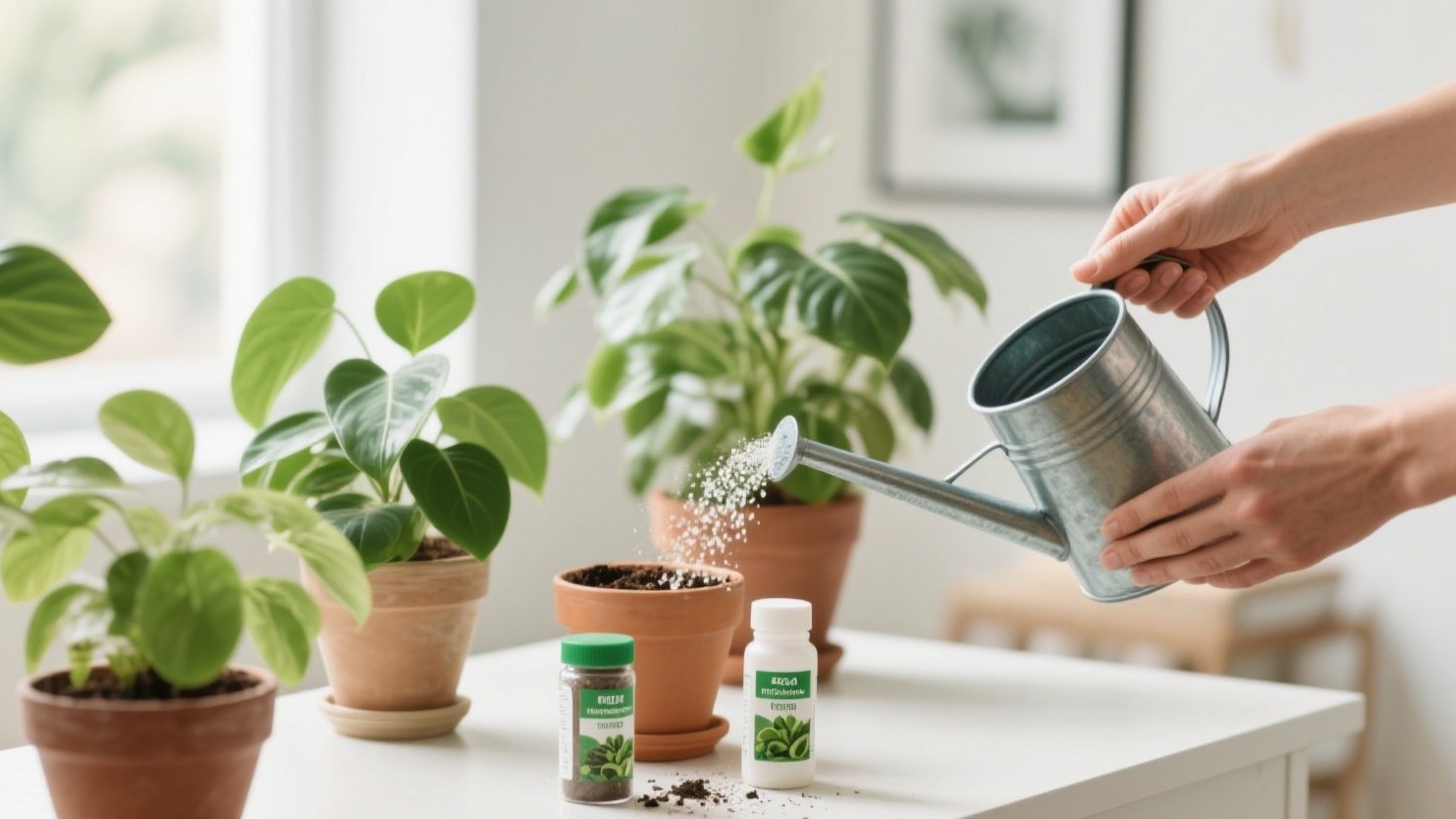
- Use a balanced liquid fertilizer (e.g., 10-10-10 or 20-20-20).
- For leafy greens or houseplants, try an organic nitrogen source like fish emulsion or compost tea.
- Check soil pH — nutrient uptake fails if pH is off.
💡 Ideal pH range for most plants: 6.0–7.0
☀️ 4. Too Much or Too Little Light
Light stress is another sneaky cause of yellowing leaves.
Too Much Light:
- Leaves appear bleached, crispy, or yellow on top surfaces.
- Common in indoor plants placed near windows during summer.
Too Little Light:
- Lower leaves yellow and drop.
- Growth slows; stems stretch toward light sources (becoming “leggy”).
Fix It:
☀️
- Move sunburned plants to filtered light or use sheer curtains.
- Move shade-loving plants away from direct sun.
- For low-light indoor plants, add a grow light (LED or full-spectrum) to supplement.
💡 Rotate pots weekly so light hits evenly on all sides.
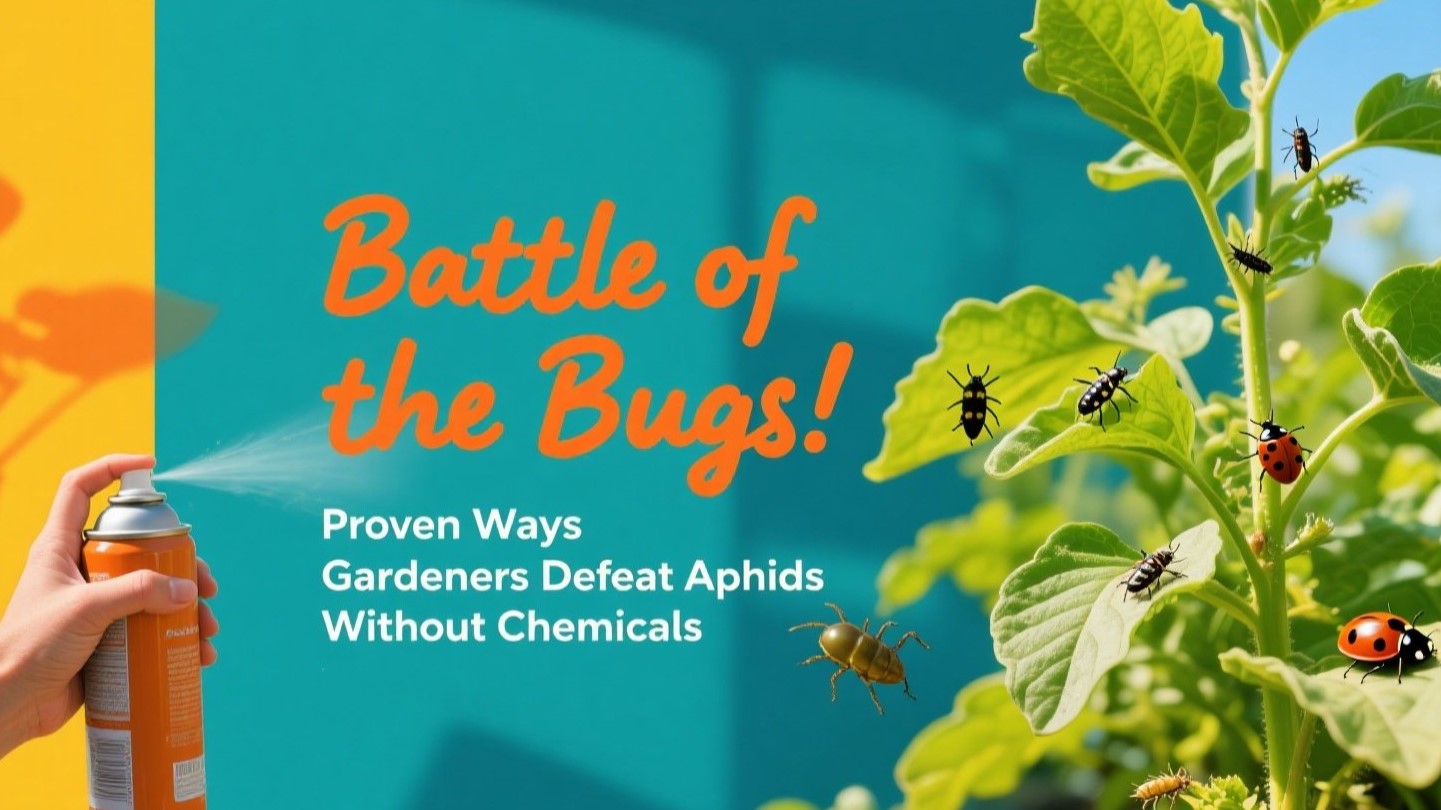
🪲 5. Pests: The Hidden Invaders
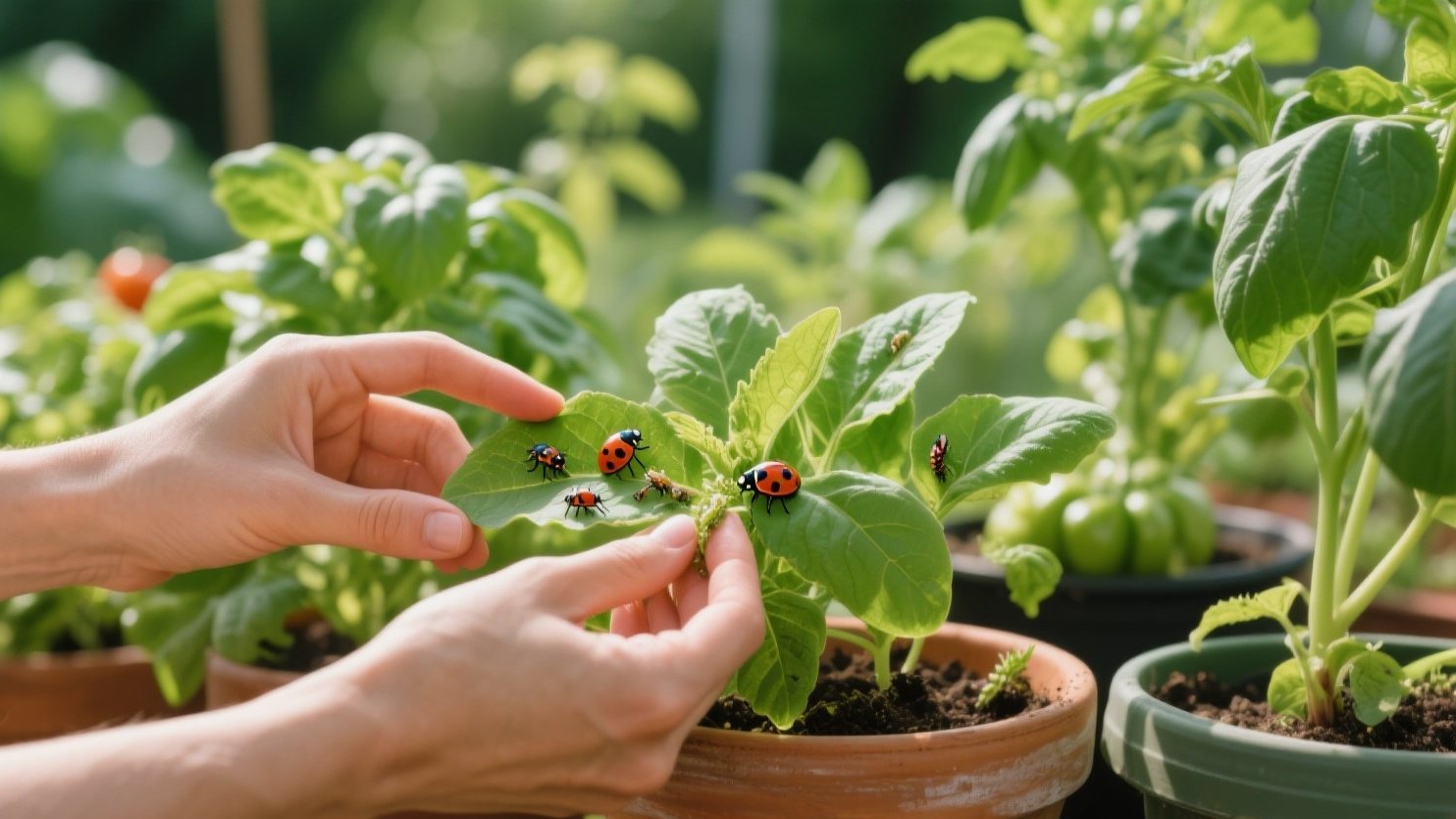
Tiny insects like aphids, spider mites, and thrips can drain sap and cause leaves to yellow and curl.
How to Confirm:
- Look under leaves or along stems for dots, webbing, or sticky residue.
- Tap the leaf gently — if tiny bugs move, you’ve found the problem.
Fix It:
🪲
- Wipe leaves with mild soapy water or spray with neem oil.
- Rinse off after a few hours to avoid residue buildup.
- For severe infestations, isolate affected plants to prevent spreading.
💡 Keep humidity moderate — spider mites love dry air.
🧫 6. Root Problems: Rot, Compaction, or Bound Roots
Roots are the lifeline of your plant. If they’re unhealthy, yellowing will soon follow.
Common Issues:
- Root rot: Caused by overwatering and poor drainage.
- Rootbound: When roots circle tightly in a pot, restricting growth.
- Soil compaction: Blocks oxygen and prevents water absorption.
Fix It:
🌿
- Gently remove the plant from its pot and inspect roots.
- Trim off brown or mushy parts with sterilized scissors.
- Repot into fresh, airy soil and a slightly larger pot.
💡 A good mix for most houseplants: 1 part soil + 1 part perlite + 1 part bark or coco peat.
🌬️ 7. Environmental Stress (Temperature or Humidity Swings)
Plants can’t handle sudden changes in temperature or humidity — especially tropical varieties.
What’s Happening:
Cold drafts, heat from radiators, or dry indoor air can disrupt water balance, leading to leaf drop and yellowing.
Fix It:
🌡️
- Keep plants away from AC vents or heaters.
- Mist tropical plants lightly or use a humidifier.
- Group plants together — this naturally increases humidity.
💡 Ideal humidity for most houseplants: 40–60%
🍀 Bonus Tip: Know What’s Normal
Not all yellow leaves mean disaster! Sometimes, it’s part of a plant’s natural cycle.
- Older leaves near the base often yellow and fall off to make room for new growth.
- Seasonal changes or transplant shock can also cause brief yellowing.
If new growth looks healthy and vibrant, your plant is likely just adjusting.
🌼 Final Thoughts: Your Plants Are Talking — Listen Closely
Yellow leaves are not a death sentence — they’re a signal. Once you learn to interpret the signs, every shade of yellow tells a story: too much water, too little light, missing nutrients, or environmental stress.
The solution is rarely instant, but with a little observation, patience, and balance, your plants will recover — greener and stronger than ever. 🌿💚