🌱 Introduction: When Tiny Insects Cause Big Trouble

If you’ve ever walked into your garden and found curled leaves, sticky residue, or clusters of tiny green, black, or white bugs — congratulations, you’ve met the aphid army.
Aphids are among the most persistent garden pests. They multiply rapidly, suck the sap from leaves and stems, and can weaken even the healthiest plants in days. Worst of all, they attract ants with their sugary honeydew secretion and can spread plant viruses.
For years, many gardeners reached for chemical sprays — quick, yes, but often harmful to pollinators, soil life, and even nearby edibles. Fortunately, a new wave of gardeners — especially the resourceful Reddit community — has shown that you don’t need harsh pesticides to win the war.
Let’s explore the proven natural methods that real gardeners use to keep aphids under control — safely, sustainably, and effectively. 🌿
🧭 Understanding Aphids: The First Step to Winning
Before fighting a pest, it helps to know your enemy.
Aphids are soft-bodied insects that pierce plant tissues to drink sap. They thrive in warm, humid environments and prefer young, tender growth.
Common signs of an aphid infestation include:
🪴 Leaves that curl or yellow
💧 Sticky honeydew residue on stems or leaves
🐜 Ants crawling up and down your plants (farming the honeydew)
🌸 Stunted flowers or wilting new shoots
A single aphid colony can contain hundreds of individuals, reproducing asexually — meaning one bug can quickly become thousands. That’s why early action is key.
🌼 Step-by-Step: How to Control Aphids Naturally
1. 💦 Blast Them Away with Water

Sometimes, the simplest method is the most effective.
Use a strong jet of water from a hose to knock aphids off leaves and stems.
- Do this in the morning so the plant dries before nightfall (to prevent mold).
- Focus on the undersides of leaves, where aphids love to hide.
- Repeat every few days until the infestation decreases.
This is chemical-free, quick, and ideal for mild infestations.
2. 🧼 Soap Spray: A Gardener’s Secret Weapon

Aphids breathe through tiny pores on their bodies. A mild soap solution can clog these pores, killing them gently but effectively.
DIY Soap Spray Recipe:
- 1 tablespoon of mild liquid soap (like Castile or dish soap)
- 1 liter of water
- Optional: a few drops of vegetable oil to help it stick to leaves
Spray directly on affected areas, including leaf undersides.
🌿 Tip: Test on one small leaf first — some sensitive plants (like ferns) don’t tolerate soap well.
3. 🌰 Neem Oil: The Natural Insect Repellent
Neem oil, derived from the seeds of the neem tree, is one of the most trusted organic pest repellents. It works by disrupting the insect’s hormonal balance — they stop feeding and reproducing, eventually dying off.
How to Use:
- Mix 2 teaspoons of neem oil with 1 teaspoon of mild soap and 1 liter of warm water.
- Shake well and spray evenly every 7–10 days.
- Avoid spraying during peak sunlight hours; early morning or late afternoon is best.
🌼 Bonus: Neem oil also helps prevent fungal problems like powdery mildew.
4. 🧄 Garlic or Onion Water Spray
Garlic contains sulfur compounds that naturally repel insects. Reddit gardeners swear by this homemade repellent — it’s safe, cheap, and effective.
Recipe:
- Blend 3–4 garlic cloves (or one onion) with 1 liter of water.
- Let it sit overnight, then strain and spray on affected plants.
🔸 Optional: Add a small piece of chili for extra strength (just be careful around eyes and skin).
The strong smell fades in a few hours but keeps pests away for days.
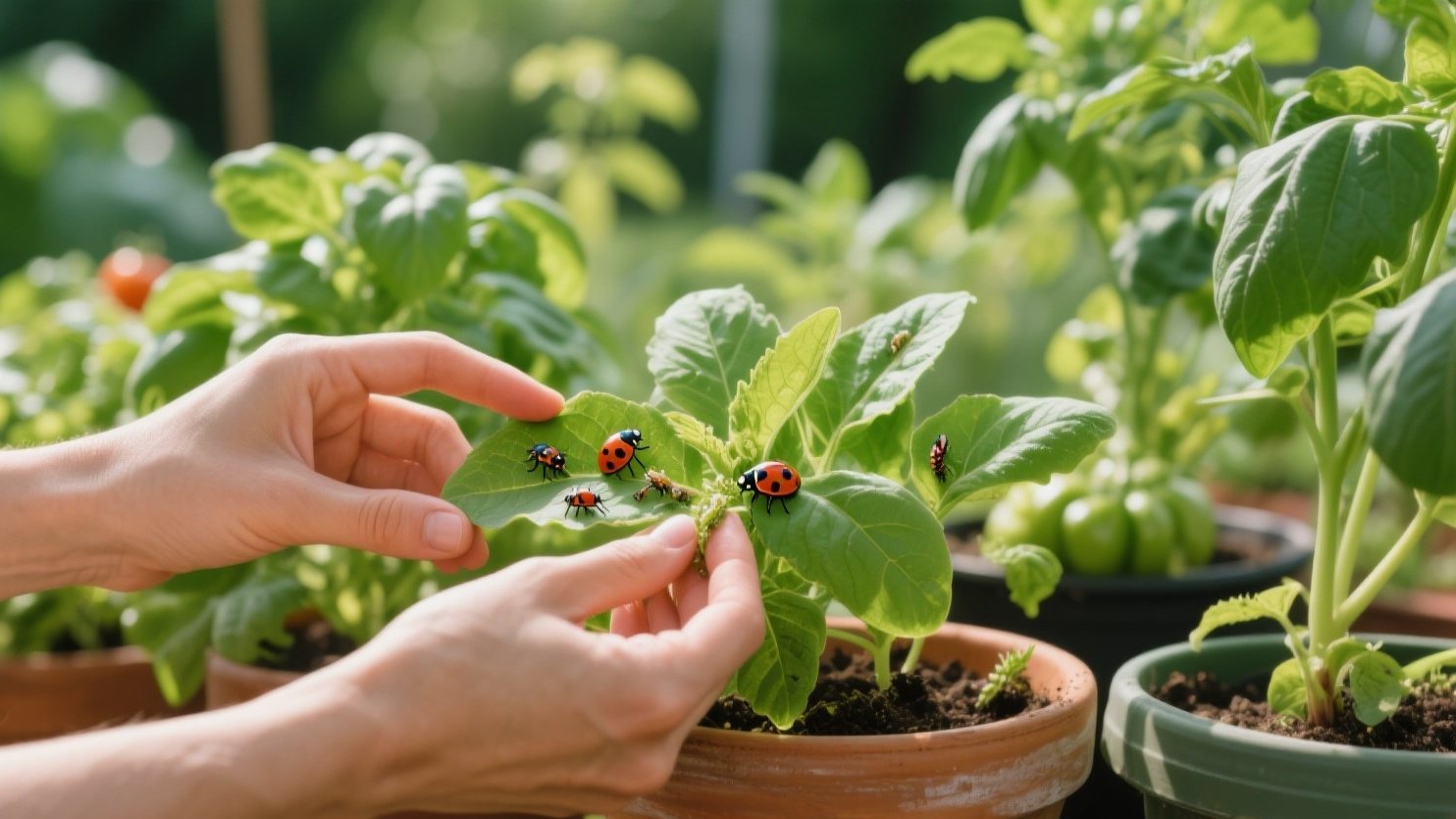
5. 🐞 Invite Natural Predators
Ladybugs, lacewings, and parasitic wasps are aphid’s worst enemies — and your best allies.
You can attract them naturally by planting pollinator-friendly flowers like marigolds, dill, fennel, or alyssum near your vegetables.
🌺 Fun fact: A single ladybug can eat up to 50 aphids per day!
For faster results, some gardeners even buy ladybugs online and release them into their gardens during dusk (so they don’t fly away immediately).
6. 🍃 Use Companion Planting Wisely
Certain plants repel aphids naturally, while others act as “trap crops.”
✅ Aphid-Repelling Plants:
- Garlic
- Chives
- Basil
- Mint
🌻 Trap Crops:
- Nasturtiums and mustard attract aphids away from your main plants.
- Once they’re infested, remove and dispose of the trap plants carefully.
This is an eco-friendly way to keep aphids distracted while your main crops thrive.
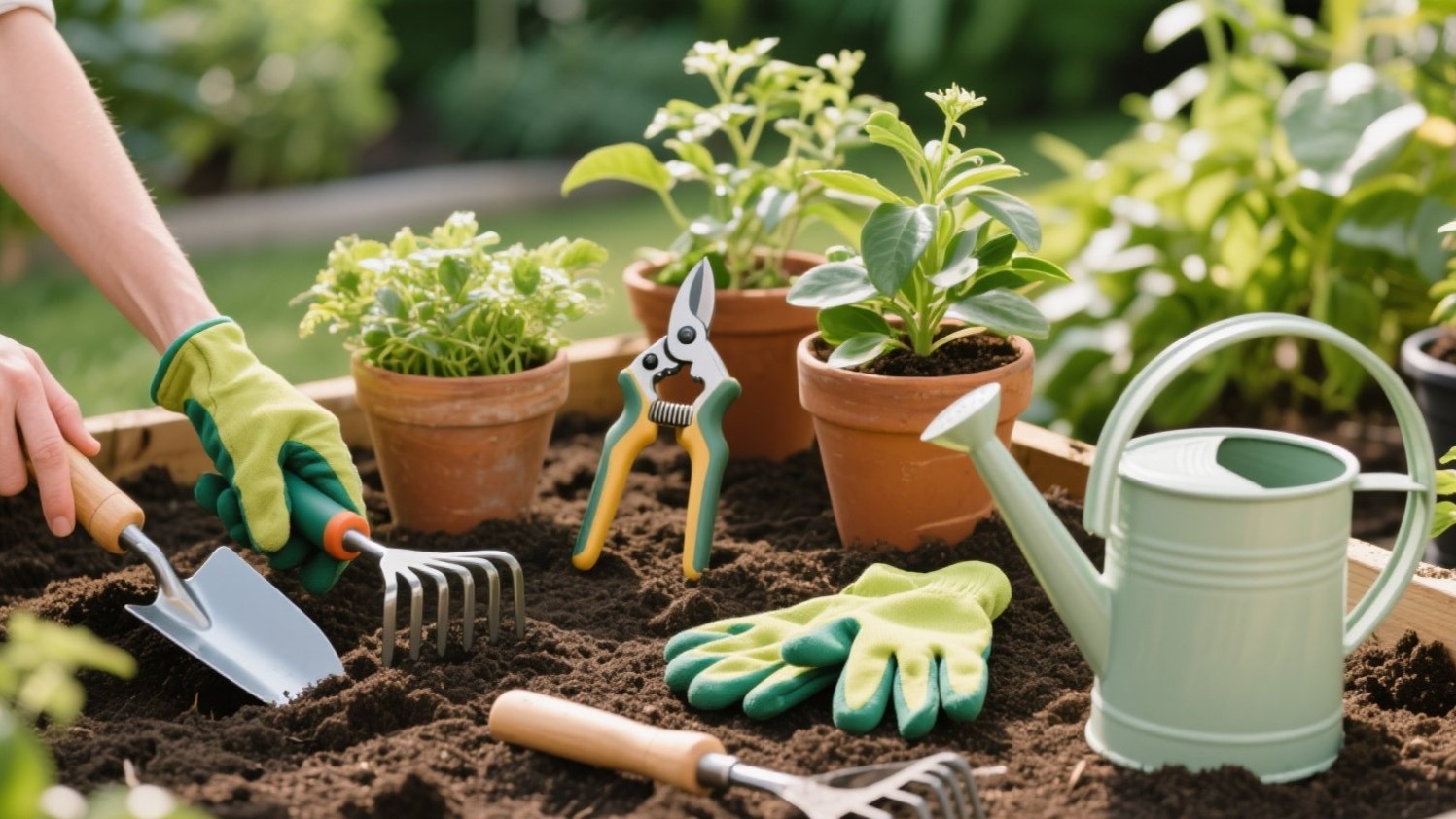
7. 🧤 Prune and Inspect Regularly
Cut off heavily infested leaves or stems early. Removing them prevents colonies from spreading.
Always sanitize your pruning shears before and after use to avoid contamination.
Weekly inspection of your plants — especially the undersides of leaves — helps catch problems before they escalate.
🌿 Real-World Success: What Reddit Gardeners Say
Reddit users across r/gardening and r/houseplants often share incredible success stories with natural pest control:
“I used neem oil for two weeks straight — the aphids disappeared and my basil bounced back stronger!”
“Soap spray worked wonders on my roses. Just don’t overdo it — once a week was enough.”
“Ladybugs are my secret weapon. Released 100 in my backyard, and the aphid problem was gone in three days.”
These accounts show that consistent, gentle treatment beats harsh chemicals — every time.
🌼 Final Thoughts: Nature Has Its Own Balance
The truth is, you’ll never eliminate every aphid — and you don’t need to. A balanced ecosystem allows natural predators and beneficial insects to do their part.
By combining physical removal, natural sprays, and biodiversity, you create a resilient garden that can defend itself — no chemicals, no stress.
So the next time you see a few tiny invaders, remember: you’re not powerless. You’re part of a thriving ecosystem, capable of healing itself with the right support. 🌿✨