Gardening in clay soil can be deceptively tricky. Unlike sandy or loamy soils, clay holds water for longer, meaning overwatering is a common mistake. On r/NativePlantGardening, a Reddit user recently shared their strategy: resisting the urge to water even during heat waves, demonstrating a skill many gardeners overlook: knowing when not to water.
Understanding clay soil’s unique properties can help your garden thrive without unnecessary watering, saving both water and plant health.
Why Clay Soil Holds Water
Clay soil is made of tiny, densely packed particles. This structure gives it unique characteristics:
- High water retention: Clay holds moisture longer than other soils, reducing the frequency of irrigation.
- Slow drainage: Water moves slowly through clay, which can suffocate roots if overapplied.
- Nutrient richness: Clay particles hold onto nutrients well, benefiting plant growth.
Because of these properties, gardeners often water too quickly or too often, risking root rot or other issues.
Observing Signs of Water Stress
Clay soil gardeners rely on careful observation rather than a fixed watering schedule. Key signs that plants actually need water include:
- Wilting: Leaves may droop during the hottest part of the day but recover in the evening—this is normal. Only prolonged wilting indicates stress.
- Leaf color changes: Yellowing, browning, or curling leaves can indicate water stress or overwatering.
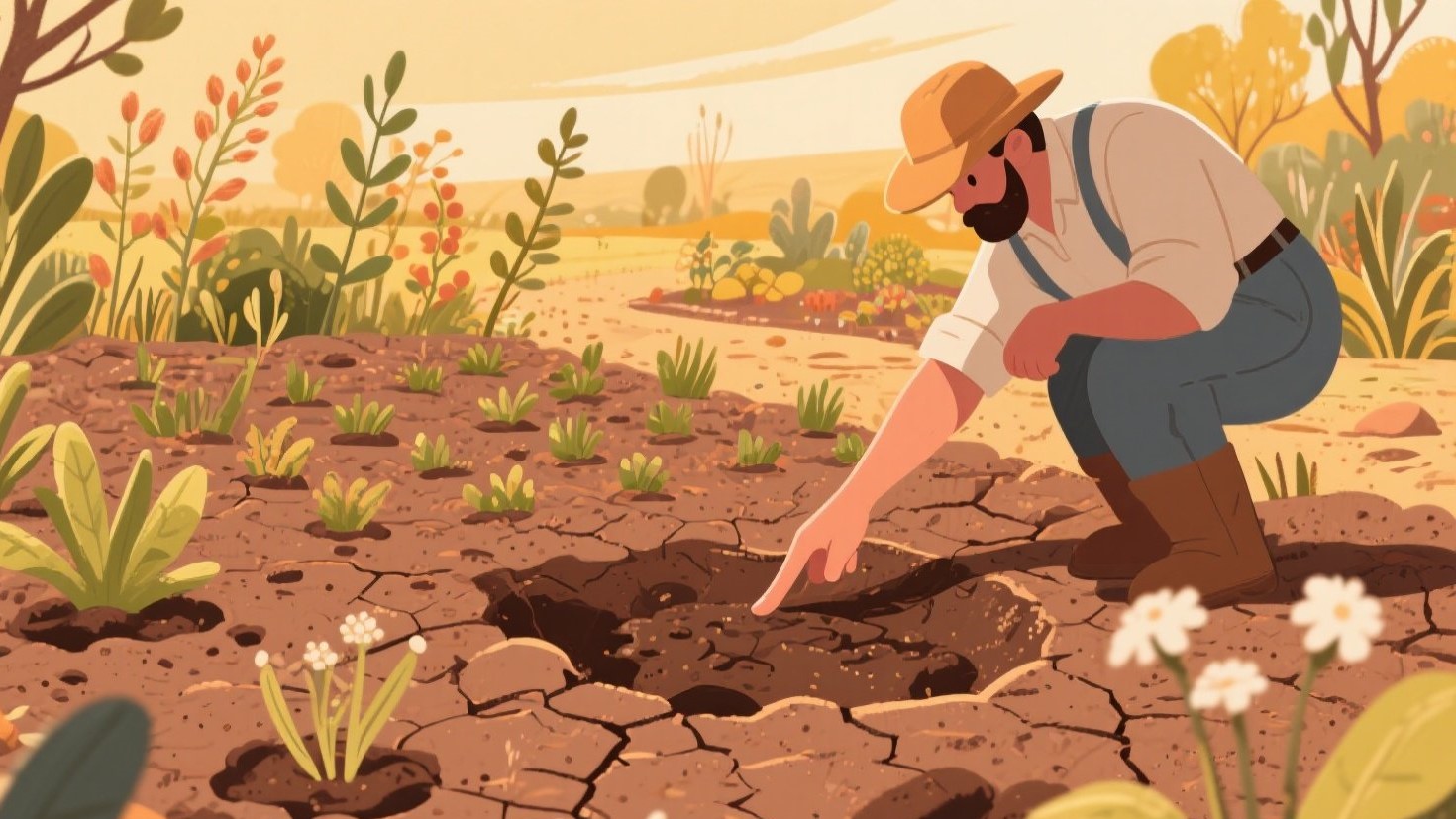
- Soil feel: Insert your finger 2–3 inches into the soil. Moist soil will feel cool and slightly damp. Dry soil feels warm, dusty, or crumbly.
- Plant growth patterns: Stunted growth or early leaf drop can indicate chronic drought stress.
By learning the difference between temporary heat-induced droop and true water stress, gardeners can resist the urge to water unnecessarily.
When to Hold Back
Clay soil gardeners follow a simple mantra: “Don’t water unless it’s a crisis.”
- After recent rain: Even in heat waves, clay retains water for several days—often longer than you might expect.
- Morning observation: Wait until late morning to see if drooping is temporary.
- Avoid scheduled watering: Instead, water only when soil and plants show signs of real stress.
- Focus on deep watering: When watering is necessary, provide a deep soak rather than light sprinkling to encourage strong root growth.
This approach reduces wasted water, promotes deep roots, and prevents plant diseases associated with overwatering.
Tips for Successful Clay Soil Gardening
- Mulch generously: Mulch reduces surface evaporation and keeps soil temperature stable.
- Use native or drought-tolerant plants: Many native species are adapted to clay soil and require minimal supplemental watering.
- Amend carefully: Incorporate organic matter to improve drainage and soil structure without reducing water retention too much.
- Observe, don’t assume: Check soil moisture and plant health rather than following strict watering schedules.
- Water strategically: When heat stress or prolonged drought occurs, apply water deeply at the base of the plant rather than sprinkling lightly on the surface.
Real-Life Insights from Reddit
- One Redditor shared resisting watering during a week-long heat wave. By mid-afternoon, some plants wilted slightly but recovered by evening, proving clay’s water-holding power.
- Others recommended finger tests and soil observation as more reliable than timers or scheduled irrigation.
- Many gardeners emphasized the importance of trusting the soil and resisting panic watering, particularly with native perennials and shrubs adapted to clay conditions.
The Takeaway
Clay soil requires patience, observation, and confidence. Overwatering is often more harmful than under-watering. By observing plant signs, understanding clay’s water retention, and watering only when truly necessary, gardeners can cultivate healthy, resilient plants even during heat waves.
As Reddit gardeners advise: mastering clay soil is less about watering on schedule and more about learning the skill of holding back until it’s a crisis.