Introduction 🌸♻️
Sustainable Easter florals can be gorgeous, long-lasting, and kind to your budget and the planet. By choosing local stems, skipping single-use floral foam, and planning for second lives, you cut waste without losing impact. Think of your arrangement like a capsule wardrobe: core pieces, smart structure, and easy remix after the holiday. 🌱✨
Foam is convenient but sheds microplastics and complicates composting, while local flowers travel less and arrive fresher. Reusable mechanics—chicken wire, metal frogs, pin cups—create structure, airflow, and water access. With a simple plan, your Easter display becomes a circular story: arrange → enjoy → reuse. 🔁🌍
Sourcing Map: Choose Local, Seasonal Stems 🌷🗺️
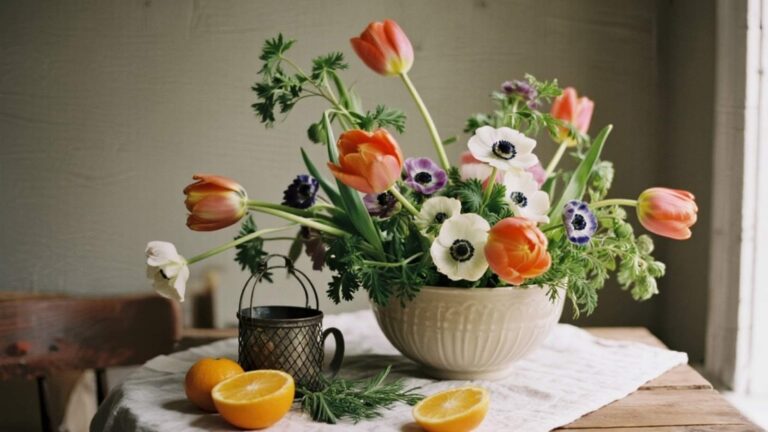
Start with what’s blooming near you: tulips, anemones, ranunculus, narcissus, and flowering branches like quince or forsythia. Ask growers for “field bunches,” “seconds,” or mixed greenery—often cheaper and more textural. Bring a rigid tote and a damp tea towel to keep stems cool on the way home. 🧺🌿
Check color fastness and stem strength by gently rubbing a petal and bending a stem; choose tight buds that show color for longer vase life. Condition at home: recut at an angle, strip submerged foliage, and rest in cool water for two hours. Add locally foraged fillers (with permission): fern tips, rosemary, or citrus leaves for scent and line. 🍋🌿
Foam-Free Techniques: Chicken Wire, Frogs, and Reused Vessels 🐔🪴

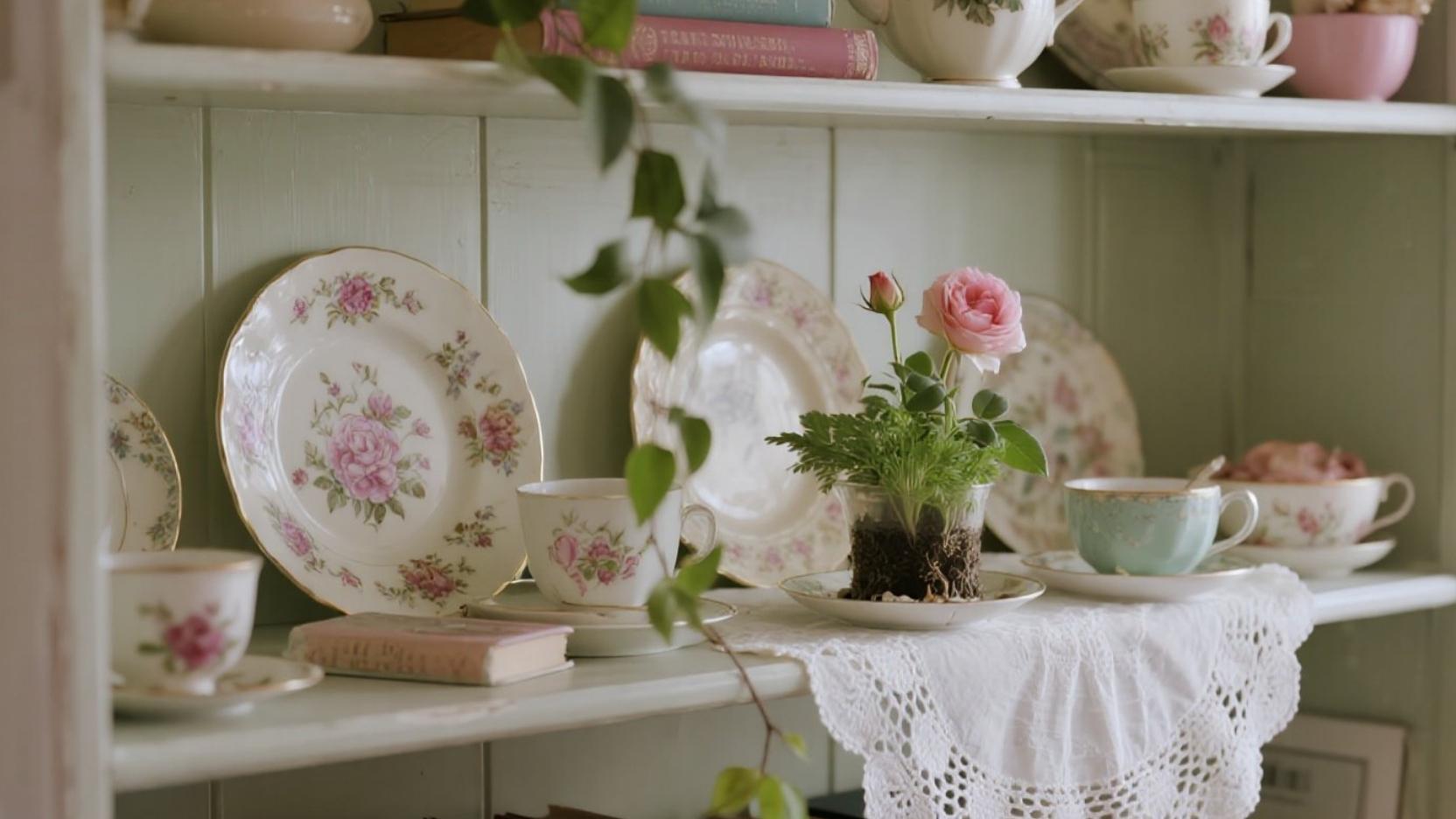
Line a bowl or compote with a loose chicken-wire dome, tuck ends inward, and secure with a tape bridge; the grid supports stems while keeping water clear. A metal frog (kenzan) in a shallow dish is perfect for upright tulips and anemones with airy negative space. Reuse jars, ramekins, or teacups as hidden water sources inside larger vessels for modular clusters. 🫖💡
Work in spirals: start with branches and greenery to set height, then add focal blooms at varied angles for movement. Keep tulips taller—they keep growing in water—so they can arc gracefully over time. Refresh water every other day and rotate the piece away from direct sun to slow opening. 💧🌤️
Minimalist Ikebana Option: One Stem, Big Calm 🧘♀️
For small spaces or calm corners, try a single anemone or tulip on a kenzan in a shallow dish. Angle the stem to create line and let the empty space be part of the design—less bloom, more breath. Add one leaf or a thin branch as a counterbalance for a meditative silhouette. 🌿🎐
This approach uses minimal water and zero plastic while spotlighting form and seasonality. It’s quick to reset with a fresh stem as the week progresses. Place it on a bedside, entry console, or work desk for a quiet seasonal cue. 🛋️✨
Post-Holiday Reuse: Dry, Replant, and Cook 🌼🔁
Drying Tulips & Anemones for Keepsakes 📚

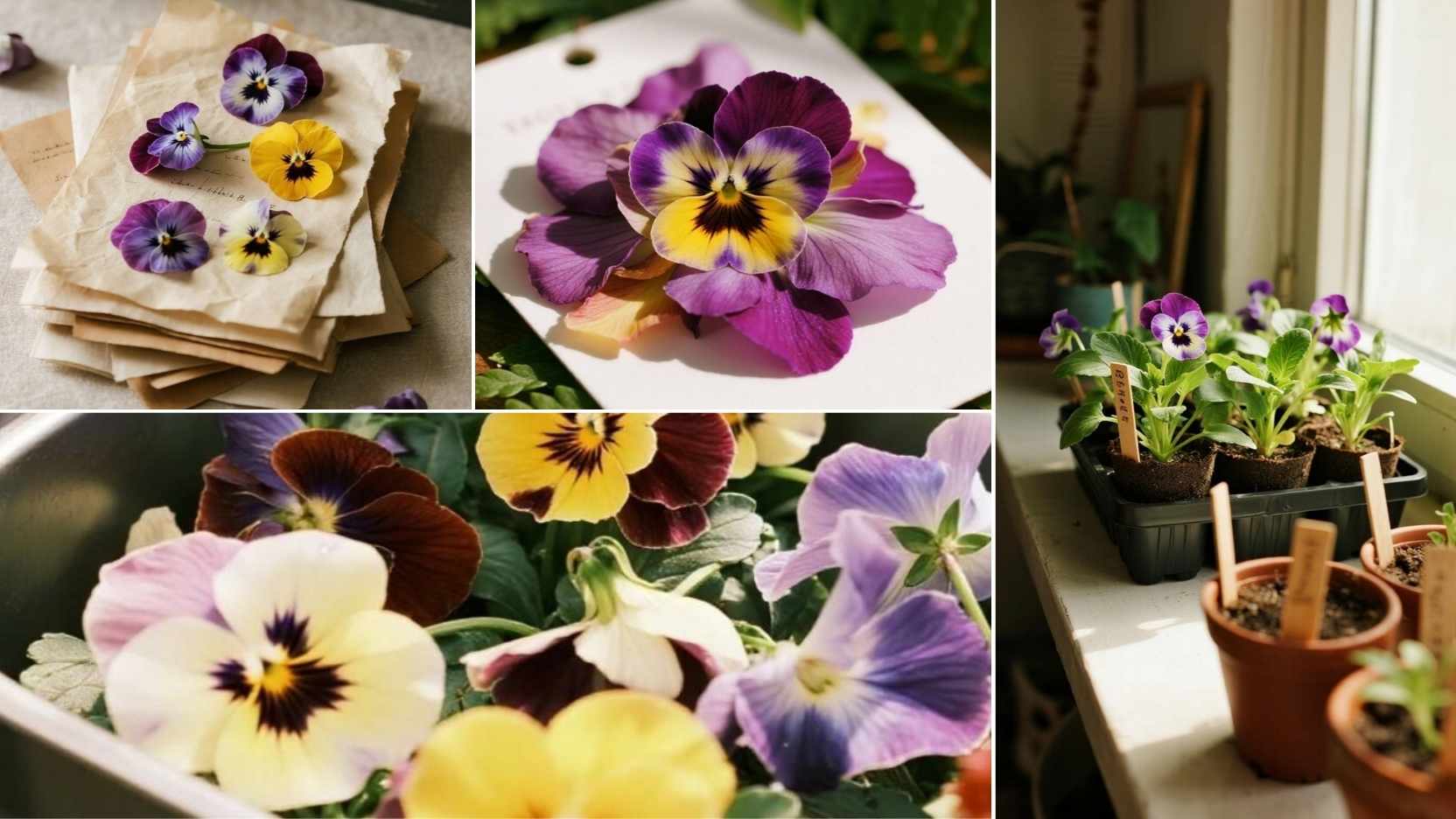
Dry petals you love: press between parchment in a heavy book for two weeks to keep color and shape. Alternatively, hang small bunches upside down in a dark, ventilated spot for sculptural silhouettes. Use dried petals in cards, framed art, or table scatter for future gatherings. 🎨🌬️
For faster, crisper results, bury blossoms in a lidded container of silica gel and check after three to five days. Handle with tweezers to preserve edges and store in paper envelopes away from light. This extends your blooms’ story beyond Easter without extra purchases. 🕰️📦
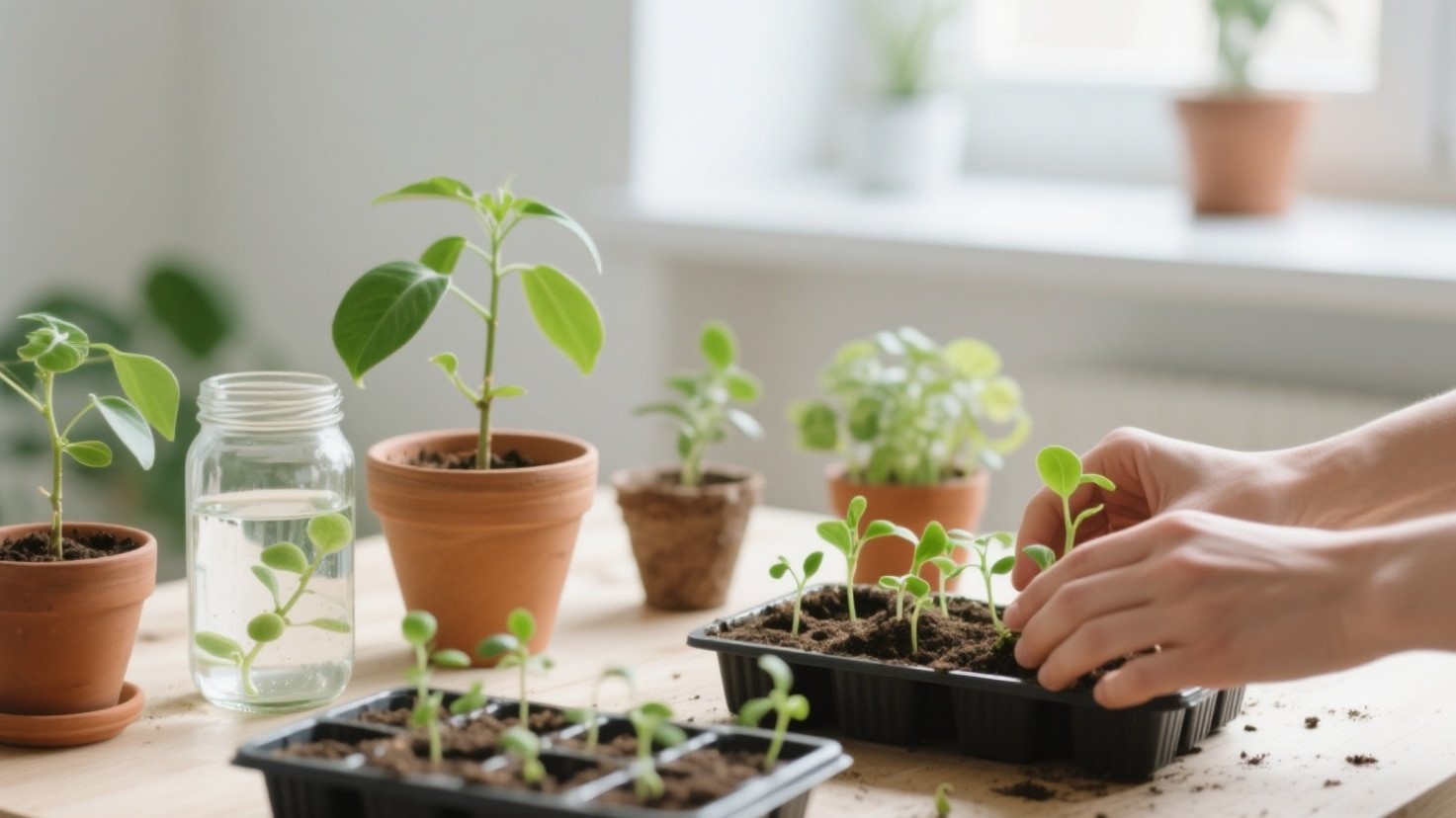
Replanting Bulbs and Forcing Pots 🪴

If you used potted bulbs, let foliage yellow fully, then lift and dry bulbs in a cool, airy place. Label and store in mesh bags until fall, then replant 3x bulb height deep for next spring. In warm climates, chill tulip bulbs in a paper bag in the fridge (away from fruit) 10–12 weeks before planting to mimic winter. 🧊🧺
For continuous displays, rotate: one pot blooming, one pot recovering, one pot chilling. This low-waste cycle gives you annual color with fewer store runs. It’s the bulb version of meal prep—set it once, enjoy it often. 🔄🌱
Cooking with Leftover Citrus & Herbs 🍋🌿

Zest or juice leftover decor citrus to make a quick simple syrup (1:1 sugar and water) for holiday spritzers. Simmer rosemary or thyme with the syrup for a fragrant twist, then strain and refrigerate. Dehydrate citrus slices in a low oven for future garnishes or simmer in a small pot for a natural room scent. 🍹👩🍳
Bundle herb stems with string and hang to dry, then crumble for roast vegetables or herbed salt. This turns “waste” into pantry flavor while keeping bins lighter. Your tablescape feeds both the eye and the kitchen—true circular styling. 🧂🌿
Conclusion: Make Beauty, Not Waste 🌍✨
Local stems deliver freshness and character, while foam-free mechanics protect waterways and simplify composting. With a plan for drying petals, replanting bulbs, and cooking with leftover aromatics, your florals keep giving. Easter becomes a sustainable ritual—thoughtful, modern, and undeniably beautiful. 🌼💚