Both terraces and balconies are common architectural features in modern residential spaces. While they may appear similar at first glance, they differ significantly in terms of function, design, and usage. This article provides a detailed comparison to help you better understand and utilize these two types of spaces.
I. Definitions and Key Characteristics
- Terrace: A terrace is typically a large, open, outdoor space located on the top floor or an intermediate level of a building. It is generally not roofed and is designed for leisure, recreation, gardening, and social gatherings.
- Balcony: A balcony is a smaller, elevated platform that projects from the wall of a building, usually on an upper floor. It is always enclosed by a railing or balustrade for safety and is primarily used for activities like drying clothes, placing potted plants, or enjoying a limited outdoor view.
II. Design and Structure

- Terrace Design and Structure:
- Location: Typically found on the rooftop of a building, or on a setback of an intermediate floor. Common in penthouses, duplexes, and villas.
- Size: Generally offers a larger surface area, allowing for multifunctional design such as creating a garden, dining area, or lounge.
- Openness: Characterized by its open-air nature, often without a roof, emphasizing a connection with the outdoors.
- Load-Bearing: Requires higher load-bearing capacity in its design to accommodate factors like soil for planting, multiple people, and heavy furniture.
- Balcony Design and Structure:
- Location: Protrudes from the external wall of a building, accessible from a room on an upper floor.
- Size: Relatively small, usually ranging from a few to a dozen square meters.
- Openness: Semi-open structure with protective railings. Some may be partially enclosed with glass or have awnings.
- Load-Bearing: Designed for lighter loads, primarily accounting for the weight of people and typical household items like laundry or plants.
III. Function and Purpose

- Terrace Functions:
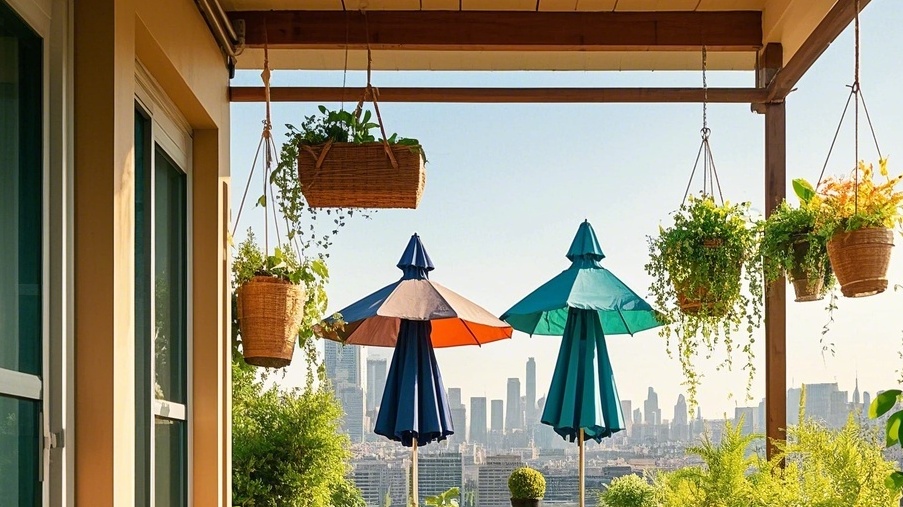
- Leisure & Entertainment: Its large size makes it ideal for furnishing with seating, tables, and shade umbrellas for family relaxation and social gatherings.
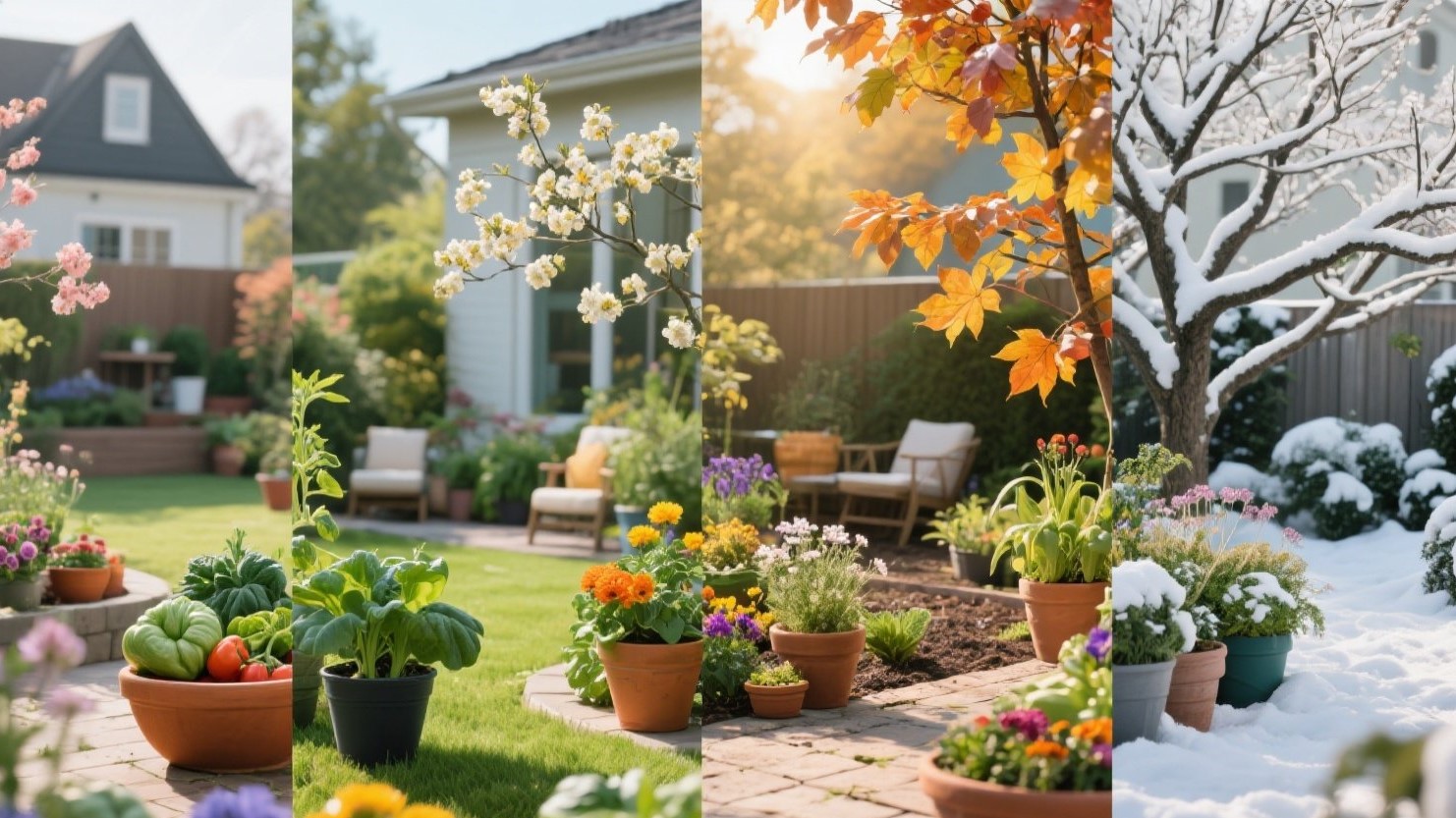
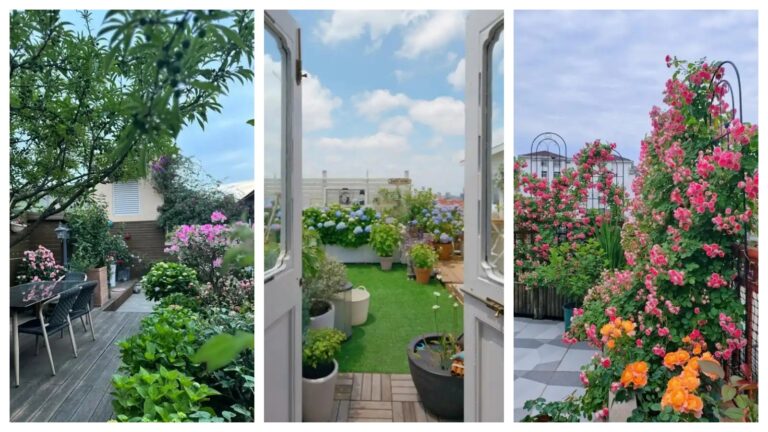
- Gardening: Serves as a perfect spot for a container garden, raised beds, or even small trees, creating a private green oasis.
- Dining & Socializing: Ample space allows for a barbecue grill and dining set, making it suitable for parties.
- Viewing: Offers expansive, unobstructed views of the cityscape or natural surroundings.
- Balcony Functions:
- Practical Tasks: Primarily used for drying laundry, especially in apartment buildings.
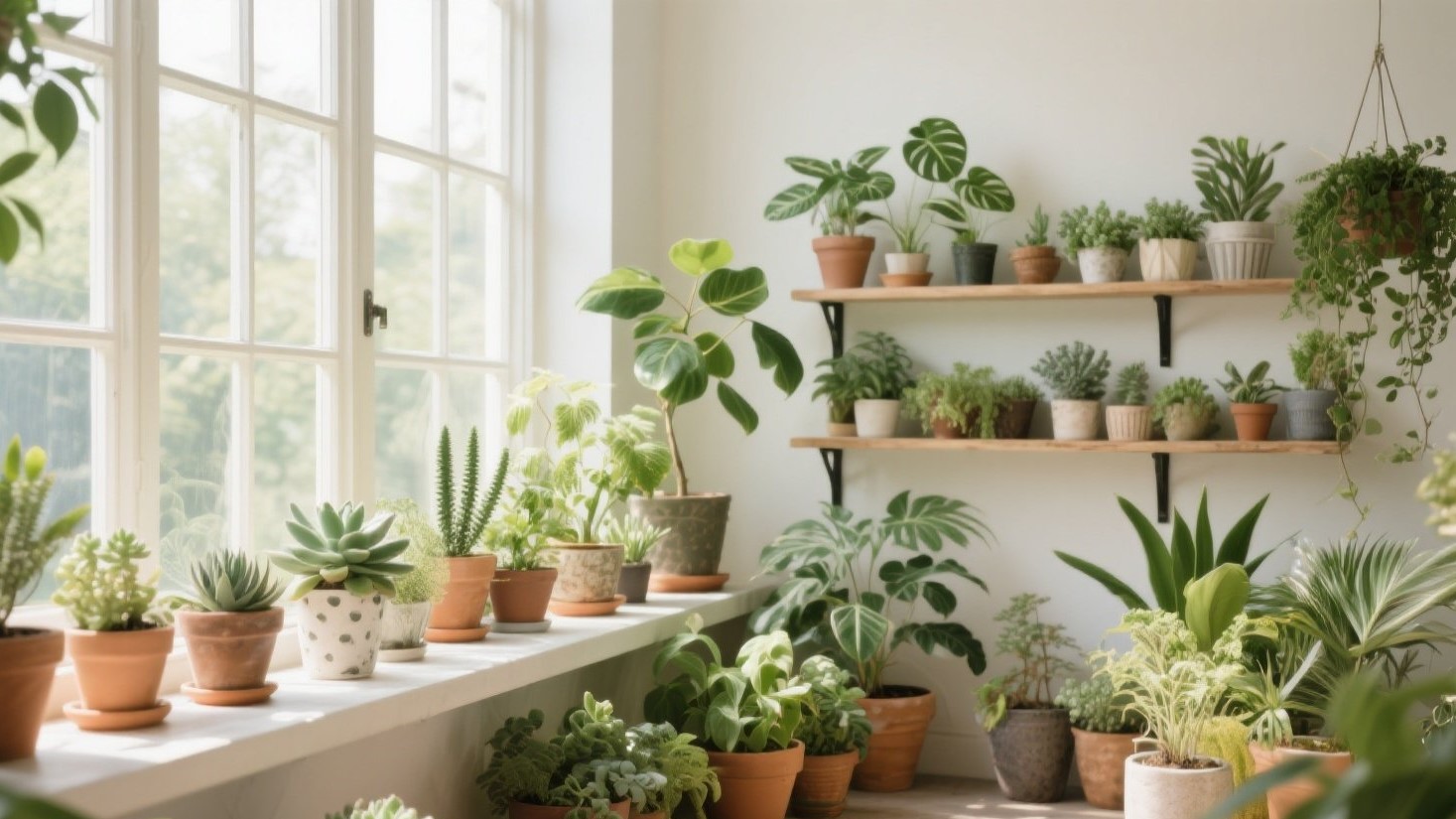
- Decorative Greenery: Suitable for placing potted plants and small containers to add a touch of nature.
- Limited Storage: Sometimes used for storing miscellaneous items, though this is often discouraged for safety and aesthetic reasons.
- Casual Enjoyment: Provides a small, private outdoor spot for brief relaxation and limited viewing.
IV. Comparison of Advantages and Disadvantages

- Terrace:
- Advantages:
- Spacious and versatile for multifunctional use and flexible design.
- High degree of openness, offering broad views and a strong connection to nature.
- Ideal for various activities like gatherings, gardening, and barbecues.
- Disadvantages:
- Highly exposed to weather conditions (rain, sun), limiting use in certain climates.
- Higher maintenance costs, requiring regular cleaning and upkeep.
- Demands higher structural load capacity, leading to greater construction complexity and cost.
- Advantages:
- Balcony:
- Advantages:
- Simpler design and lower construction cost.
- Clear, practical functions for daily tasks like drying clothes.
- Low maintenance requirements.
- Disadvantages:
- Limited space restricts functionality and design possibilities.
- Less open feeling with more confined views.
- Limited potential for modification due to structural constraints.
- Advantages:
V. Selection and Application Advice

- Consider Your Lifestyle: Choose a terrace if you have a larger family, enjoy outdoor entertaining, gardening, and have a need for expansive outdoor living space. A balcony is sufficient for basic needs like drying clothes, growing a few plants, or having a small sitting area.
- Evaluate Your Budget: Terraces involve more complex design, higher construction costs, and ongoing maintenance, suitable for those with a more generous budget. Balconies are a more economical option.
- Assess the Building Structure: Terraces are typically found on top floors or specific setbacks. It’s crucial to verify the structural load capacity before significant modifications. Balconies are common on most floors; when choosing an apartment, consider the balcony’s orientation and sunlight exposure.
In summary, while terraces and balconies share some similarities as outdoor spaces, they are distinct in design, function, and application. A terrace is suited for those who desire an expansive outdoor room for activities and have the corresponding budget, while a balcony meets the needs for everyday practical use efficiently. Your choice should be based on a comprehensive consideration of your lifestyle needs, financial plan, and the specific structural characteristics of the property.