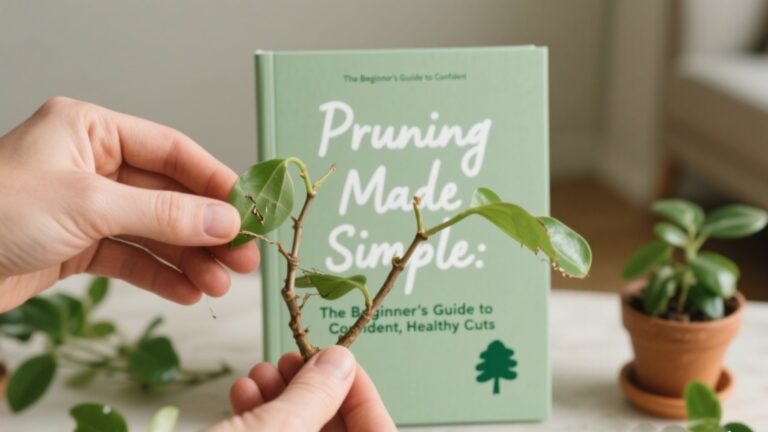
🌱 Introduction: Why Pruning Feels Scary (But Shouldn’t Be)
If you’ve ever stood with scissors in hand, hovering nervously over a houseplant or shrub, wondering “What if I cut too much?” — you’re not alone. 🌿✂️
Pruning often intimidates new plant owners because it feels like you’re hurting the plant. But in reality, proper pruning is one of the most beneficial things you can do for its health and appearance. It’s not destruction — it’s direction.
When done correctly, pruning helps your plants:
- Grow stronger and fuller
- Produce more blooms and leaves
- Stay disease-free and manageable
This guide will walk you through why, when, and how to prune — so you can trim with confidence, not fear. 🌳💪
🌿 What Pruning Actually Does (and Why It Matters)
Pruning is more than just cutting off leaves — it’s strategic shaping that improves a plant’s structure and energy use.
Here’s what happens when you prune the right way:
- Redirection of energy: The plant sends nutrients to healthier parts instead of struggling to sustain dead or crowded growth.
- Air and light improvement: Better airflow prevents fungus and pests, while more sunlight reaches inner leaves.
- Stimulated new growth: Trimming triggers dormant buds, encouraging fresh, bushier shoots.
- Disease prevention: Removing dead or infected parts stops decay from spreading.
In essence, pruning isn’t punishment — it’s guidance. 🌱
🕰️ When to Prune: Timing Is Everything
Different plants have different pruning schedules. A good general rule:
- Houseplants: Light trimming anytime, major cuts in spring or early summer (active growing season).
- Flowering shrubs: Prune right after blooming to avoid removing next season’s buds.
- Foliage plants (like pothos or monstera): Anytime they look leggy or uneven.
🪴 Common Plant Examples:
- Pothos, Philodendron, or Ivy: Snip just above a leaf node to encourage branching.
- Peace Lily or Calathea: Remove yellow or dead leaves at the base — no harm done.
- Flowering plants (like hibiscus or roses): Prune faded blooms to stimulate new buds.
- Herbs (basil, mint, rosemary): Regularly pinch the top two leaves — it keeps them compact and flavorful. 🌿
Reddit Tip: Experienced gardeners suggest observing the plant’s “active phase.” When it’s producing new leaves or flowers, that’s your pruning window.
✂️ How to Prune: Tools, Technique, and Tact
You don’t need fancy gear — just the right tools and a gentle hand.
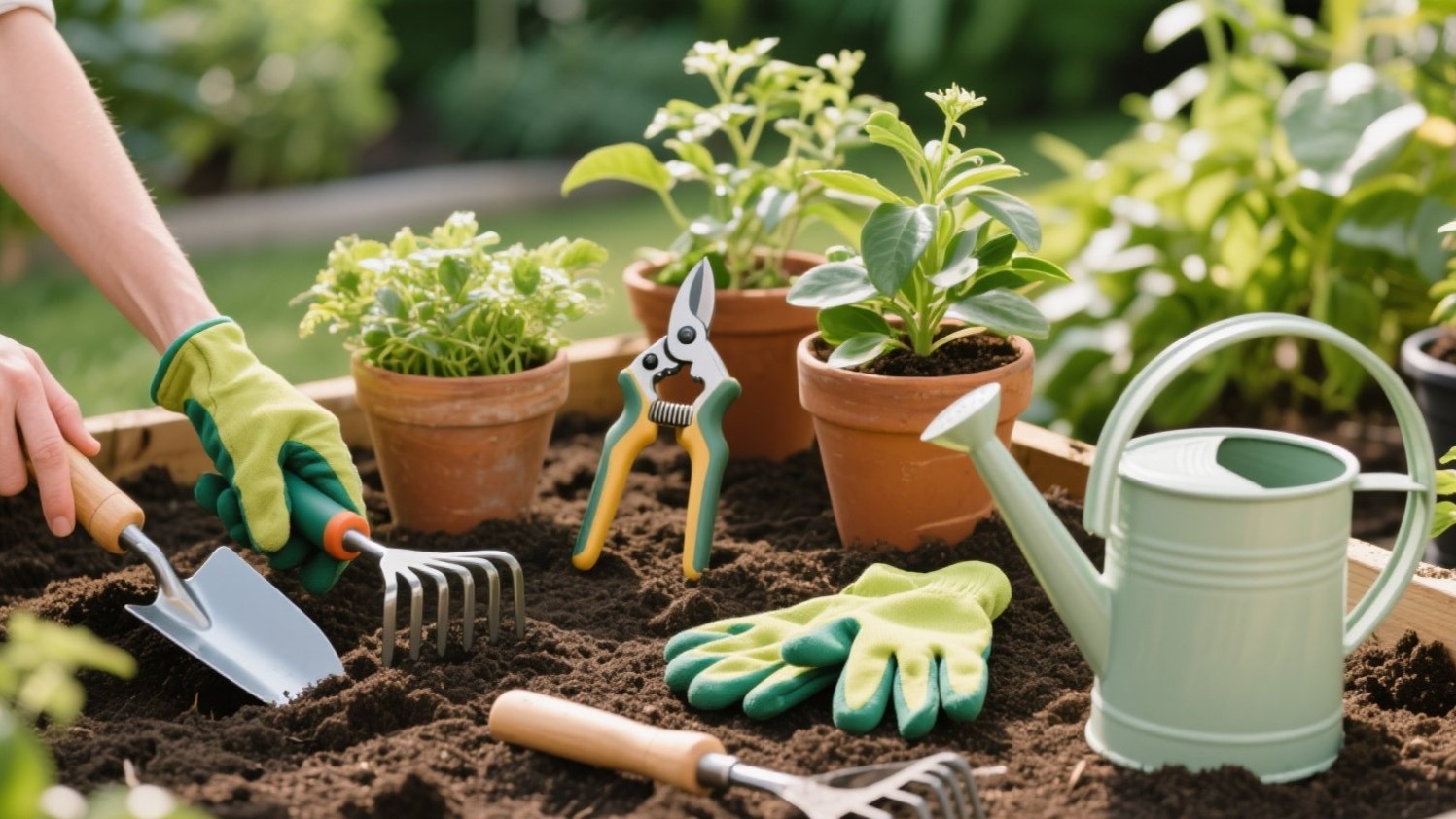
🧰 Essential Tools:

- Clean, sharp pruning shears or scissors
- Gloves for thorny or sap-heavy plants
- Alcohol wipes for disinfecting blades (to prevent disease transfer)
🌿 Basic Pruning Steps:

- Inspect the plant. Look for yellowing, dead, or overcrowded branches.
- Locate the node. Cut just above a node (the small bump where new growth forms).
- Angle your cut. Make a 45° cut to prevent water from pooling and causing rot.
- Step back and observe. Don’t overdo it — removing more than ⅓ of the plant at once can shock it.
- Clean up. Remove fallen leaves and debris to discourage pests.
💡 Pro Tip:
When in doubt, start small. You can always prune more later, but you can’t reattach what’s already gone. 😅
🌳 Different Types of Pruning (And When to Use Them)
- Light Trimming:
✨ Goal: Maintain shape and remove small dead parts.
🕰️ When: Anytime. Great for indoor plants like pothos or snake plant. - Thinning:
🌬️ Goal: Improve airflow by cutting inner, tangled stems.
🕰️ When: Early spring for shrubs and bushy plants. - Rejuvenation Pruning:
🔄 Goal: Revive old or woody plants by cutting back ⅓ to promote new shoots.
🕰️ When: Late winter or early spring. - Deadheading:
🌸 Goal: Remove spent flowers to redirect energy into new blooms.
🕰️ When: Throughout the blooming season.
⚠️ Signs You’ve Overpruned (and How to Fix It)
Even experienced gardeners make pruning mistakes. Here’s how to spot and fix them:
| Sign | Cause | Solution |
|---|---|---|
| Wilted or drooping leaves | Too much removed at once | Hold off on pruning for a few weeks and increase watering slightly |
| Brown leaf edges | Open wounds drying out | Mist lightly and keep humidity stable |
| No new growth | Dormancy or stress | Wait for the next growth cycle, use diluted fertilizer |
| Uneven look | Unbalanced cutting | Trim opposite sides gradually over time |
Remember: Plants are resilient. With proper care, even overpruned ones bounce back. 🌿
🧑🌾 Mindset Shift: From Fear to Confidence
Pruning can feel personal — like you’re cutting something you’ve nurtured. But think of it this way:
- A haircut helps your hair grow healthier.
- Decluttering your room clears your mind.
- Pruning does both — but for your plants.
When you snip with purpose, you’re helping your plant live its best, healthiest life. 🌸
🌱 Final Thoughts: Pruning Is Plant Communication
Once you understand your plants’ natural growth patterns, pruning becomes less about control and more about listening.
Observe. Cut gently. Watch how your plant responds. Over time, you’ll start recognizing its rhythms — when it wants to rest, when it wants to sprout, and when it’s time for a fresh start. 🌿
So, don’t fear the shears. Instead, embrace them as part of your plant-care ritual. With a few mindful snips, you’re not just shaping a plant — you’re shaping a relationship. 🌳💚