🌼 Introduction: When Good Intentions Go Too Far

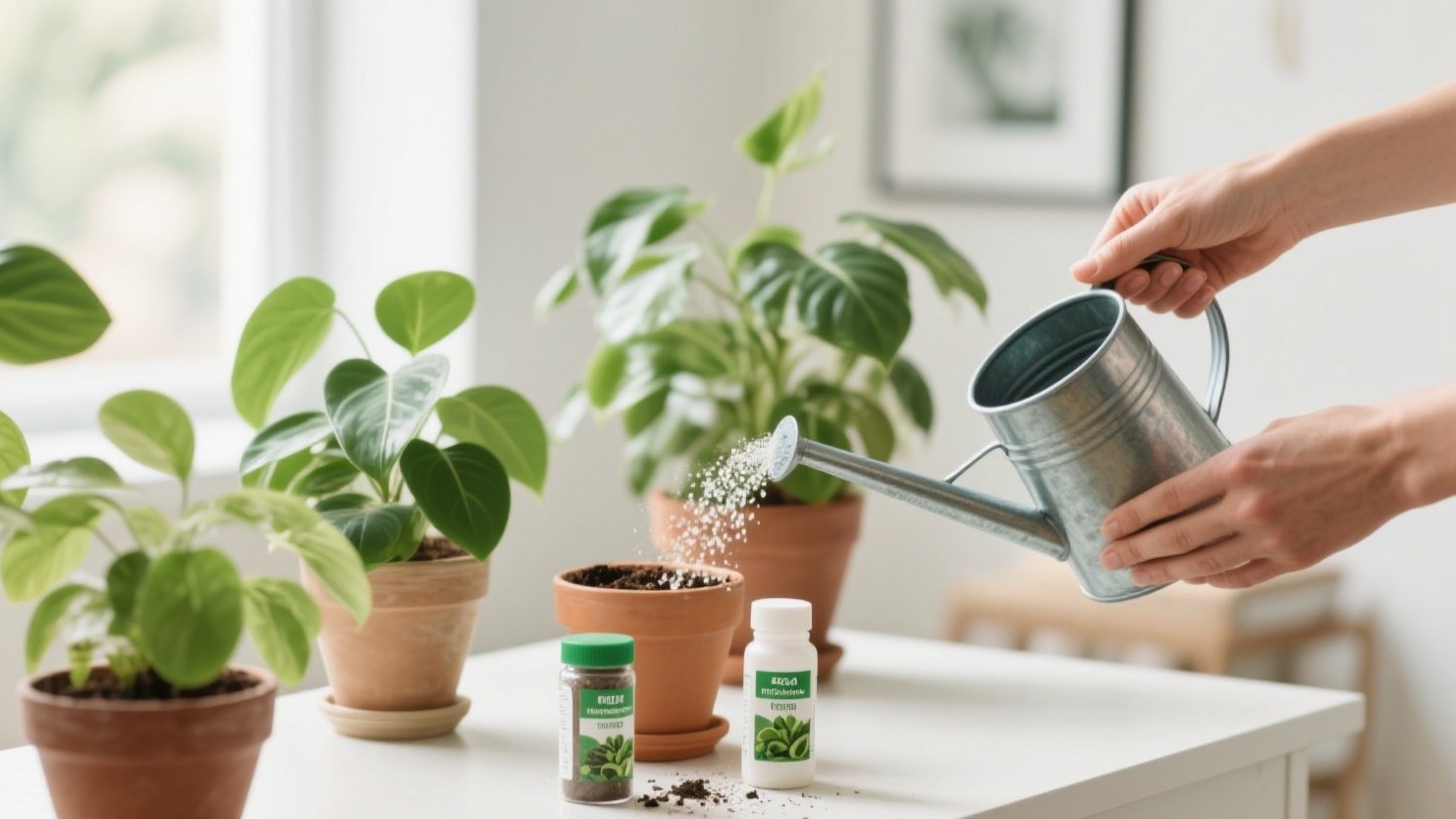
Fertilizer is often seen as plant “food” — a magic booster for lush leaves and vibrant blooms. 🌸 But here’s the truth: while nutrients are essential, too much of a good thing can be harmful.
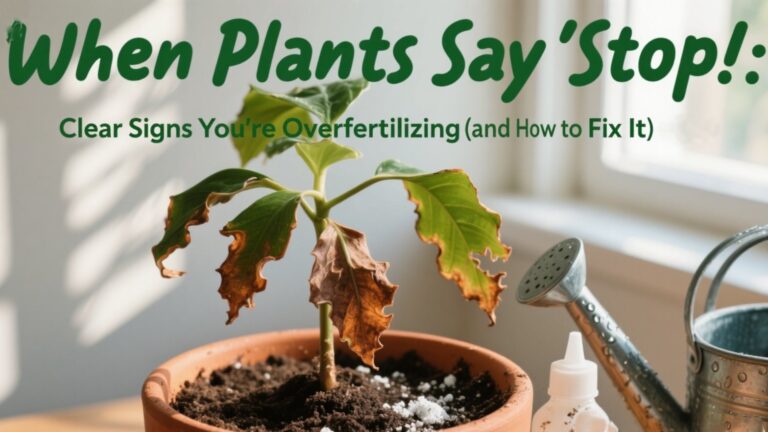
Overfertilization is one of the most common mistakes both new and experienced plant parents make. Plants don’t have the ability to say, “Hey, that’s enough nitrogen!” — but they do communicate distress in clear, visible ways. Burnt leaf edges, crusty soil, drooping foliage, or even stunted growth are all signs that your green friend is overloaded.
Let’s explore the science, signs, and practical fixes for overfertilization — backed by horticultural facts and trusted gardening community insights. 🌿
🌾 What Exactly Is Overfertilization?
Overfertilization happens when too many mineral salts from fertilizers build up in the soil. This excess changes the soil’s chemistry, making it difficult for plant roots to absorb water properly. Instead of helping, fertilizer begins to pull moisture away from the roots, leading to dehydration and damage — even when the soil looks moist.
According to the University of Maryland Extension, excessive fertilizer salts cause root burn and alter the osmotic balance of soil. In simpler terms, it stresses your plant out. 😣
Common causes include:
- Using fertilizer too frequently or in high doses
- Applying fertilizer to dry soil (causes root burn)
- Not flushing container soil periodically
- Using strong chemical fertilizers not suited for houseplants
🚫 The Tell-Tale Signs of Overfertilization
When your plant starts sending distress signals, it’s important to recognize them early. Here are the most common indicators that your plant has had too much fertilizer:
🟤 1. Brown or Burnt Leaf Edges
If the edges or tips of leaves turn brown and crispy while the rest of the plant remains green, it’s a classic sign of fertilizer burn.
- Why it happens: Excess salts pull water out of leaf tissue.
- How to confirm: Look for browning that starts at the tip and works inward, not random spotting like a pest issue.
Quick Fix: Flush the soil with clean water until it drains from the bottom of the pot, removing built-up salts.
🧂 2. Crusty, White Residue on Soil or Pot Rim
That chalky, white layer on top of your soil or around the drainage holes isn’t just mineral dust — it’s fertilizer salt buildup.
- Why it matters: These salts dehydrate roots and alter soil pH.
- Visual cue: The residue often appears on terracotta pots or as hardened patches on soil.
Quick Fix: Scrape away the crusty layer and flush the pot thoroughly. You may need to repot if the buildup is severe.
🌿 3. Slowed or Stunted Growth
Ironically, while fertilizer is meant to promote growth, too much can stop it altogether.
- Why it happens: High salt concentrations damage roots, preventing them from absorbing water and nutrients effectively.
- Look for: New leaves that are smaller, paler, or absent altogether.
Quick Fix: Stop fertilizing immediately and focus on recovery — water, indirect light, and patience.
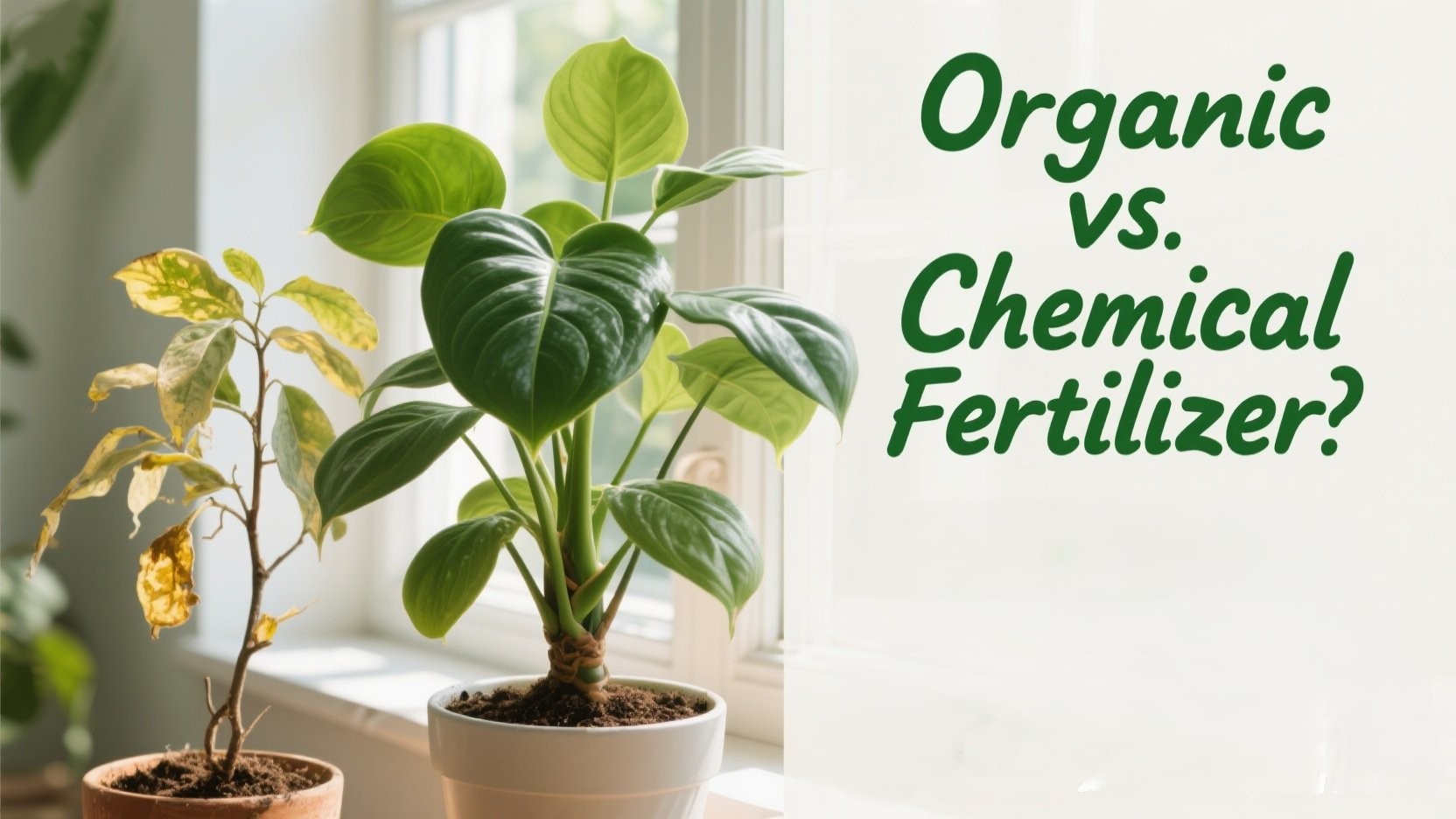
🥀 4. Drooping or Yellowing Leaves
If your plant looks sad and limp even after watering, overfertilization could be to blame.
- Why it happens: Salt buildup interferes with root function, mimicking both drought and overwatering symptoms.
- Common in: Peace lilies, pothos, and other tropical plants sensitive to mineral changes.
Quick Fix: Leach the soil with filtered or rainwater and avoid feeding for several weeks.
🌸 5. Fewer Blooms or None at All
A healthy plant that suddenly stops flowering might be reacting to nutrient overload.
- Why it happens: Excess nitrogen encourages foliage at the expense of blooms.
- Example: Fertilizing a flowering begonia too often results in lush green leaves — but no flowers.
Quick Fix: Wait until the next growth cycle before reintroducing a balanced or bloom-specific fertilizer (like 10-20-10).
🌱 How to Fix Overfertilization Step-by-Step
If your plant shows multiple symptoms, don’t panic. You can reverse the effects by flushing out the excess nutrients and resetting the soil balance.
Here’s a practical guide:
- Stop Fertilizing Immediately.
Give your plant a nutrient break for at least 4–6 weeks. - Flush the Soil.
- Water thoroughly (3–4 times the pot volume).
- Allow water to drain fully between flushes.
- Repeat weekly if symptoms persist.
- Trim Damaged Leaves.
Remove burnt or yellowing parts to redirect the plant’s energy to healthy tissue. ✂️ - Check the Roots.
If the plant continues to decline, gently remove it from the pot and inspect roots for blackened or mushy areas. Trim and repot in fresh, well-draining soil. - Resume Fertilizing Slowly.
After recovery, use a diluted solution (half the recommended strength) and follow the “less is more” approach.
🧠 Preventing Overfertilization: Smarter Feeding Habits
Once your plant bounces back, prevention becomes the best fertilizer of all. 🌿
- Use diluted fertilizer: Always start with half the recommended dose.
- Fertilize only during active growth: Most houseplants rest during winter and don’t need feeding.
- Test your soil: Invest in a soil EC (electrical conductivity) or pH meter to check nutrient buildup.
- Flush the soil every few months: Prevent salt accumulation naturally.
- Choose organic or slow-release options: These feed plants gradually without the risk of overload.
Expert Tip:
Reddit gardeners on r/houseplants often recommend fish emulsion or worm castings as gentle, low-burn alternatives to synthetic fertilizers.
🌿 Final Thoughts: Your Plants Don’t Need More — They Need Balance
Just like humans, plants thrive not on excess but on balance. 🌱 A heavy hand with fertilizer can undo months of careful growth, but awareness and adjustment can restore harmony.
Healthy soil isn’t built overnight — it’s cultivated through consistency, moderation, and observation. The next time you’re tempted to “help” your plants grow faster, remember: sometimes, love means holding back the fertilizer bottle. 💚