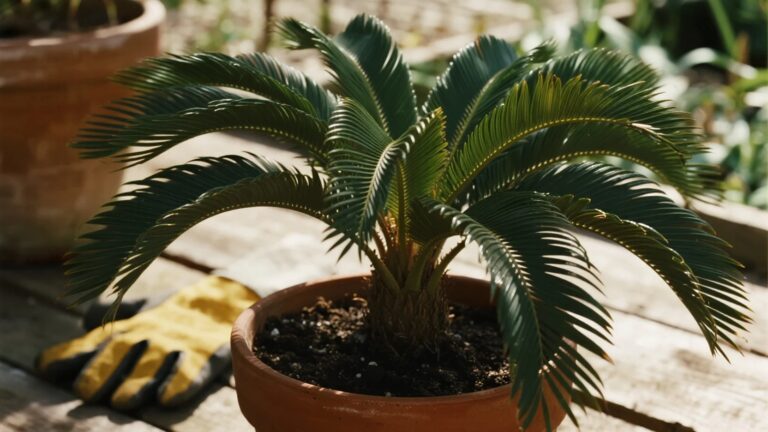
The Sago Palm (Cycas revoluta), with its striking dark green fronds and rugged trunk, brings a touch of prehistoric elegance to any space. Despite its name, it’s not a true palm but a cycad – an ancient plant family that dates back to the time of dinosaurs. Here’s how to care for this resilient and architectural plant.
1. Light: Full Sun Lover
- Ideal Conditions: Place in a spot with full sun to partial shade. A south-facing location is perfect.
- Outdoor Growing: Can handle 6-8 hours of direct sun daily.
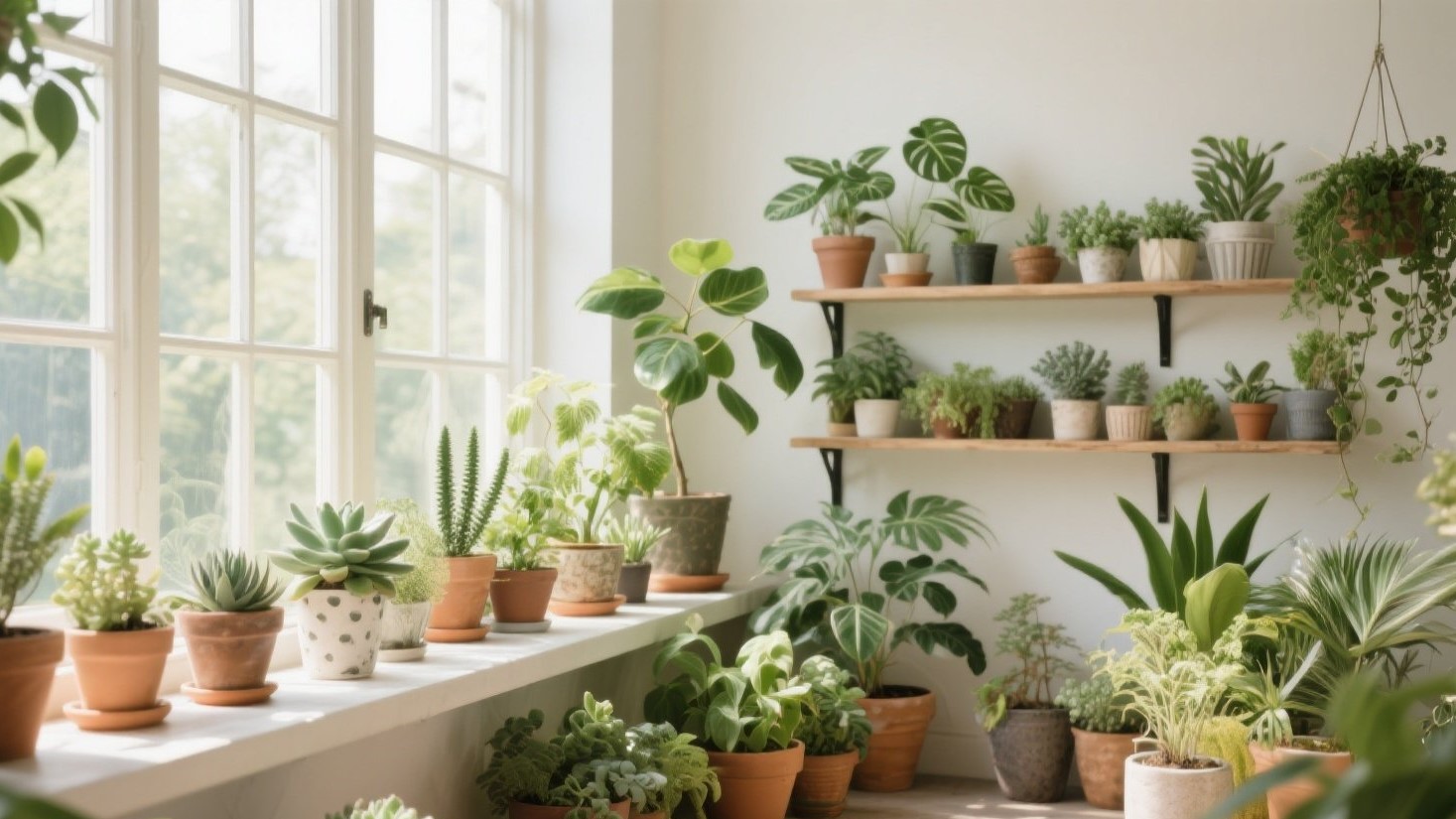
- Indoor Care: Needs the brightest spot in your home, preferably a south-facing window.
- Light Deficiency: Insufficient light causes pale, stretched-out growth and poor health.
2. Watering: Drought-Tolerant Champion
- Watering Rule: Water only when the soil is completely dry. The bulbous trunk stores water, making it very drought-resistant.
- Method: Soak thoroughly, then allow to dry out completely before watering again.
- Seasonal Adjustment: Water sparingly in winter (once a month may suffice).
3. Soil and Repotting
- Soil Type: Well-draining soil is crucial. Use a cactus/succulent mix with added perlite or sand.
- Acidity: Prefers slightly acidic soil. An annual application of soil acidifier helps maintain pH.
- Repotting: Repot every 2-3 years in spring. Sagos prefer being slightly root-bound.
4. Temperature and Hardiness
- Hardiness Zones: Best in zones 9-11. Can tolerate brief temperatures down to 15°F when established.
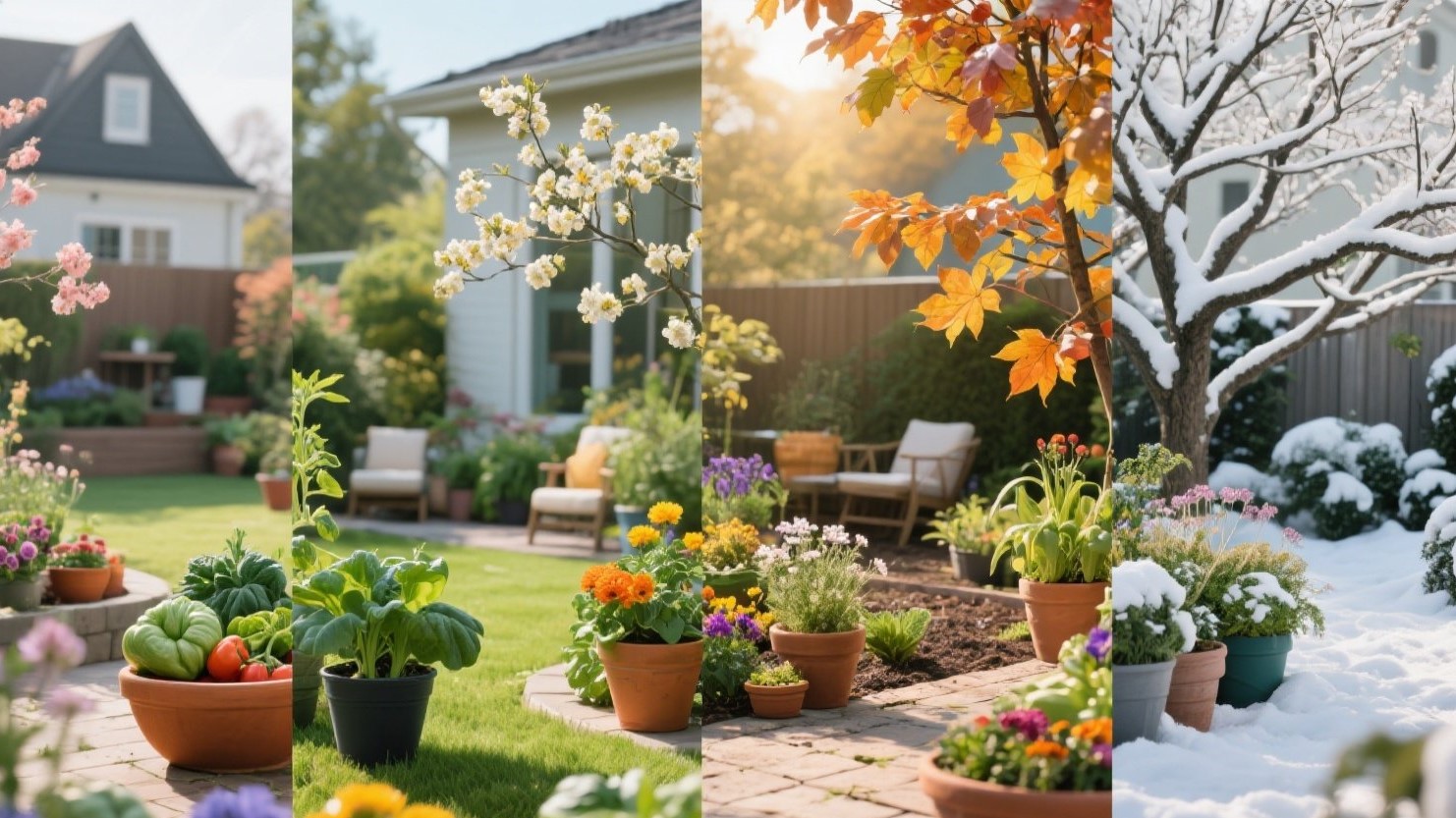
- Winter Protection: In colder areas, move indoors or provide heavy mulch protection.
- Container Growing: Ideal for pots that can be moved indoors during freezing weather.
5. Feeding: Slow and Steady
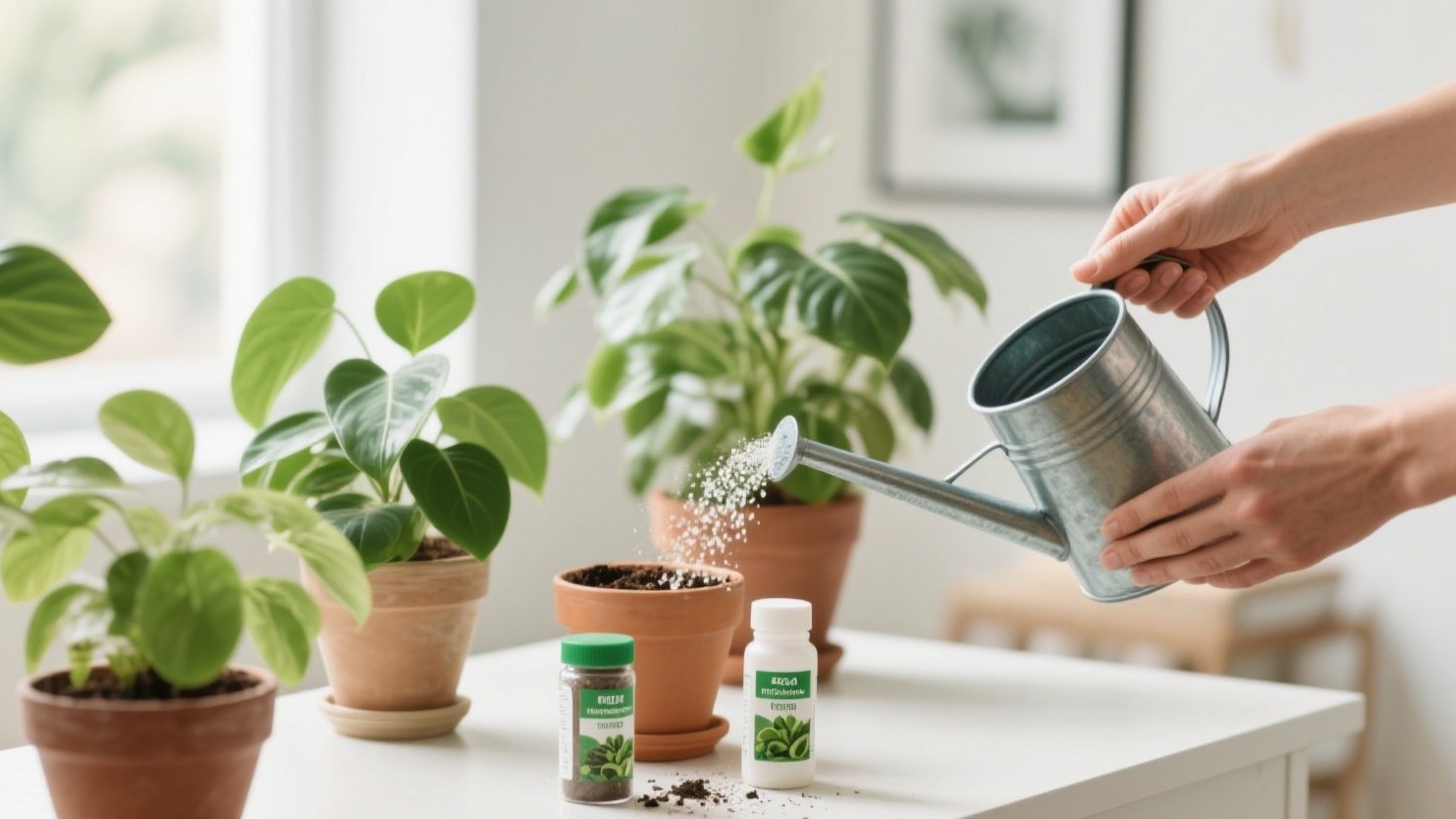
- Fertilizer: Use a balanced, slow-release fertilizer in spring.
- Alternative: Specialty palm fertilizer provides ideal nutrient balance.
- Frequency: Feed once in spring and optionally again in midsummer.
6. Pruning and Maintenance
- Pruning: Only remove completely yellow or brown fronds. Cut close to the trunk.
- Cleaning: Wipe leaves occasionally to remove dust and maintain photosynthesis.
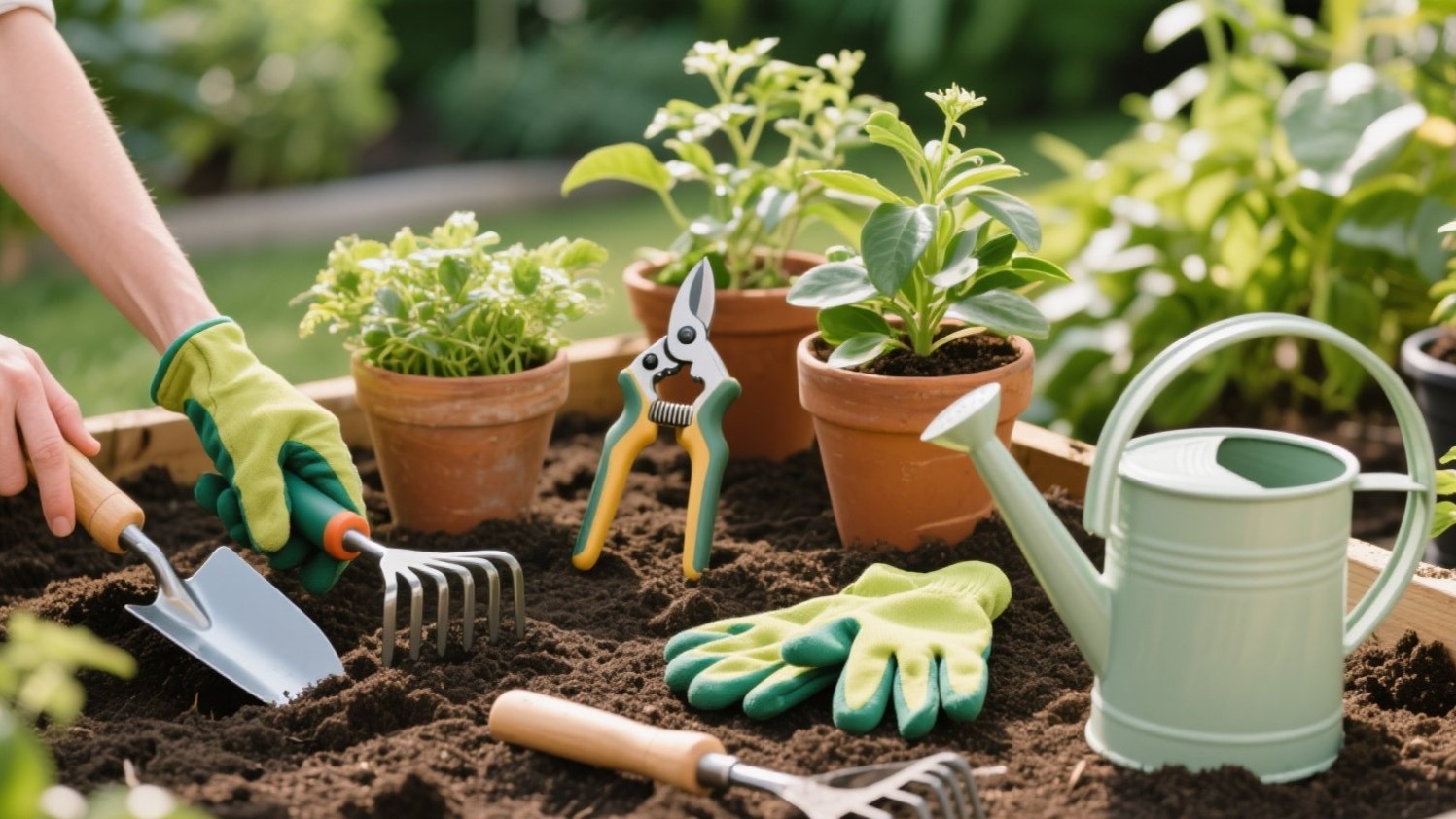
- Caution: Wear gloves when handling – the leaves have sharp tips.
7. Growth and Patience
- Growth Rate: Very slow-growing – may only produce one new set of fronds per year.
- Maturity: Can take 10-15 years to reach full size (about 3-5 feet tall indoors).
- Flowering: Rarely flowers indoors; mature plants may produce cones.
Important Safety Note:
All parts of the Sago Palm are highly toxic to pets and humans if ingested. Keep away from curious pets and children.
Troubleshooting Common Issues:
- Yellow Leaves: Overwatering is the most common cause
- Brown Tips: Usually indicates underwatering or low humidity
- Pests: Watch for scale insects; treat with horticultural oil
- No New Growth: Normal during winter; should resume in spring
The Sago Palm’s architectural beauty and incredible resilience make it a fantastic choice for both indoor and outdoor gardens. Its slow growth means it won’t outgrow its space quickly, and its minimal water needs make it perfect for forgetful gardeners or drought-prone areas.
Pro Tip: Rotate your Sago Palm quarterly for even growth, and consider using a well-draining terracotta pot to help prevent overwatering issues. With minimal care, this ancient beauty will thrive for decades!