
Moth Orchids (Phalaenopsis) are among the most popular houseplants in America, loved for their elegant blooms that can last for months. While they might seem delicate, they’re actually quite forgiving when you understand their basic needs. Here’s how to keep your orchid healthy and encourage it to rebloom year after year.
1. Light: Bright But Gentle Wins the Race
Think of the filtered light under a tree canopy – that’s what your orchid prefers. Place it near an east-facing window where it gets gentle morning sun, or a few feet back from a south or west window. The leaves should be a healthy olive-green color – if they’re dark green, it needs more light; if yellowish or reddish, it’s getting too much direct sun.
2. Potting Mix and Repotting: Think “Airy and Cozy”
Orchids are epiphytes, meaning they naturally grow on trees in the wild, with roots exposed to air. This explains their unique potting needs:
- Special Mix: Use a chunky orchid mix containing bark, sphagnum moss, and perlite. Regular potting soil will suffocate the roots.
- Clear Plastic Pots are ideal because they allow you to monitor root health and let light reach the roots, which aids in photosynthesis.
- Repotting: Only repot every 1-2 years, or when you see roots crowding the pot. When repotting, choose a container only slightly larger than the previous one – orchids prefer to be somewhat root-bound.
3. Watering: The “Ice Cube” Alternative and Beyond
The easiest way to kill an orchid is by overwatering. Here’s the safe approach:
- The Ice Method: Place 2-3 ice cubes on top of the potting mix once a week. As they melt, they provide a slow, measured drink. This is perfect for beginners.
- Traditional Watering: If using the sink method, water thoroughly until water runs through the drainage holes, then let all excess water drain completely. Water only when the potting mix is nearly dry and the roots look silvery (usually every 7-10 days).
- Never let your orchid sit in standing water, as this will lead to root rot.
4. Feeding: Less is More
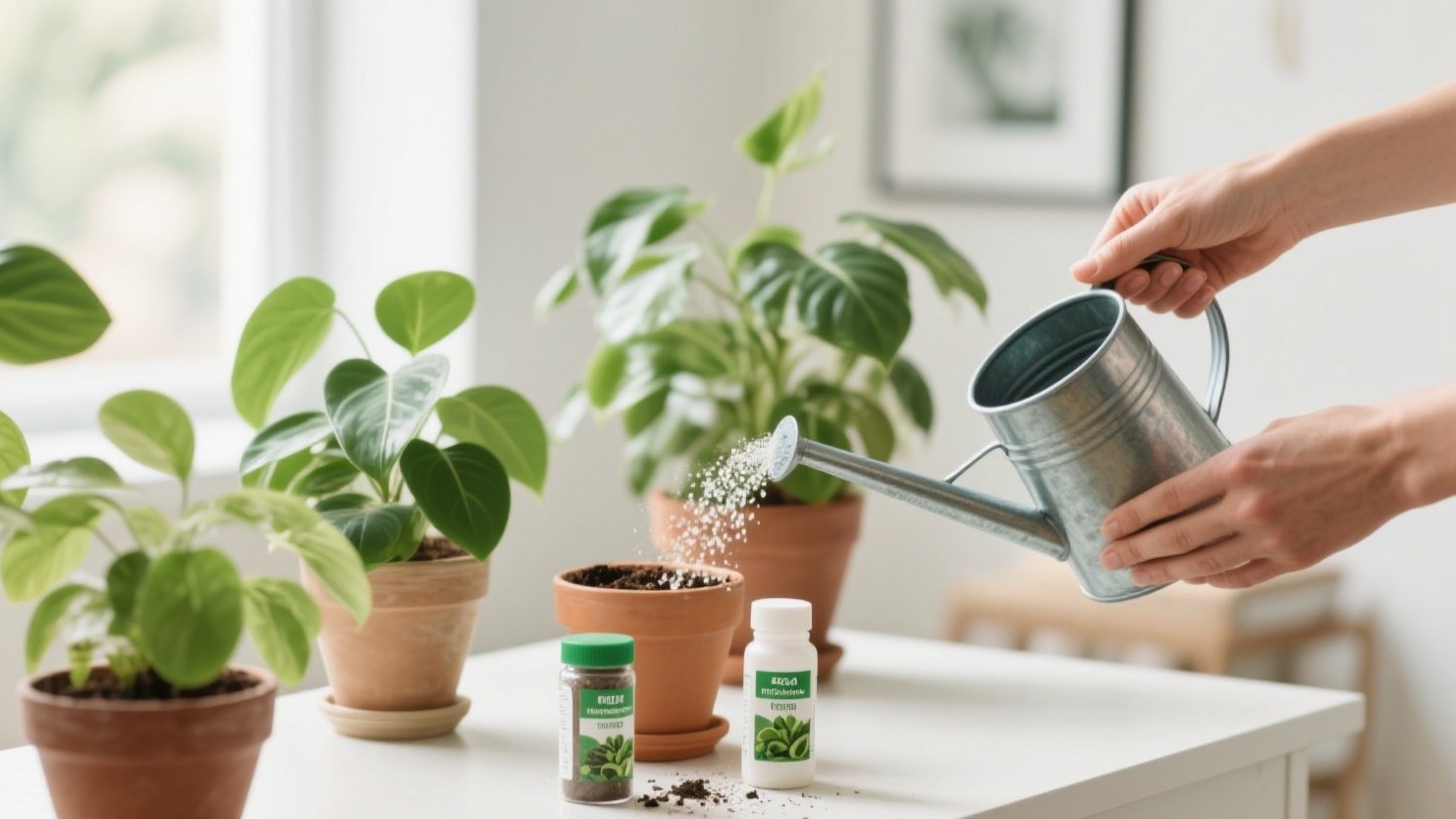
Use a balanced orchid fertilizer (20-20-20) or one formulated specifically for blooming.
- ”Weekly, Weakly” Approach: Dilute fertilizer to 1/4 strength and apply every other week during spring and summer.
- ”Flower Fuel” Switch: When you see a flower spike emerging, switch to a ”bloom booster” fertilizer higher in phosphorus (the middle number on the package).
- Rest Period: Reduce feeding in fall and winter when growth naturally slows.
5. Winter Care: Warmth and Humidity are Key
As tropical plants, orchids need protection from cold:
- Keep away from drafty windows when temperatures drop below 50°F (10°C).
- Increase humidity by placing the pot on a tray filled with pebbles and water (ensure the pot sits above the water line), or by using a room humidifier. This prevents brown leaf tips.
6. Pruning for More Blooms
- After Flowers Fall: Once all flowers have dropped, you have two options:
- Cut the spike (stem) about an inch above the first node (bump) below where the flowers were – it may rebloom from a side spike.
- Or, cut the entire spike off at the base – this encourages the plant to put energy into growing new leaves and roots for an even bigger show next year.
- Leaf Care: Trim off any yellow or blackened leaves with sterile scissors to keep the plant healthy.
7. Propagation: Growing New Plants
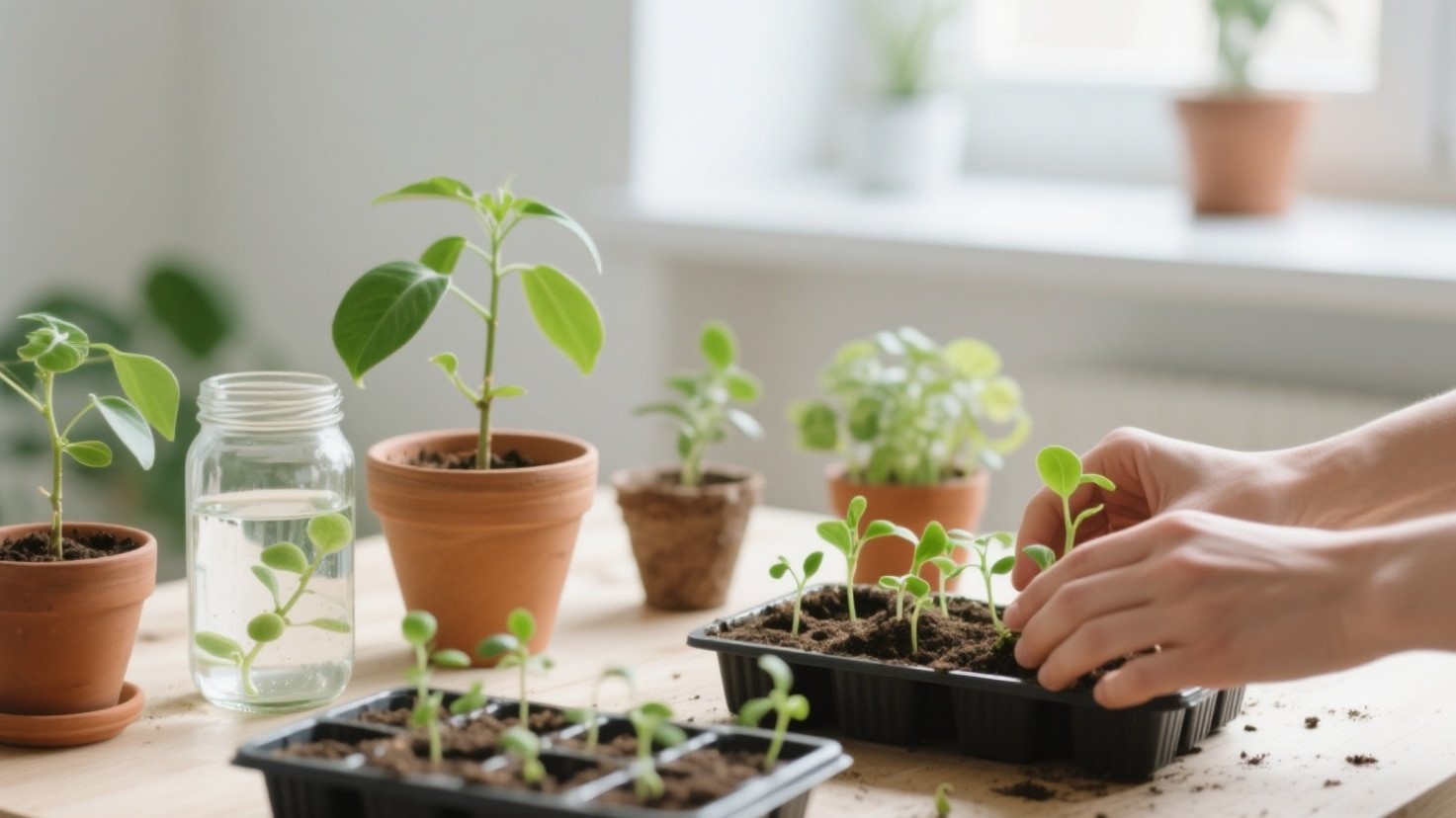
The easiest way for home growers to propagate is by planting ”keikis” (baby orchids) that sometimes form on the flower spike. When the keiki has several roots about an inch long, carefully cut it off and pot it in a small container with fresh orchid mix.
By following these straightforward guidelines, you’ll find that moth orchids are surprisingly low-maintenance plants that reward your care with spectacular, long-lasting blooms.