Bougainvillea, with its explosion of vibrant color, is a superstar of the warm-climate garden. While it has a reputation for being a bit tricky, it’s actually very easy once you understand exactly what it wants. This guide breaks down everything you need to know to keep your bougainvillea thriving and blooming spectacularly.
1. Sunlight: The #1 Rule for Success
Think of bougainvillea as a sun-worshipper! It is a full-sun plant that needs the strongest light you can provide.
- Ideal Location: A south-facing spot that gets at least 6-8 hours of direct sunlight daily is non-negotiable for the best blooms.
- The Bottom Line: If you don’t have a very sunny patio, balcony, or garden bed, this might not be the right plant for you. It will not thrive in shady or even partly shady conditions.
2. Watering: A Delicate Balance
Your watering strategy should change depending on what you want the plant to do.
- During the Growing Season (Leaf Growth): Follow the ”soak and dry” method. Let the soil dry out completely between waterings. You can check by sticking your finger a few inches into the soil or by lifting the pot—it will feel light when dry. Then, water deeply until it runs out the bottom.
- During Peak Bloom: When covered in flowers, the plant uses more water. Keep the soil slightly moist, watering as soon as the top inch of soil feels dry to avoid stressing the blooms.
- Trick to Force Blooms (The “Dry Down”): If your plant is all leaves and no flowers, you can encourage it to bloom. Let the soil dry out so much that the leaves just begin to wilt slightly. Then, give it a deep drink. This mild stress signals the plant to start producing flowers.
3. Soil and Repotting: Simple and Straightforward
- Soil: Bougainvillea isn’t picky about soil as long as it drains exceptionally well. It will grow in standard potting mix, garden soil, or even sandy soil. The key is to avoid heavy, waterlogged clay.
- Repotting: For container plants, repot every 1-2 years in the spring.
- Timing: The best time to repot is right after a flowering cycle has finished. If it blooms almost year-round, choose a time when it has the fewest flowers and do a light pruning first.
- Key Tip: When repotting, try to use a similar type of soil to what the plant was already in to avoid shocking the roots.
4. Airflow is Important
Because bougainvillea is so dense with leaves and flowers, good air circulation is crucial to prevent disease.
- Outdoors is Best: It thrives in open areas on a patio or in a garden.
- Indoors/Enclosed Porches: If grown in a sunroom or on a closed balcony, place it right next to an open window and avoid crowding it with other plants. Give it plenty of space to “breathe.”
5. Fertilizing for Fantastic Flowers
- Dormant Season (Winter): In cold climates, the plant rests. You can skip fertilizing or, for in-ground plants, mix a little compost or manure into the soil in late winter.
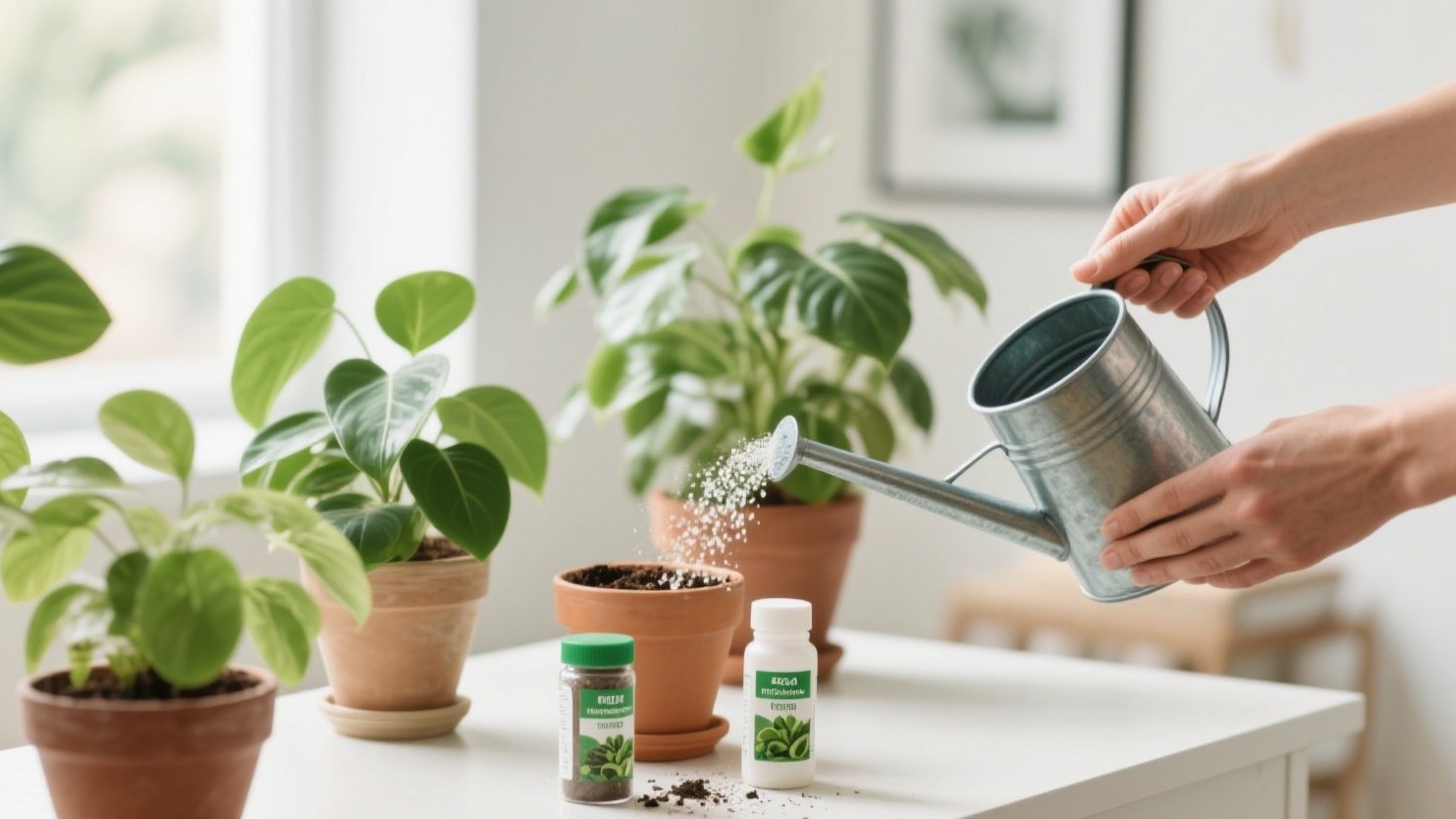
- Growing & Blooming Season (Spring-Fall): To support massive blooms, use a fertilizer that is high in phosphorus (the middle number on the fertilizer package, e.g., 10-30-10). A “bloom booster” formula is perfect. Mix a liquid fertilizer as directed and apply it every 1-2 weeks during the growing season.
6. Winter Care: The Key to Survival
Bougainvillea is a tropical plant and cannot tolerate frost.
- Warm Climates (Zones 9-11): It can live outdoors year-round. It may lose leaves in a cool winter but will bounce back in spring.
- Colder Climates: You must bring it indoors before the first frost, when temperatures consistently drop below 50°F (10°C).
- Ideal Indoor Spot: A cool, bright sunroom or a very sunny window is perfect. A heated garage with a grow light can also work. The goal is to keep it alive, not necessarily growing, through the winter.
7. Pruning: For Shape and Health
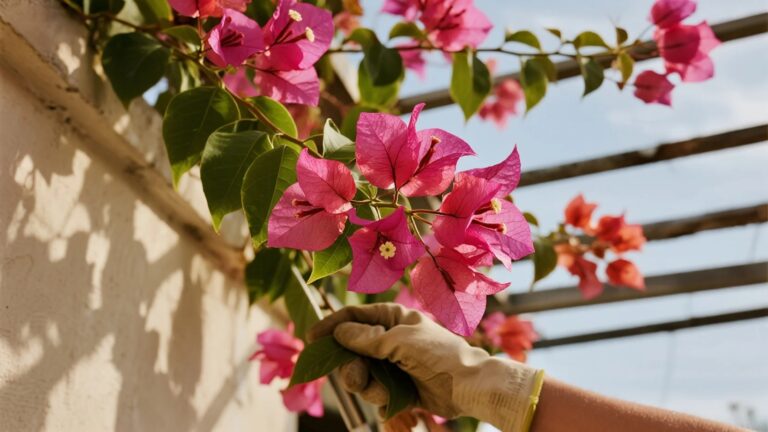
- During the Season: Prune lightly to control its shape and size. You don’t need to deadhead (remove old flowers); the colorful “petals” (actually modified leaves called bracts) will fall off on their own.
- Dormant Season Pruning (Late Winter/Early Spring): This is the time for a major trim. Cut back long, leggy branches and remove any dead, weak, or crossing branches. Don’t be afraid to cut it back hard—it will grow back even stronger!
8. How to Propagate New Plants
You can easily create new plants from cuttings.
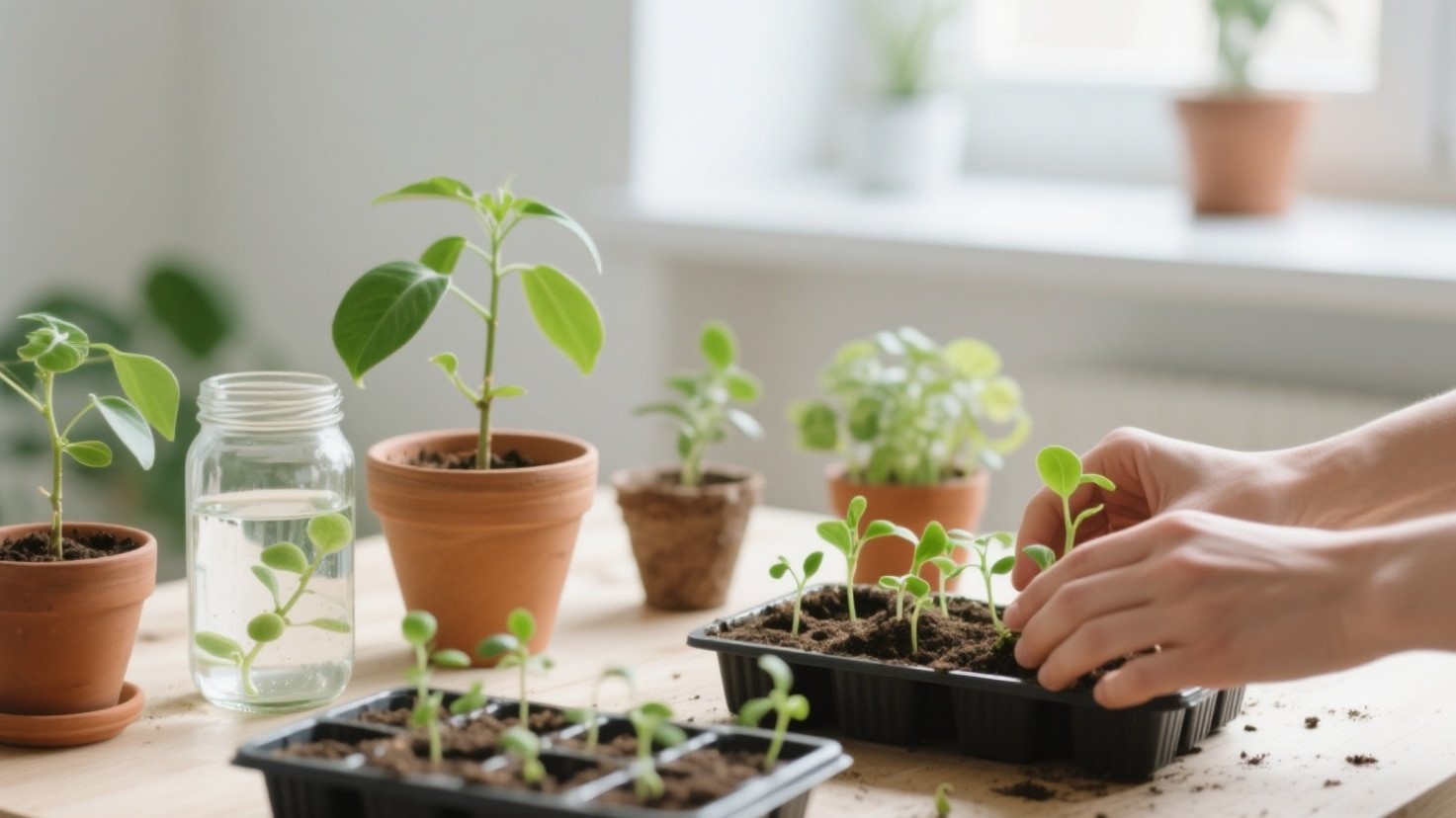
- Take a Cutting: Snip a healthy, young branch about 6 inches long. Remove any flowers and most of the leaves, leaving just a few small ones at the top. You can cut large leaves in half to reduce water loss.
- Prepare the Cutting: Dip the cut end into a rooting hormone (this speeds up the process but isn’t essential).
- Plant: Stick the cutting about 2 inches deep into a small pot filled with a moist, well-draining potting mix.
- Wait: Place the pot in a warm spot with bright, indirect light. Keep the soil slightly moist. In a few weeks to months, it should develop roots.
9. Pest and Disease Solutions
Bougainvillea is generally tough but can have occasional issues.
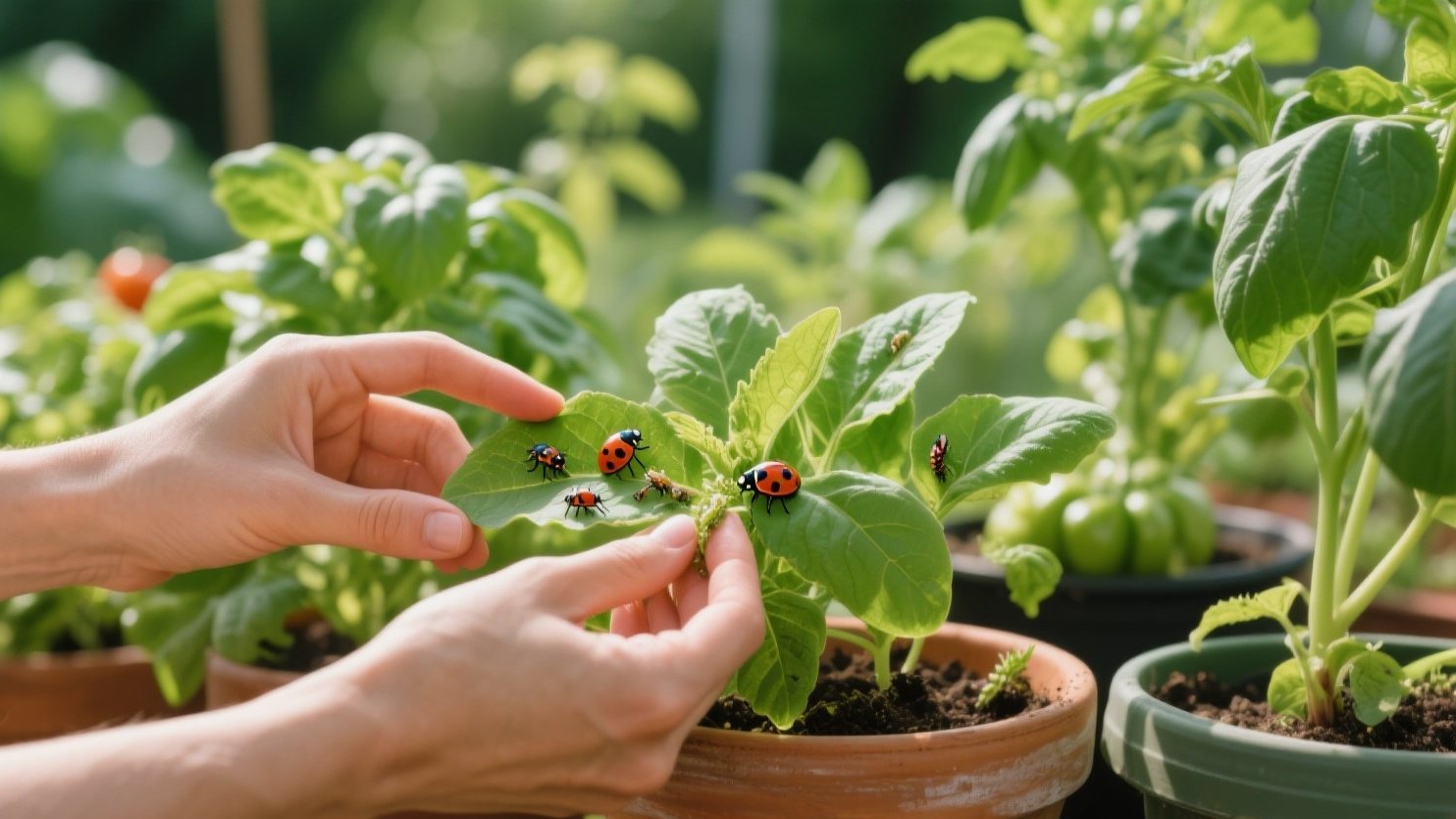
- Pests (Aphids, Caterpillars): If you see insects, spray the plant with a strong stream of water or use an insecticidal soap or neem oil.
- Fungal Disease (Powdery Mildew, Leaf Spot): These appear as white powder or black/brown spots on leaves. Improve air circulation and treat with a general garden fungicide.
By following these key steps—especially providing maximum sun and perfect watering—you’ll be rewarded with a breathtaking display of color that makes all the effort worthwhile.