Introduction
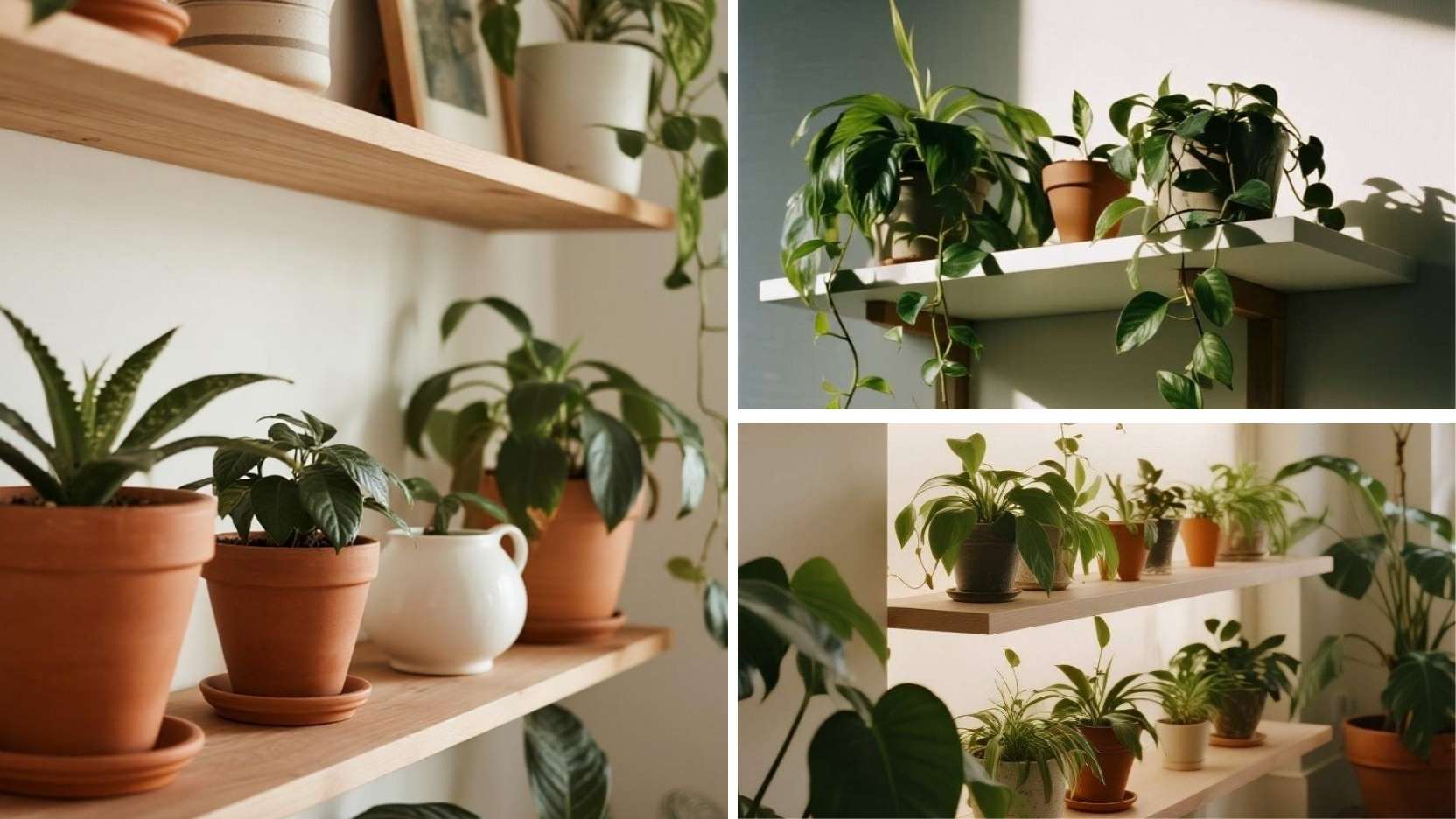
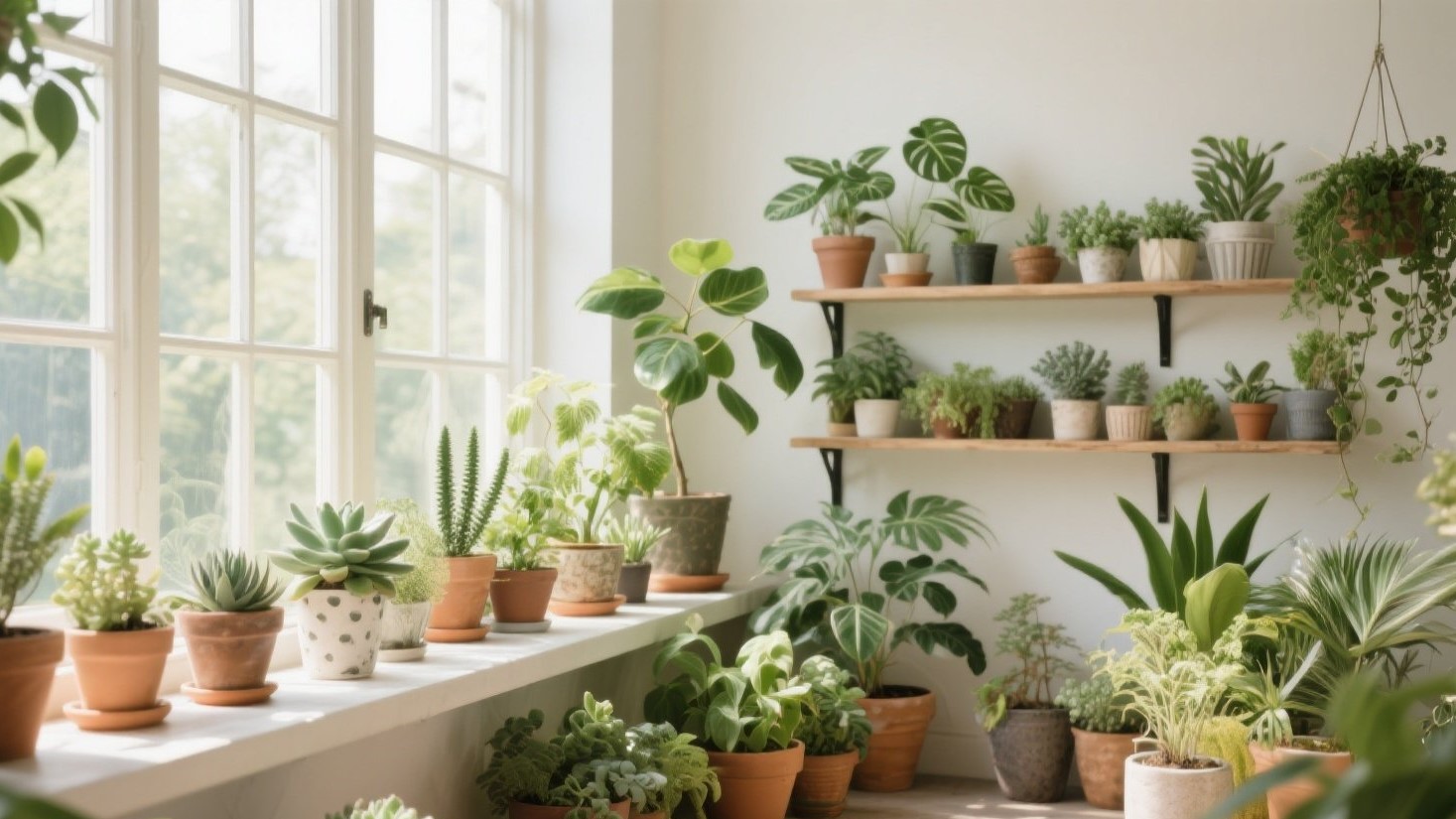
Indoor plants are more than just decorative accents—they bring life, fresh air, and a calming energy to any space. However, thriving houseplants don’t happen by accident. Whether you’re a first-time plant parent or looking to level up your indoor garden, understanding the fundamentals of watering, lighting, and soil is essential. In this post, we’ll explore must-know skills that help your indoor plants flourish, with practical tips inspired by experienced gardeners and plant enthusiasts alike. 🌱✨
1. Watering: The Goldilocks Approach 💧
Too much water can drown your plants, while too little can leave them wilted and stressed. The key is balance.
- Check soil moisture: Stick your finger about an inch into the soil. If it feels dry, it’s time to water.
- Consider plant type: Succulents and cacti require far less water than tropical plants like monstera or fiddle leaf figs.
- Consistency matters: Small, regular watering is often better than infrequent heavy watering.
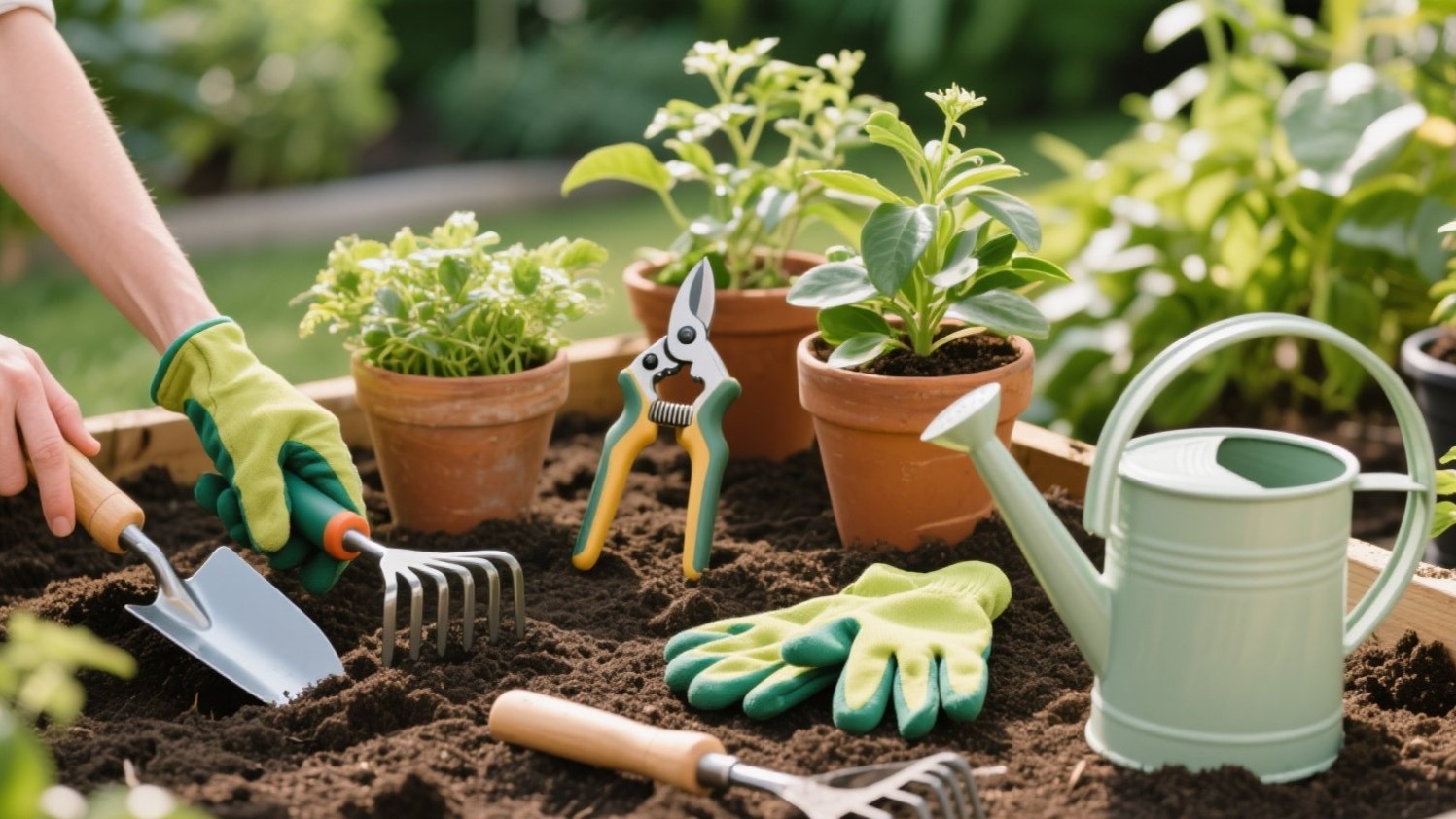
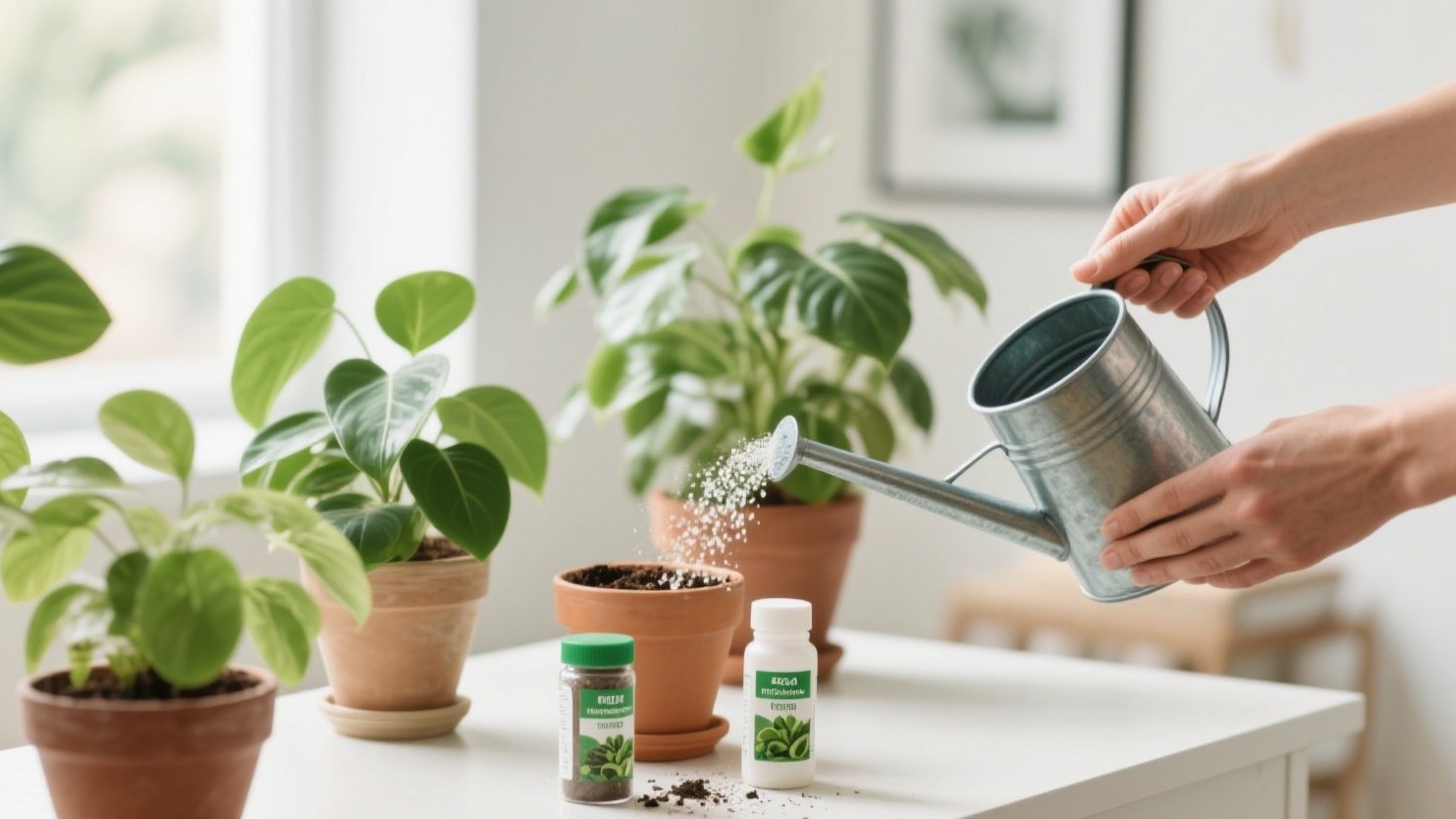
Tip: Use a watering can with a narrow spout to target the soil directly, avoiding wetting leaves unnecessarily.
2. Lighting: Understanding Your Plant’s Needs ☀️💡
Light is essential for photosynthesis and overall growth. Indoor plants vary widely in their lighting requirements.
- Low light plants: Snake plants, pothos, and ZZ plants thrive in indirect light.
- Bright, indirect light: Monstera, peace lily, and philodendrons prefer well-lit spaces without direct sun exposure.
- Direct sun lovers: Succulents and cacti flourish near sunny windows.
Tip: Rotate your plants regularly to ensure even growth and prevent them from leaning toward one side.
3. Soil Basics: The Foundation of Healthy Growth 🌱🪴
Good soil provides nutrients, supports roots, and ensures proper drainage.
- Choose the right mix: Use well-draining potting soil for most houseplants. Succulents and cacti require sandy, gritty soil, while tropical plants benefit from peat-based mixes.
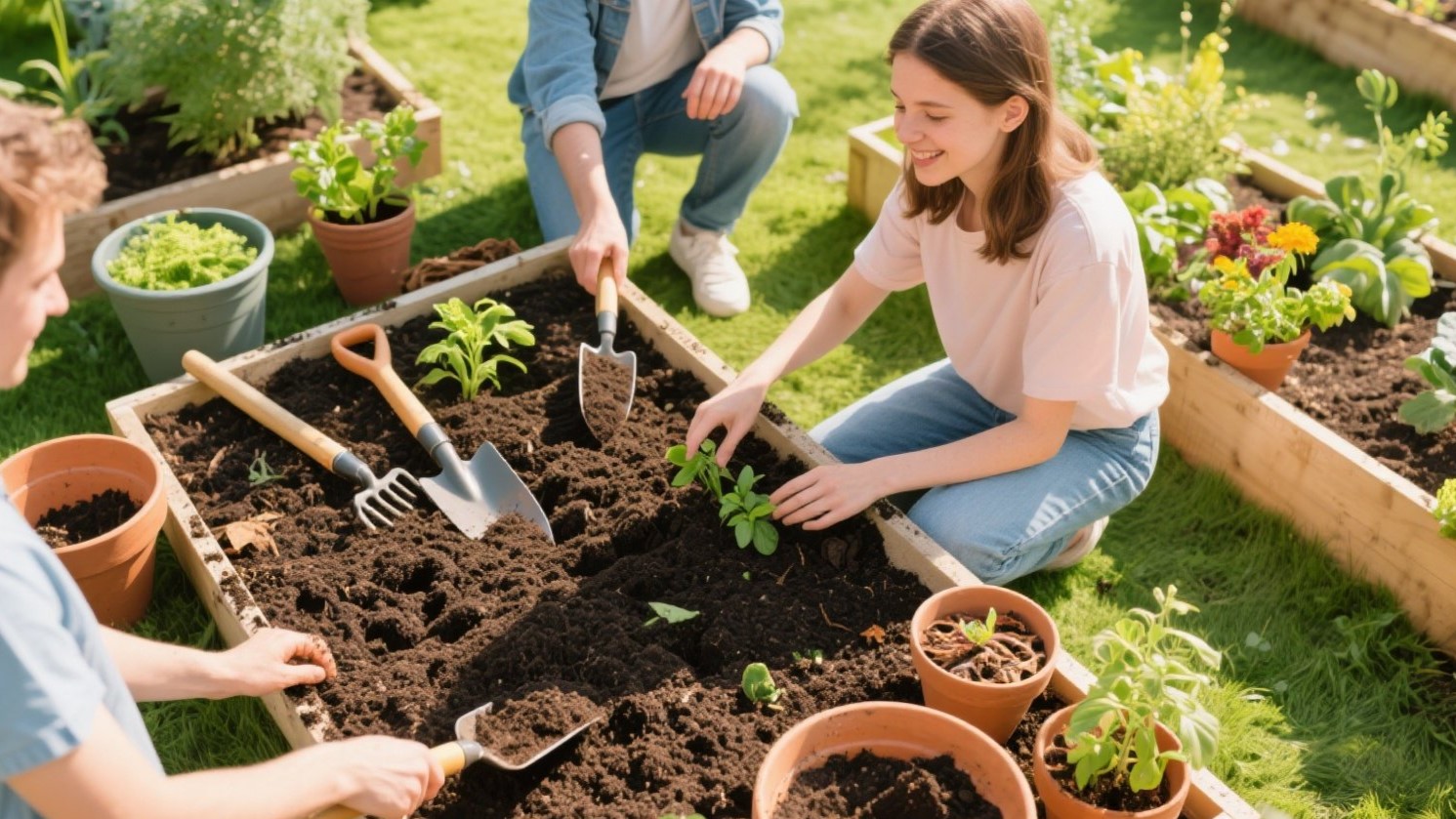
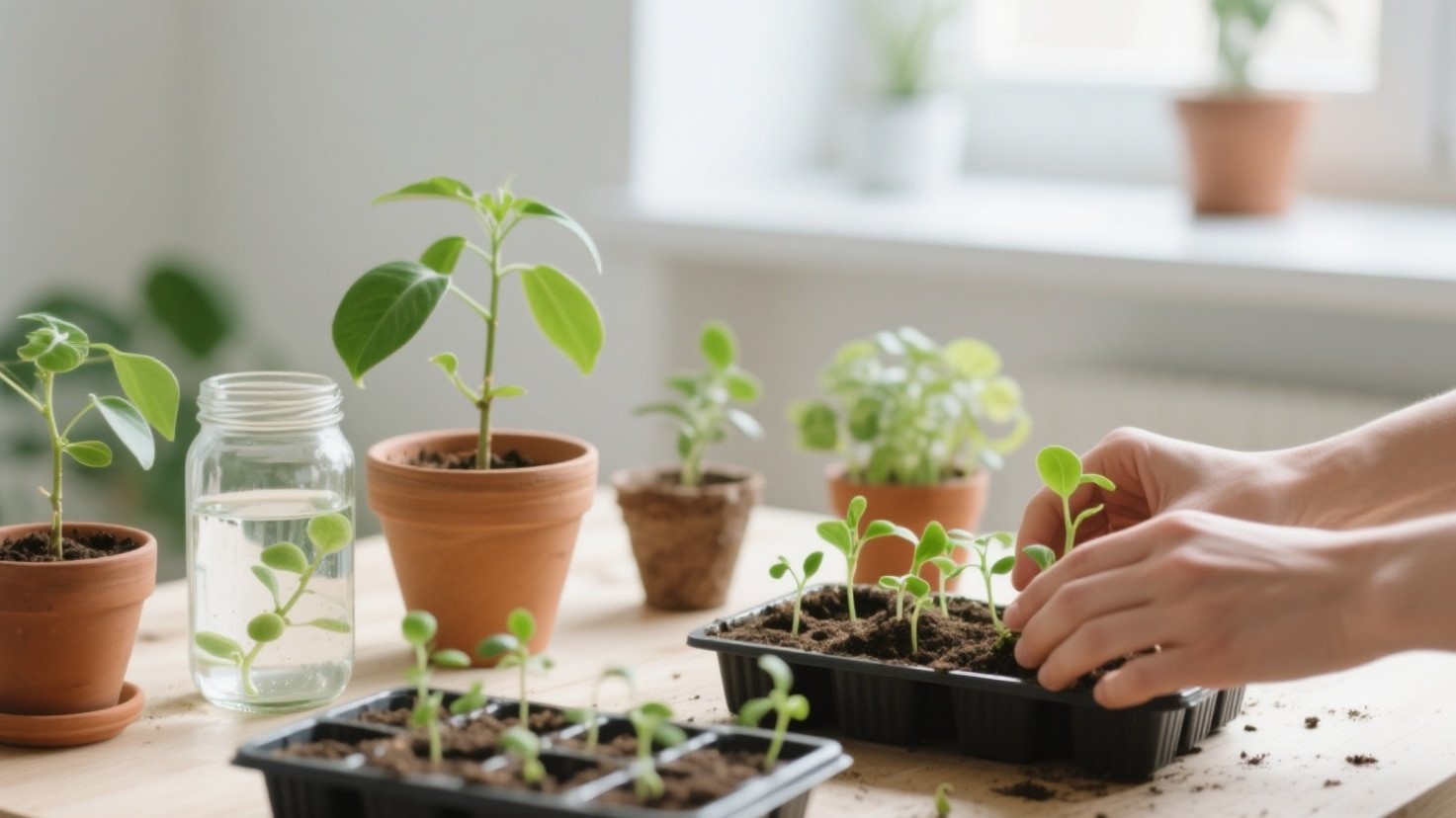
- Repot when needed: Check for roots growing out of the pot or slow growth; it may be time to upgrade to a slightly larger container.
- Fertilize wisely: Use a balanced, water-soluble fertilizer during the growing season, usually spring and summer. Avoid over-fertilizing, which can harm plants.
Pro Tip: Adding a layer of small stones or coarse sand at the bottom of the pot can improve drainage and prevent root rot.
4. Additional Indoor Plant Skills 🪴✨
- Humidity matters: Tropical plants love humidity. Use a humidifier or place a tray of water nearby.
- Pruning and cleaning: Trim yellowing leaves and dust foliage to encourage healthy growth.
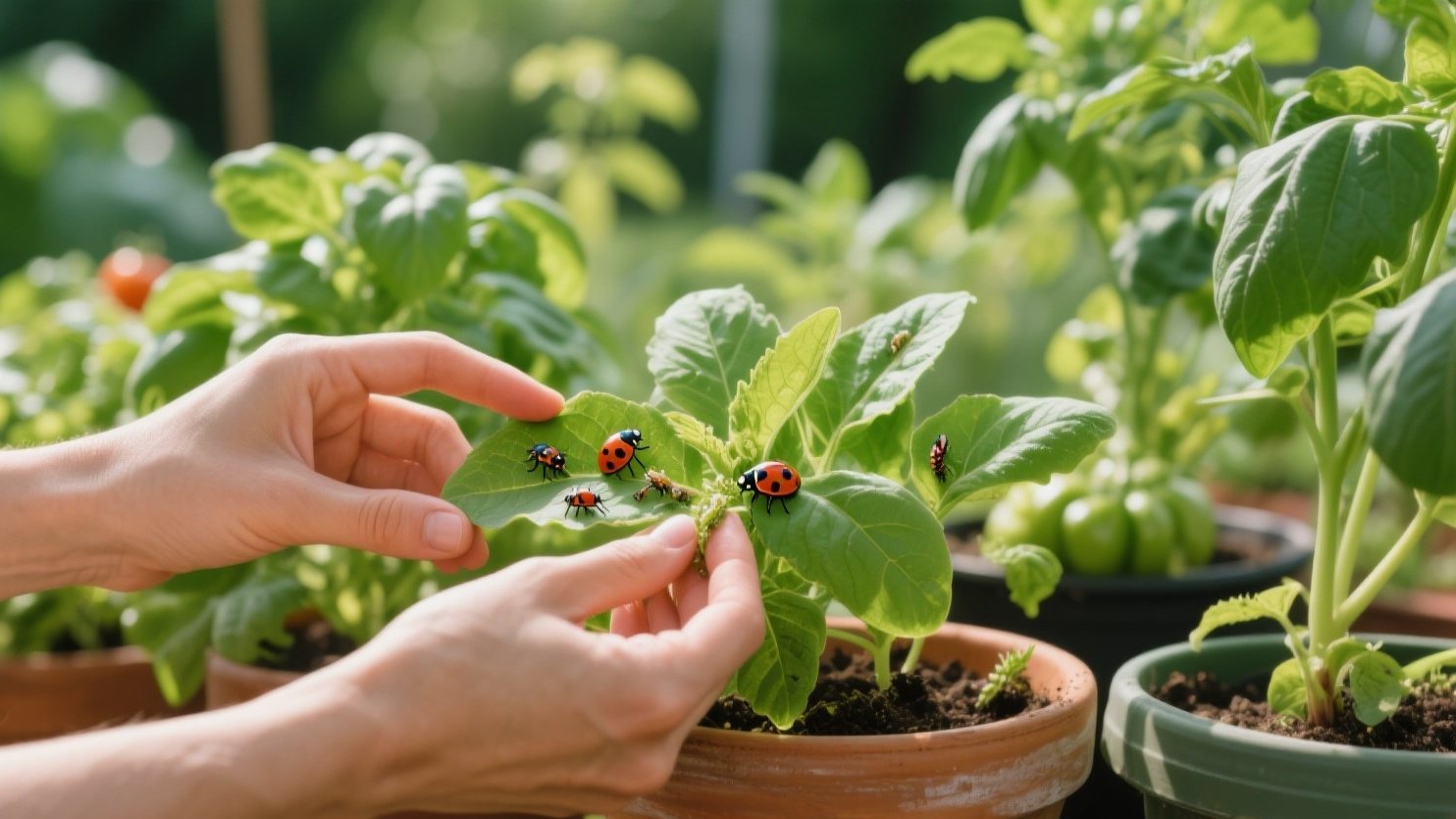
- Pest awareness: Check leaves for signs of pests like spider mites or aphids. Neem oil or insecticidal soap can help.
Tip: Observe your plants daily—they’ll often give visual cues when something is off.
Final Thoughts 🌿💚
Caring for indoor plants may seem intimidating at first, but mastering the basics of watering, lighting, and soil can make all the difference. Plants thrive when given consistent attention, proper conditions, and a little patience. By developing these core skills, you’ll create a vibrant, healthy indoor garden that adds life and beauty to your home. With time, you may even discover a new passion for gardening that goes beyond mere decoration. 🌱✨