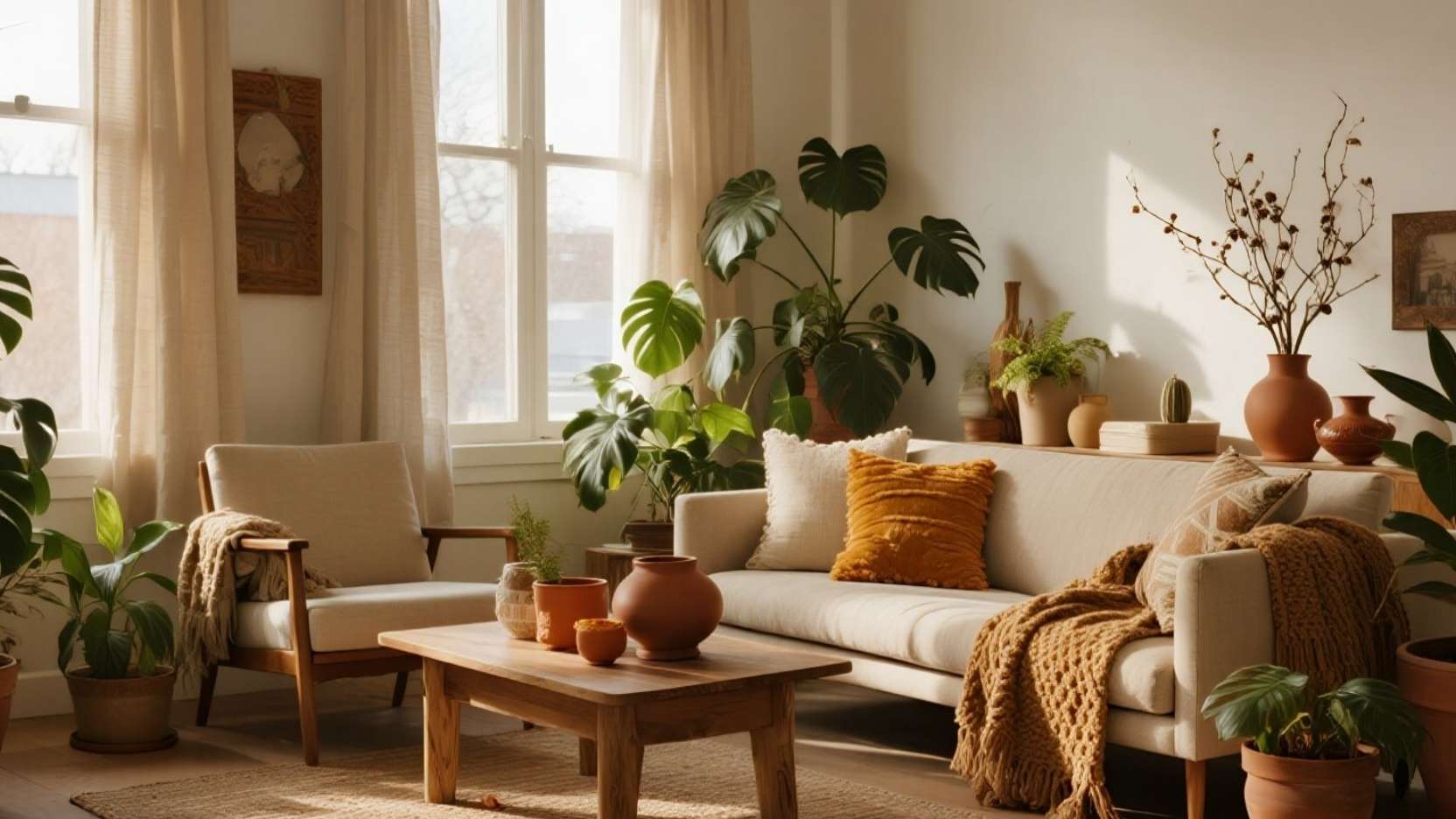
Introduction: Cozy, Not Crowded Plant Shelves 🌱
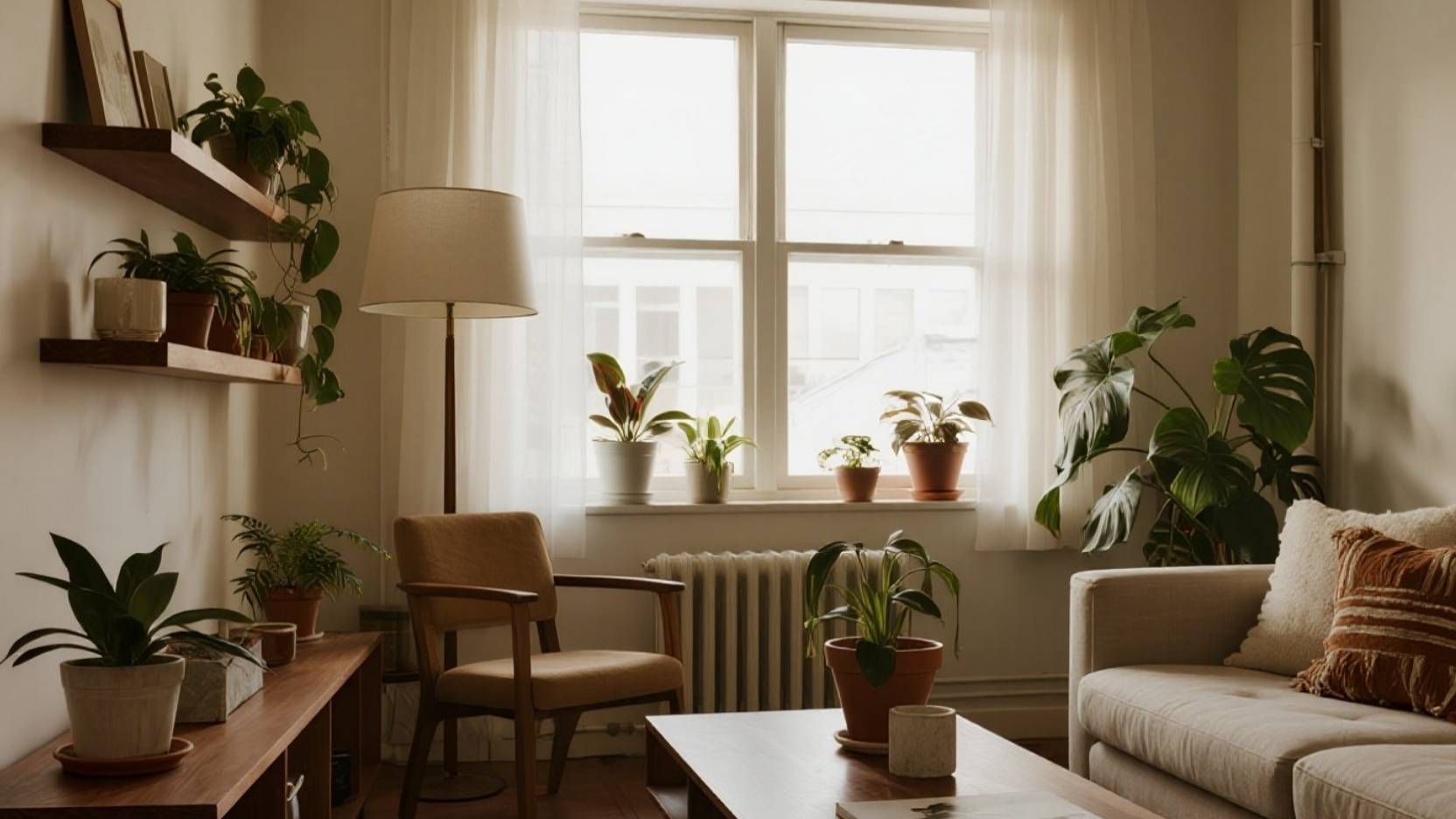
A plant shelf can be full of life and still feel calm—but only if it has space to breathe. Many inspiration photos look beautiful in a snapshot, yet in real life they often feel crowded, with leaves touching, pots squeezed together, and no place for the eye to rest. The good news is you don’t always need fewer plants; you usually need better spacing and a simple rule to guide you. 😊
Think of your shelf like a small stage where every plant deserves its own spotlight. When each pot has a bit of room, you can actually see the shape of the foliage and enjoy the textures you worked so hard to collect. This article introduces an easy “air gap rule” to help you style shelves that feel cozy, not messy—and keep your plants healthier at the same time. ✨
The “Air Gap Rule”: What It Is and Why It Works 🪴🌬️
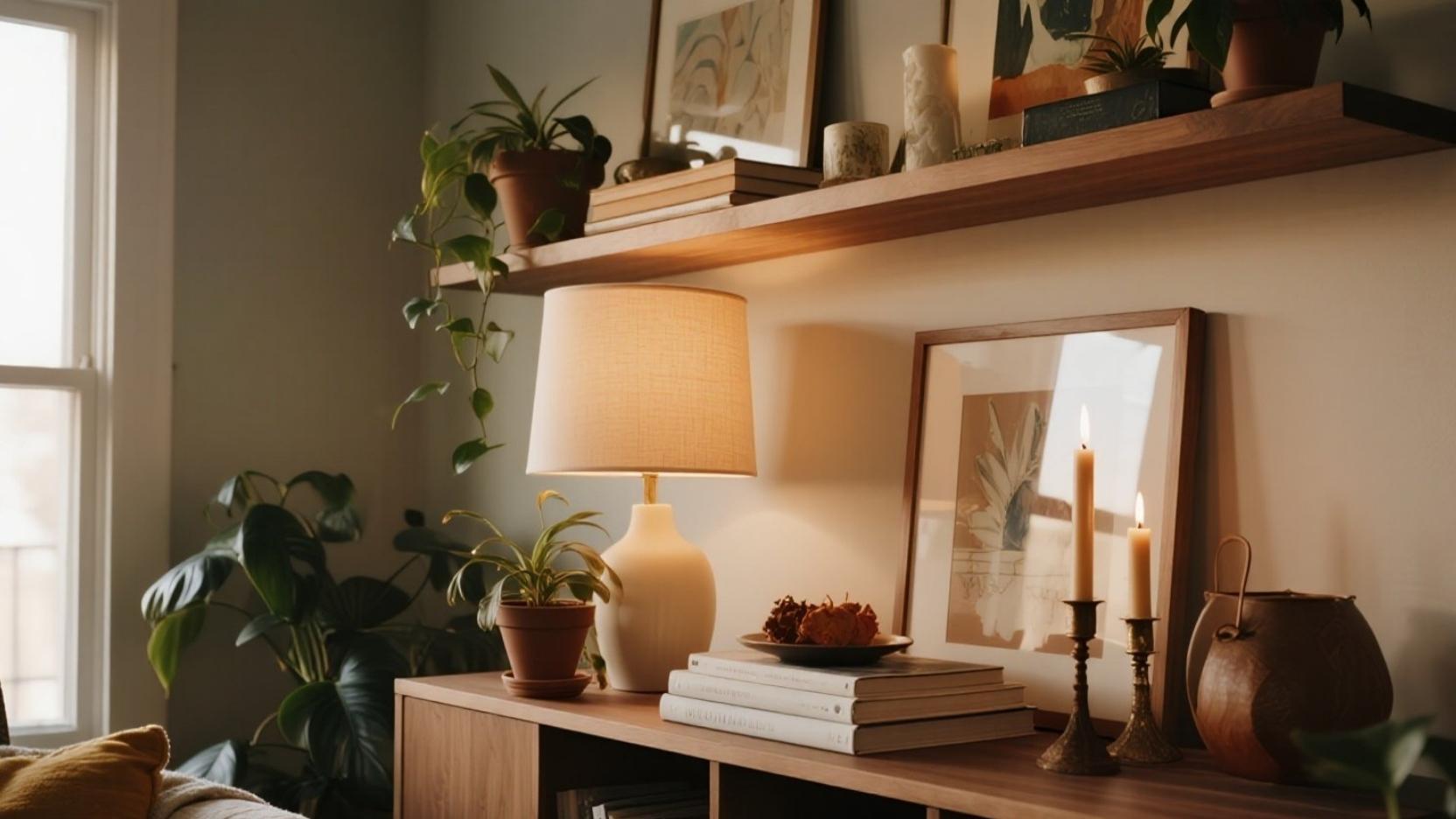
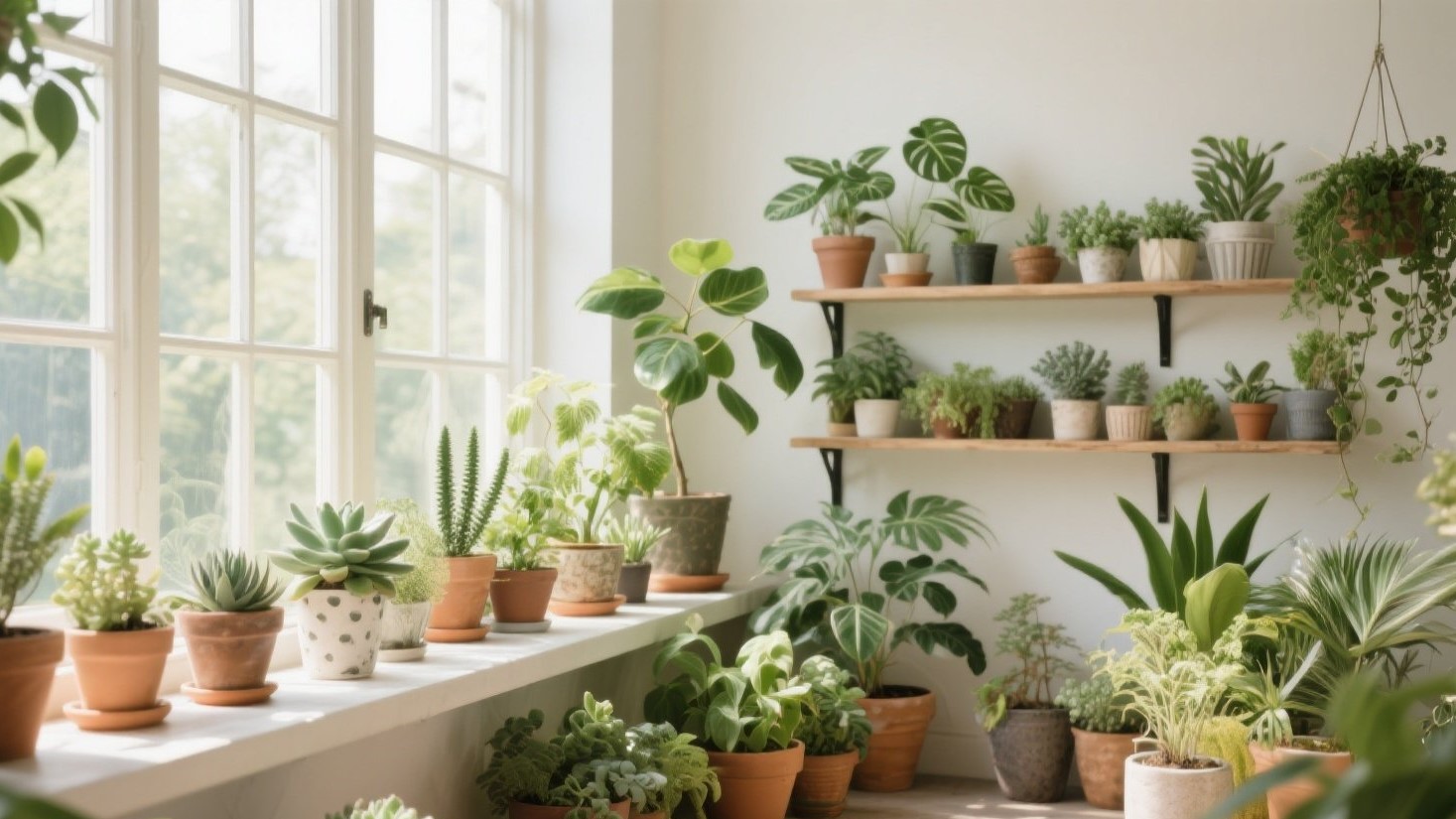
The “Air Gap Rule” is simple: on every shelf, there should be a clearly visible patch of empty surface, not just tiny cracks between pots. If you can’t immediately point to some open space, your shelf is probably overcrowded, even if everything technically fits. That visible gap instantly makes the whole display look cleaner, more intentional, and less visually noisy.
For plants, the air gap does more than just look nice. Space between pots improves airflow, which can help reduce humidity pockets that encourage fungus, pests, or leaf rot. It also prevents leaves from constantly rubbing, tearing, or shading each other, so your plants can grow without fighting for every ray of light. 🌞

How To Edit an Overcrowded Shelf Step by Step ✂️
Start with a quick “edit session” instead of a full makeover. Remove just one or two items from each shelf—plants, decor, or random objects—so you can see how much space opens up. Often, removing a single extra pot or ornament makes the whole shelf feel calmer and more balanced. 🌼
Next, slide the remaining items into small clusters instead of lining everything in a straight row. Try groups of two or three plants with a small gap between clusters, so your eye can travel from one “mini scene” to another. If something still feels off, take one more item away rather than forcing it to fit where there’s clearly no room.

Styling Tips: Clusters, Focal Points, and Visual Rest ✨
Once you’ve removed a few items, choose a focal point for each shelf—a plant with dramatic leaves, a trailing vine, or a beautiful pot. Place that focal plant slightly off-center, then support it with simpler plants or neutral decor nearby. This creates a natural hierarchy: one star, a few supporting actors, and a bit of “background silence” in the form of empty space. 🎭
Use height and texture to keep things interesting without adding clutter. Mix one tall plant, one medium plant, and one low or trailing plant in a cluster, so they stack visually instead of competing on the same level. Between clusters, leave visible shelf space as your “visual rest,” which stops the shelf from feeling like a wall of green you can’t mentally process.

Healthier Plants Through Better Spacing 💧
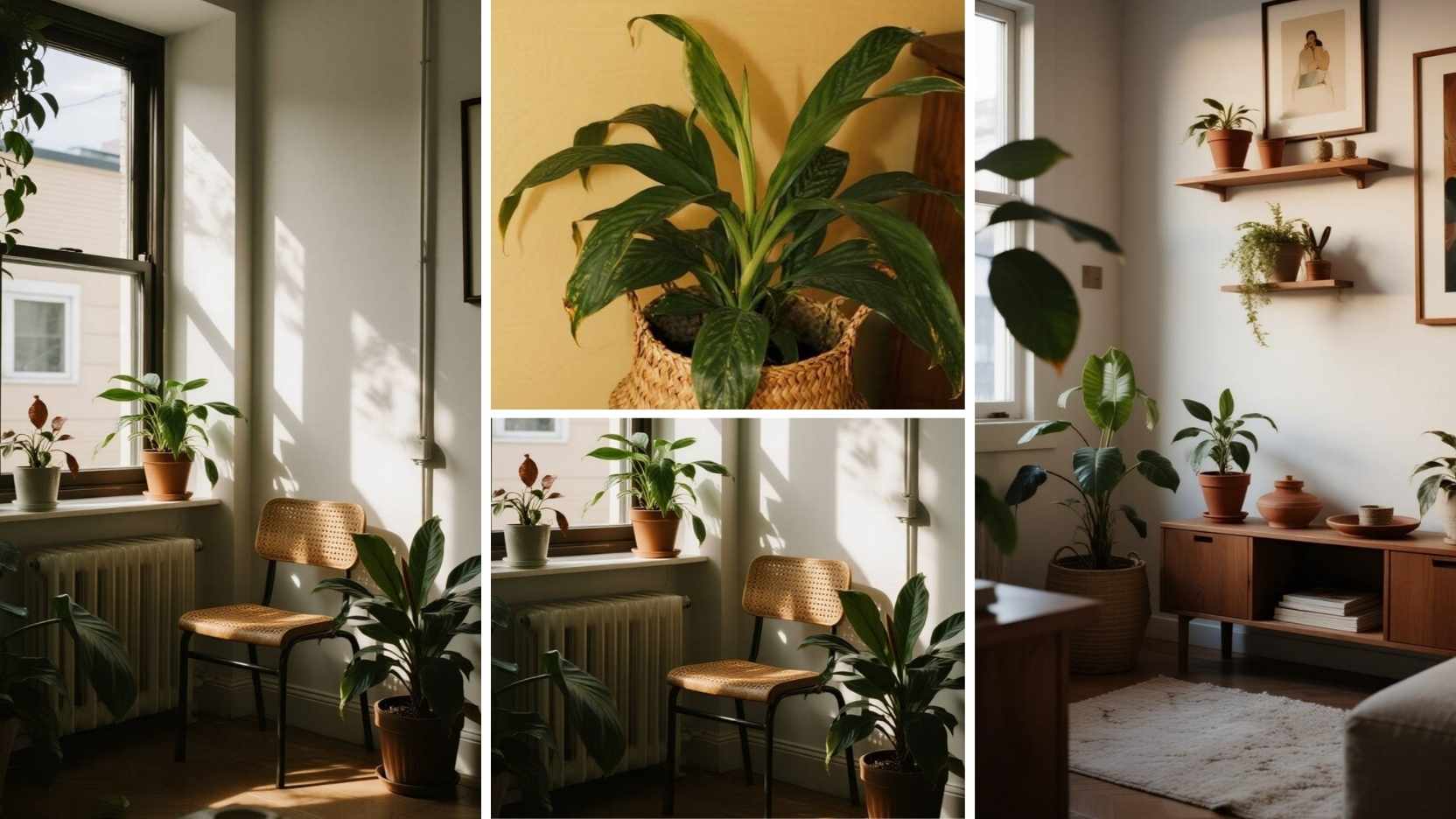
Good spacing also makes plant care easier and more consistent. When pots aren’t crammed together, you can reach the soil to check moisture, remove yellow leaves, or rotate plants without knocking over another pot. This reduces accidental damage and helps you catch issues like pests or rot before they spread. 🐛
Air gaps allow light to reach more sides of the plant, which can reduce lopsided growth and pale, shaded leaves. Better airflow means water on leaves and soil dries at a more natural pace, instead of staying trapped in stagnant, crowded corners. Over time, a “cozy but spaced” shelf often leads to thicker foliage, fewer pest outbreaks, and plants that look genuinely happier.

Final Thoughts: Let Your Plants (and Eyes) Breathe 😌
If your plant shelf feels chaotic, it doesn’t mean you’re bad at styling—it probably just needs breathing room. The “Air Gap Rule” gives you a simple, repeatable guideline: visible empty space on every shelf, small clusters instead of lines, and one clear focal point. With that structure, your plants get more light and airflow, and you get a calmer, cozier view every time you walk by. 💚
Think of editing your shelf as tending both your plants and your nervous system. You’re not just arranging leaves; you’re creating a small, living corner that feels restful instead of overwhelming. Once you see how much better both you and your plants respond to those tiny gaps of space, “cozy, not crowded” will become your new non-negotiable styling rule. ✨