If you’ve ever spent hours tending your garden only to discover it crawling with aphids, caterpillars, or beetles, you know the frustration all too well. Many novice gardeners approach pests with the idea of complete eradication—spraying chemicals, removing plants, or panicking at the first sign of damage.
Yet seasoned Reddit gardeners and horticultural experts emphasize something critical: pest waves are natural, and total eradication is unrealistic. Instead, the goal is management, not elimination, and adopting sustainable strategies can keep your garden thriving while preserving biodiversity.
This article explores practical methods used by gardeners to coexist with pests while minimizing damage, inspired by Reddit threads and modern integrated pest management (IPM) practices.
1. Accept That Pests Are Inevitable
Gardening is an ecosystem. Insects, fungi, and other organisms naturally move through it. Redditors often note that learning to “roll with pest waves” is key to reducing frustration.
- A single plant may host dozens of insect species at once.
- Pest populations naturally rise and fall with seasons.
- Overreacting can disrupt the garden’s balance, sometimes worsening infestations.
Acceptance is the first step: rather than chasing perfection, aim for healthy plants and tolerable damage levels.
2. Monitor and Identify Before Acting
Before taking action, observe your garden to determine which pests are causing real harm. Many insects are harmless or even beneficial.
- Use a magnifying glass to inspect leaves and stems.
- Learn to differentiate pests from pollinators or predatory insects.
- Note the stage of the infestation: small populations can often be managed manually or naturally.
Reddit users stress that careful observation saves time, money, and plants, and helps avoid unnecessary chemical use.
3. Integrated Pest Management (IPM): A Layered Approach
Integrated Pest Management (IPM) is a holistic, science-backed approach combining multiple strategies for long-term control:
A. Trap Plants / Sacrificial Crops
- Plant species that attract pests away from main crops (e.g., nasturtiums to lure aphids).
- These “decoy” plants protect high-value vegetables or flowers.
- Rotate trap plants as pest populations shift.
B. Hand-Picking and Physical Removal
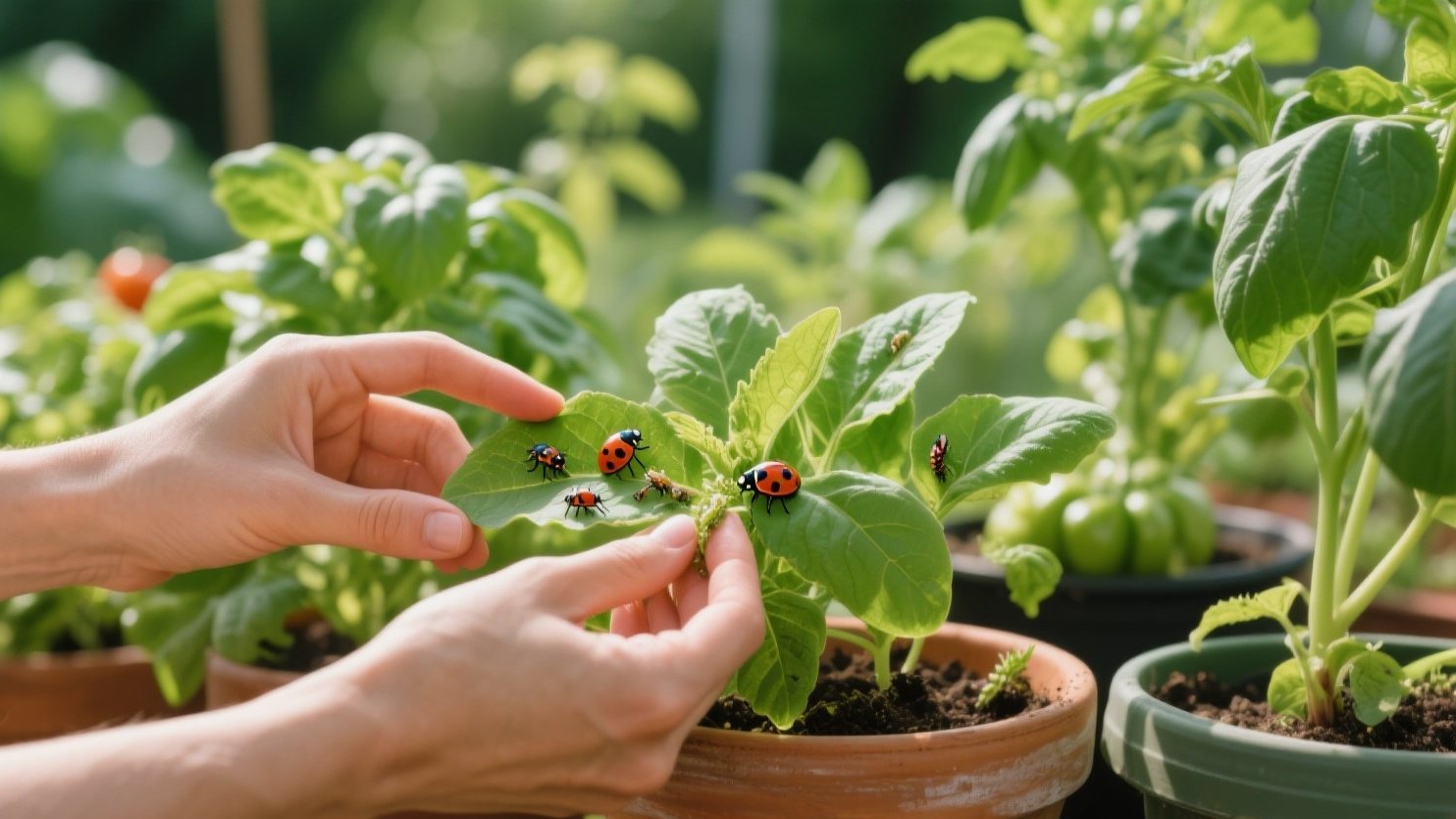
- Small infestations can often be controlled by picking pests off plants.
- Removing eggs, larvae, or webs prevents population explosions.
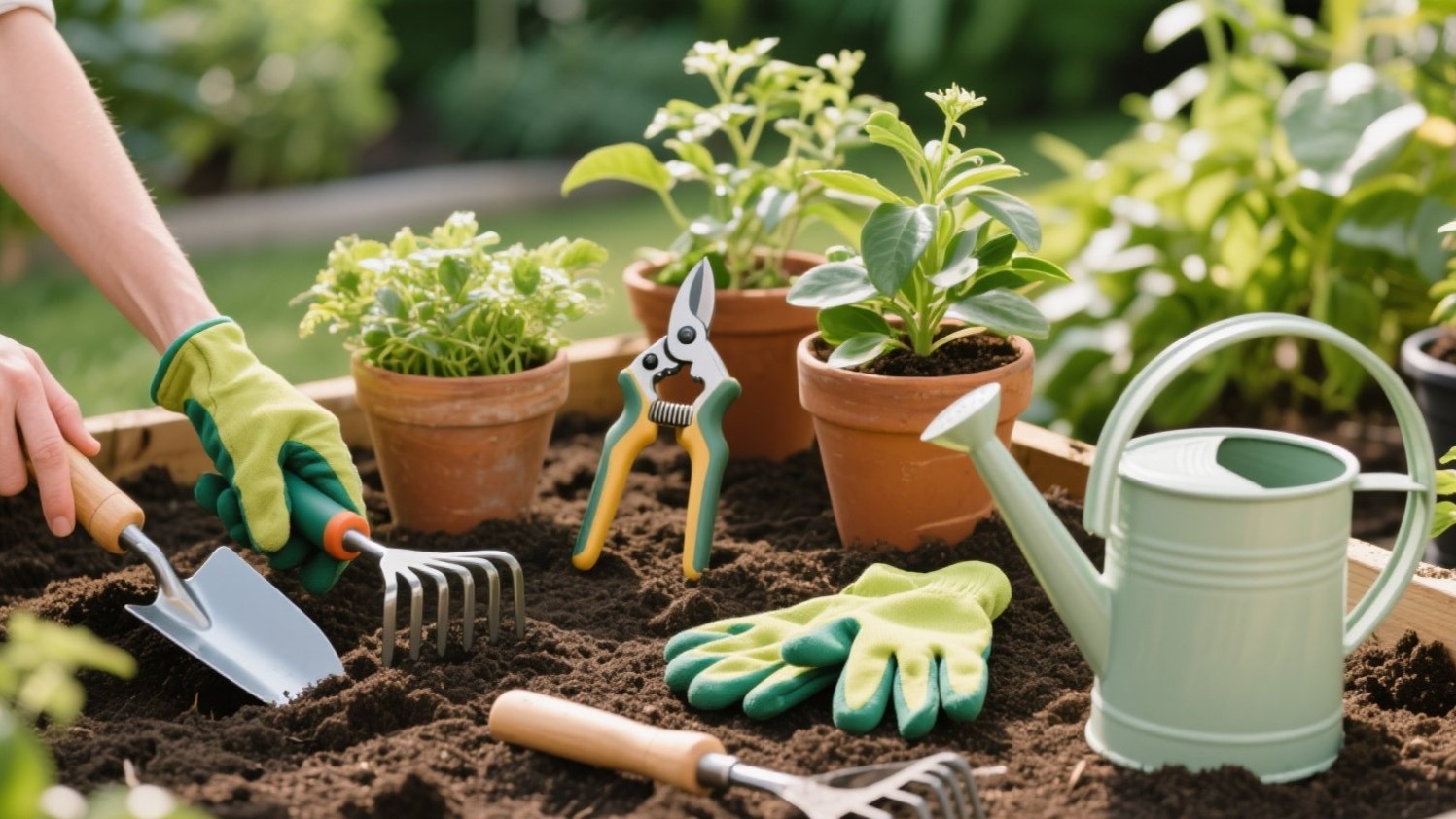
- Tools: gloves, soft brushes, or water sprays.
C. Biological Controls
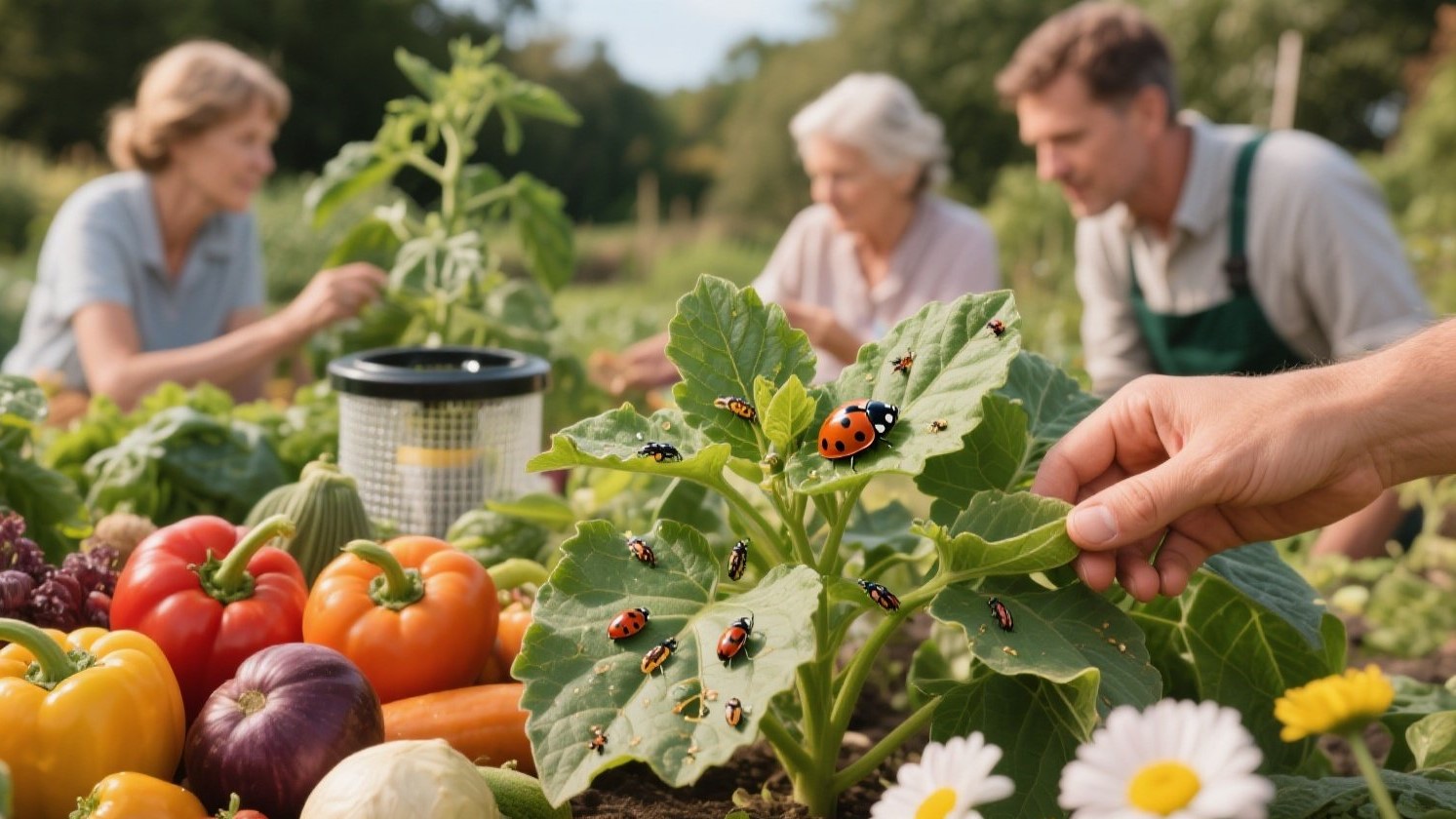
- Introduce or encourage natural predators: ladybugs, lacewings, or parasitic wasps.
- Birds, frogs, and beneficial nematodes also help regulate pest populations.
- Avoid broad-spectrum insecticides that kill both pests and their predators.
D. Cultural Practices
- Rotate crops to prevent pest buildup.
- Keep the garden clean of debris where pests can hide.
- Avoid over-fertilizing, which can make plants more attractive to pests.
4. Timing Is Everything
Reddit gardeners often emphasize working with nature rather than against it:
- Inspect plants early in the morning or evening when pests are active.
- Apply biological or cultural controls when pest populations are just emerging.
- Seasonal patterns matter: some insects surge in late spring and early summer, then decline naturally.
Timing interventions can reduce pest damage without the need for constant chemical application.
5. Accept Some Damage as Part of the Process
A healthy garden tolerates minor leaf holes, nibbled stems, or a few lost fruits.
- Minor damage rarely affects overall plant health.
- Complete eradication is unrealistic and can harm the ecosystem.
- Observing “pest waves” teaches resilience and patience.
Many Reddit gardeners share that this mindset shift—from perfection to management—reduces stress and makes gardening more enjoyable.
6. Community Wisdom From Reddit Gardeners
- “I stopped spraying everything. I let a few aphids be, and predators came naturally. My plants are healthier now.”
- “Trap plants saved my tomatoes. Nasturtiums took the aphids away from the main crop.”
- “Hand-picking is therapeutic. I know exactly what’s on my plants and I feel in control without chemicals.”
These stories reinforce the core lesson: coexistence, observation, and selective intervention beat frantic eradication.
Conclusion
Pest waves are a natural part of gardening. Rather than chasing the impossible goal of complete eradication, embrace realistic, integrated strategies. Observe, identify, and manage pests using layered approaches: trap plants, hand-picking, biological controls, and smart cultural practices. By accepting some level of damage and working with natural cycles, gardeners can protect their crops, support biodiversity, and enjoy a thriving, resilient garden.
Rolling with the waves transforms pest management from a stressful chore into an engaging and empowering part of gardening.