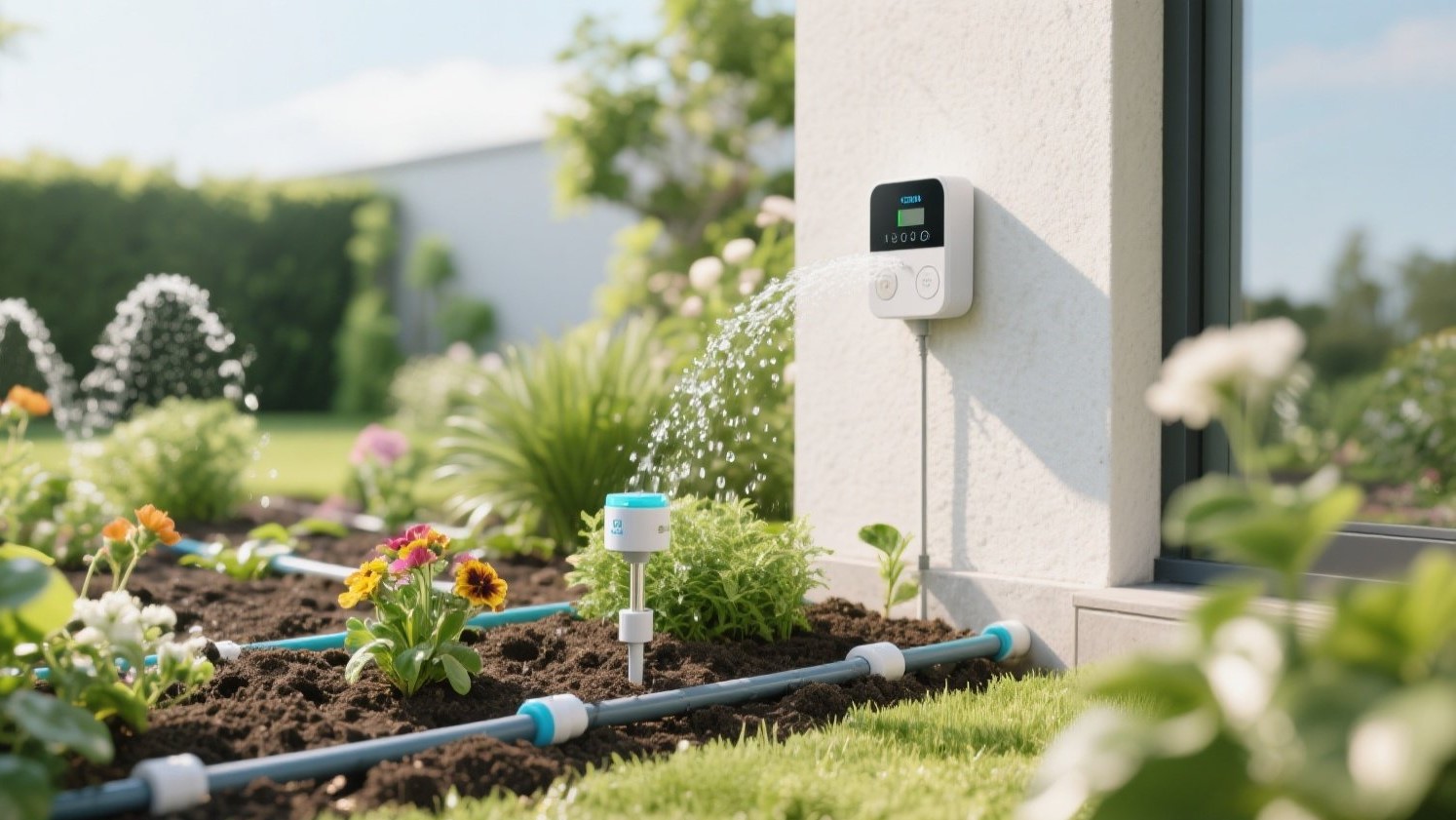
Gardening can be incredibly rewarding—but it’s also time-consuming. For many gardeners, keeping plants consistently watered is one of the biggest challenges. Automated watering systems promise convenience and efficiency, but Reddit gardening communities consistently point out that the results vary depending on setup, plant type, and sensor quality.
This post summarizes what works, what doesn’t, and how to optimize automated watering systems for long-term success.
Why Automate Your Watering?
Reddit gardeners list several reasons to consider automation:
- Consistency: Plants thrive on consistent soil moisture.
- Time-saving: Reduces the daily chore of watering, especially for large gardens.
- Water efficiency: Proper sensors prevent overwatering and runoff.
- Remote management: Smart systems allow monitoring when traveling or during busy weeks.
While automation is helpful, Redditors repeatedly stress that it cannot replace attention to plant needs—sensors help, but observation is still crucial.
Step 1: Choosing the Right System
There are two main types of automated systems discussed on Reddit:
- Drip Irrigation Systems
- Delivers water directly to the root zone.
- Reduces evaporation and runoff.
- Ideal for garden beds, container plants, and vegetable gardens.
- Sprinkler-Based Systems
- Covers larger areas like lawns.
- Less precise, can waste water if poorly timed or windy.
Reddit insight: Many experienced gardeners prefer drip systems for efficiency and plant health, especially in mixed gardens with flowers, vegetables, and potted plants.
Step 2: Sensor Integration
Smart watering systems often include moisture or rain sensors to prevent overwatering:
- Soil Moisture Sensors
- Measure water content at root level.
- Prevent irrigation if soil is already moist.
- Placement matters: sensors should represent the average soil moisture, not just one spot.
- Rain Sensors
- Pause watering during rainfall.
- Protects plants from overwatering and saves water.
- Smart Controllers / Apps
- Allow scheduling and remote control.
- Some use weather data to adjust watering times automatically.
Reddit tip: Combining soil moisture sensors with smart controllers provides the most reliable results, reducing guesswork.
Step 3: Setting Up Your System
- Plan Your Layout
- Sketch your garden and mark plant types and water needs.
- Drip lines or sprinklers should be positioned for full coverage without overspray.
- Install Sensors Properly
- Insert soil moisture sensors at root depth.
- Avoid placing sensors in waterlogged spots or near irrigation heads.
- Calibrate System
- Run a few test cycles to measure water distribution.
- Adjust emitter flow or sprinkler coverage as needed.
- Set Schedules Mindfully
- Early morning or late evening reduces evaporation.
- Group plants by similar water requirements to prevent under/over watering.
- Check Regularly
- Even automated systems need occasional inspection.
- Look for clogged emitters, leaks, or misaligned sprinkler heads.
Step 4: Common Pitfalls and How to Avoid Them
Redditors highlight several common mistakes:
- Overwatering: Sensors placed in overly wet soil or using default schedules without adjustment.
- Underwatering: Sensors too shallow or poorly positioned can misread soil dryness.
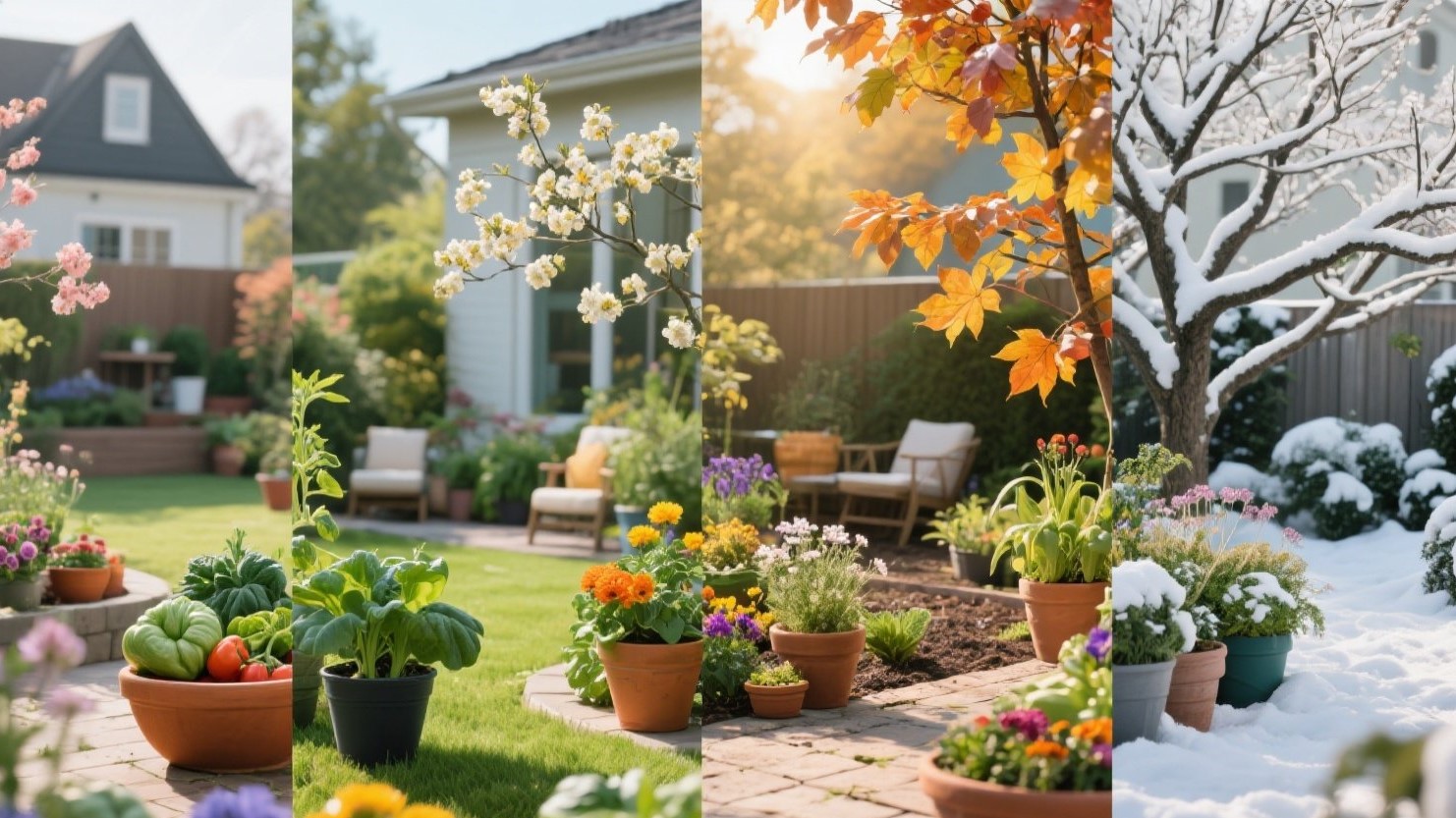
- Ignoring seasonal changes: Adjust schedules for rain, humidity, and temperature.
- Cheap equipment: Low-quality sensors or tubing fail quickly; invest in durable components.
Pro tip: Always combine automation with occasional manual checks. Observing plant health ensures the system is truly effective.
Step 5: Long-Term Maintenance
- Flush drip lines periodically to prevent clogging.
- Clean sensors annually to ensure accurate readings.
- Replace worn tubing or emitters to maintain consistent water flow.
- Keep an eye on plant growth—roots may extend beyond sensor range over time.
Reddit gardeners consistently stress that a little ongoing maintenance keeps automated systems reliable for years, avoiding frustration and wasted water.
Final Thoughts
Automated watering systems, when set up thoughtfully, can dramatically improve garden health, reduce daily chores, and save water. According to Reddit gardeners, the keys to success are:
- Choosing the right system for your garden type
- Using quality soil moisture and rain sensors
- Proper placement and calibration
- Regular observation and maintenance
Smart watering doesn’t replace gardening skills—it amplifies them. With these tips, you can enjoy a thriving garden without the daily struggle of manual watering.