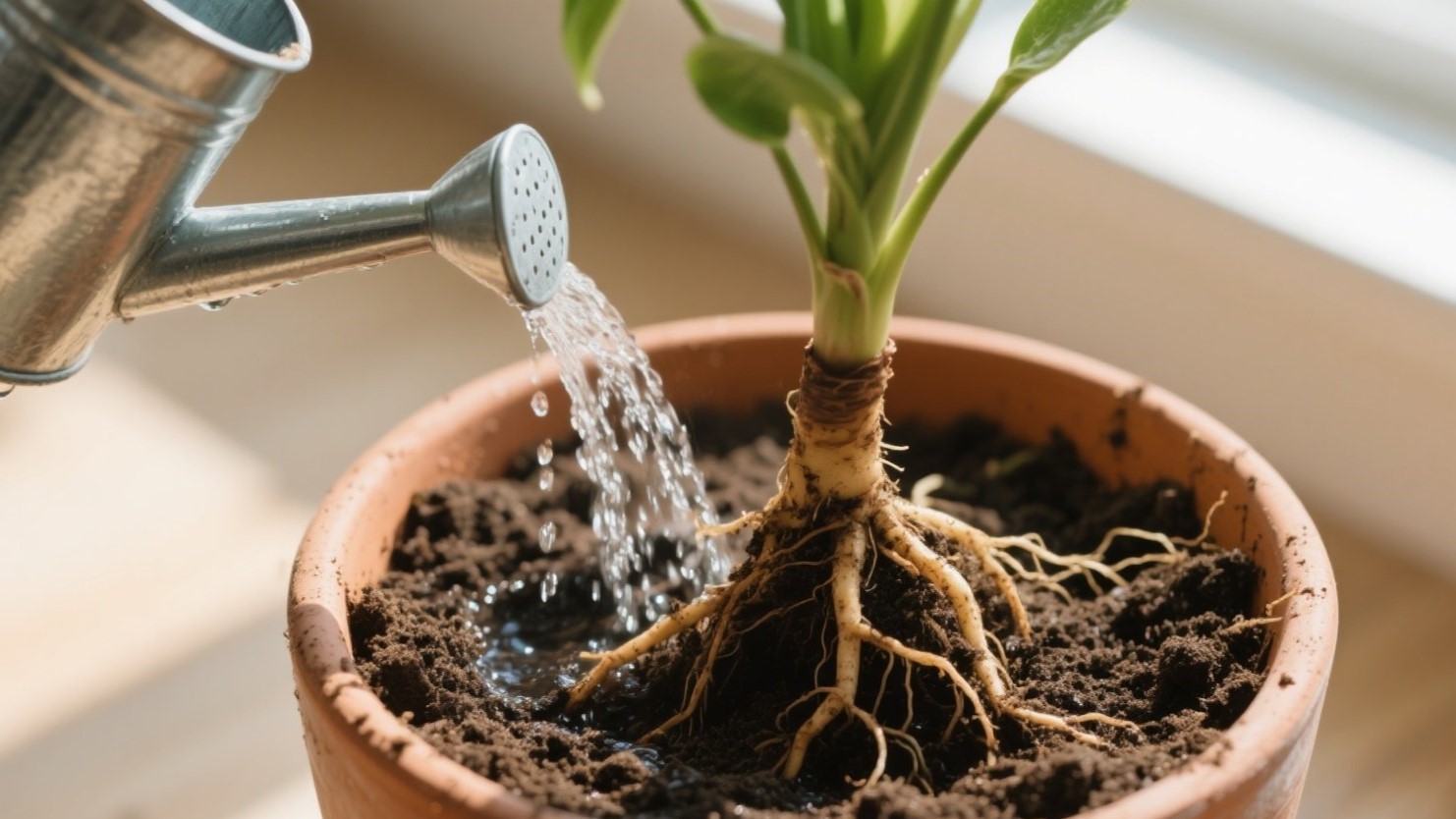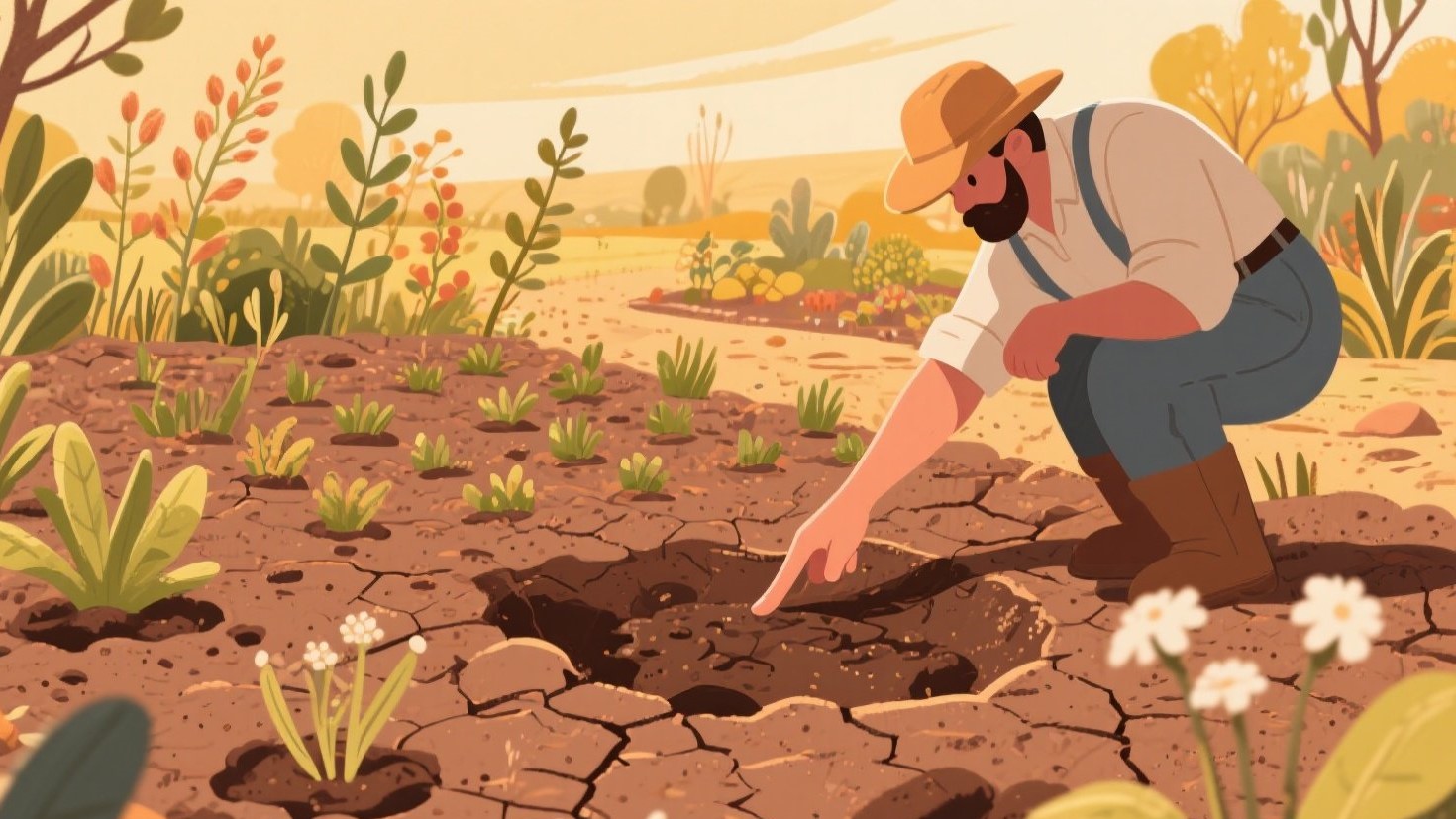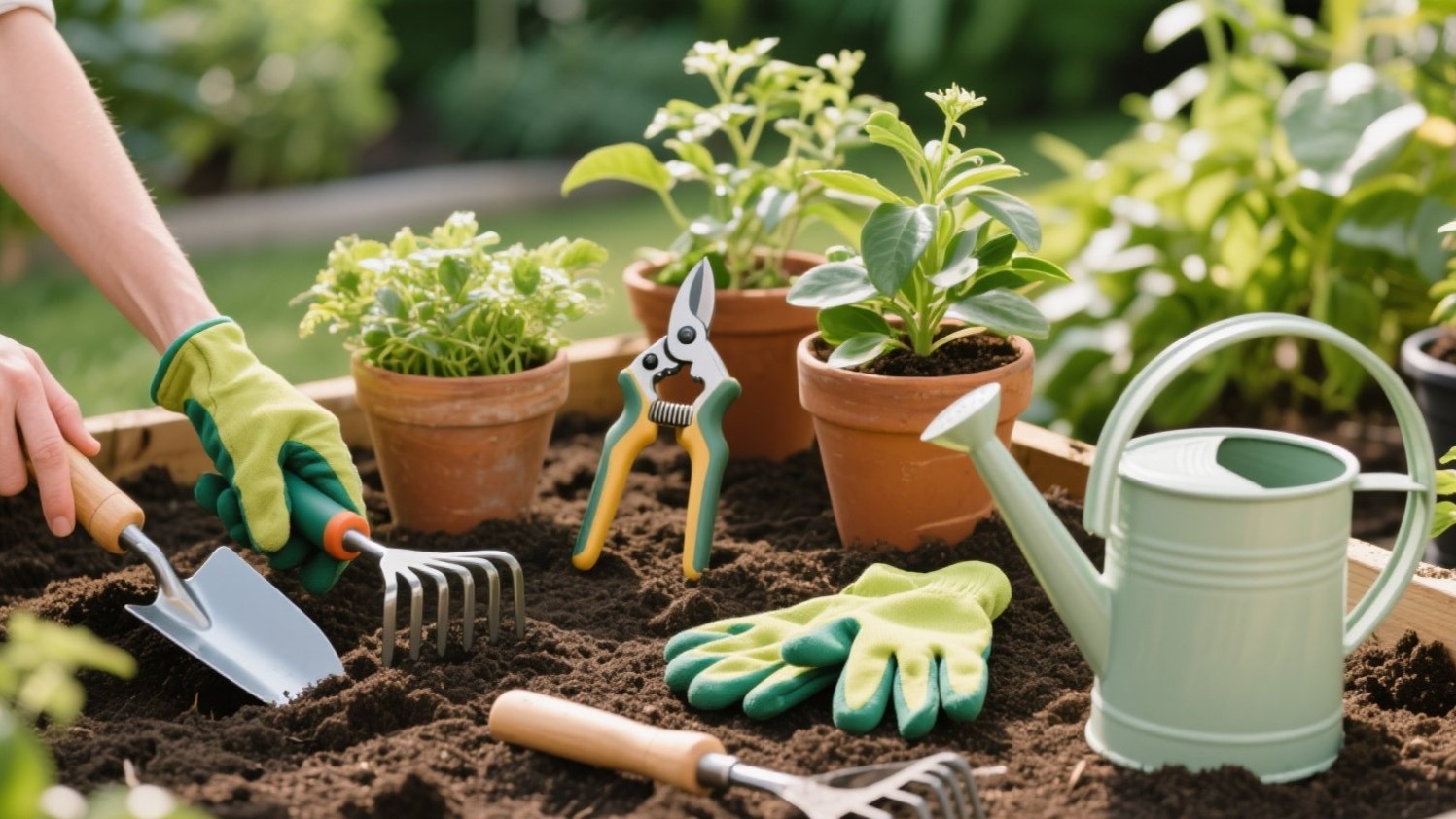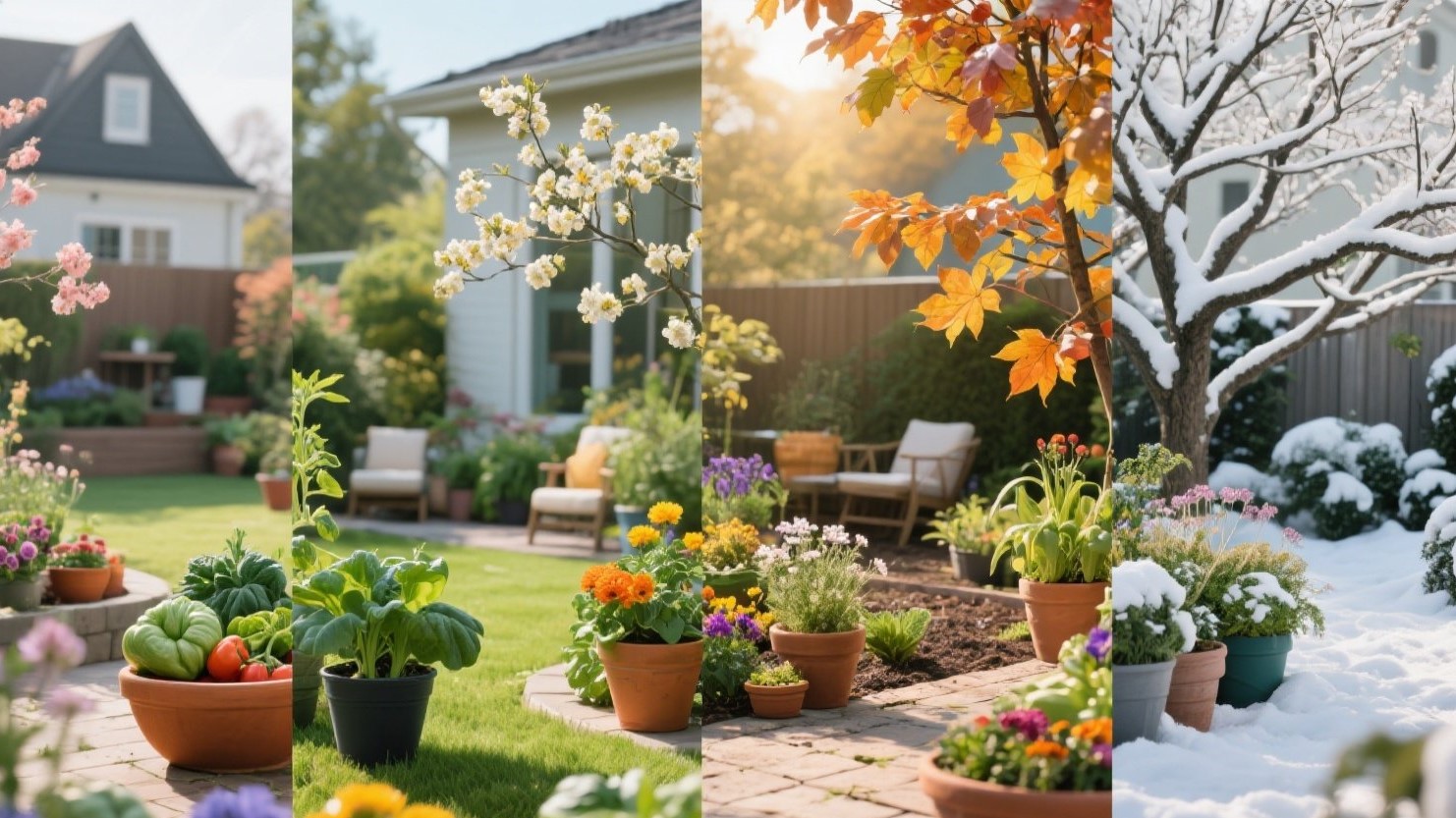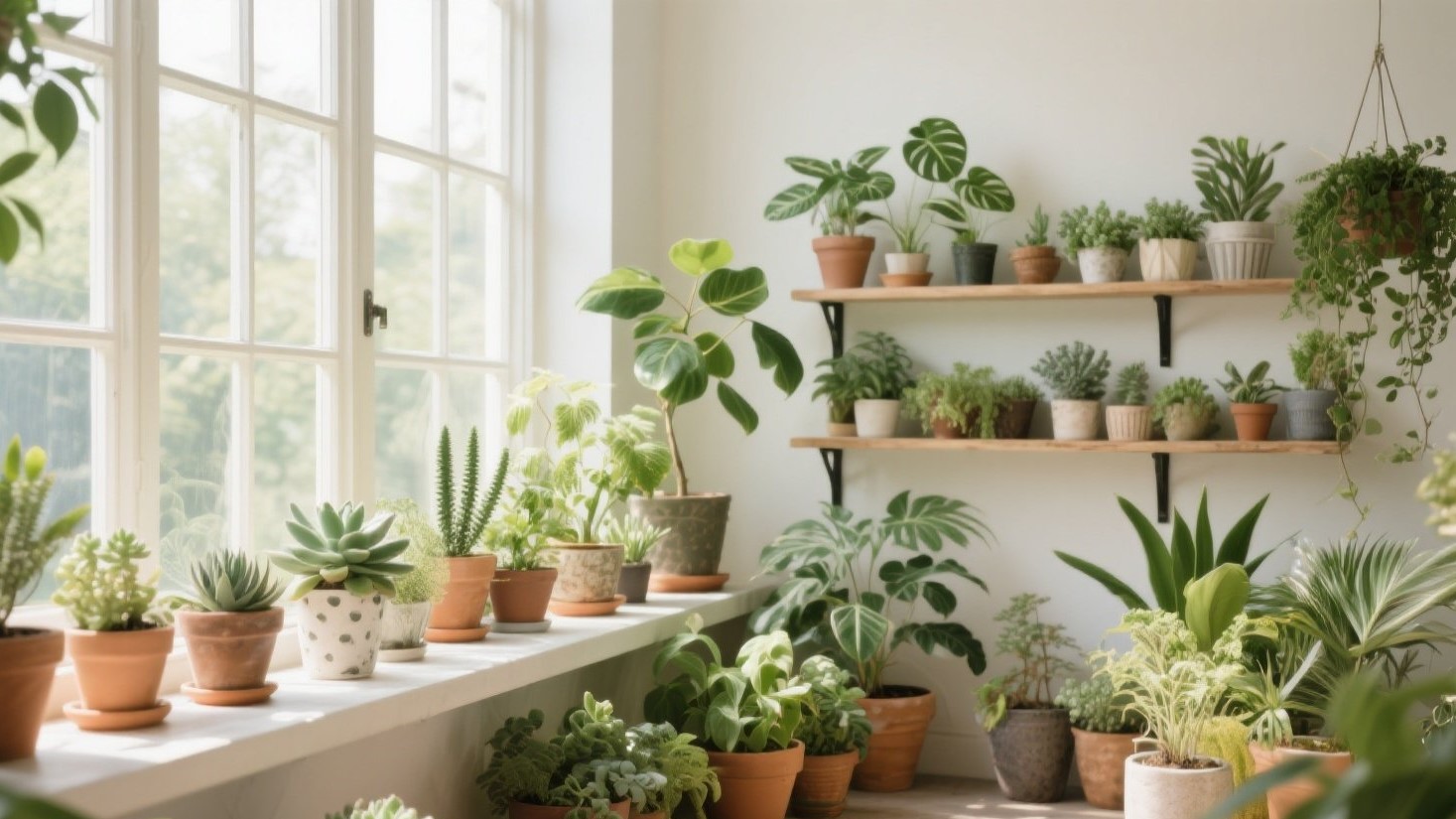
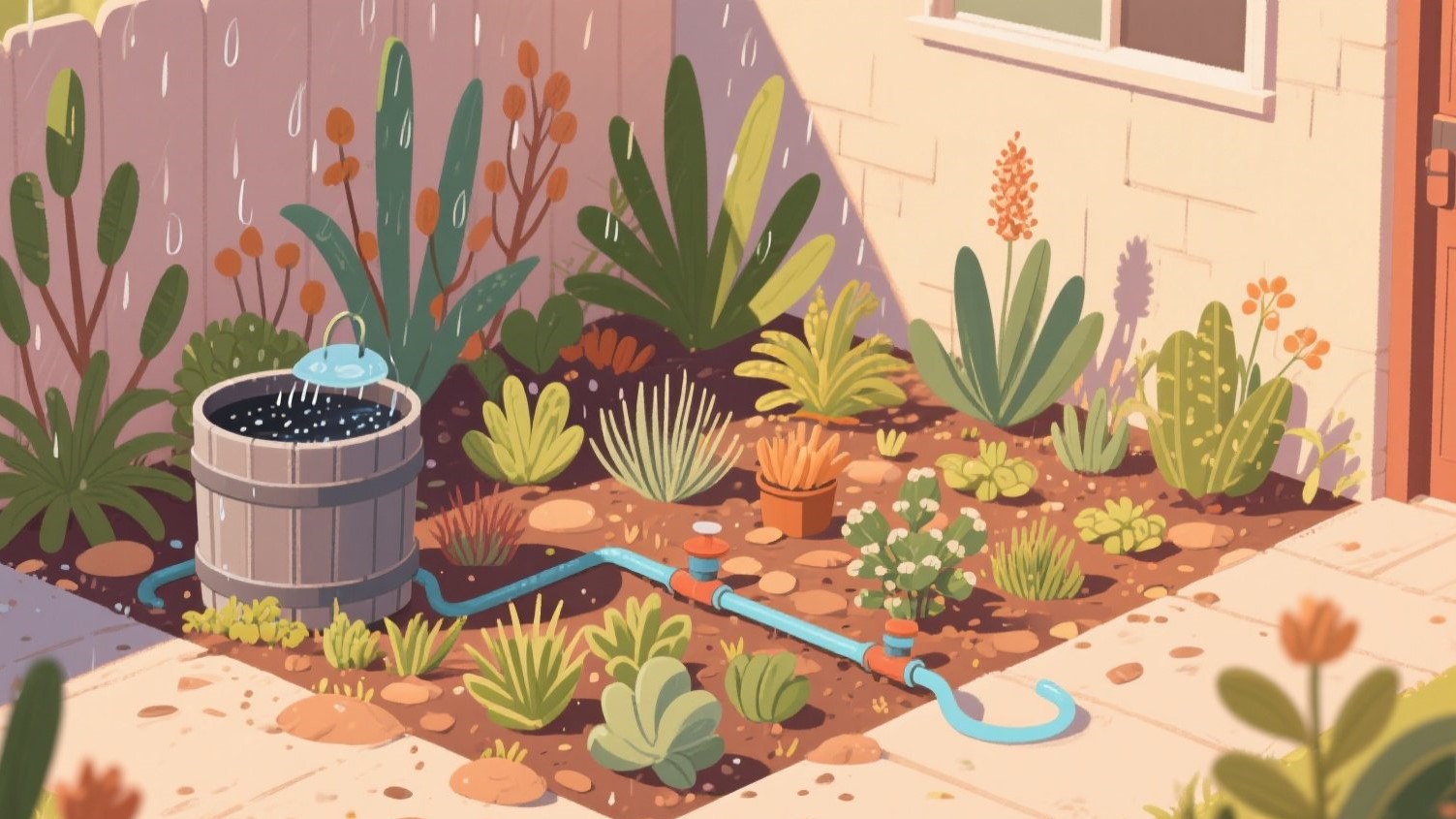
Gardening is often associated with abundance—lush lawns, overflowing flower beds, and thriving vegetable plots. But in regions facing drought, many gardeners are rethinking this approach. On r/Albertagardening, users have shared how they are intentionally scaling back planting plans, focusing on sustainability, water conservation, and mindful stewardship of their outdoor spaces.
The goal is clear: grow a garden without guilt, enjoying greenery and harvests while minimizing environmental impact.
Why Scale Back?
Drought conditions, water restrictions, and climate variability are prompting gardeners to reconsider traditional approaches. Scaling back planting plans offers several benefits:
- Conserve water: Less planting means lower irrigation needs.
- Reduce stress: Smaller gardens are easier to maintain under challenging conditions.
- Increase resilience: Drought-conscious practices help plants survive hot, dry spells.
- Promote sustainability: Thoughtful planting reduces the gardener’s water footprint and environmental impact.
As one Reddit user explained, “It’s better to have a smaller garden that thrives than a large one that struggles and wastes resources.”
Strategies for Drought-Conscious Gardening
1. Choose Drought-Tolerant Plants
Selecting plants adapted to dry conditions is one of the most effective strategies:
- Perennials: Lavender, sedum, coneflower, and yarrow thrive with minimal watering.
- Vegetables: Kale, chard, and certain peppers tolerate drier soils.
- Native plants: Local species often require less water and maintenance.
Drought-tolerant plants allow gardeners to enjoy a vibrant landscape without overwatering.
2. Reuse Water Where Possible
Every drop counts. Many gardeners implement simple ways to reuse household water:
- Graywater: Collect water from sinks, showers, or washing machines (without harsh chemicals) to irrigate plants.
- Cooking water: Cool water from boiling vegetables can nourish garden beds.
- Dishwater: Non-soapy rinses from dishes can hydrate hardy plants.
Reusing water reduces reliance on municipal supplies and keeps your plants happy.
3. Collect Rainwater
Rainwater harvesting is a sustainable and effective method:
- Install rain barrels under downspouts to collect roof runoff.
- Use large containers or cisterns to store water for later use.
- Water early in the morning or late in the evening to minimize evaporation.
This approach provides free water for your garden and reduces strain on municipal systems during dry spells.
4. Reduce Your Water Footprint
Beyond plant selection and water reuse, gardeners are adopting strategies to optimize irrigation and reduce waste:
- Mulching: Use straw, wood chips, or leaves to retain soil moisture.
- Drip irrigation: Targets plant roots efficiently, reducing evaporation and runoff.
- Group plants by water needs: Place thirsty plants together and drought-tolerant plants in low-water areas.
- Soil improvement: Incorporate compost and organic matter to increase water retention.
By thinking strategically, gardeners can grow healthy gardens with less water while respecting environmental limits.
Real-Life Insights From Reddit
- One user shared scaling back from a full vegetable plot to a few raised beds of drought-tolerant vegetables, reporting less stress and healthier plants.
- Another highlighted combining rainwater collection with drip irrigation, reducing outdoor water use by more than 50% compared to previous years.
- Multiple gardeners emphasized the mental benefit: scaling back removes guilt and pressure, allowing them to enjoy their gardens fully.
The Takeaway
Gardening under drought conditions requires intentionality, creativity, and mindfulness. By scaling back planting plans, selecting drought-tolerant plants, reusing water, collecting rainwater, and reducing your water footprint, gardeners can enjoy thriving gardens while respecting environmental limits.
The new mantra among r/Albertagardening users is clear: “Less can be more.” Focusing on thoughtful planting and water-wise practices not only conserves resources but also creates a garden that’s resilient, beautiful, and guilt-free.