🌡️ Introduction: The New Plant Challenge
For decades, plant care advice focused on surviving cold winters. But Reddit threads from 2021–2024 paint a different picture:
“My succulents fried in 42°C heat, not a single winter freeze hurt them!” – r/Houseplants user
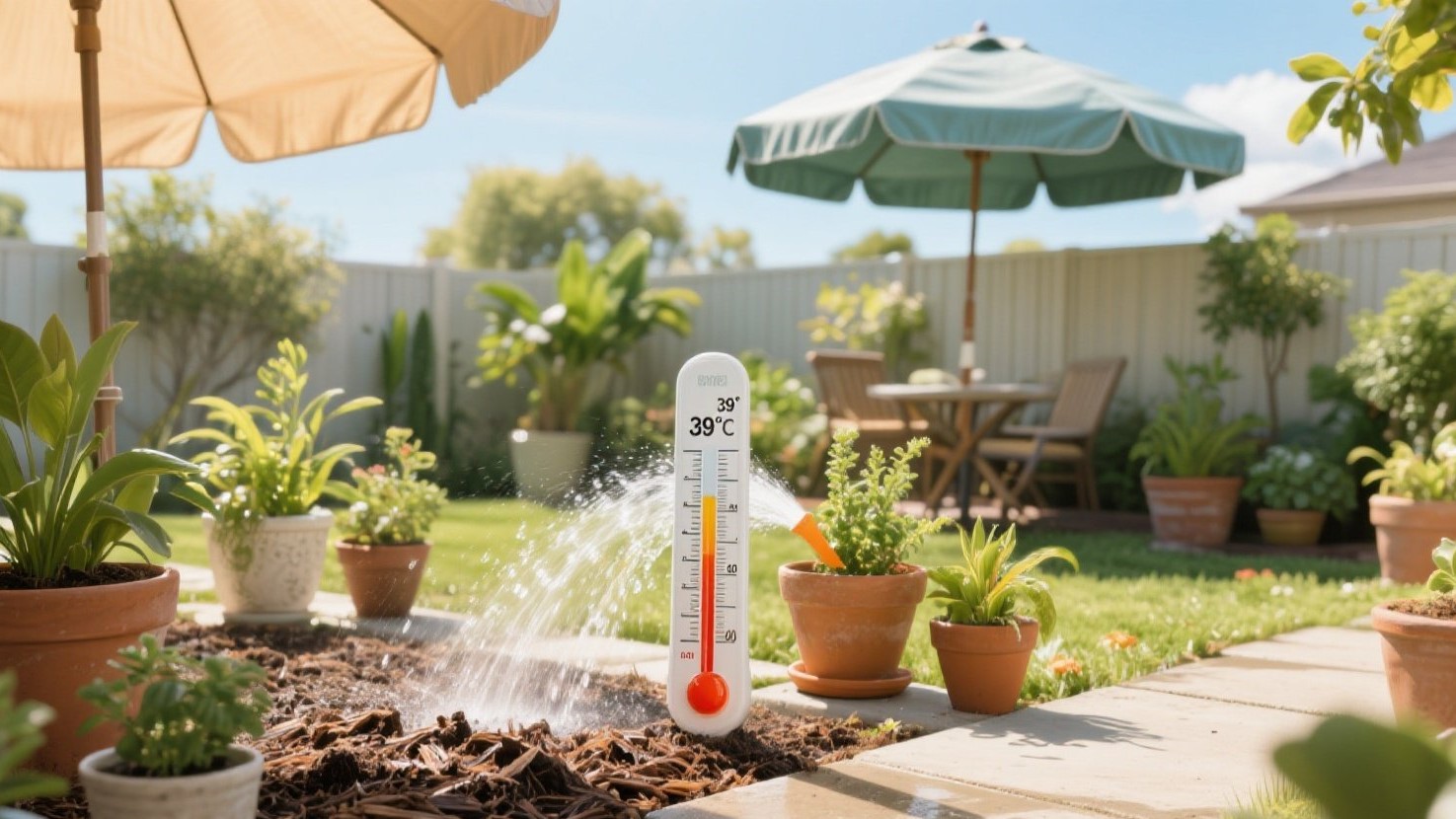
Extreme heat waves are now the primary threat to plants, especially in urban areas, heat islands, and regions experiencing climate shifts. Temperatures above 39°C can stress plants faster than drought or pests, causing leaf scorch, wilting, and root damage.
This post pulls together practical advice from horticulturists, Reddit discussions, and climate-adapted gardening guides to help you protect your indoor and outdoor plants during heat surges.
🌿 Step 1: Understand Heat Stress in Plants
Plants respond to extreme heat differently depending on type, growth stage, and soil moisture. Key effects include:
- Transpiration overload: Plants lose water faster than roots can absorb.
- Leaf scorching: Sun-facing leaves develop brown or crispy edges.
- Flower drop: Buds and blooms fall to conserve energy.
- Root stress: Overheated soil can damage fine roots and microbial activity.
Redditors often note:
“My basil wilted by noon even though I watered it at 8 AM — classic heat stress.”
💡 Tip: Heat waves aren’t just sunny days — high night-time temperatures prevent recovery, compounding stress.
💧 Step 2: Hydration Strategy
Watering isn’t just quantity; it’s timing and method. Reddit gardeners share these effective strategies:
- Water early in the morning
- Reduces evaporation and allows plants to absorb water before peak heat.
- Deep watering
- Ensures soil moisture reaches roots rather than only wetting the surface.
- Avoid midday watering
- Sun hitting wet leaves can cause leaf burn.
- Mulching outdoor pots and garden beds
- Use bark chips, straw, or organic mulch to retain soil moisture and cool roots.
💬 Reddit insight:
“A simple 3–4 cm mulch layer cut watering needs in half during 40°C spells.”
🪴 Step 3: Shade and Shelter
Extreme sun is a primary cause of heat damage. Protect plants by creating microclimates:
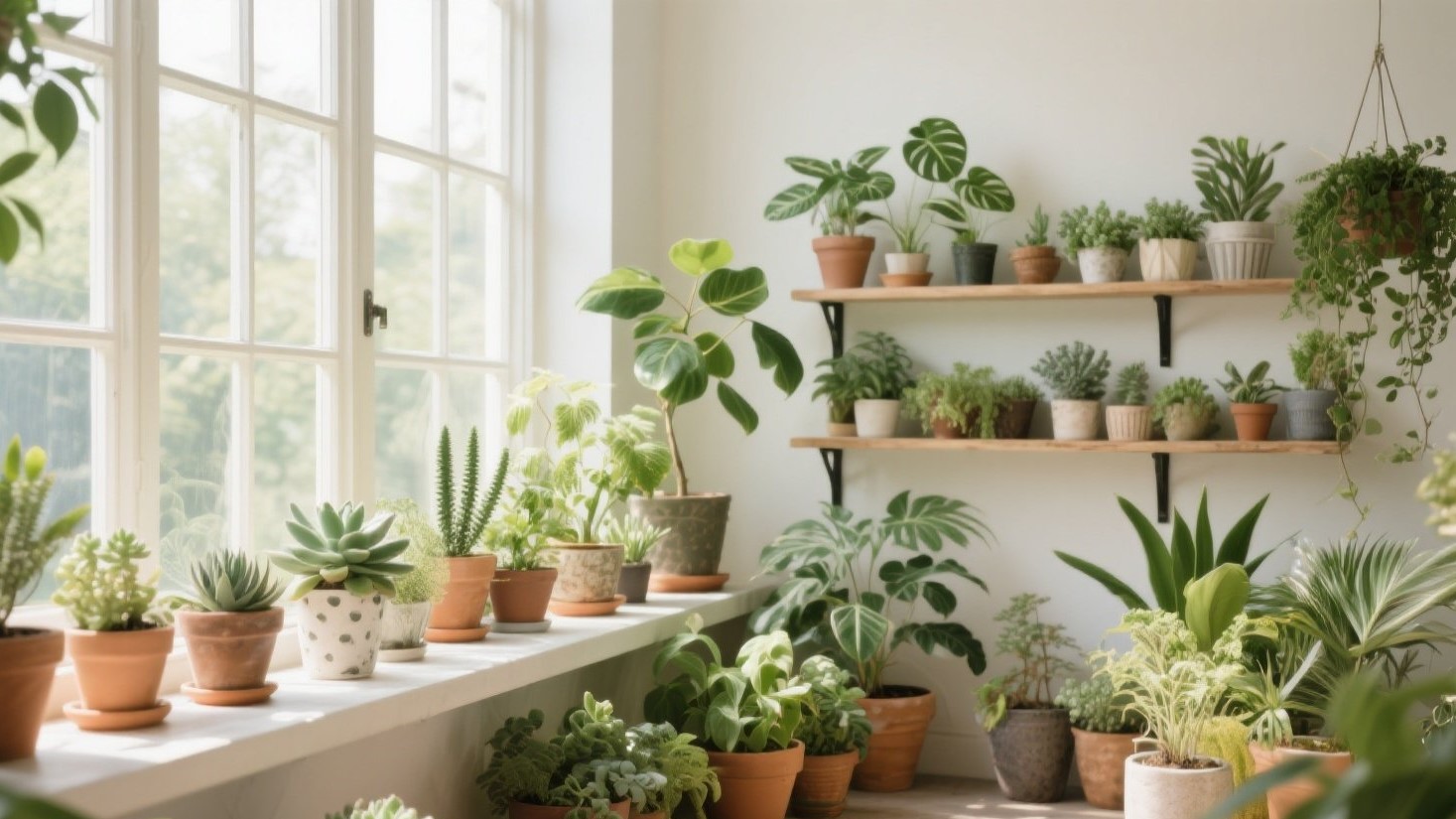
- Move pots to shaded areas or under awnings.
- Temporary shade cloths or umbrellas for garden beds.
- Indoor windowsill adjustments — rotate plants away from direct afternoon sun.
- Heat-reflective surfaces — avoid placing pots on dark concrete during peak heat.
“I draped a light sheet over my outdoor tomatoes for two afternoons, and they recovered fully.” – Reddit user
🌱 Step 4: Soil and Container Considerations
Heat waves affect soil temperature as much as air temperature. Consider:
- Lighter-colored pots to reflect heat instead of absorbing it.
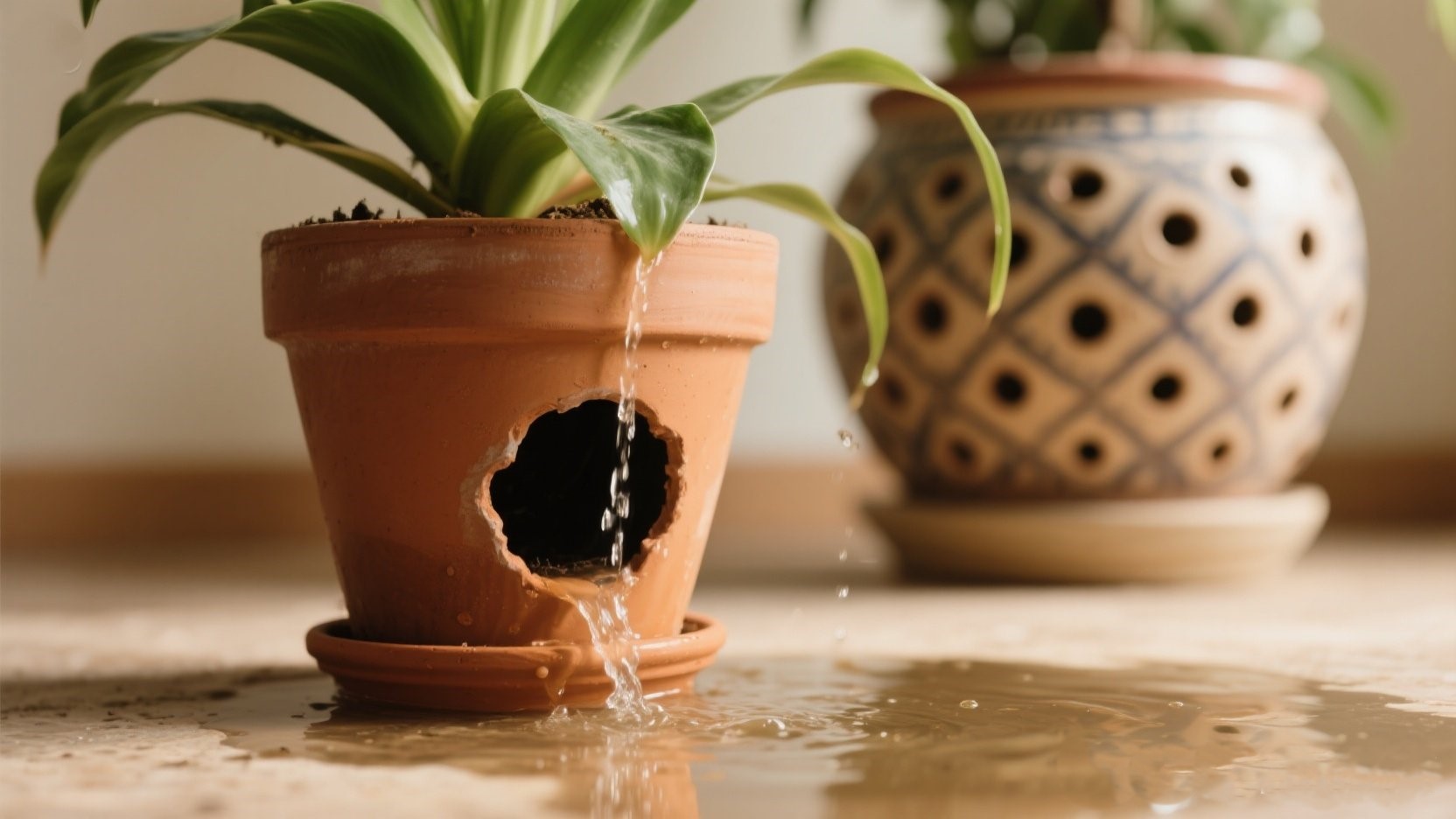
- Terracotta or porous pots for slow moisture release, but ensure frequent hydration.
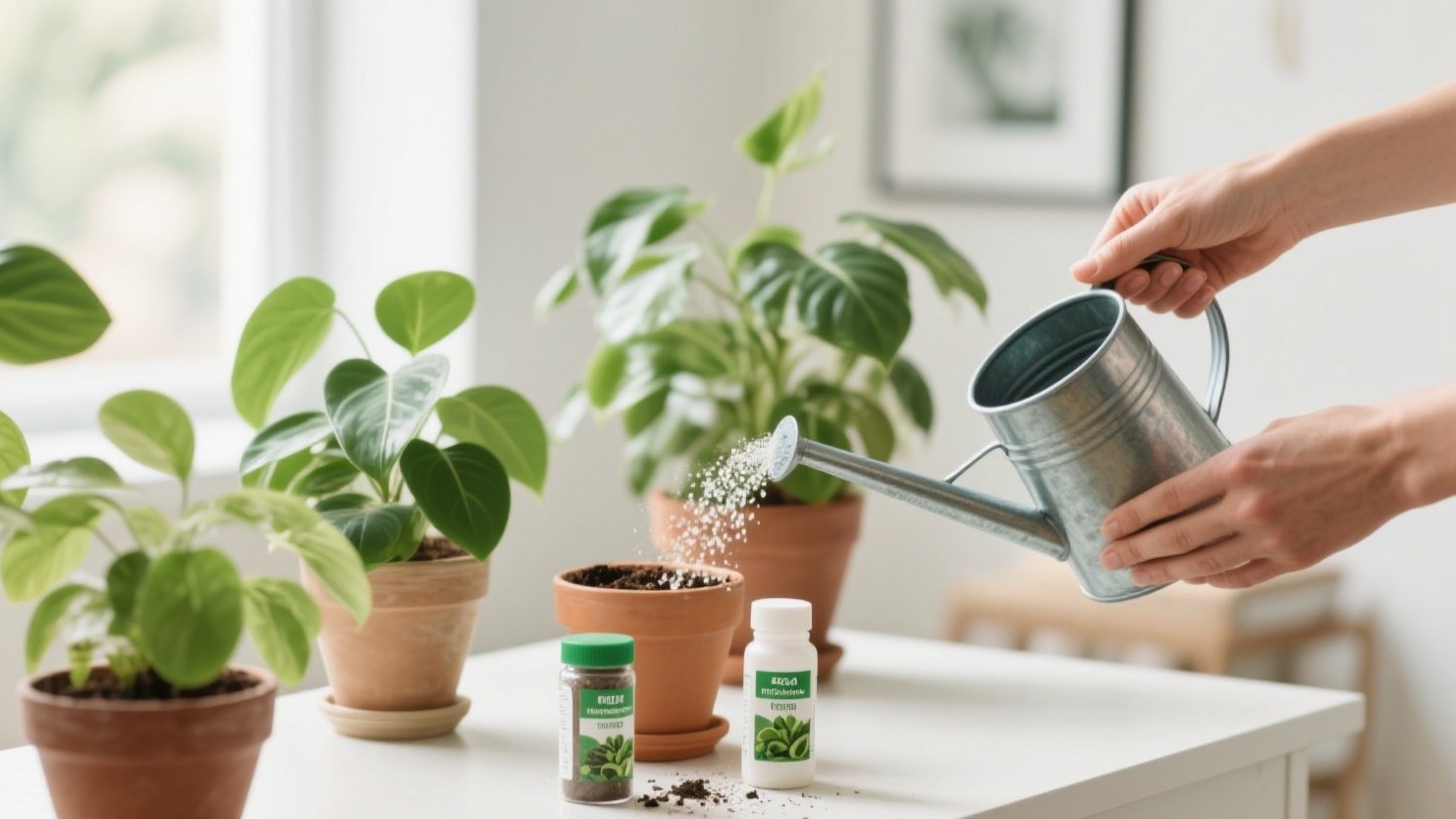
- Soil additives: perlite, vermiculite, or coir retain moisture without waterlogging.
💡 Reddit tip:
“Switched to a 50/50 mix of potting soil and coir for my heatwave-susceptible herbs — they survived 43°C without leaf scorch.”
🧴 Step 5: Leaf Care and Cooling
Sometimes protection means direct cooling:
- Misting (sparingly) — increases humidity but avoid overdoing; wet leaves + sun = burn risk.
- Anti-transpirant sprays — forms a protective layer that reduces water loss.
- Remove damaged leaves — prevents further stress and directs energy to healthy growth.
“After a 39°C surge, I pruned scorched leaves, and the plant bounced back within a week.”
🔄 Step 6: Long-Term Climate Adaptation
Heat waves aren’t occasional anomalies anymore — they’re recurring challenges. Reddit users and climate-conscious gardeners recommend:
- Select heat-tolerant species — succulents, native grasses, Mediterranean herbs.
- Cluster plants — reduces exposure and creates humidity pockets.
- Use raised beds or ventilated planters — improves airflow and reduces soil overheating.
- Plan for indoor relocation — portable pots can be moved indoors temporarily during extreme heat.
“I rotated plants seasonally based on historical heat data; survival rates jumped 80%.”
💡 Step 7: Recognize Warning Signs Early
Knowing when a plant is stressed can prevent irreversible damage:
- Drooping leaves during peak heat (reversible with water and shade).
- Browning leaf edges (sunburn indicator).
- Curling leaves or buds dropping (heat-induced stress).
- Soil so dry it pulls away from pot edges (root dehydration).
Early intervention is key. A few hours’ delay during 39°C+ conditions can mean permanent leaf or root damage.
🍃 Step 8: Key Takeaways
- Heat waves are the primary plant threat, not winter.
- Proper hydration, timing, shade, and soil management prevent stress.
- Invest in heat-tolerant plants and plan relocations for extreme days.
- Microclimate adjustments, mulching, and reflective surfaces are simple but effective.
- Observe early stress signals — fast action saves plants.
Reddit consensus: “Winter kills less plants than summer. After surviving a 42°C wave, everything else feels easy.”