💡 Introduction: The Prune vs. Pinch Confusion
Many gardeners instinctively reach for shears to prune plants, believing more cutting equals better growth. But there’s a subtle, game-changing alternative: pinching tender tips.
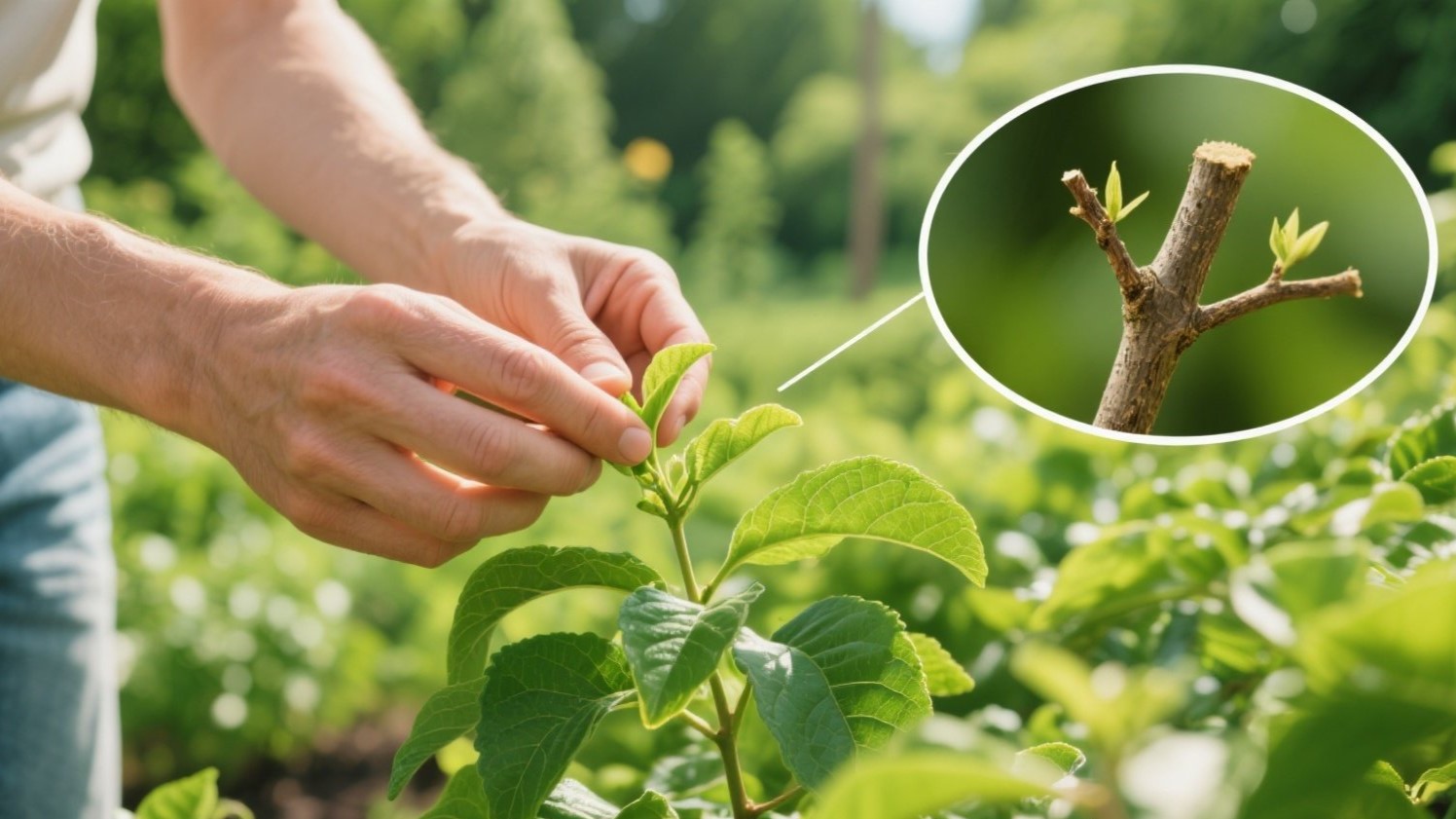
Pinching involves removing only the soft, young growth with your fingers, rather than cutting older stems. It’s a gentle technique that encourages bushier, healthier plants and improves overall vigor — without the shock that heavy pruning can cause.
In this guide, we’ll explain the difference between pruning and pinching, show how and when to pinch, and highlight why it’s often the secret to lush, full plants.
🧭 Pinching vs. Pruning: What’s the Difference?
| Technique | How It’s Done | When to Use | Effect on Plants |
|---|---|---|---|
| Pruning | Cut larger or older branches/stems with scissors or shears | To remove dead or diseased growth, control size | Can slow growth temporarily, reshapes structure |
| Pinching | Snap off tender tips with fingers | During active growth on soft stems | Encourages branching, creates bushier growth, faster recovery |
🌱 Key Insight: Pinching is preventive and formative, pruning is corrective and structural. Most gardeners over-prune when they could simply pinch.
🧭 How to Pinch for Bushier Plants
Step 1: Identify the Tender Tips
- Look for new, soft stems and leaf tips at the top of shoots.
- Avoid woody or fully matured stems; pinching older wood can stress the plant.
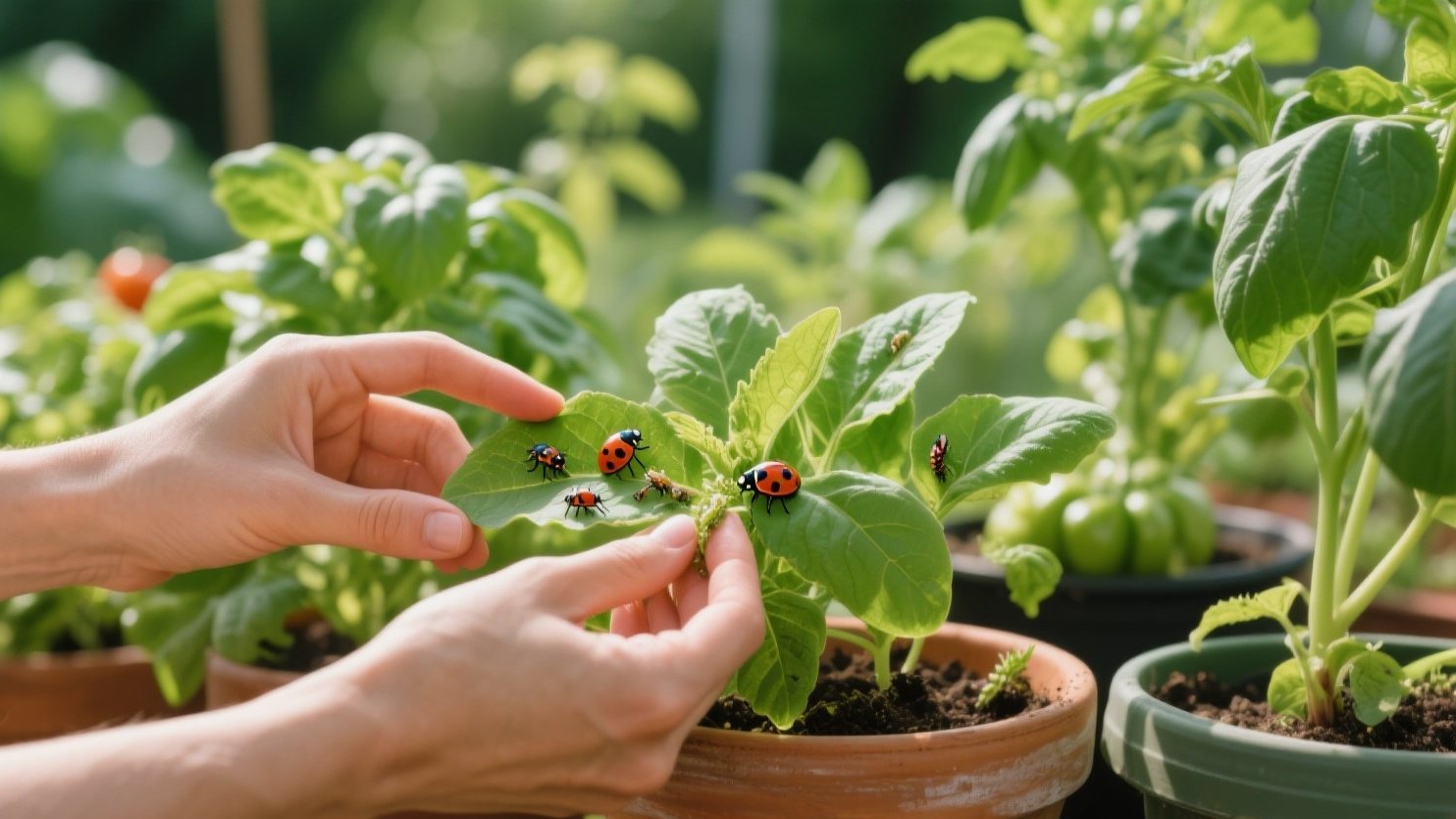
Step 2: Pinch With Fingers
- Use your thumb and forefinger to snap or pinch off 0.5–1 inch of the tip.
- Do it cleanly to avoid tearing the stem.
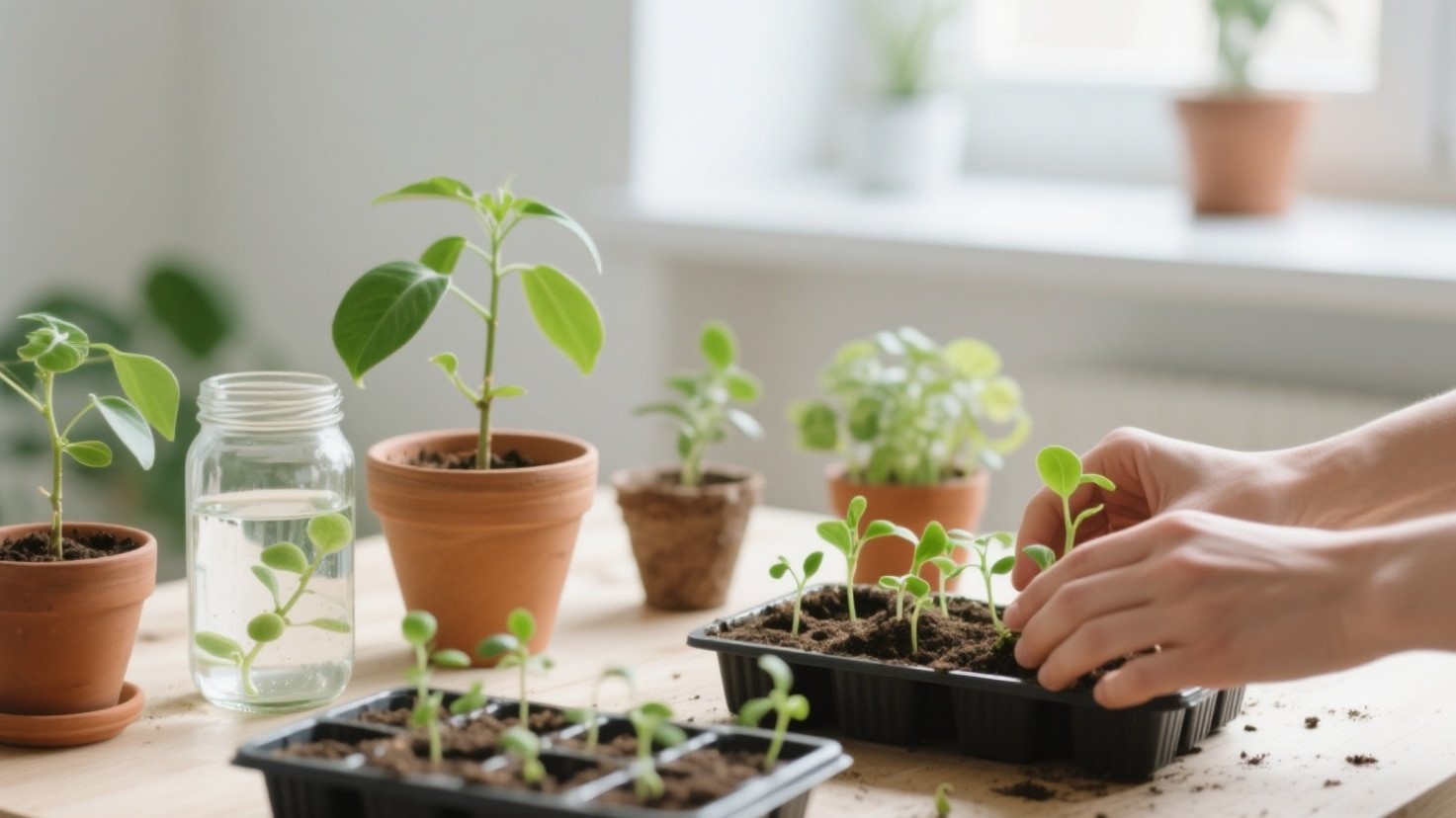
Step 3: Encourage Multiple Branches
- Pinching forces the plant to redirect energy from vertical growth to lateral branching, producing fuller foliage.
Step 4: Repeat as Needed
- Regularly monitor your plants and pinch new tips during active growth periods.
- Avoid over-pinning, which can stress the plant.
🧭 Timing & Seasonal Tips
- Spring & Early Summer
- Best for most annuals and perennials; promotes vigorous seasonal growth.
- Herbs
- Basil, mint, and oregano benefit greatly from pinching; encourages leafy harvests.
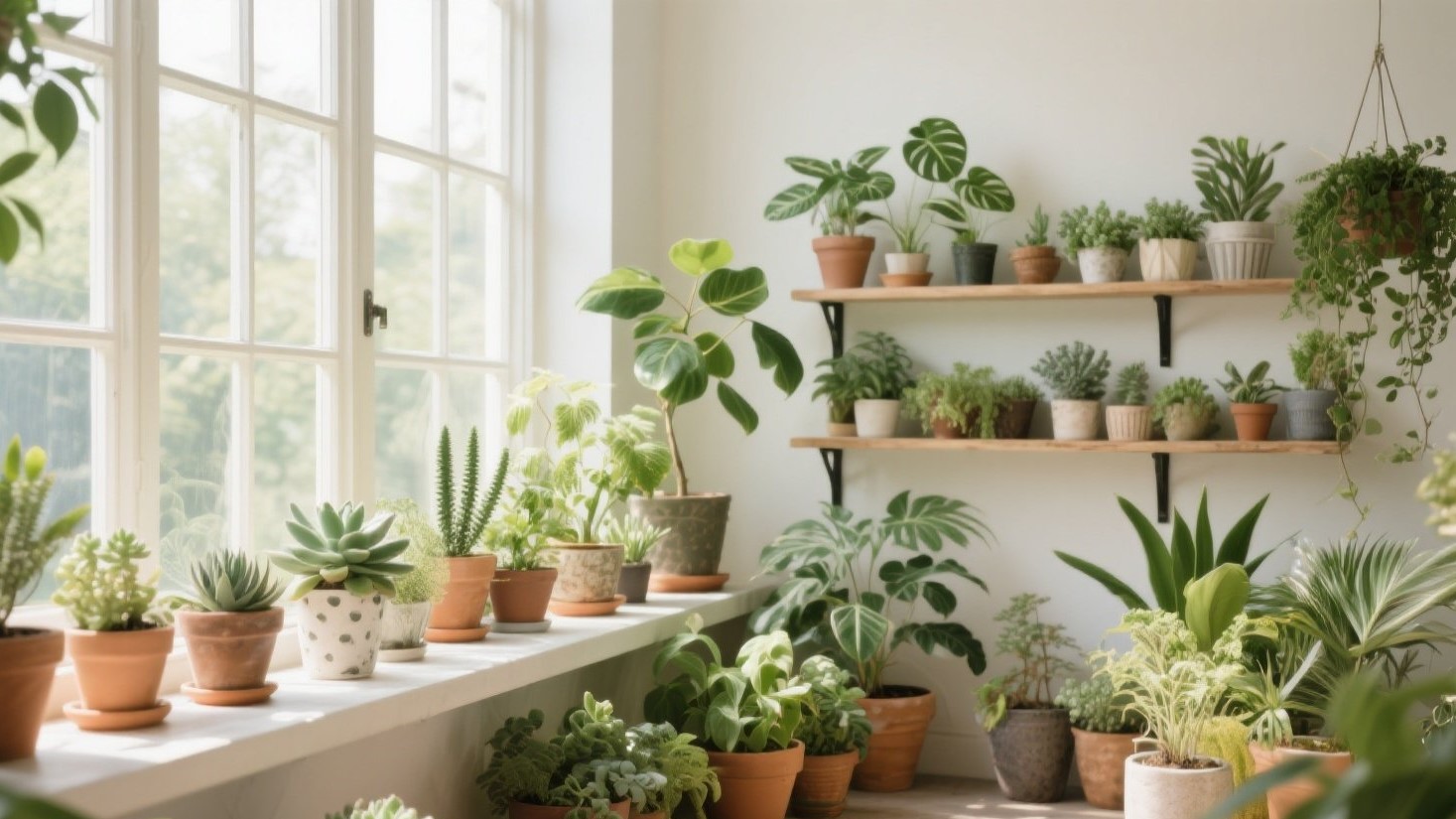
- Houseplants
- Pinch tender tips of pothos, coleus, or schefflera to maintain bushy indoor shapes.
- Flowering Plants
- Pinching can delay early blooms slightly, but results in more flowers overall later.
🧭 Benefits of Pinching Over Pruning
- Bushier, Denser Growth: Plants fill out faster without relying on vertical elongation.
- Less Shock: Gentle removal reduces stress compared to cutting large stems.
- Faster Recovery: Pinched stems recover quickly and produce new shoots sooner.
- Cost-Free Gardening: No tools needed; just your fingers.
- Better Airflow: Encourages a healthier plant structure that resists disease.
🌿 Pro Tip: Combine light pinching with occasional pruning for optimal plant shape and health.
💬 Why This Technique Matters
Pinching transforms ordinary, leggy plants into lush, attractive, and productive specimens. Many gardeners skip this simple step, opting for pruning too early or too heavily. Understanding the difference and applying tip-pinching correctly can make the difference between a sparse plant and a thriving, full garden display.
✨ Perspective: Sometimes, the gentlest touch — just a pinch — produces the strongest results.
🌟 Final Thoughts
The pinch-over-prune approach is a small habit with big rewards. By selectively removing tender tips, gardeners can guide plants toward bushier growth, healthier structure, and fuller foliage — all without heavy-handed pruning or expensive interventions.
🌿 Keep your fingers busy, and your plants will thank you with fuller, happier growth.