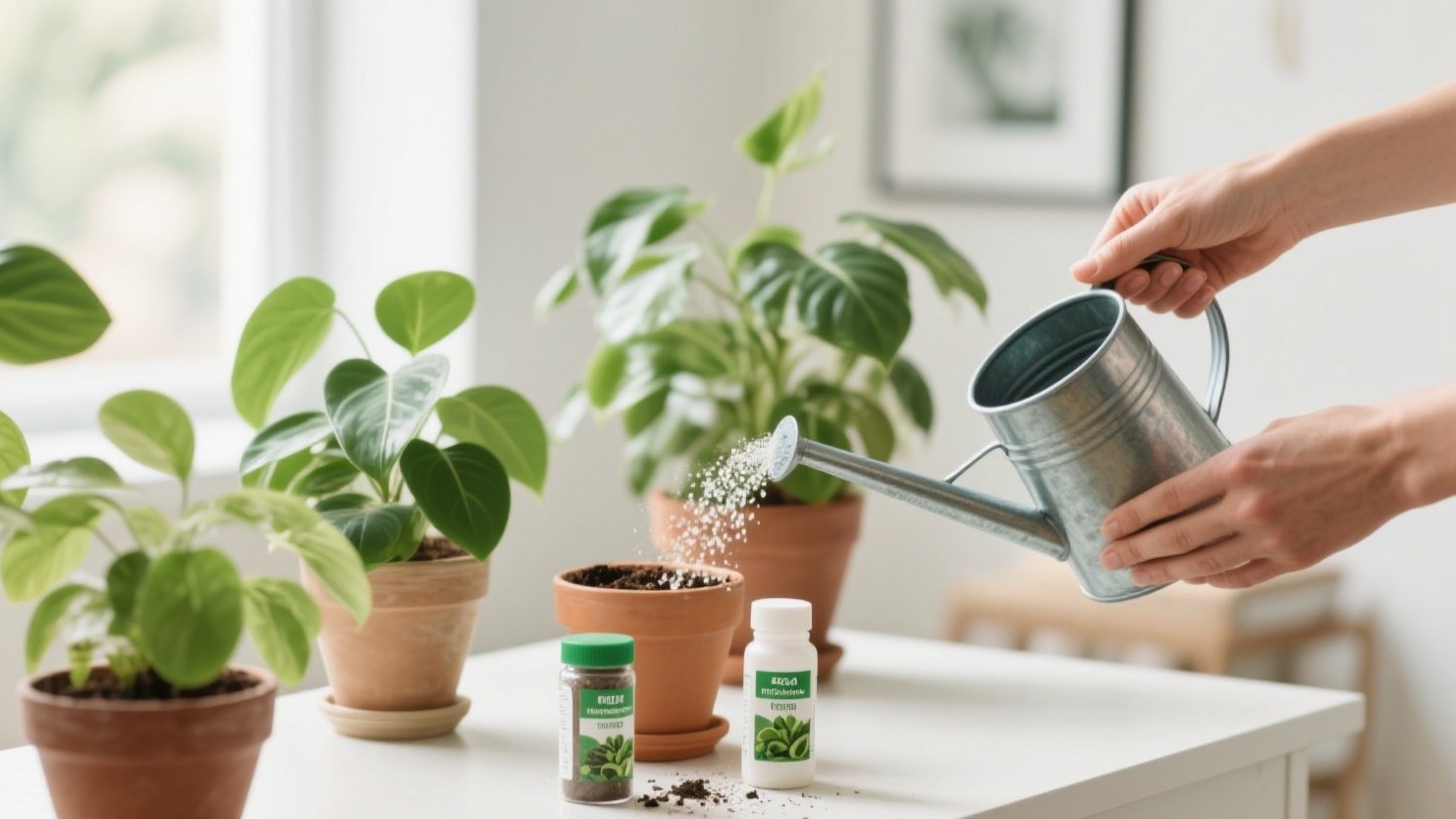
Overwatering is one of the most common mistakes for indoor plant owners. Even experienced gardeners occasionally misjudge when a plant actually needs water. But there’s an ultra-simple method that cuts out the guesswork: the weight test.
Instead of poking soil, checking color, or relying on a schedule, this method uses your hands — literally — to gauge when it’s time to water. It’s precise, repeatable, and can save your plants from stress, root rot, and other water-related problems.
What Is the Weight Test?
The principle is simple:
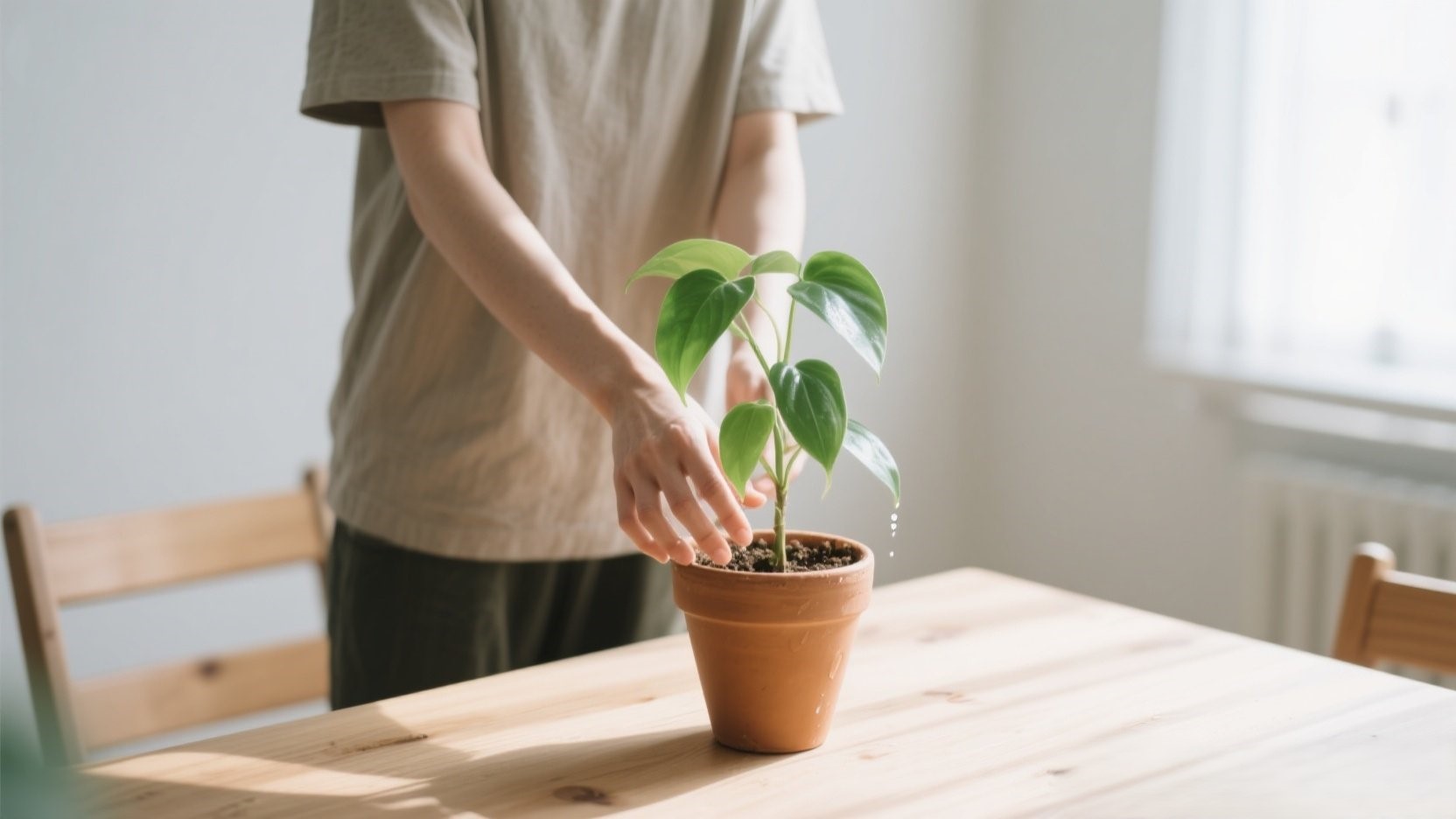
Lift the pot. If it feels light, it’s time to water. If it feels heavy, wait.
Why it works:
- Wet soil is dense and heavier; dry soil is lighter.
- This test accounts for pot size, soil type, and plant size automatically.
- It eliminates reliance on vague cues like “soil looks dry” or “it’s been a week.”
How to Do the Weight Test
Step 1: Establish a Baseline
- Water your plant fully.
- Lift the pot and memorize or note the weight (or the feel) when the soil is thoroughly wet.
- Over time, you’ll develop a mental “heft map” for each plant.
Step 2: Check Regularly
- Pick up the pot periodically (every few days for most indoor plants).
- Compare its weight to the baseline.
Step 3: Water When Light
- When the pot feels significantly lighter, it’s time to water.
- Avoid waiting until soil is bone dry — some plants prefer slightly moist soil.
Step 4: Adjust for Plant Type
- Succulents and cacti: prefer soil to dry almost completely.
- Tropical foliage plants: like consistent moisture but avoid soggy soil.
- Each plant type will have a slightly different weight “baseline” for optimal watering.
Benefits of the Weight Test
- Reduces Overwatering
The most common indoor plant killer is root rot from excess water. The weight test prevents guessing. - Saves Water and Effort
You only water when needed — no waste, no unnecessary trips to the sink. - Teaches Plant Awareness
Over time, you’ll instinctively know your plant’s rhythm and moisture cycle. - Works With Any Pot or Soil
Large ceramic pots, small plastic pots, cacti, or ferns — the test is universal.
Pro Tips
- Use the same hand each time to lift the pot for a more consistent feel.
- For heavy or large pots, lift just enough to feel weight shift rather than the full pot.
- Combine with visual cues (soil surface dryness, leaf health) for extra accuracy.
- Keep a small notebook if you have many plants to track weight cues for each.
Common Mistakes
- Watering based on calendar alone: Different plants and seasons require different schedules.
- Assuming surface dryness equals dryness at roots: Soil can look dry while deeper layers are wet.
- Lifting too infrequently: Waiting too long can stress plants and stunt growth.
Final Thoughts
The weight test is simple, reliable, and intuitive. With a little practice, you can:
- Prevent overwatering
- Maintain healthy roots
- Save time, water, and stress
By using your hands and paying attention to your plants, you’ll develop an instinct that no timer or schedule can replace. Lift, feel, and water — it’s that easy. 🌿