Introduction: A Garden That Grows — Not One You’re Constantly Weeding 🌾
Every gardener dreams of a lush, thriving garden — but weeds can make it feel like a constant battle. They steal sunlight, nutrients, and water from your plants, turning gardening joy into frustration. The good news? You don’t need harsh herbicides or endless hours of back-breaking work to win the war on weeds.
This guide will show you how to control weeds naturally using proven, sustainable techniques like mulching, hand-weeding, ground covers, and smart plant spacing. These methods not only reduce weeds but also promote soil health and biodiversity — helping your garden flourish naturally, season after season. 🌿
Understanding Weeds: Why They Grow in the First Place 🌱
Before tackling weeds, it helps to understand why they appear. Weeds are nature’s way of covering bare soil. Whenever soil is left exposed, weed seeds (which are already in the ground or carried by wind, animals, or rain) quickly germinate to fill the space.
So, the trick to natural weed control isn’t just removing weeds — it’s about preventing them from getting what they want: open, exposed soil.
1. Mulching: Nature’s Protective Blanket 🍂
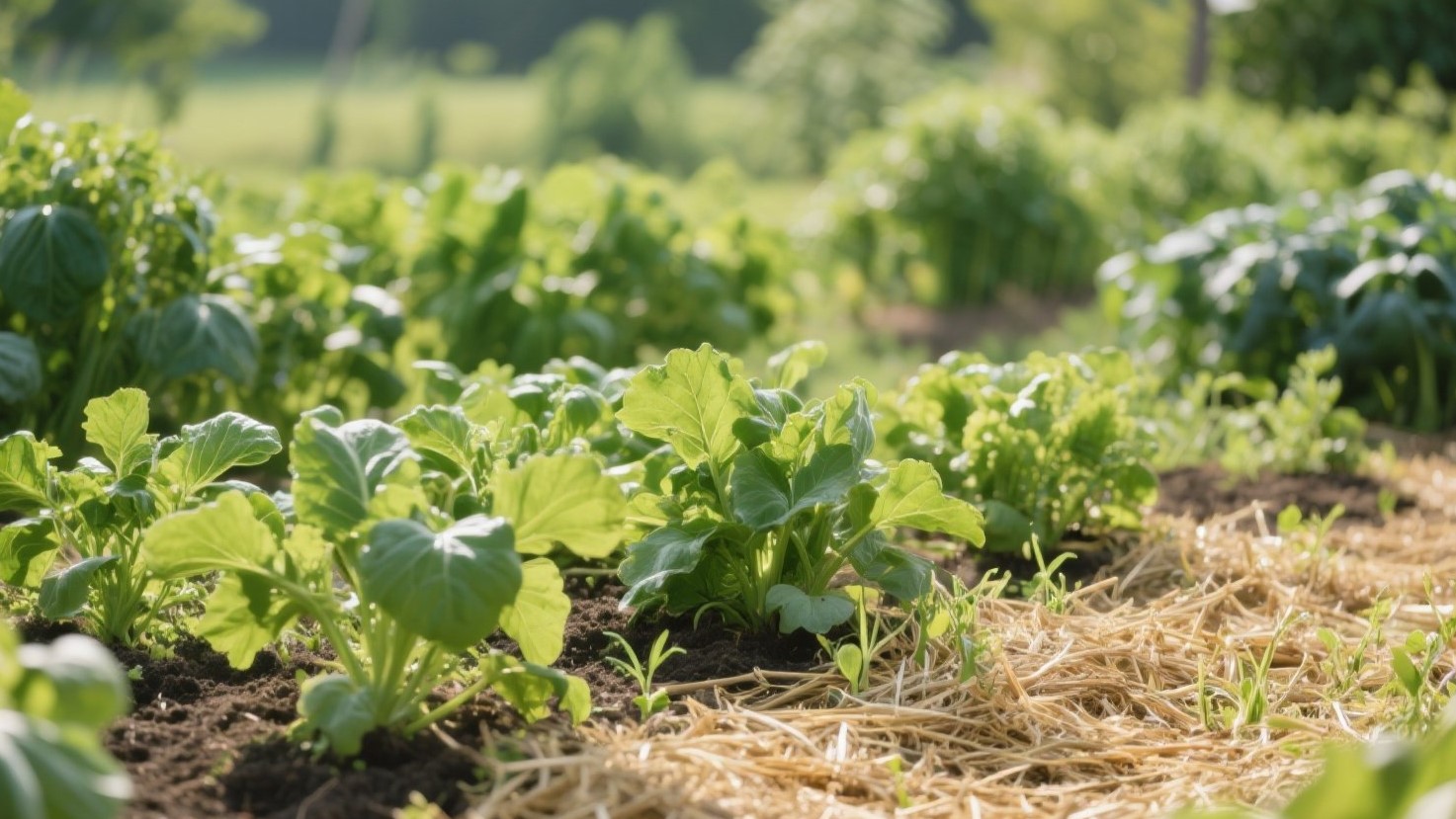
Mulching is one of the simplest and most effective ways to reduce weeds naturally. A thick layer of mulch blocks sunlight from reaching weed seeds, preventing them from sprouting.
How to do it effectively:
- Spread 2–4 inches of organic mulch (like shredded bark, straw, or compost) around your plants.
- Keep mulch a few inches away from stems to prevent rot.
- Replenish the layer once or twice a year, as organic mulch breaks down naturally and enriches the soil.
Bonus tip: Use cardboard or newspaper under mulch for extra protection — it creates a physical barrier weeds can’t penetrate.
2. Hand-Weeding: Quick, Targeted, and Effective 🧤
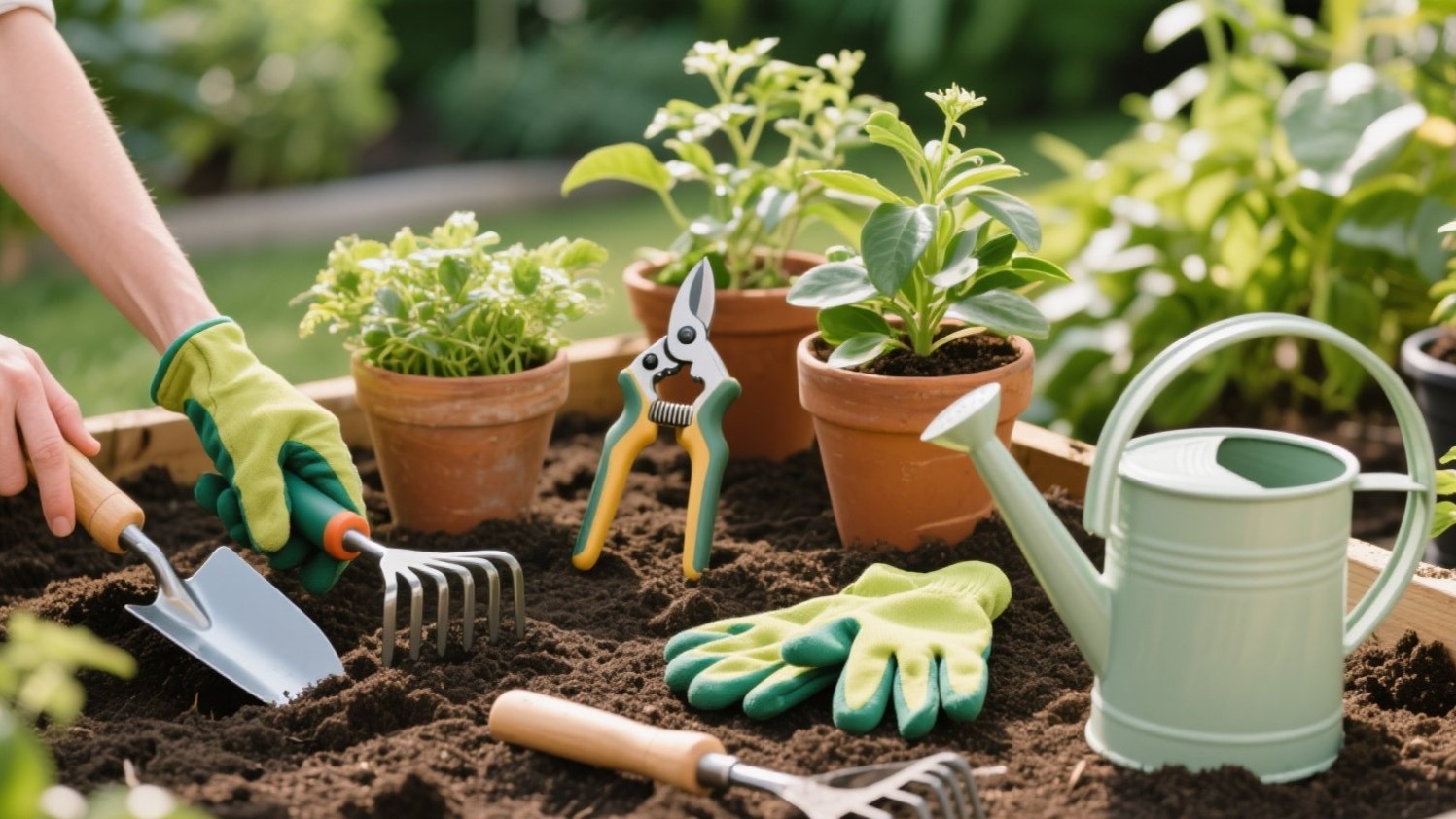
Sometimes, the old-fashioned way is still the best. Hand-weeding is especially effective when done consistently and strategically.
Tips for easier weeding:
- Weed after rain or watering, when the soil is soft and roots come out easily.
- Grasp from the base and pull gently to remove the entire root.
- Don’t let weeds flower — remove them before they set seed.
To make it easier on your body, use ergonomic tools or a small kneeling pad. A few minutes each week goes a long way toward keeping things manageable.
3. Ground Covers: Living Mulch that Works Year-Round 🌼
Ground covers like clover, creeping thyme, or low-growing sedum act as “living mulch.” They form dense mats that suppress weed growth while also adding beauty and soil benefits.
Why they’re great:
- They block sunlight from reaching weed seeds.
- Their roots stabilize the soil and prevent erosion.
- Many attract pollinators and beneficial insects.
Best use:
Plant ground covers between raised beds, under shrubs, or in areas you rarely walk through. Over time, they’ll crowd out most weeds naturally.
4. Smart Plant Spacing: Outcompete the Weeds 🌸
Weeds thrive where there’s empty space — so make sure your garden doesn’t give them any. Proper plant spacing allows your chosen plants to grow large and healthy enough to form a natural canopy, shading the soil and making it harder for weeds to sprout.
Practical spacing tips:
- Follow recommended spacing on seed packets but lean toward closer planting when possible.
- Combine tall, broad-leaved plants (like sunflowers or squash) with low growers (like herbs or lettuce) to cover more ground.
- In vegetable gardens, succession planting — replanting quick crops like radishes or lettuce right after harvest — helps keep soil covered year-round.
5. Build Healthy Soil: The Long-Term Solution 🌿
Healthy, well-balanced soil is the best long-term defense against weeds. When your soil is rich in nutrients and organic matter, your plants grow stronger, leaving fewer resources for weeds.
How to build better soil naturally:
- Add compost regularly to boost fertility.
- Avoid over-tilling — it can bring dormant weed seeds to the surface.
- Maintain good moisture levels with mulch and organic matter.
Over time, your soil will become more balanced, and weed problems will gradually lessen.
6. Be Consistent: Small Steps, Big Payoff 🕰️
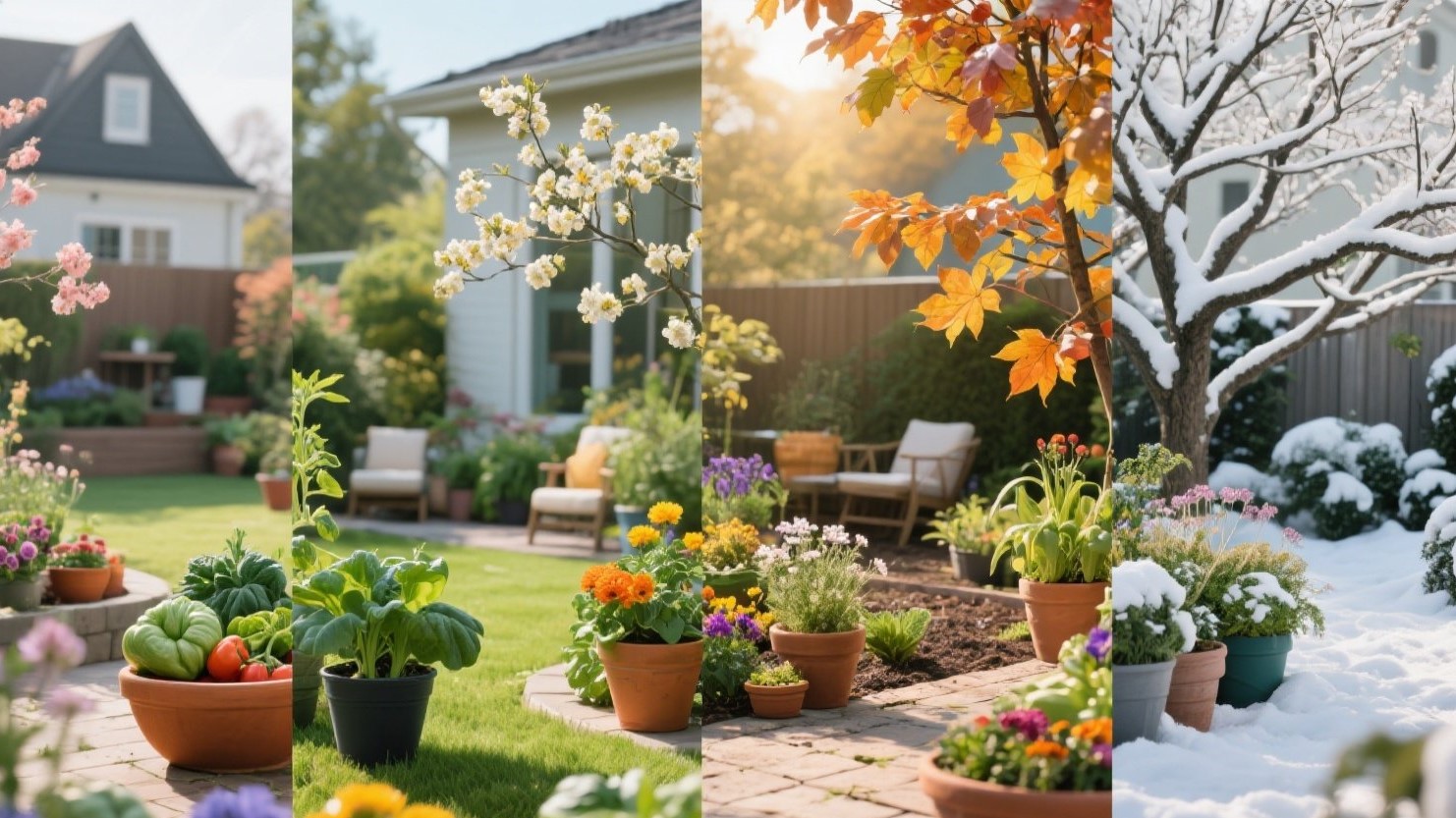
Weed control isn’t a one-time task — it’s a rhythm. A few minutes of care each week will prevent big problems later. Think of it as part of your garden’s natural cycle, not a chore.
By combining methods — mulch for prevention, hand-weeding for maintenance, and ground covers for long-term control — you’ll create a garden that practically takes care of itself.
Final Thoughts: Let Nature Work With You, Not Against You 🌼
Weeding doesn’t have to be endless or chemical-heavy. When you work with nature — protecting your soil, planting smartly, and keeping things covered — weeds lose their advantage. Your garden stays greener, your soil gets healthier, and your weekends stay freer.
Remember: the goal isn’t a weed-free garden — it’s a balanced one where your plants thrive naturally. 🌱🌸