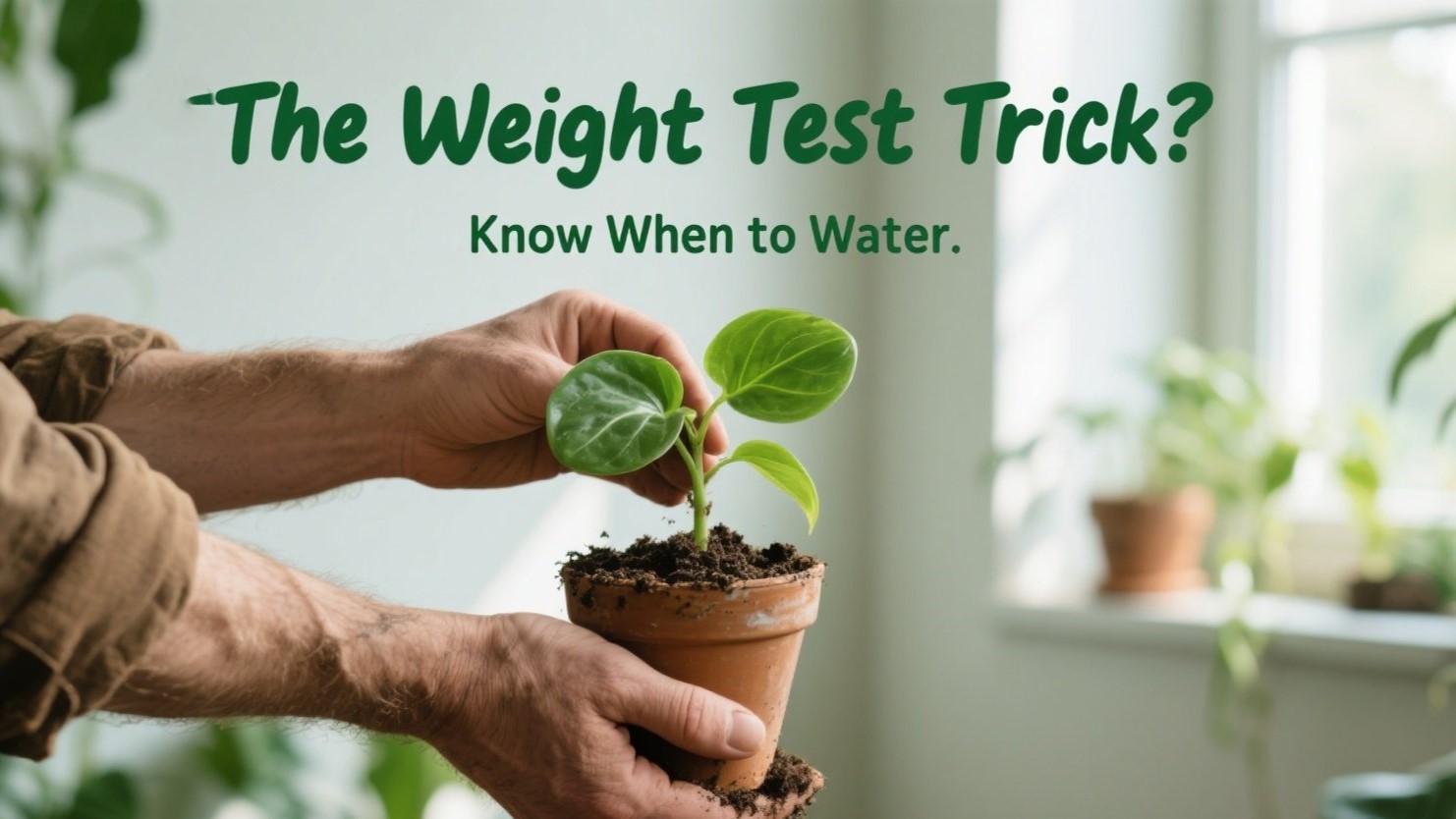
💧 Introduction: Why Guessing Hurts Your Plants
One of the most common mistakes new gardeners make is overwatering — not underwatering. Plants don’t need water on a fixed schedule; they need it based on moisture levels. Unfortunately, simply looking at the soil surface doesn’t tell the full story. Beneath that top layer, roots might still be damp — or already drying out.
Enter the “weight test”, a simple, no-fuss method that even experienced gardeners swear by. It’s one of the most reliable ways to know when your plant actually needs a drink — no fancy tools, no confusion, just your hands and a bit of awareness.
⚖️ What Is the Weight Test?

The weight test is exactly what it sounds like:
You lift the pot to gauge how heavy or light it feels. Moist soil is noticeably heavier than dry soil. Over time, you’ll develop a sense of how much your plant weighs when it’s well-hydrated versus when it’s thirsty.
This method works on the simple principle that water adds weight, and when water evaporates or is absorbed by the plant, the pot becomes lighter.
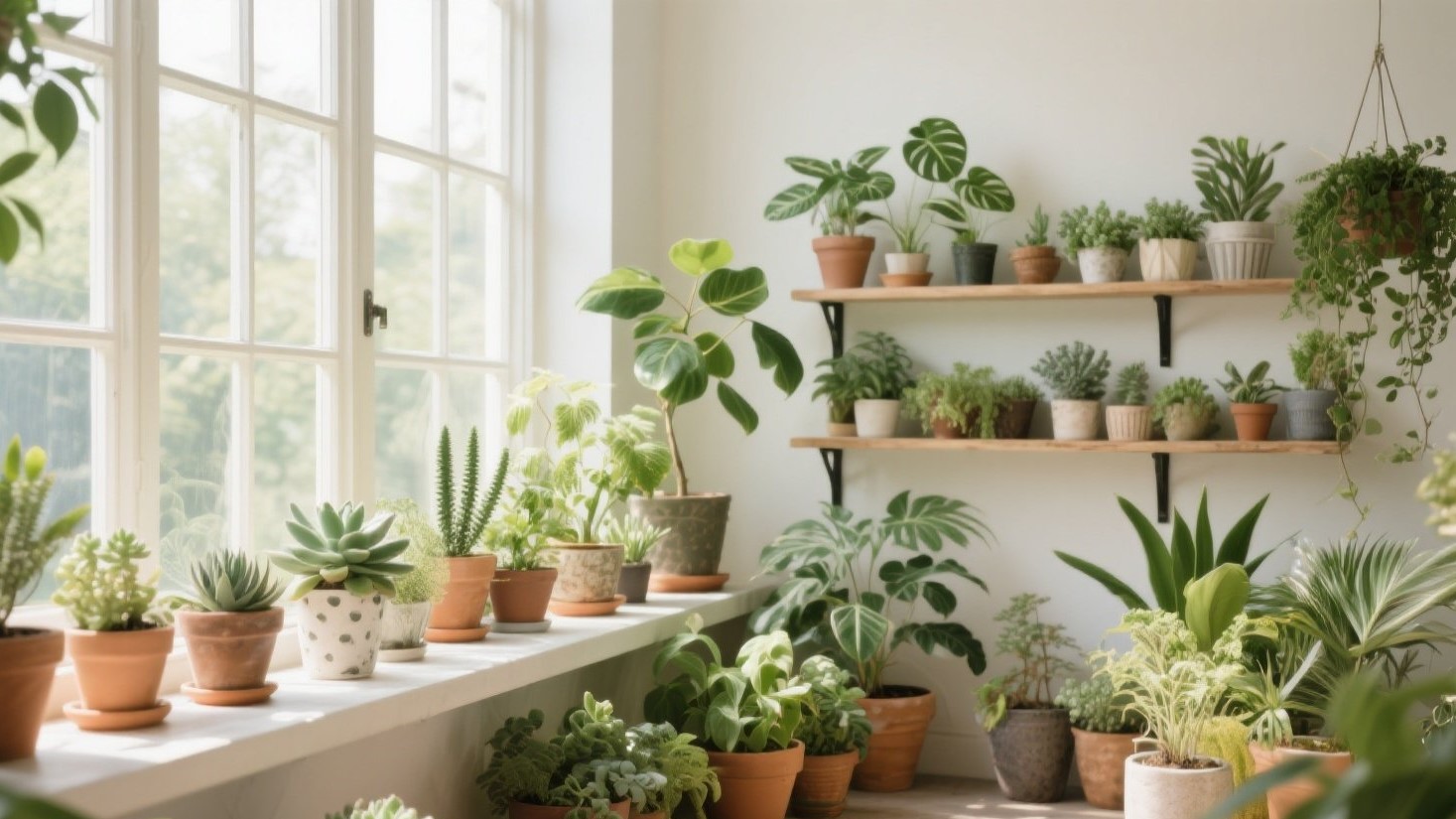
It’s particularly effective for potted houseplants, container gardens, and seedlings, where watering needs can change quickly due to indoor conditions or direct sunlight.
🪴 Step-by-Step: How to Use the Weight Test

- Start Right After Watering:
After watering your plant thoroughly, lift the pot (or tilt it slightly if it’s large). Pay attention to how heavy it feels. This is your “wet weight.” - Check Again in a Few Days:
Wait a couple of days — or however long your plant normally takes between waterings — and lift it again. You’ll notice it feels lighter. This is your “dry weight.” - Compare and Decide:
The next time you’re unsure if your plant needs water, lift it and compare how it feels to those two reference points. If it’s still closer to the wet weight, hold off. If it’s noticeably lighter, it’s time to water. - For Large Pots:
If the pot is too big to lift, try tipping it slightly from one side or pressing down gently on the soil surface. Alternatively, pick up a smaller, similar pot to get a “feel baseline.”
🌤️ Why the Weight Test Works Better Than the Finger Test
The traditional “finger test” — sticking your finger into the top inch of soil — only measures surface moisture. The weight test, on the other hand, reflects overall soil moisture throughout the pot, including around the roots.
It also reduces the risk of overwatering, which can lead to:
- Root rot
- Mold or fungus growth
- Stunted plant growth
- Yellowing leaves
By contrast, using the weight test encourages you to trust your senses rather than arbitrary schedules.
🌿 Pro Tips for Mastering the Weight Test
- Practice with different soil types. A cactus mix will dry out faster (and feel lighter sooner) than rich potting soil.
- Label plants that prefer drier soil. This helps you adjust expectations.
- Use two identical pots. Keep one watered and one dry as reference weights when you’re learning.
- Combine with drainage check. Always ensure excess water can escape through the pot’s drainage holes.
📊 Optional Tools to Support the Weight Test
While your hands are the best gauge, you can also:
- Use a moisture meter to confirm your readings.
- Weigh small pots on a kitchen scale for accuracy (especially for seedlings).
- Track results in a notebook — over time, you’ll learn each plant’s rhythm.
🌱 Final Thoughts: Feel, Don’t Guess
Gardening often teaches patience and observation — and the weight test embodies both. It’s not just about lifting a pot; it’s about learning your plant’s natural rhythm. When you stop guessing and start feeling, you develop an intuitive connection that helps your garden thrive with less stress and waste.
Next time you reach for your watering can, pause and lift the pot first — your plants will thank you.